7 Best Ratchet Strap Ratchets for Global Buyers

Time:2026-10-27 Author:Madeline
0%

Global freight keeps moving through roads, ports, warehouses, and construction sites. Every transfer creates pressure on cargo restraint systems. A loose pallet, sharp steel edge, or wet webbing can quickly turn a routine delivery into a serious safety concern.

The UNCTAD Review of Maritime Transport 2024 shows continued growth in global seaborne trade, increasing the need for dependable cargo-handling equipment. Industry research from Grand View Research and Allied Market Research also identifies cargo-securing equipment as a growing segment, supported by logistics expansion and e-commerce distribution. However, market estimates differ between reports. That difference deserves attention, not blind confidence.

A reliable Ratchet Strap Ratchet should provide smooth tensioning, secure locking, and practical release control. Buyers should examine handle shape, gear teeth, axle strength, corrosion resistance, and compatibility with the strap width. A warehouse worker may use it with cold hands, gloves, or limited visibility. Small design flaws matter.

Standards matter too. In Europe, EN 12195-2 addresses web lashing performance and labeling. In the United States, FMCSA cargo-securement guidance emphasizes adequate working load limits and proper restraint placement. These references do not replace local verification. They provide a useful professional baseline.

This guide evaluates seven ratchet mechanisms for global buyers. It considers daily handling, material quality, maintenance demands, and supplier transparency. Some products look stronger than they perform. That is an uncomfortable possibility.

Real-world testing remains essential. A catalog photograph cannot reveal burrs, weak stitching, or a difficult release lever. The best choice balances safety, usability, documented performance, and total ownership cost.
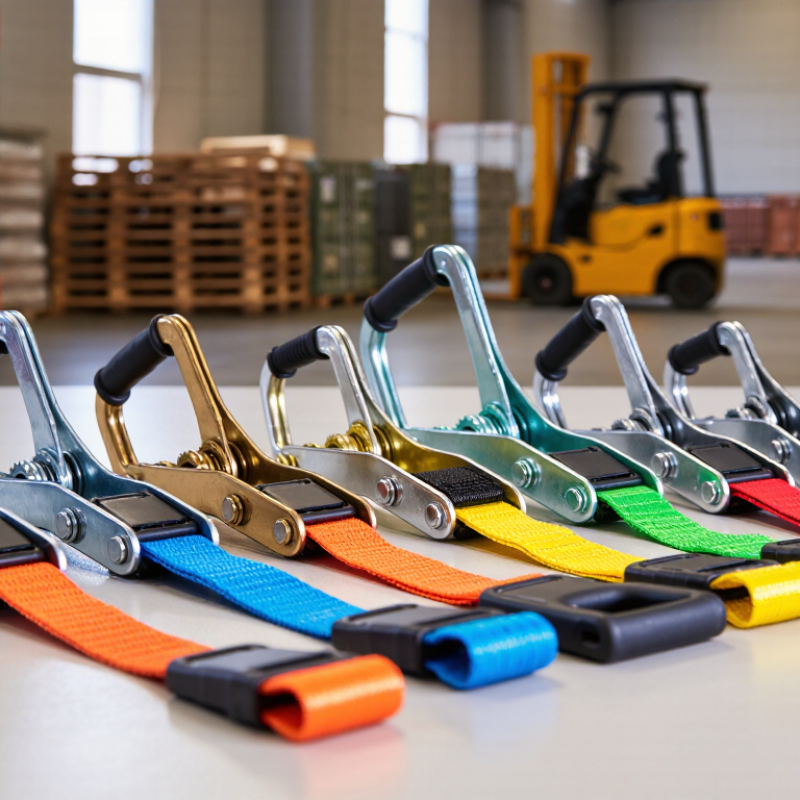
7 Best Ratchet Strap Ratchets for Global Buyers

What Makes a Ratchet Strap Ratchet Reliable for Global Buyers

7 Best Ratchet Strap Ratchets for Global Buyers

Reliable ratchet strap ratchets begin with measurable load control, not a polished handle. The FMCSA Cargo Securement Handbook states that aggregate working load limit should reach at least half the cargo weight. This benchmark helps buyers compare seven ratchet options across different markets. European buyers should also check EN 12195-2 labels, especially lashing capacity and standard tension force. Missing figures are a warning.

A dependable ratchet should engage cleanly, hold without tooth skipping, and release without sudden springback. Inspect the pawl, axle, handle welds, and edge finishing. Small burrs can cut fingers or damage webbing.

Corrosion testing matters for coastal shipping and humid warehouses. Webbing stitching deserves equal attention. The strongest ratchet cannot rescue weak seams. It sounds obvious, yet catalogs often show only breaking strength.

Global buyers should request batch traceability, test certificates, clear units, and instructions in usable language. Independent laboratory evidence is more persuasive than a supplier’s single factory photograph. FMCSA guidance also emphasizes inspecting tie-down assemblies before use and replacing damaged components. That practical rule fits every region.

I would still avoid choosing from numbers alone. Real handling matters. A stiff handle may feel secure but slow loading. A light mechanism may work well, until dust enters its teeth. Test samples under cold, heat, moisture, and repeated cycles before approving a large purchase.

Reliability is rarely dramatic. It is the ratchet that closes smoothly on a wet morning, then stays locked during a long, uneven journey.

Key Ratchet Types and Their Best Practical Uses

7 Best Ratchet Strap Ratchets for Global Buyers

Key Ratchet Types and Their Best Practical Uses

Choosing a ratchet begins with the load, not the handle shape. Standard fixed-end ratchets suit pallets, machinery, and regular flatbed work. Endless-loop ratchets wrap around narrow bundles without needing anchor hooks. Short-handle models fit tight spaces, such as vans or crowded warehouse racks. Long-handle versions create higher tension, but inexperienced users may overtighten them. That damages webbing and can distort cargo.

Wide-handle ratchets are easier to grip with gloves. Wire-hook ratchets work well with open anchor points and utility trailers. Chain-end ratchets suit rugged equipment with chain-compatible tie-down points. Cam-style alternatives are useful for light loads, but they are not ideal for heavy machinery. Always check the working load limit, or WLL, rather than relying on breaking strength. Angle matters too. A shallow tie-down angle can reduce effective restraint.

The Commercial Vehicle Safety Alliance reported 48,761 inspections during its 2024 International Roadcheck. About 23.3% of inspected vehicles received an out-of-service designation, while cargo securement represented 10.6% of out-of-service violations. These figures make hardware selection more than a purchasing detail. European buyers should also compare products with EN 12195-2 requirements, while North American users often reference applicable cargo-securement rules and WSTDA practices. In field use, I have found handle comfort easy to underestimate. Fit is still easy to misjudge. A strong ratchet cannot correct a weak anchor point, twisted webbing, or an unreadable label.

7 Best Ratchet Strap Ratchet Formats for Global Buyers

The chart compares common ratchet strap formats by typical webbing width. Wider webbing is generally selected for higher-load cargo, while compact 25 mm and 35 mm formats are practical for light vehicles, motorcycles, outdoor equipment, and general utility work.

25 mm Mini Ratchet
Best for motorcycles, kayaks, luggage, and light utility loads.
25 mm S-Hook Ratchet
Useful for trailers, eyelets, and everyday cargo tie-down points.
25 mm Flat-Hook Ratchet
Suitable for slotted rails, vehicle beds, and low-clearance anchor points.
35 mm Medium-Duty Ratchet
A balanced choice for furniture, equipment, and medium-sized loads.
50 mm Standard Ratchet
Commonly used for pallets, construction materials, and commercial transport.
50 mm Long-Handle Ratchet
Provides greater leverage when securing dense or heavy cargo.
50 mm Short-Handle Ratchet
Designed for heavy-duty tie-down work where installation space is limited.

Note: The widths shown are common commercial webbing sizes. Actual lashing capacity depends on webbing construction, ratchet hardware, hook design, stitching, and the supplier’s certified product label. Always verify the rated lashing capacity before use.

How to Compare Strength, Size, Materials, and Safety Features

7 Best Ratchet Strap Ratchets for Global Buyers

Choosing among the seven best ratchet strap ratchets requires more than reading a product headline. Start with working load limit, not breaking strength. Working load limit shows usable securing capacity, while breaking strength describes failure during testing. Compare both figures carefully. A compact ratchet may suit motorcycles or light equipment. A wider handle can provide better leverage for heavier cargo. Bigger is not automatically safer. The ratchet must match the strap width, load weight, and anchor points.

Material selection affects durability in real shipping conditions. Polyester webbing resists stretching and moisture, making it practical for long-distance transport. Nylon can absorb more shock, but it may stretch under changing tension. A corrosion-resistant steel ratchet works better in humid ports or outdoor storage.

Check the stitching, axle, handle joints, and spool edges. Sharp metal edges can damage webbing quickly. I would not trust attractive plating alone; hidden wear often appears first around the release mechanism.

Safety features deserve hands-on attention. A clear release lever reduces accidental opening during unloading. A locking handle helps prevent movement when vibration continues for hours. Protective sleeves can reduce abrasion against painted or angular cargo. Read the label for WLL, strap length, material, and inspection guidance. Test the ratchet with controlled tension before full use. Some mechanisms feel smooth at first but loosen after repeated cycles. That imperfect detail matters. Buyers should also question unclear specifications, because missing data is not proof of strength.

Top Seven Ratchet Strap Ratchets for Different Buying Needs

Top Seven Ratchet Strap Ratchets for Different Buying Needs

Global buyers need more than a strong-looking handle. They need a ratchet mechanism suited to cargo, climate, and handling habits. The compact short-handle ratchet fits motorcycles, boxes, and light equipment. It stores easily in narrow spaces. The standard steel ratchet suits everyday warehouse and transport work. Its balance of cost and strength makes it a practical choice. For heavier loads, choose a long-handle ratchet with a wider gear. It offers better leverage, though it needs more storage room. The wide-handle model improves grip when workers wear gloves. This small detail matters during cold or wet loading.

The stainless-steel ratchet works well in humid, coastal, or washdown environments. A zinc-coated ratchet offers useful corrosion resistance for general outdoor use. The heavy-duty ratchet supports demanding applications when its rated capacity matches the strap and anchor points. Never judge capacity by appearance alone. Product specifications, inspection records, and test documentation provide better evidence. I have seen buyers overlook the handle shape, then struggle with repeated tightening. That choice deserves more attention.

Tips: Check the working load limit, strap width, gear teeth, and release speed before ordering. Confirm the ratchet fits the strap thickness. Ask for material details and quality-control records. Test one sample with gloves before placing a large order. Packaging also matters for global shipping. A damaged mechanism can arrive unusable. The cheapest option is not always economical. Sometimes, it is simply cheaper.

7 Best Ratchet Strap Ratchets for Global Buyers - Top Seven Ratchet Strap Ratchets for Different Buying Needs

No. Recommended Ratchet Type Best Buying Need Compatible Strap Width Typical Working Load Limit Typical Minimum Break Strength Common Hook or End Fitting Typical Material Practical Advantages
1 Compact 1-Inch Cam-Style Ratchet Motorcycles, bicycles, light cargo, and household moving 25 mm / 1 in 300–500 kg
(660–1,100 lb)
600–1,000 kg
(1,320–2,200 lb)
S-hook or coated wire hook Polyester webbing with zinc-plated steel hardware Lightweight, easy to store, and simple to operate in confined spaces
2 Standard 1-Inch Ratchet Buckle General-purpose vehicle and trailer tie-downs 25 mm / 1 in 450–680 kg
(1,000–1,500 lb)
900–1,360 kg
(2,000–3,000 lb)
Flat hook, S-hook, or wire hook Polyester webbing and stamped steel ratchet mechanism A versatile option for everyday cargo restraint and retail multipacks
3 Heavy-Duty 1.5-Inch Ratchet ATVs, landscaping equipment, and medium cargo 38 mm / 1.5 in 680–1,000 kg
(1,500–2,200 lb)
1,360–2,000 kg
(3,000–4,400 lb)
Flat snap hook or double J-hook High-tenacity polyester webbing and plated steel Provides more webbing contact area and stronger tensioning than compact models
4 Commercial 2-Inch Long-Handle Ratchet Commercial trailers, pallets, machinery, and construction loads 50 mm / 2 in 1,500–2,270 kg
(3,300–5,000 lb)
3,000–4,540 kg
(6,600–10,000 lb)
Chain-end, flat snap, or wire hook Heavy polyester webbing and heat-treated steel ratchet Long handle improves leverage and makes high-tension loading easier
5 2-Inch Wide-Handle Ratchet with Chain Fitting Industrial cargo, steel products, and demanding transport conditions 50 mm / 2 in 1,800–2,500 kg
(4,000–5,500 lb)
3,600–5,000 kg
(8,000–11,000 lb)
Grade 70 transport chain with grab hook Industrial polyester webbing, alloy steel chain, and plated steel Chain ends offer strong attachment points where web hooks are unsuitable
6 3-Inch Heavy-Load Ratchet Large machinery, agricultural equipment, and oversized freight 75 mm / 3 in 2,450–2,720 kg
(5,400–6,000 lb)
4,900–5,440 kg
(10,800–12,000 lb)
Chain-end or heavy-duty flat hook 75 mm polyester webbing and reinforced steel components Wide webbing distributes pressure over a larger load-contact area
7 Stainless-Steel or Corrosion-Resistant Ratchet Marine transport, humid climates, food-related logistics, and outdoor storage 25–50 mm
(1–2 in)
450–1,500 kg
(1,000–3,300 lb)
900–3,000 kg
(2,000–6,600 lb)
Stainless-steel S-hook, flat hook, or wire hook Polyester webbing with stainless or corrosion-resistant hardware Improved resistance to rust and salt exposure; suitable for repeated outdoor use

Data note: Working load limits and break strengths are representative ranges commonly found in commercial tie-down systems. Actual ratings depend on the complete assembly, including webbing, ratchet, hooks, stitching, and anchor points. Always follow the manufacturer’s label and applicable local cargo-securement regulations.

How to Select, Inspect, and Maintain a Ratchet for Long-Term Use

Selecting a ratchet strap ratchet starts with the intended load, strap width, and working environment. A strong handle means little if the spindle cannot hold the webbing securely. Check the manufacturer’s rated capacity and avoid guessing from appearance. I prefer a smooth, comfortable grip with a positive locking action. The release lever should move cleanly, without sticking or excessive play.

Inspection should happen before every serious use. Look for cuts, melted fibers, fraying, bent side plates, cracked handles, and heavy rust around the spindle. Run a finger along the webbing carefully. Small damage can hide beneath dirt. Engage the ratchet with an empty strap, then test its movement under light tension. It should wind evenly and release without sudden slipping. Do not use a damaged assembly. A cheap replacement is safer than a failed restraint.

Maintenance is simple but easily neglected. Remove grit with a dry brush, then wipe metal parts with a slightly damp cloth. Dry the mechanism fully before storage. Apply a small amount of suitable lubricant to the pivot points, avoiding the webbing. Store the ratchet in a cool, dry place away from sunlight and chemicals. I once stored one in a damp workshop, and surface rust appeared within weeks. That mistake changed my routine. My checklist is not perfect, so I recheck the lock, spindle, and webbing before each trip. Small habits matter.

FAQS

How should I choose the right ratchet type?

Start with the cargo, not the handle shape. Standard models suit pallets and machinery. Endless-loop models wrap narrow bundles. Short handles fit vans and crowded racks.

When is a long-handle ratchet useful?

A long handle creates higher tension for heavier cargo. It also needs more storage space. Inexperienced users may overtighten and damage the webbing.

Are wide-handle ratchets better for regular use?

They provide a better grip, especially with gloves. This helps in cold or wet loading areas. Bigger is not automatically safer.

What is the difference between working load limit and breaking strength?

Working load limit shows usable securing capacity. Breaking strength describes failure during testing. Choose according to the working load limit, not appearance.

Which materials work well in changing weather?

Polyester webbing resists moisture and stretching. Nylon absorbs more shock but may stretch. Corrosion-resistant steel suits humid ports and outdoor storage.

What safety details should buyers inspect?

Check the release lever, locking handle, stitching, axle, and spool edges. Protective sleeves reduce abrasion. Sharp edges can cut webbing quickly.

How does the tie-down angle affect cargo security?

A shallow angle can reduce effective restraint. Strong hardware cannot fix a weak anchor point. The setup matters too.

What should I check before placing a large order?

Confirm strap width, thickness, gear teeth, and rated capacity. Test one sample with gloves. Request material and quality records. Packaging matters. A damaged mechanism may arrive unusable.

Which ratchet suits humid or coastal environments?

Stainless steel works well in humid, coastal, or washdown conditions. Coated steel suits general outdoor use. I would not trust attractive plating alone. Hidden wear can appear first near the release mechanism.

Conclusion

Choosing the right Ratchet Strap Ratchet is essential for global buyers who need dependable load control in transport, storage, and industrial applications. A reliable model should offer smooth tensioning, secure locking, durable construction, and clear safety features. This guide explains the main ratchet types and their most practical uses, from compact solutions for light-duty loads to heavy-duty designs for demanding cargo. It also outlines how to compare working load limits, size, handle design, materials, corrosion resistance, and compatibility with different strap widths.

The article presents seven Ratchet Strap Ratchet options for different purchasing needs, helping buyers match performance with budget, application, and operating conditions. It also provides practical advice on selecting the correct model, inspecting hooks, springs, gears, and release mechanisms, and maintaining the ratchet over time. By checking for wear, cleaning moving parts, storing equipment properly, and replacing damaged components promptly, users can support safer handling and achieve longer service life across varied working environments.


Madeline

Madeline

Madeline is a dedicated marketing professional with a wealth of expertise in our company's core offerings. With a keen understanding of the industry, she brings a unique perspective to her role, consistently delivering high-quality content that highlights the superior aspects of our products. As......