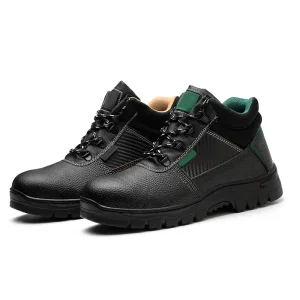
Direct supply from our automated weaving, vulcanization, and robotic stitching clusters near Tianjin Port. Engineered to meet EN, ANSI, and ISO global standards.
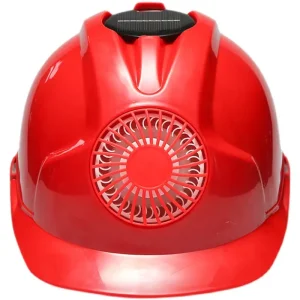
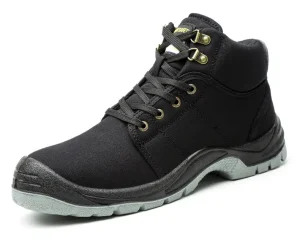
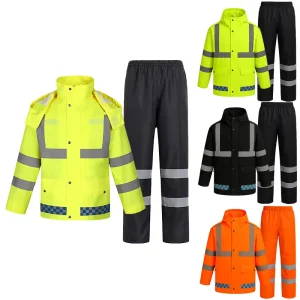
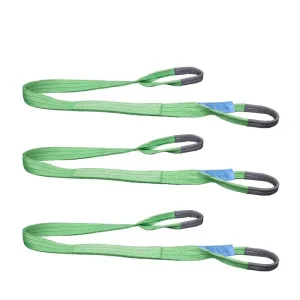
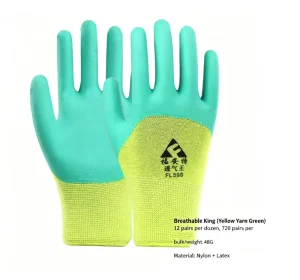
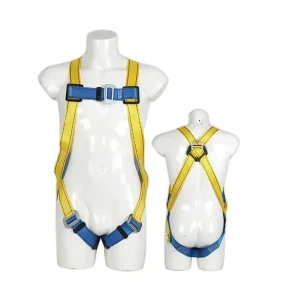
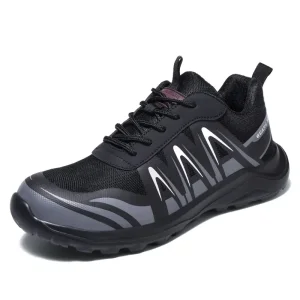
Procuring Category III life-critical personal protective equipment (PPE) has shifted from pure unit cost calculations to supply chain traceability, geopolitical risk mitigation, and strict certification lifecycle governance. With heightened regulatory scrutiny under the EU PPE Regulation (EU) 2016/425, ANSI/ASSP Z359 standards in North America, and localized labor workplace mandates worldwide, Tier-1 EPC contractors and global safety equipment distributors can no longer afford supply failures.
Global bodies demand verifiable type-examination and module C2/D production monitoring. Procurement teams are moving away from middle-tier trading entities toward integrated factories that manage traceability from yarn spinning to final dynamic drop test.
Disruptions in primary maritime lanes have underscored the vital importance of proximity to global shipping gateways. Operations stationed in mega-industrial coastal hubs like Tianjin provide low-overhead inland transport and prompt maritime turnaround.
Equipment failures, worker fatigue, and frequent replacements dramatically inflate operational expenditures. Industrial purchasers now demand ergonomic tailoring, higher tear resistance, and anti-static durability over standard budget apparel.
Purchasing hard hats from one vendor, safety footwear from a second, and lashing webbing from a third multiplies shipping costs, customs clearance delays, and quality discrepancies. Tianjin ZhongQi resolves this by providing integrated manufacturing across load-securing and full-body PPE under a unified ISO 9001 quality framework.
PPE cannot be engineered as a one-size-fits-all solution. ZhongQi designs mission-tailored protection kits adapted to diverse geographic climates, chemical hazards, and mechanical stress profiles.
Modern mega-structures require comprehensive fall arrest equipment, high-impact polycarbonate helmets, and heavy-duty lashing straps for lifting precast structural panels.
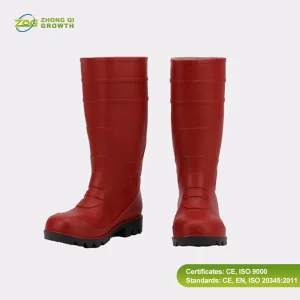
Explosion-risk facilities and subterranean operations require equipment that eliminates sparks, resists volatile hydrocarbons, and protects against continuous moisture.
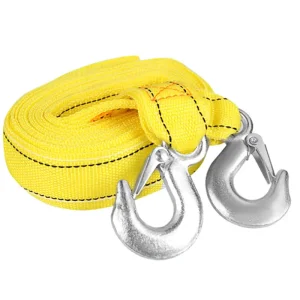
Long-distance haulage across variable terrains demands tension-rated tie-downs and heavy-duty tow ropes with reinforced edge protectors to prevent catastrophic transit loss.
Tianjin ZhongQi allocates over 60% of our internal staffing to R&D, collaborating with polymer testing laboratories to upgrade mechanical properties and sustainable practices across all product lines.
| Technology Vector | Current Production Baseline | Next-Gen Engineering (2026-2027) | Primary Industrial Benefit |
|---|---|---|---|
| High-Tenacity Webbing | 210D AA-Grade continuous filament polyester | Ultra-High Molecular Weight Polyethylene (UHMWPE) hybrid blends | Weight -40% Cut Resistance +300% |
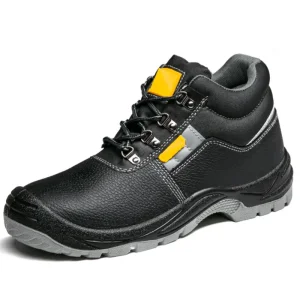
| Safety Footwear Soling | Dual-density polyurethane (PU/PU) & vulcanized rubber | Graphene-infused Kevlar midsoles with bio-based cushioning elastomers | Puncture Proof 1100N Zero Cold Embrittlement |
| Head & Impact Protection | UV-stabilized thickened ABS & HDPE 6-point suspensions | Integrated IoT environmental sensors & solar-powered thermoelectric cooling | Heat Stress Reduction Gas Hazard Alerting |
| Protective Gloves Matrix | Seamless HPPE with sandy nitrile dipping | Nanotube cut-level F liners with electrostatic conductive fingertips | Precision Touchscreen Maximum Blade Defense |
| Fall Arrest Indicators | Tear-webbing visual alert inspection stitching | RFID/NFC chipped webbing tags linking directly to cloud inspection logs | Instant OSHA / CE Audits Zero Paper Records |
Operating inside the Shuangjie Trusted Industrial Park in Beichen District, Tianjin, our production infrastructure integrates upstream petrochemical fiber synthesis with downstream hardware forging.
Situated within an hour's drayage of Tianjin Port (one of the world's highest-throughput maritime gateways), we eliminate intermediate freight transfers and demurrage risks.
Direct yarn drawing and spinning partnerships eliminate vulnerability to intermediate material shortages, preserving reliable delivery schedules throughout peak seasons.
Customization extends beyond basic logo printing. We adjust strap weave geometry, ratchet mechanism ratchets, hardware coatings, and packaging structures to order.
Every lot undergoes dynamic fall simulations, static tensile destruction tests up to 50 tons, salt spray corrosion evaluations, and footwear impact assessments.
Importing Category II and Category III personal protective gear requires absolute alignment with regional occupational health frameworks. We assist distributors with full technical construction files (TCF).
Full conformance with PPE Regulation (EU) 2016/425. We provide direct access to verified Notified Body testing documentation and Declarations of Conformity (DoC).
Rigorous conformance to American National Standards Institute regulations and OSHA workplace requirements for structural load ratings and tear energies.
We configure sewn-in technical badges, batch serialization barcodes, and user instructional manuals to satisfy your regional market regulations.
Detailed insights into load ratings, minimum order quantities, factory customizations, and certification compliance from our engineering department.
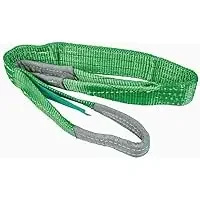
Under standard EN 1492-1, all polyester flat webbing and round slings are calibrated to a 7:1 safety factor. This means a sling rated with a 2-ton (2,000 kg) Working Load Limit has an ultimate breaking force of at least 14,000 kg under straight vertical lift. Each production lot is sampled on our calibrated horizontal hydraulic test bed to verify yield strength prior to label attachment.
Yes. With more than 15 years in OEM/ODM production, we can custom-dye polyester webbing to exact Pantone values, weave client brand names directly into webbing structures, apply anti-reflective or powder-coated finishes to alloy steel D-rings, and assemble custom retail boxes with client barcodes and user manuals.
Under EN 12195-2, Lashing Capacity (LC) represents the maximum allowable force a tie-down strap can safely sustain in straight line lashing during road transit. Break strength represents the ultimate force at which the ratchet assembly or webbing mechanically shears, which is generally 2x the rated LC. Conflating these two figures can lead to improper cargo securement and regulatory citations.
Unlike single-line vendors, our comprehensive workshop capacity in Beichen District lets importers combine safety footwear, hard hats, chemical work gloves, heavy fall protection harnesses, and synthetic lifting slings into a single consolidated 20GP or 40HQ container, significantly reducing logistics overhead for regional distributors.
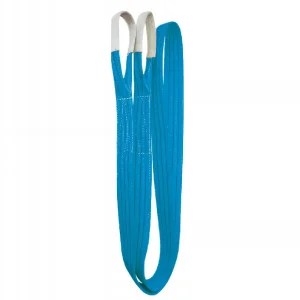
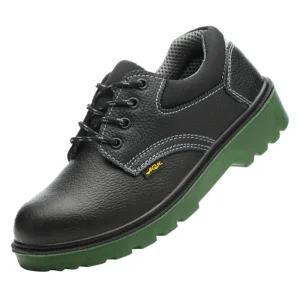
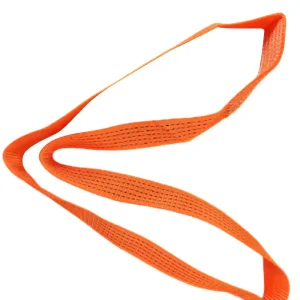
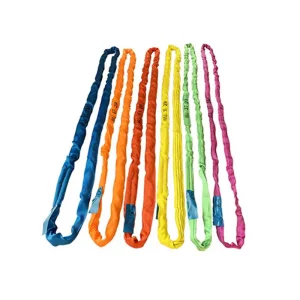
Heavy duty synthetic polyester rigging belts, recovery straps, and protective boots engineered for extreme mining, energy, and freight duty.