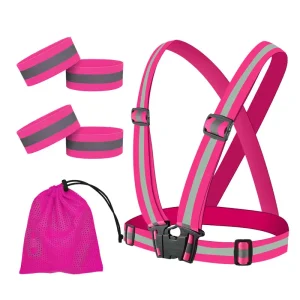
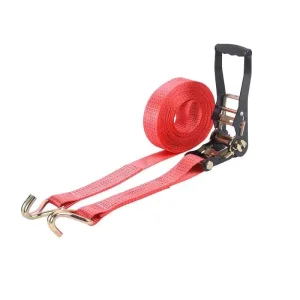
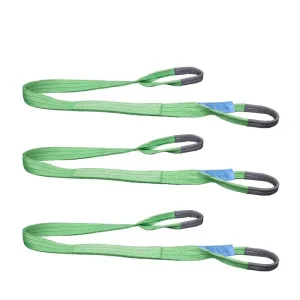
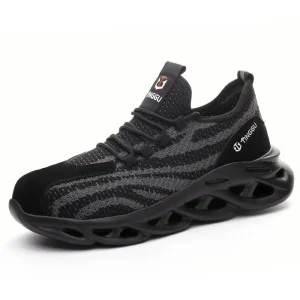
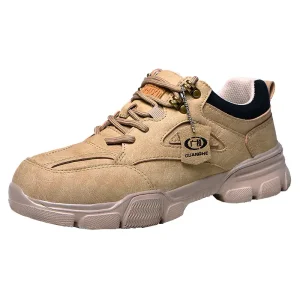
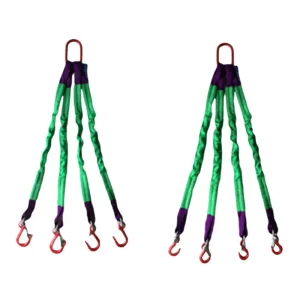
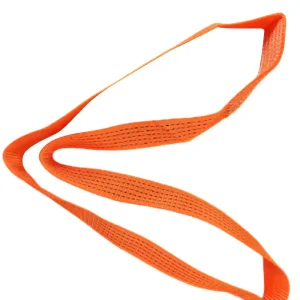
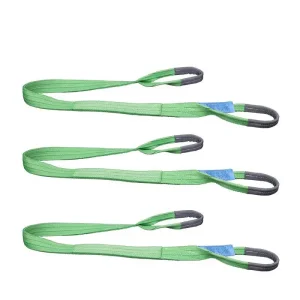
Direct factory production lines configured for high tensile load capacities, mechanical impact mitigation, puncture resistance, and heavy logistics safety.
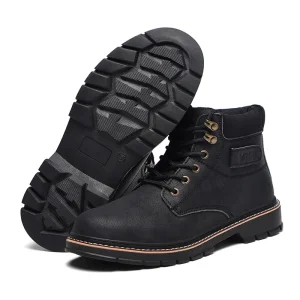
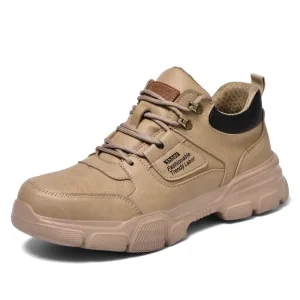
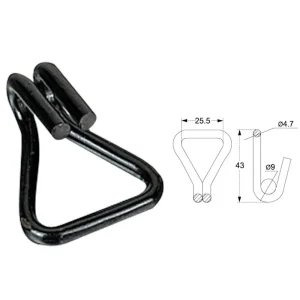
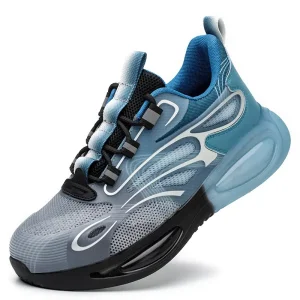
A critical evaluation of Goodyear welt construction versus conventional cemented and direct injection molding for extreme industrial work environments.
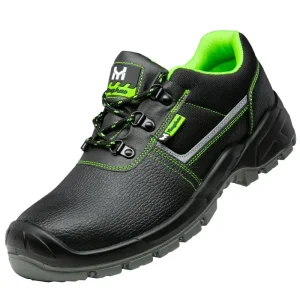
Unlike cemented assembly which relies purely on thermoplastic resin bonds vulnerable to petrochemical solvents, temperature cycling, and mechanical shearing, Goodyear Welt safety shoes bind the full-grain leather upper, internal ribbed insole, and solid leather welt using high-tensile waxed polyamide threads through an interlocking mechanical welt seam.
Between the structural ribbing of the inner sole and outer midsole lies an engineered cavity filled with granular cork mixed with natural elastomeric binders. This breathing layer permanently conforms to the plantar anatomy of the wearer over extended 12-hour operational shifts, offering unmatched micro-shock absorption and dynamic arch stabilization.
The distinctive advantage for institutional fleet procurement is field recraftability. When rubber or nitrile outsoles degrade under intense abrasion or slag contact, the secondary lockstitch can be milled away without compromising the upper chassis or protective steel/composite toe box assembly, reducing the long-term asset amortization cost by upwards of 42%.
In modern supply chain auditing, Tier-1 engineering firms, multinational energy operators, and industrial logistics syndicates have shifted from analyzing initial purchase prices (Unit Price Index) to adopting comprehensive Total Cost of Ownership (TCO) frameworks.
Quantitative benchmark analysis evaluating structural performance indicators between the three predominant industrial manufacturing methods:
| Metric Parameter | Goodyear Welt | Cemented | PU Injection |
|---|---|---|---|
| Delamination Risk | Near Zero (<0.1%) | Elevated (6-12%) | Moderate (2-4%) |
| High Heat Contact | 300°C Nitrile (HRO) | Glue Melts at 80°C | PU Melts at 130°C |
| Hydrolysis Stability | Impervious Sole Core | Moderate | Severe in 2-3 Yrs |
| Resole Feasibility | 100% Fully Resolable | Non-Economical | Impossible |
Engineered configurations meeting specialized workplace hazard vectors across premier global production verticals.
Heavy abrasion, jagged granite substrate, and acidic run-off demand 2.2mm waterproof treated crazy-horse cowhide uppers, external molded TPU heel-stiffeners, steel puncture-resistant midsoles resisting 1,100 Newtons, and aggressive lugged nitrile outsoles with mud-clearing channels.
Explosive vapor environments necessitate full electrostatic discharge dissipative (ESD) or anti-static outsoles (100kΩ to 1000MΩ). Non-metallic composite toe caps protect against drop impacts without triggering magnetic alarms or conducting sub-zero offshore Arctic temperatures.
High-cadence distribution centers combine pedestrian traffic with multi-ton forklift operations. Lightweight Kevlar ballistic fiber midsoles paired with breathable mesh or split cowhide ensure agile mobility, while SRC-certified slip resistance safeguards against slick concrete and oily loading docks.
Direct OEM manufacturing compliant with EN ISO 20345:2022, ASTM F2413-18, and CSA Z195 certifications to guarantee seamless customs clearance across EU, US, and APAC markets.
| Standard Body | Protection Category | Mandatory Test Criterion | Factory QC Test Protocols |
|---|---|---|---|
| EN ISO 20345:2022 | S3 / S3L / S7 | 200J Impact, 15kN Compression, Water Penetration (WPA) | Drop-weight impact tower verification, digital load-cell toe-compression, dynamic water flexing tank testing. |
| ASTM F2413-18 | I/75 C/75 PR EH | 75 ft-lb impact, 2,500 lbs compression, 18,000V @ 60Hz leakage < 1.0mA | Dielectric high-voltage bench chamber, puncture pin penetrometer test across sole grid, dry oven conditioning. |
| CSA Z195-14 | Grade 1 Protective Sole | 125J dropped striker, steel/composite puncture barrier, electric shock resist (ESR) | Drop tower velocity sensors, flex-cycle resistance under -20°C refrigeration, chemical reagent immersion checks. |
| AS/NZS 2210.3:2019 | Class 1 Occupational | Plantar energy absorption (>20J), upper leather tear strength >120N | Instron mechanical tensile tester, SATRA TM144 slip-friction incline table using sodium lauryl sulfate / glycerol. |
Our fabrication facility utilizes cold-stamped manganese-titanium steel caps coated in anti-corrosive electrostatic epoxy, as well as ultra-light composite fiberglass caps. Both designs deliver 15mm minimum internal clearance post-impact under 200J energy delivery, exceeding OSHA and European CE requirements.
All leather hides, thermoplastic compounds, lining foams, and adhesives comply strictly with EU REACH Annex XVII limits, verifying non-detectable levels of Pentachlorophenol (PCP), Azo dyes, Chromium VI (Cr6+), and toxic plasticizer phthalates, guaranteeing complete consumer safety and environmental integrity.
Strategically positioned in North China's premier PPE and load-securing belt, directly adjacent to Tianjin Port for expedited international ocean dispatch.
Our direct presence in Shuangjie Trusted Industrial Park, Beichen District, connects us instantly to raw yarn extruders, high-grade leather tanneries, hardened steel hardware molders, and chemical compounders. This dense supply cluster eliminates multi-tiered markups and ensures raw materials meet strict batch-by-batch tolerances.
Located minutes from Tianjin Port (Xingang)—the primary maritime gateway for Northern China—our shipments bypass extensive domestic overland trucking corridors. We guarantee rapid terminal container stuffing, expedited export declarations, and direct oceanic departures to Rotterdam, Long Beach, Singapore, and Jebel Ali.
With over 60% of our internal personnel focused on R&D and industrial design engineering, we operate dedicated 3D last-modeling studios and custom vulcanization mold tooling. Private labeling includes branded woven tongue tags, laser-etched outsoles, dual-density footbeds, and certified colorized retail boxing.
Pioneering the convergence of next-generation biomechanical support, eco-certified circular lifecycles, and digital supply chain integrity.
Transitioning toward LWG (Leather Working Group) Gold-rated chrome-free vegetable tanned leathers, outsoles incorporating 30% recycled post-industrial nitrile vulcanizates, and toe cap composite structures reinforcing renewable plant-based resins without diminishing 200J safety metrics.
R&D validation is currently underway for embedded passive RFID/NFC identity micro-chips within the welt seam. These encrypted tags interface with site safety software to track inspection timestamps, total service hours in corrosive environments, and automate OSHA personal protective equipment compliance verification.
Integrating supercritical expanded polyurethane (E-TPU) dynamic rebound foams encapsulated within the welt cavity. This provides over 55% mechanical rebound return per stride, mitigating musculoskeletal fatigue for logistics personnel walking in excess of 20,000 steps per shift on unyielding surfaces.
Engineered responses to critical mechanical, material, and international shipping inquiries presented by institutional buyers.
Cemented construction relies entirely upon adhesive films (typically polychloroprene or polyurethane adhesives). In environments with crude hydrocarbons, industrial solvents, or constant alkaline fluids, these adhesives chemically break down and delaminate. Goodyear welt footwear utilizes an interlocking mechanical lockstitch through a dense leather or synthetic welt. The outsole bond is held by high-tensile waxed thread, ensuring the sole remains securely attached even if the cement interface degrades.
The cavity created by the welt's vertical ribbing is densely filled with a granular cork and natural binder matrix. Under dynamic foot temperature and sustained bodyweight pressure, this cork layer permanently molds to the wearer's unique plantar contours, creating a custom orthotic footprint. Cork also provides exceptional thermal insulation against freezing concrete slabs and scorching asphalt surfaces, dampening ground shockwaves that would otherwise impact the wearer's knees and lower spine.
Yes. Although the welt stitching pierces through the outsole border, water ingress is prevented through a three-stage engineering barrier: first, silicone-impregnated full-grain waterproof leathers; second, fully seam-sealed internal polytetrafluoroethylene (PTFE) or TPU membrane booties that envelop the foot in a complete 360-degree bootie barrier; and third, hydrophobic wax coatings applied directly to the welt thread during stitching, meeting the highest EN ISO 20345:2022 S7 and ASTM F2413 water penetration requirements.
Standard production MOQ for custom Goodyear welt models starts at 500 to 1,000 pairs depending on the customization scope (e.g., custom sole tooling, distinct leather finishes, or custom branded eyelets). Initial CAD last adjustments and prototype counter-sampling typically require 10 to 14 business days. Mass production lead time ranges between 30 and 45 calendar days, supported by rapid container drayage to Tianjin Port.
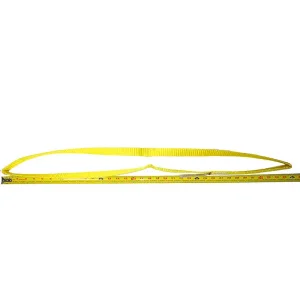
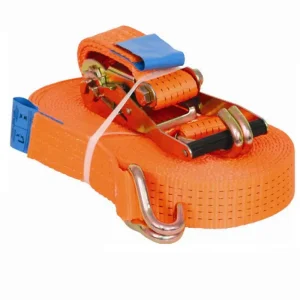
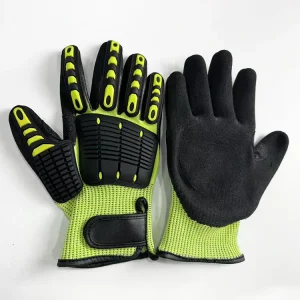
Yes. Operating within the integrated Tianjin ZhongQi manufacturing facility, buyers frequently consolidate multi-ton shipments combining safety footwear with high-tenacity polyester lifting slings, ratchet lashing belts, fall protection harnesses, safety helmets, and cut-resistant gloves. This consolidation maximizes container cubic volume utilization, dramatically slashes international LCL charges, and simplifies commercial customs clearances under a unified HS code dossier.
Inquire today to review comprehensive material safety data sheets (MSDS), request counter-samples, or configure customized OEM/ODM safety footwear specifications tailored to your regional compliance mandates.
Engineered fall protection, load lashing systems, and specialized tactical footwear manufactured for global industrial supply chains.