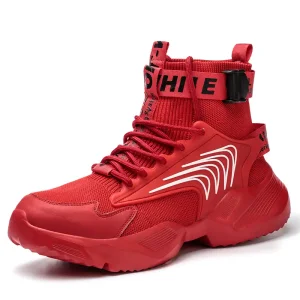
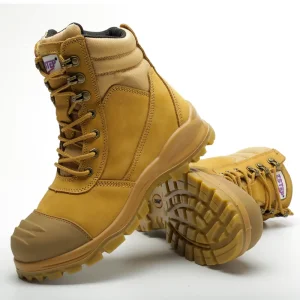
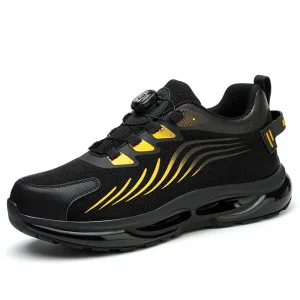
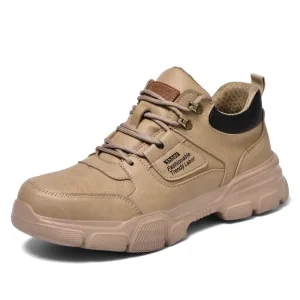
Explore initial technical offerings engineered for demanding rocky ascents, industrial heavy-duty applications, and critical high-angle operations.
Strategic overview of macroeconomic market drivers, cross-sector industrial migration, and modern international supply chain dynamics.
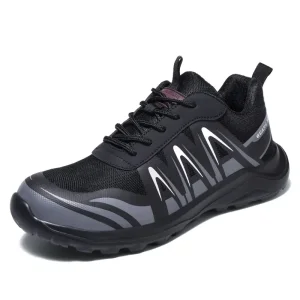
The boundary separating specialized mountaineering gear and industrial personal protective equipment (PPE) has significantly diminished. Contemporary technical mountaineering boots utilize torsional rigidity boards, thermal aerogel linings, and specialized multi-density carbon fiber shanks that find direct architectural crossover in harsh construction sites, heavy utility repairs, wind turbine service, and emergency response services.
Modern global procurement requires granular conformity with European CE standards (EN 361, EN 1492-1, EN ISO 20345) and American ASTM specifications. Industrial mountaineering boots must guarantee calibrated puncture resistance, lateral torsional stiffness, electrical discharge protection, and cryogenic thermal preservation to prevent frostbite and mechanical crush injuries in sub-zero alpine terrains.
Global production centers are pivoting from traditional heavy calf leathers toward ultra-high-molecular-weight polyethylene (UHMWPE), high-tenacity Cordura® ballistics, and waterproof-breathable monolithic PTFE membranes. This material shift substantially reduces the physical payload per pair while multiplying abrasion resistance, keeping boots structurally intact against severe rock scuffing, crampon strikes, and chemical sludges.
From advanced computational last modeling to closed-loop circular sustainability, understand the vectors propelling high-angle footwear manufacturing forward.
CAD-driven ergonomic lasts are engineered around biomechanical stress distribution data. By optimizing heel-cup lock, forward flexion angles, and asymmetrical toe profiles, our mountaineering boots achieve superior precision on razor-thin rock edges and steep scree, eliminating distal phalange trauma without sacrificing arch support during multi-day expeditions.
Proprietary vulcanized rubbers combine deep-lug self-cleaning perimeter treads for unconsolidated glacial mud with a specialized smooth "climbing zone" at the toe. Midsole assemblies deploy calibrated layers of micro-cellular PU and compressed EVA to yield high-impact shock dampening alongside rigid TPU heel bails engineered for step-in automatic crampons.
To withstand sub-zero arctic conditions, advanced composite footwear incorporates multi-layer insulation matrices featuring reflective aluminized mylar film, closed-cell aerogel composites, and hydrophobic PrimaLoft® liners. This configuration prevents heat dissipation via conductive ground transfer while sustaining vapor permeability to keep the foot dry and prevent blistering.
Engineered to adapt dynamically to distinct global climatic zones, geomorphological terrains, and severe industrial assignments.
Deployed in severe alpine elevations ranging from 4,000m to 8,000m. Built with high-profile integrated gaiters, rigid full-shank fiberglass supports, and insulated multi-layer shells capable of accepting C2 and C3 automatic crampons for traversing crevasses, blue ice walls, and knife-edge cornices.
Critical footwear for mountain rescue brigades, alpine search teams, and wilderness medical squads operating in fractured limestone, loose talus, and dense alpine forests. Demands rapid lacing hardware, robust ankle support to prevent lateral inversion, and high-traction braking heel grooves.
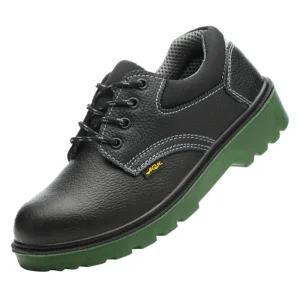
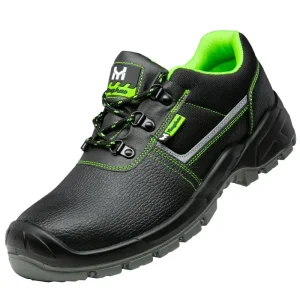
Designed for geotechnical engineers, telecommunication mast installers, and hydro-electric dam maintenance workers working on steep cliffs and inclined concrete faces. Integrates composite protective toe caps, electrostatic discharge (ESD) protection, and acid-resistant rubber outsoles.
A transparent breakdown of upcoming material breakthroughs, intelligent sensor integrations, and eco-certified smart manufacturing paradigms.
Phasing out harmful fluorinated chemical treatments (PFC/PFAS) in favor of non-toxic, bio-based breathable membranes made from recycled polyurethanes. Introduction of seamless single-piece injection-molded outer shells that minimize seam failure points under extreme shear stress.
Embedding micro-electronic sensors and ultra-thin flexible graphene thermal arrays within the boot last. Transmits telemetry data concerning sole wear, gait stability, inner-boot thermal drops, and elevation pressure directly to tactical handhelds or base station terminals via Bluetooth Low Energy (BLE).
Deploying 100% depolymerizable components enabling rapid post-lifecycle disassembly. Utilizing 3D laser-sintered carbon lattice midsoles custom-calibrated to each customer’s body mass and mission payload specifications, slashing production cycle lead times down to under 48 hours for bespoke orders.
End-to-end global supply chain facilitation from material synthesis in our Tianjin manufacturing center to final localized container fulfillment.
Equipped with high-precision CNC mold machining, waterjet leather cutters, and robotic lasting equipment, we provide global outdoor brands with fully-functional physical prototypes in under 10 business days. Customization ranges from bespoke last development to custom eyelet hardware and laser-etched branding.
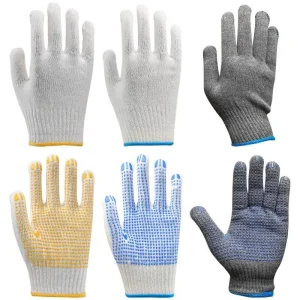
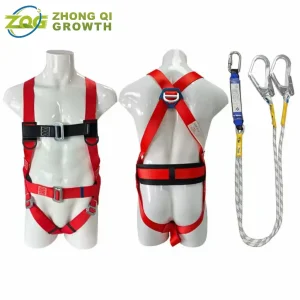
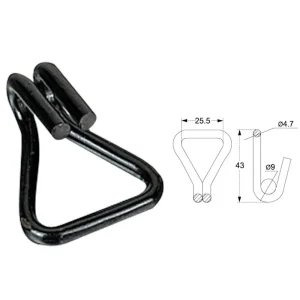
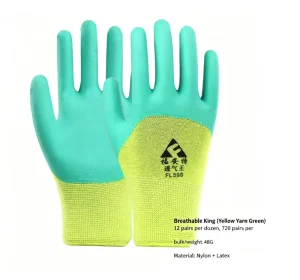
Leveraging our extensive manufacturing facility in Beichen District, Tianjin, clients can consolidate footwear shipments with fall protection harnesses, industrial slings, safety helmets, and cut-resistant gloves into a single ocean freight container, maximizing freight efficiency and lowering import tariff handling.
Every batch undergoes testing in our internal QA laboratories. Tests include 100,000-cycle dynamic flex testing in -30°C temperature chambers, SATRA TM144 slip friction evaluations, 1,100N puncture resistance checks, and waterproof static/dynamic submersion trials before shipment release.
Immediate answers to the technical inquiries commonly raised by global footwear distributors, enterprise purchasers, and OEM brand buyers.
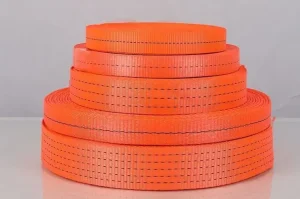
Review additional certified gear spanning Kevlar-reinforced protective boots, heavy-duty truck cargo straps, and high-altitude fall protection systems.