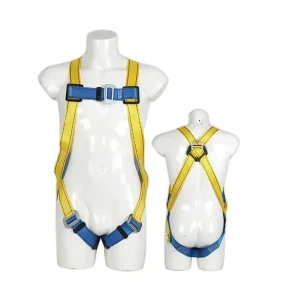
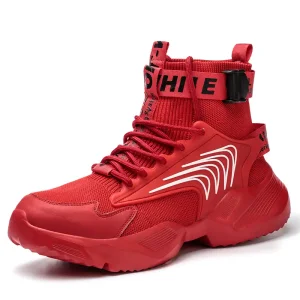
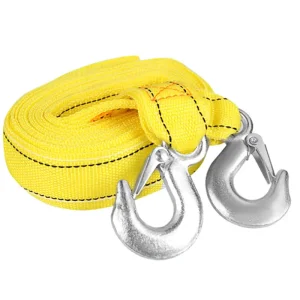
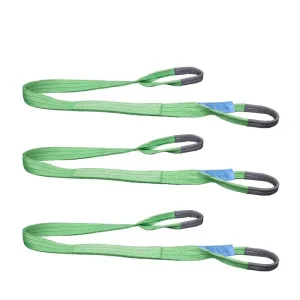
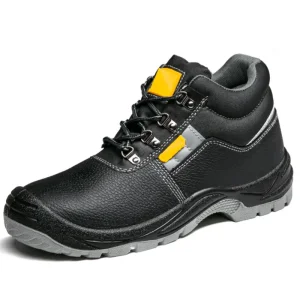
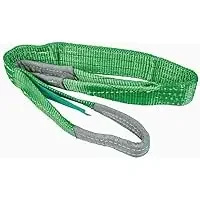
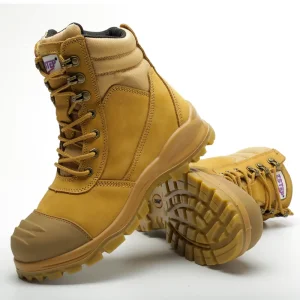
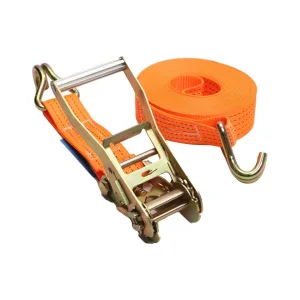
Pre-tested protective garments, CE-certified fall prevention lines, and industrial ergonomic footwear direct from our manufacturing floor.
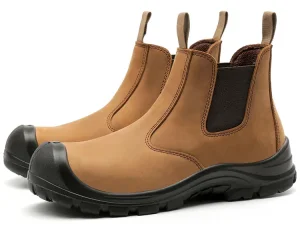
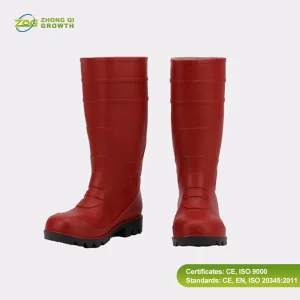
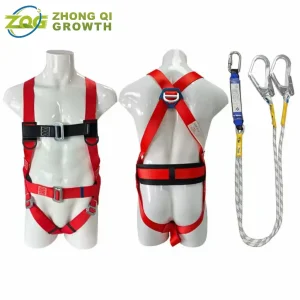
Regulatory mandates across OSHA, EU-OSHA, and GCC workforces have transitioned industrial clothing from operational expense to certified life-safety assets.
Global procurement teams face escalating standard alignment. Uniform fabrics are now evaluated on stringent EN ISO 20471 photometer retro-reflection indices, NFPA 70E Arc Flash Cal/cm² ratings, and anti-static ESD standards (EN 1149). Non-compliant gear induces severe liability risks for heavy industrial contractors.
While low-tier, basic cut-and-sew operations diversify across Southeast Asia, Tier-1 performance garments requiring technical coatings, synthetic webbing weaves, flame retardant (FR) chemical bath bonds, and ultrasonic welding remain deeply anchored in high-efficiency integrated industrial belts.
Enterprises require chain-of-custody documentation, including OEKO-TEX Standard 100, Global Recycled Standard (GRS) certifications for recycled polyester (rPET) workwear, and zero fluorochemical (PFC-free) DWR (Durable Water Repellent) surface treatments to satisfy cross-border sustainability disclosures.
Modern Chinese apparel engineering extends beyond assembly lines to encompass fully synchronized raw material syndication, port proximity, and vertically integrated quality ecosystems.
Our Tianjin operational infrastructure features direct upstream integration into high-tenacity yarn extrusion (210D AA-grade filament PES), eliminating multi-tier markups and securing strict control over tensile rupture values before warp preparation begins.
By replacing manual variations with computerized pattern sewing machines and electronic hot-wire cutters, ZhongQi ensures that load-bearing stitch patterns across safety apparel, harness attachment tabs, and reinforced knees maintain sub-millimeter precision.
A majority of engineering focus centers on tensile simulation, micro-porous membrane lamination, tear resistance optimization, and hardware metallurgy to guarantee compatibility with European and American safety codes.
Located in the Shuangjie Trusted Industrial Park, container shipments access the berth at Tianjin Port within hours. This reduces domestic feeder drayage costs, prevents internal transit moisture exposure, and expedites dispatch to global shipping lanes.
How professional safety clothes, gear, and harnesses match real-world hazards across specialized global working environments.
| Industry Sector | Primary Hazard Profiles | Protective Garment / Equipment Matrix | Core Regulatory Criteria |
|---|---|---|---|
| Petrochemical & Offshore Oil/Gas | Hydrocarbon flash fires, corrosive fluids, slick iron grating, explosive volatile atmosphere. | Inherent FR Workwear, Anti-Static ESD Fabrics, Steel Toe Nitrile/PVC Heavy Mud Boots, 5-Point Full Body Chemical Resistant Harnesses. | NFPA 2112, EN ISO 11612, EN 1149-5, ASTM F2413 (EH) |
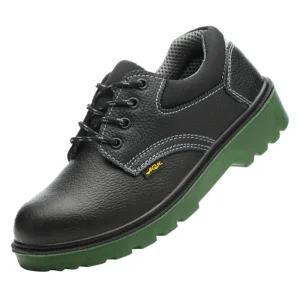
| Civil Infrastructure & Commercial High-Rise | Falls from height, swinging structural loads, heavy equipment runovers, puncturing rebar. | EN ISO 20471 Class 3 Hi-Vis Parkas, CE EN 361 Fall Arrest Systems with Shock Absorbers, Kevlar Midsole Anti-Puncture Footwear. | CE EN 361, EN ISO 20471, ANSI/ISEA 107, EN ISO 20345 S3 |
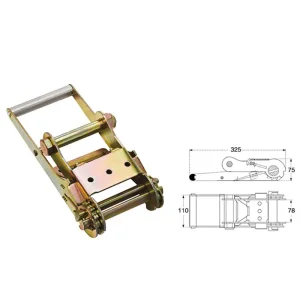
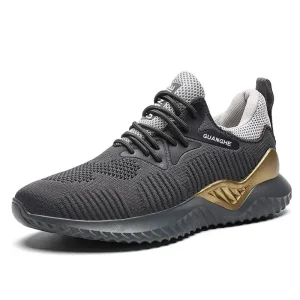
| Heavy Logistics, Cargo & Warehousing | Cargo shift, load crush risks, continuous foot fatigue, thermal variations in intermodal terminals. | Ergonomic lightweight athletic safety shoes, High-tenacity polyester cargo tie-down lashings (EN 12195-2), Tear-resistant ripstop coveralls. | EN 12195-2, WSTDA-T-1, EN ISO 20345 (SRC Slip Resistance) |
| Renewable Energy & Telecom Towers | Long-duration suspension, high wind gusts, sharp structural edges, electrical induction. | Dual-lanyard tower climber harnesses with lumbar support pads, dielectric rescue slings, abrasion-resistant windbreaker work suits. | CE EN 358, CE EN 361, EN 813, OSHA 1926 Subpart M |
A roadmap for supply chain directors to ensure consistent performance from quotation through container consolidation.
Always demand independent laboratory certificates verifying virgin polymer purity. In industrial webbing and garment sewing threads, recycled or downgraded polymer mixtures degrade breaking strength and exhibit accelerated UV weathering breakdown when deployed in tropical or desert ports.
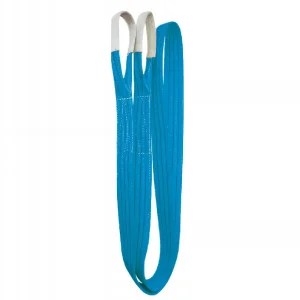
A frequent error in procurement orders is the conflation of Working Load Limit (WLL) and Breaking Strength. For lifting slings, a 7:1 safety factor (EN 1492-1) is mandatory; cargo tie-downs operate on a 2:1 or 3:1 ratio (EN 12195-2). ZhongQi integrates multi-language heat-sealed compliance markers to safeguard end-user safety.
Optimize procurement cash flow and freight efficiency by aggregating diverse lines—high-visibility jackets, cut-resistant gloves, safety footwear, and ratchet lashings—into unified 40HQ containers direct from our Tianjin industrial base, avoiding multiple consolidation hub handlings.
Direct responses from our engineering and export departments addressing standard compliance, manufacturing thresholds, and delivery timelines.
Our full-body harnesses are rigorously tested and certified to CE EN 361. Webbing slings comply fully with EN 1492-1 specifications (7:1 safety design factor), cargo tie-downs adhere to EN 12195-2 and WSTDA standards, and our protective work footwear matches EN ISO 20345 (SB, S1P, S2, S3 classes) and ASTM F2413 standards. Factory test inspection reports (MTC) accompany every production lot.
With over 15 years of dedicated OEM/ODM manufacturing, our engineering department customizes technical fabric grammage, Pantone color dyeing, high-visibility retro-reflective layout designs, corporate logo jacquard weaving, custom metal buckle tooling, laser-etched hardware, and barcode-ready export retail packaging.
For standardized high-visibility garments, fall arrest gear, and lashing webbing straps, our minimum order quantity begins at 500 to 1,000 units depending on product classification. Custom-dyed yarn specifications generally require 2,000 units. Standard production runs are completed within 20 to 35 working days post-sample sign-off, with expedited emergency production batches available upon review.
We implement a 4-stage Quality Control Protocol: 1) Spectrometric and tensile verification of incoming raw polyester yarn filaments and steel forged hardware; 2) In-line automated stitch tension and stitch density checks; 3) Finished lot destructive break-load testing; 4) Pre-shipment AQL 2.5 visual, dimensional, and packaging inspections.
Yes. Our Tianjin warehouse coordinates mixed-category loading. Importers frequently combine protective work footwear, PVC oilfield boots, high-visibility outerwear, fall protection harnesses, and cargo control straps in single FCL shipments, reducing overall port handling charges and lowering landing inventory costs.
Continuous quality monitoring applied across advanced personal protective equipment and load control webbing belts.