Direct supply solutions adhering to stringent ISO/CE load-control protocols and CE EN361 safety benchmarks for tier-one global logistics and construction operations.
Analyzing modern supply chain dynamics, liability mitigation, and automated cargo restraint integration across Fortune 500 logistics hubs and port infrastructure.
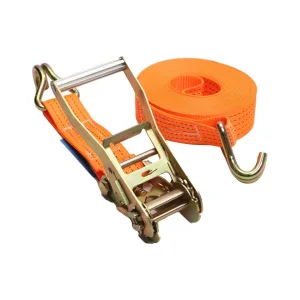
Global logistics corridors demand high-tenacity strapping engineered to counteract sudden transverse acceleration. Standard commercial tie-downs lack elongation stability under temperature swings, causing catastrophic shifting in intermodal shipping containers.
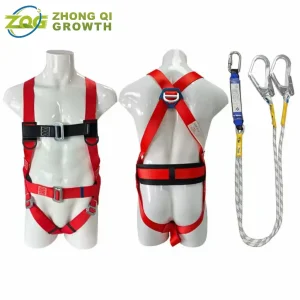
Fall protection programs across EU, APAC, and North American infrastructure projects are mandated to deploy ergonomic five-point harnesses featuring instantaneous dorsal deceleration loops that dissipate impact force under 6kN on full arrest.
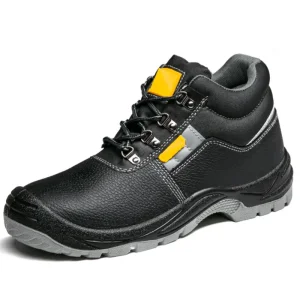
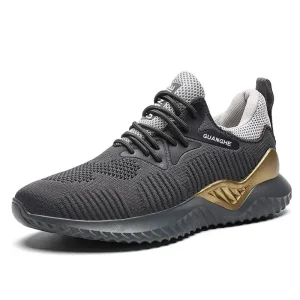
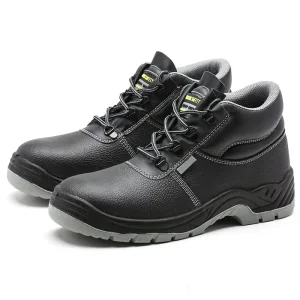
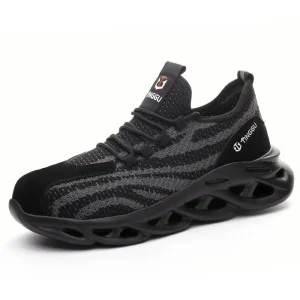
Energy installations, wet-chemical operations, and automated logistics require multifunctional footwear combining Kevlar puncture-resistant midsoles with high-traction electrostatic dissipating outsoles (ESD) rated to EN ISO 20345:2022.
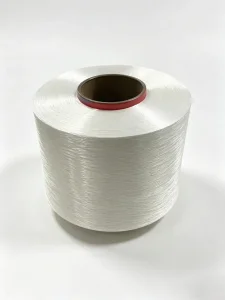
In-depth structural breakdown of 210D AA Grade High-Tenacity Polyester Yarn versus conventional synthetic nylon and commercial grade polymers.
At Tianjin ZhongQi Growth Technology Co., Ltd., we utilize advanced continuous-filament industrial polymeric spinning. Our in-house research facilities synthesize 210D AA Grade Polyester Industrial Yarn characterized by a minimum tensile strength of 8.5 cN/dtex and superior elastic recovery profiles. When exposed to prolonged ultraviolet radiation (UV-A / UV-B spectrums) and aggressive chemical washes, standard nylon polymers exhibit significant hydrolytic degradation, shedding up to 35% of their ultimate tensile capacity within 12 months. In contrast, our treated polyester polymers maintain over 92% residual tensile capability under identical accelerated weathering protocols.
| Performance Characteristic | ZhongQi 210D AA Polyester | Standard Commercial Nylon 6,6 | Standard Polypropylene (PP) |
|---|---|---|---|
| Tensile Tenacity (cN/dtex) | 8.2 - 9.1 | 6.8 - 7.5 | 4.2 - 5.5 |
| Elongation at Working Load Limit | < 4.0% (Precise Control) | 8.0% - 14.0% (High Creep) | 6.0% - 10.0% |
| UV Degradation Resistance | Superior (Residual Strength > 90%) | Moderate (Degrades under UV-A) | Poor (Rapid Photo-Oxidation) |
| Acid & Hydrocarbon Resistance | Immune to common mineral acids | Vulnerable to mineral acid erosion | Resistant to acids, weak to oils |
| Moisture Absorption Ratio | 0.4% (Hydrophobic) | 4.5% (Weakens when saturated) | < 0.1% |
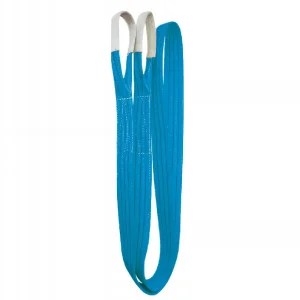
Every batch of webbing slings and cargo control belts synthesized from our production lines is subject to full-cycle destructive load validation. Using computerized 300-ton horizontal tensile dynamometers, our technicians map stress-strain hysteretic curves to guarantee safety factor conformities ranging from 5:1 (Cargo Lashing EN 12195-2) to 7:1 (Lifting Slings EN 1492-1). These strict engineering tolerances prevent unexpected elastic snap-back failures during marine terminal handling and construction hoisting operations.
Forward-looking engineering frameworks integrating digital asset management, sensor arrays, and sustainable polymer chemistry into daily operations.
Integration of ultra-high frequency (UHF) RFID encapsulation chips directly within the structural core of lifting slings and safety harnesses. Site safety officers can execute instantaneous automated inspection logging via mobile devices, tracking cumulative load cycles and expiration dates without manual visual tag hunting.
Investing in low-carbon polycondensed yarns derived from post-consumer recycled PET bottles while retaining an unyielding tensile profile. These circular-economy products assist global EPC contractors in fulfilling demanding ESG compliance protocols without sacrificing working load limits.
Patented bi-component micro-fibers engineered to undergo visible chromatic transformation when exposed to extreme acidic saturation, excessive frictional abrading, or dangerous structural strain thresholds, warning riggers before micro-tears cascade into macro failures.
Strategic geographic location advantages coupled with rigorous export compliance documentation for turnkey international supply continuity.
Situated in Shuangjie Trusted Industrial Park, Beichen District, Tianjin, our factory sits adjacent to North China’s largest maritime hub. Rapid inland transit minimizes container lead times, facilitates mixed-consignment packing, and lowers total cost of ownership (TCO).
All safety harness iterations, ratchet tie-downs, and lifting slings conform strictly to target market criteria: CE EN 361 (Height Arrest), EN 1492-1 (Lifting), EN 12195-2 (Lashing), ANSI/ASSE Z359.11, and WSTDA North American specifications.
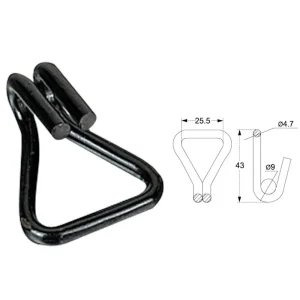
Complete customization services spanning yarn dyeing to company Pantone matching, woven company branding on webbing ribbons, laser-etched ratchet hardware, and region-compliant barcode labeling with localized language instruction sets.
From pre-production optical microscopy of filament spinning to real-time stitch-density automation and destructive pre-shipment salt-spray testing on metal fittings, our 60% dedicated R&D/QC force ensures flawless reliability.
Engineered to deliver high physical performance, impact mitigation, and heavy cargo stabilization under continuous operating loads.
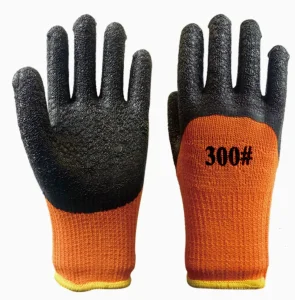
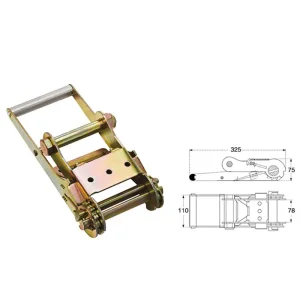
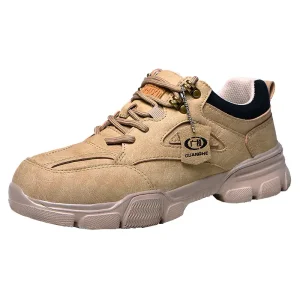
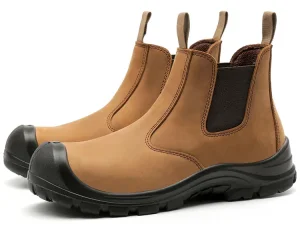
Comprehensive engineering clarifications regarding international certification, cargo securement standards, and container packing optimization.
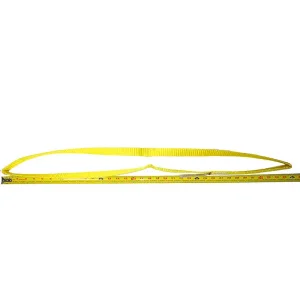
Our 210D AA Grade continuous filament yarn is produced under tightly controlled melt-spinning parameters, providing an average tenacity of ≥8.5 cN/dtex compared to 6.5–7.0 cN/dtex in generic offerings. This permits thinner, lighter webbings that achieve full breaking strength requirements (up to 5,000kg for 50mm straps and 50t for endless slings) while maintaining low working elongation (<4%), crucial for load stability.
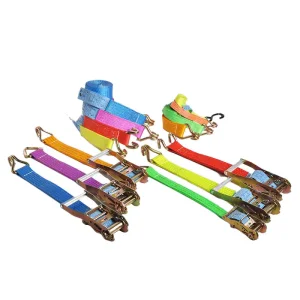
International safety standards strictly separate overhead lifting from lateral load restraint. Under EN 1492-1, all synthetic lifting slings require a minimum safety factor of 7:1 (a sling rated for 1,000 kg WLL must withstand 7,000 kg breaking force). Conversely, cargo lashing systems (EN 12195-2 / WSTDA) operate on a 2:1 or 3:1 safety coefficient relative to Lashing Capacity (LC). We manufacture each product strictly labeled to its exact statutory requirement to prevent dangerous cross-use.
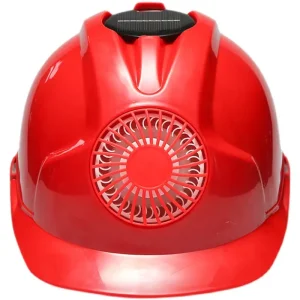
Yes. Our integrated factory hub in Beichen District, Tianjin, manages centralized container stuffing. Importers frequently combine full body safety harnesses, high-tonnage polyester webbing slings, ratchet tie-downs, ABS safety helmets, and steel-toe work shoes within a single 20GP or 40HQ container. This consolidation significantly cuts per-unit maritime logistics costs and eliminates fragmented clearance charges.
Every industrial delivery includes full Mill Test Certificates (MTC), lot-specific tensile breakdown reports, CE Declaration of Conformity documents (EN 361, EN 1492-1, EN 12195-2), and factory ISO 9001:2015 audit certificates. On request, we provide third-party laboratory verification (SGS / TÜV Rheinland) along with standardized material safety data sheets (MSDS).
