What Are the Top Cargo Straps for Global Buyers in 2026?

Time:2026-10-27 Author:Charlotte
0%

Global trade is moving through tighter schedules, heavier compliance expectations, and increasingly varied transport conditions. UNCTAD’s Review of Maritime Transport 2024 confirms that more than 80% of world trade by volume travels by sea. That statistic matters. A pallet may face ocean vibration, port handling, road braking, and warehouse transfers before delivery.

For global buyers, Cargo Straps are not simple accessories. They are load-control equipment. The right choice depends on breaking strength, working load limit, webbing width, elongation, fittings, and exposure to moisture or ultraviolet light. The World Bank’s Logistics Performance Index 2023 also shows how strongly reliability and shipment quality influence supply-chain performance. A strap that performs well in a dry warehouse may fail earlier on an open trailer or near saltwater.

Look for evidence.

This guide compares ratchet straps, lashing systems, and specialized webbing used across international freight operations. It considers recognized requirements, including EN 12195-2, alongside manufacturer test data and real handling experience. Buyers should verify whether stated capacities refer to breaking strength or working load limit. Those terms are not interchangeable. Small label differences can create expensive misunderstandings.

There is no universal winner. That is the uncomfortable part. A low-cost strap may appear efficient until damaged edges, poor tensioning, or incompatible hooks reduce its practical value. We will examine durability, inspection needs, operator safety, and total ownership cost. Some conclusions may challenge common purchasing habits, because the cheapest quote is rarely the complete answer.
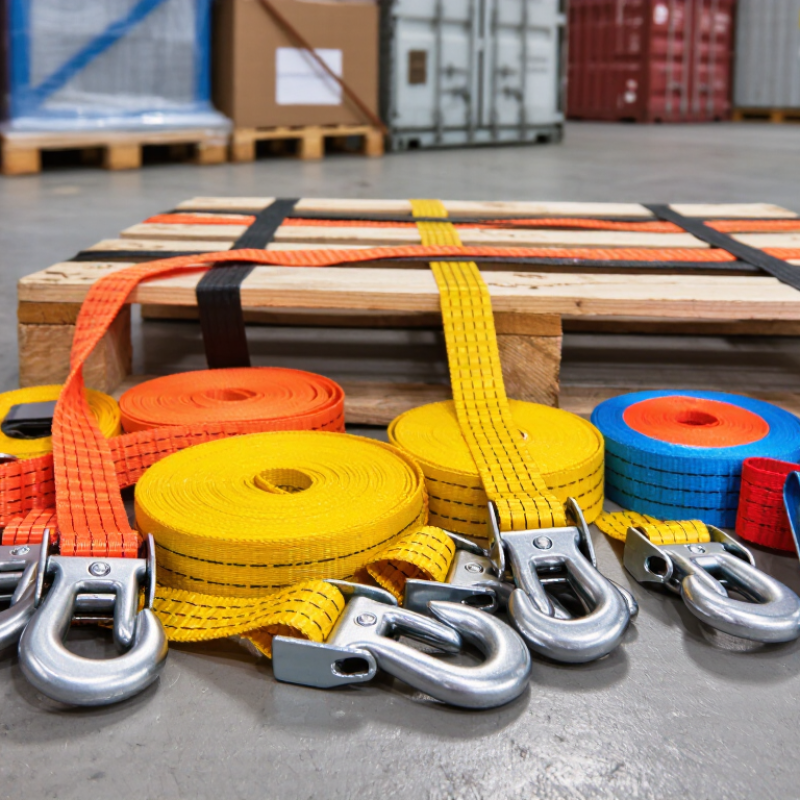
What Are the Top Cargo Straps for Global Buyers in 2026?

Cargo Strap Basics: Types, Materials, and Core Functions

Cargo Strap Basics: Types, Materials, and Core Functions

Cargo straps secure pallets, machinery, cartons, and irregular loads during transport. Ratchet straps provide strong tension through a winding mechanism. Cam buckle straps work faster for lighter cargo. Endless loop straps can bundle goods without hooks. Each type solves a different handling problem.

Polyester is widely used because it resists stretching, moisture, and sunlight. Nylon offers greater elasticity, which can absorb sudden movement. However, that flexibility may reduce load stability. Webbing width, stitching quality, hooks, and rated capacity also matter. A strap is only reliable when every component matches the intended load.

Tips: Check the working load limit, not only the breaking strength. Inspect cuts, melted fibers, rust, and damaged stitching before use. Keep straps away from sharp edges or add protective sleeves. Documentation should identify materials, testing methods, and traceable production details. Requirements can vary between markets, so buyers should confirm current transport and safety rules. In practical warehouse checks, small stitching defects often receive too little attention. That is a mistake. No strap choice is perfect. A stronger strap may still fail if workers tension it incorrectly or store it in direct sunlight. Regular training and inspection remain essential.

How to Match Cargo Straps With Different Load Requirements

What Are the Top Cargo Straps for Global Buyers in 2026?

Matching cargo straps to the load matters more than choosing the thickest webbing. Start with the cargo weight, shape, surface, and expected movement. Heavy machinery may require high-capacity polyester straps with reinforced stitching. Lightweight cartons need gentler restraint, not excessive tension. A strap can damage fragile packaging when tightened too aggressively. Check the working load limit, lashing capacity, strap length, and anchor-point strength together. These figures should support the entire restraint system.

Tips: Use edge protectors on sharp corners. Keep straps flat and untwisted. Inspect stitching, hooks, and webbing before every use. Replace straps with cuts, melted fibers, faded sections, or distorted hardware. Shorter straps often reduce loose tails and unwanted movement. Leave room for safe tensioning.

Environmental conditions also change the correct choice. Polyester performs well in wet transport, but prolonged sunlight can weaken exposed fibers. Abrasive steel surfaces need protective sleeves.

Round or unstable loads may need several straps placed at different angles. A wider strap is not automatically safer. Poor anchor positioning can still allow sliding.

One practical mistake is relying on the printed capacity without checking the load’s center of gravity. That shortcut looks efficient, but it can fail during braking or rough handling. Recheck the setup after the first movement. Small adjustments often prevent larger problems.

Key Safety Standards for International Cargo Strap Buyers

What Are the Top Cargo Straps for Global Buyers in 2026?

For international cargo strap buyers, safety begins with verified working load limits, not attractive packaging. A strap’s minimum breaking force is not its permitted working load. Buyers should check the working load limit, standard lashing capacity, and standard tension force separately. In European markets, EN 12195-2 is a useful reference for textile lashings. Other destinations may require additional national transport rules.

Reliable straps use high-strength polyester webbing, reinforced stitching, corrosion-resistant fittings, and clear permanent labels. Each label should show the manufacturer, length, material, lashing capacity, standard tension force, and production traceability. Batch certificates and test reports add confidence, but paperwork cannot replace physical inspection. A convincing certificate may still describe a different product.

Abrasion is often underestimated. A sharp pallet edge can damage webbing during one journey, especially when vibration keeps the strap moving. Use edge protectors, inspect hooks and buckles, and remove straps with cuts, melted fibers, heavy fading, or distorted fittings. Store them dry and away from chemicals or direct sunlight. The best cargo strap is not always the strongest one. It must match the load, anchorage points, transport method, and local requirements. Some buyers focus heavily on breaking strength and overlook poor handling practices. That choice deserves a second look.

Comparing Durability, Adjustability, and Weather Resistance

What Are the Top Cargo Straps for Global Buyers in 2026?
Comparing Durability, Adjustability, and Weather Resistance

Durability begins with webbing density, stitching quality, and buckle strength. In practical load checks, tightly woven polyester usually resists abrasion better than loose, thin fabric. Reinforced stitching matters near hooks and tension points. That area fails first. Buyers should inspect folded seams, edge binding, and visible thread damage. A strap can look strong while hiding uneven stitching. This is where product samples deserve careful handling.

Adjustability affects both safety and daily efficiency. Long straps suit mixed cargo sizes, but excessive loose webbing can flap during transport. Cam buckles allow quick tension changes, while ratchet mechanisms provide firmer control for heavier loads. The release handle should move smoothly without forcing the operator’s wrist. Clear length markings can help warehouse teams work faster. Still, no adjustment system fits every shipment. I would test it with gloves and limited visibility.

Weather resistance becomes critical across humid ports, dry storage yards, and freezing roads. Polyester generally absorbs little water and maintains useful strength after repeated damp exposure. UV-resistant treatment can slow fading and surface weakening, but it is not permanent. Salt, mud, and cleaning chemicals may still shorten service life. Rinse straps with clean water and dry them fully before storage. Small color changes are easy to dismiss. They may signal deeper material aging. Check the label.

Top Cargo Strap Types for Global Buyers in 2026

The comparison uses a 0–100 performance index based on commonly reported properties of polyester, nylon, and polypropylene webbing, including abrasion tolerance, adjustment practicality, moisture and UV resistance, and typical load-handling capability. Polyester generally offers the best balance for international freight because it has low stretch and strong resistance to moisture and sunlight. Nylon provides high strength but absorbs more moisture, while polypropylene is lightweight and economical but typically offers lower abrasion and UV performance. Final selection should be verified against the applicable working load limit and EN 12195-2 or equivalent local requirements.

How to Evaluate Suppliers, Costs, and Global Delivery Options

For global buyers in 2026, the best cargo strap is not always the cheapest one.

Ratchet tie-downs suit pallets and machinery, while winch straps work better with commercial trailer systems. They are not interchangeable. A supplier should provide lashing capacity, breaking strength, webbing width, elongation, and hook specifications. Check compliance with EN 12195-2 or the destination market’s equivalent requirements. Request recent batch-test reports, not only factory photographs. Stitching, edge protection, and corrosion resistance deserve close inspection. Small defects can become serious failures during ocean transport.

Cost evaluation should include the landed price, inspection fees, packaging, insurance, duties, and delivery charges. UNCTAD’s Review of Maritime Transport reports that more than 80% of world merchandise trade by volume moves by sea. Route disruption can therefore affect both delivery time and strap availability. Ask suppliers for quotations under several Incoterms and confirm whether pricing includes export documentation. A low unit price may conceal expensive delays. Sometimes the cheapest offer is poorly calculated.

Delivery reliability also depends on the supplier’s production capacity and location. The World Bank’s 2023 Logistics Performance Index assessed 139 economies across customs, infrastructure, and shipment timeliness. Use those indicators as context, but do not treat them as a supplier guarantee. Require a production schedule, carton dimensions, pallet count, and a realistic buffer for port congestion. One weakness in my own evaluation approach is trusting promised lead times too quickly. A pre-shipment inspection and a small trial order provide stronger evidence than confident sales language.

FAQS

What should international buyers check before choosing a cargo strap?

Check the working load limit, lashing capacity, and standard tension force separately. Breaking strength alone is not enough. Match the strap to the cargo, anchor points, and transport method.

Which materials and features suggest a reliable cargo strap?

Look for high-strength polyester webbing, reinforced stitching, and corrosion-resistant fittings. Permanent labels should show length, material, capacity, tension force, and production traceability. Small stitching defects matter.

What information should appear on the strap label?

The label should identify the manufacturer, material, length, lashing capacity, and standard tension force. It should also include traceable production details. Missing information deserves caution.

Are certificates and test reports enough to confirm quality?

No. Request recent batch-test reports and compare them with the actual product. A certificate may describe a different batch or model. Physical inspection still matters.

How can buyers prevent abrasion during transport?

Place edge protectors between the webbing and sharp pallet corners. Vibration can make one edge act like a blade. Inspect hooks, buckles, and stitching before loading.

When should a cargo strap be removed from service?

Remove straps with cuts, melted fibers, heavy fading, or distorted fittings. Do not keep a damaged strap for “one more trip.” That judgment can be wrong.

How should buyers compare ratchet tie-downs and winch straps?

Ratchet tie-downs suit pallets and machinery. Winch straps fit commercial trailer systems more closely. They are not interchangeable, even when their webbing looks similar.

What costs should be included in a global purchase estimate?

Include the unit price, inspection fees, packaging, insurance, duties, and delivery charges. Also confirm export documents and shipping terms. The cheapest quotation may hide costly delays.

How can buyers reduce delivery risks?

Ask for a production schedule, carton dimensions, pallet quantity, and port-delay buffer. Start with a small trial order and pre-shipment inspection. Promised lead times can be too optimistic.

Conclusion

Choosing the right Cargo Straps is essential for securing goods during domestic and international transportation. This guide explains the main types, materials, and functions of cargo straps, including options designed for light, medium, and heavy loads. It also shows how to match strap width, length, strength, and fastening systems with different cargo shapes and weights. Buyers will learn why working load limits, breaking strength, labeling, and inspection procedures matter when selecting products for international shipping.

The article also compares durability, adjustability, and resistance to sunlight, moisture, abrasion, and changing weather conditions. In addition, it offers practical guidance for evaluating suppliers, reviewing product quality, comparing total costs, and planning global delivery. By considering certification documents, manufacturing consistency, packaging, lead times, and after-sales communication, buyers can make safer and more cost-effective purchasing decisions for their specific logistics needs.


Charlotte

Charlotte

Charlotte is a seasoned marketing professional with a deep understanding of the company's portfolio and a passion for elevating its presence in the market. With a keen eye for detail and a commitment to excellence, she ensures that our professional blog is regularly updated with insightful articles......