Choosing the right straps and ratchets starts with the load, not the color or price. A motorcycle, a stack of lumber, and a pallet each need different restraint features. Webbing width, working load limit, hook style, and ratchet size all matter. So does the condition of the equipment. Frayed edges, bent hooks, or a sticky ratchet deserve attention before a trip begins.
This guide compares common types of Straps And Ratchets, including cam buckle straps, ratchet tie-downs, axle straps, and soft loops. Each serves a different purpose. Cam buckles allow quick adjustments for lighter loads, while ratchets provide greater tension for many heavier applications. That does not make one type universally safer. Fit and correct use are essential. A strap that looks strong may still be unsuitable for a particular load.
An expert quotation should be verifiable, so this introduction does not invent one. For a publishable expert comment, request a statement from a named cargo-securement professional and confirm their credentials. The practical principle is simple: “Match the restraint to the load, and inspect it before every use.” Treat that sentence as editorial guidance, not a sourced quotation. Real equipment also has limits, and this overview cannot replace manufacturer instructions. Small details matter. A careful choice can make loading more predictable, though no strap removes every risk.
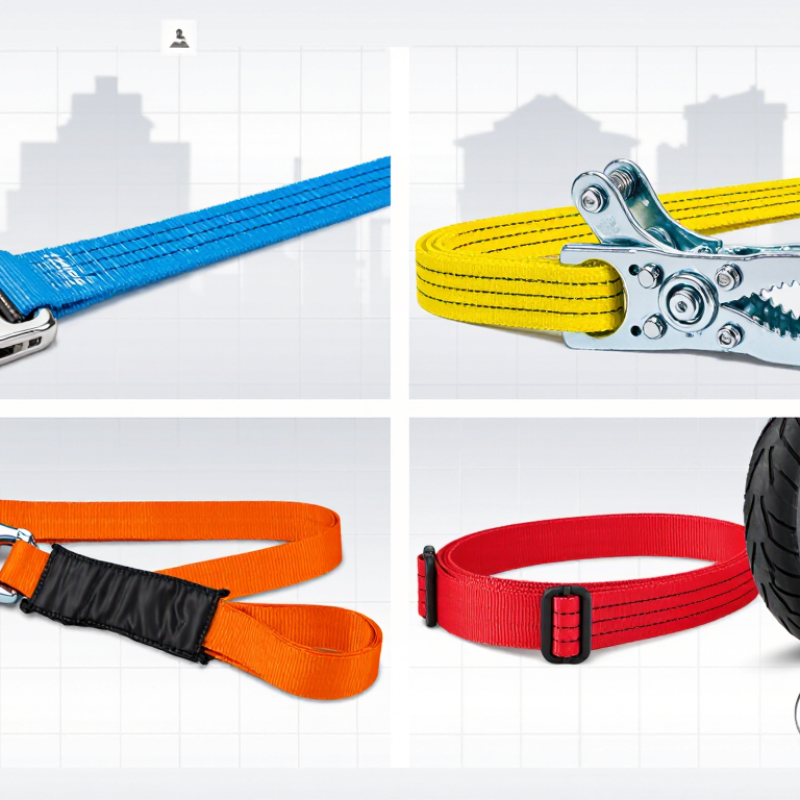
A strap carries the restraint; a ratchet creates and maintains tension. Together, they help limit shifting, sliding, and tipping during transport. With a ratchet tie-down, the webbing passes through the mechanism, then the handle winds it tight. The strap’s working load limit (WLL), not its breaking strength, is the useful rating for planning. The Web Sling and Tie Down Association’s technical guidance distinguishes these ratings. That distinction matters.
FMCSA cargo-securement guidance sets a practical benchmark: the combined WLL of tie-downs securing an article must be at least half the article’s weight. For a 1,000-pound load, that means at least 500 pounds of combined WLL. This is a minimum, not a reason to ignore load shape, contact points, or movement forces. Use enough straps, place them to resist the direction of travel, and protect webbing where it crosses sharp edges. A strap can look tight and still be poorly positioned. I would check the ratchet, stitching, and anchor points again after the first short stretch; vibration can loosen a setup that looked fine in the yard.
Polyester webbing is a dependable choice for many tie-down jobs because it stretches very little and resists moisture well. That helps keep cargo steady when a vehicle turns or brakes. Nylon webbing is more elastic, which can soften sudden jolts, but its stretch may allow a load to shift. Polypropylene is lightweight and often used for lighter-duty applications; heat and abrasion can shorten its service life.
Material is only half the decision. Ratchet straps use a geared handle to tighten webbing firmly, making them useful for heavier or bulky loads. Cam-buckle straps tighten by pulling the webbing through a buckle, so they are easier to adjust but usually offer less tension. Endless-loop designs wrap around an item without separate hooks. Hook-ended versions connect to suitable anchor points. Small detail, big difference.
Match the strap’s rated capacity to the load and the anchor points, not just to the vehicle. A sharp metal edge can cut webbing, so add edge protection where contact occurs. Check for fraying, damaged stitching, bent hardware, or a buckle that slips. A strap can look fine at a glance and still be compromised. Choosing the highest rating alone is a common mistake; fit, condition, and secure attachment matter too.
Approximate elongation-at-break ranges for fibers commonly used in webbing. Lower stretch can help a load stay more stable under tension.
These are broad, indicative fiber ranges—not working load limits for finished straps. Actual performance depends on webbing construction, strap condition, hardware, and tie-down design. Ratchet and cam-buckle straps describe tensioning mechanisms, not materials.
Ratchet straps are not all tightened in the same way. A standard ratchet buckle uses a handle, pawl, and toothed gear to wind webbing around a spindle. Each handle stroke advances the gear and takes up slack in small increments. This gives controlled tension, but the leverage can make overtightening easy. Small steps matter.
A cam-buckle strap works differently: pulling the loose webbing through a spring-loaded cam clamps it in place. It does not wind material onto a spool, so adjustment is quick and tension is easier to limit by hand. This can suit items that may be damaged by excess pressure. A cam buckle is not a ratchet, though both are used with tie-down straps. That distinction is easy to miss.
Winch straps use a lever and drum, often mounted to a trailer or another anchor point. The lever turns the drum to draw in webbing, while the fixed mounting can make tensioning practical for larger loads. Check the working-load information and inspect the buckle and webbing for cuts or heat damage. Protect webbing from sharp edges. Mechanism choice is only part of the decision; anchor placement matters, too. Estimating tension by feel alone can be unreliable, and that is worth reconsidering when a load may shift.
Matching a strap to the load starts with its shape, weight, and contact points. For a pallet of boxed goods, a wide polyester ratchet strap spreads pressure across the top and holds the stack firmly. Check the strap’s working load limit, not just its breaking strength. Keep the webbing flat. Twists can weaken the hold and mark soft packaging.
Cam-buckle straps suit lighter cargo, such as folded tables or small equipment that could be crushed by heavy ratchet tension. They allow quick adjustment, but they provide less tightening force. For heavy machinery with approved tie-down points, use rated chains and compatible binders when the load and handling plan call for them. The hardware must match the anchor points. It is easy to overlook that detail.
A load with sharp corners needs edge protectors; otherwise, even strong webbing can be cut during a bumpy trip. Secure cargo against forward, sideways, and backward movement, and follow the strap maker’s instructions and applicable transport requirements. A strap is for securing cargo, not lifting it. Recheck tension after the first short stretch of travel, especially if the load settles. Small shifts matter. Inspect straps for fraying, damaged stitching, or bent fittings before reuse; replacing a questionable strap is sometimes the less convenient, but wiser, choice.
Ratchet straps, cam-buckle straps, and winch straps suit different tasks, but safe use starts with the rating, not the hardware’s appearance. Check the working load limit (WLL) on the tag. Never treat breaking strength as usable capacity. The restraint system is only as strong as its lowest-rated strap, fitting, anchor point, or connection. Small detail. If cargo shape or tie-down angle changes, available restraint can change too. Follow the strap maker’s instructions and applicable load-securing guidance.
Before each use, inspect the full length of the webbing and every metal component. Look for cuts, frayed edges, pulled stitching, melted or glazed fibers, chemical damage, bent hooks, cracked ratchet parts, and unreadable labels. Run the webbing through your hands; a small nick can hide near a fold. If damage or the rating is uncertain, remove the strap from service rather than guessing. That can feel overly cautious until a load shifts.
Choose anchor points that can handle the expected force, and protect webbing from sharp edges with suitable edge guards. Tighten the strap enough to prevent movement, but avoid crushing fragile cargo or forcing the ratchet closed. After the vehicle has traveled a short distance, stop safely and check tension and cargo position. A familiar strap can inspire too much confidence. It still needs inspection.
| Type | Typical Use | Load Rating Guidance | Inspection Points | Safe Operating Practices |
|---|---|---|---|---|
| Polyester webbing ratchet tie-down | Securing general cargo, equipment, and furniture on trucks or trailers. | There is no universal rating for a strap type. Use the working load limit (WLL) shown on the strap’s label; width alone does not establish capacity. | Check for cuts, fraying, pulled stitching, melted or chemically damaged fibers, unreadable labels, and bent or cracked hardware. | Keep webbing flat and untwisted. Protect it from sharp edges, use compatible anchor points, and do not use a tie-down for lifting. |
| Cam buckle strap | Light-duty cargo, kayaks, and loads that need controlled tension without a ratchet mechanism. | Check the product label for its WLL. Do not assume it has the same capacity as a ratchet strap of similar width. | Inspect webbing, stitching, buckle teeth, release mechanism, and the label. Confirm the buckle grips the webbing securely. | Pull the webbing snug by hand and engage the buckle fully. Avoid excessive force, which can damage cargo or the strap. |
| Winch strap | Securing cargo on flatbed trailers using a compatible winch and anchor system. | Use the WLL marked on the strap and verify that the winch, fittings, and anchor points are also suitable for the load. | Look for edge cuts, abrasion, damaged stitching, heat or chemical damage, and worn or distorted end fittings. | Align the strap with the winch and load. Use edge protection where needed, and keep hands clear while tensioning. |
| Chain tie-down with ratchet binder | Heavy-duty restraint of machinery, steel, and other cargo approved for chain securement. | Use the WLL marked on the chain assembly and binder. The rating is limited by the weakest compatible component in the system. | Check for stretched, cracked, bent, or severely worn links; damaged hooks; and binder cracks, deformation, or faulty operation. | Use the correct chain grade and fittings. Secure the binder handle against release, and never extend the handle with a pipe or other tool. |
| Ratchet buckle and strap assembly | Provides mechanical tensioning for cargo tie-downs; assemblies are available in different lengths and configurations. | Read the assembly label and follow its stated WLL. Do not calculate a rating from the ratchet or webbing alone. | Test the ratchet for smooth operation and secure locking. Check the axle, handle, frame, hooks, and webbing for damage. | Thread the webbing as directed by the manufacturer, take up slack before ratcheting, and release tension in a controlled manner. |
| Endless (loop) webbing tie-down | Wrapping around cargo or securing items where a sewn loop configuration is appropriate. | Use only the WLL identified for the complete assembly and its intended configuration. Do not treat a loop rating as a lifting rating. | Inspect the full length of the webbing and sewn areas for cuts, abrasion, pulled stitches, contamination, or illegible identification. | Do not knot, twist, or pinch the webbing. Prevent contact with sharp or hot surfaces and use suitable edge protection. |
| All tie-down systems | Restraint of cargo during transport. | Base capacity decisions on legible WLL labels and applicable regulations. In the United States, FMCSA rules generally require aggregate WLL of the tiedowns to be at least one-half the cargo weight; requirements depend on the cargo and securement method. | Inspect before each use and remove damaged or unidentified equipment from service. Follow the manufacturer’s inspection and retirement instructions. | Secure cargo against movement in all directions, use suitable anchor points, recheck tension as appropriate, and never exceed the WLL of any component. |
| Important: WLL is the maximum load permitted for a tie-down in its rated use; it is not the breaking strength. Ratings vary by product, configuration, and jurisdiction. Follow the equipment label, manufacturer’s instructions, and applicable cargo-securement regulations. Tie-downs are for securing cargo, not for lifting suspended loads. | ||||
The strap holds the load, while the ratchet tightens and maintains tension. Together, they help limit shifting.
It is the rating to use when planning a tie-down. Do not rely on breaking strength instead.
A common minimum benchmark is half the load’s weight. For a 1,000-pound load, that means 500 pounds combined. Load shape and movement still matter.
Ratchet straps provide stronger tension for bulky or heavier cargo. Cam-buckle straps suit lighter items that could be crushed. Less force, sometimes.
Polyester stretches little and handles moisture well. Nylon stretches more, while polypropylene is lightweight but can wear faster from heat or abrasion.
Add edge protectors where webbing touches corners or metal edges. Keep the strap flat and untwisted. Small detail, big difference.
Look for fraying, damaged stitching, bent fittings, or slipping buckles. Check the anchor points too; a strong strap cannot fix a poor connection.
Yes. Recheck tension after the first short stretch, because vibration or settling can loosen the setup. I would not skip this, even when everything looked fine at departure.
No. They are designed to secure cargo, not lift it. Use appropriate equipment for lifting.
Straps And Ratchets work together to keep cargo stable by combining a flexible tie-down strap with a tensioning mechanism that helps remove slack. Straps vary by material, width, length, and construction: webbing is commonly chosen for general-purpose securing, while different designs may offer added flexibility or resistance to abrasion. Ratchets also differ in size and mechanism, from compact options for lighter tasks to longer-handled designs that provide greater leverage. Understanding these differences helps users choose a combination suited to the load’s shape, weight, and handling needs.
Safe selection starts with checking the working load limit of every component and ensuring the strap, ratchet, and anchor points are appropriate for the task. Before each use, inspect webbing for cuts, fraying, or other damage, and check the ratchet for wear or faulty movement. Position straps to prevent shifting without twisting or overtightening them, then recheck tension during transport. Replace damaged equipment and follow its operating instructions.

