
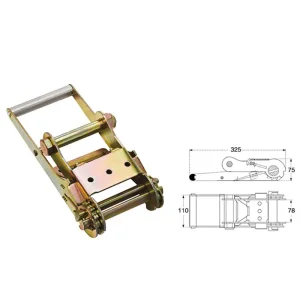
Immediate capacity allocation for wholesale procurement, OEM customized contract manufacturing, and international consolidated shipments.
Modern head safety infrastructure requires more than basic shell molding. Global EPCs, utility conglomerates, and mining groups demand quantified impact mitigation, strict ergonomic compatibility, and total regulatory traceability.
Industrial cap helmets must mitigate both perpendicular vertical impacts and complex tangential vectors. Our manufacturing leverages virgin High-Density Polyethylene (HDPE) and Acrylonitrile Butadiene Styrene (ABS) copolymer compounds engineered with micro-cellular damping structures to disperse shock loads well beyond EN 397 thresholds.
Worker fatigue directly corresponds to safety non-compliance. Our shell profiles integrate computational fluid dynamic (CFD) ventilation arrays alongside low-profile balance centers. Fitted with precision 6-point suspension ratchets, the load distribution minimizes cervical pressure over standard 12-hour operational shifts.
Modern cap safety helmets function as integrated work stations. Our standard shells include precision 30mm accessory slots, facilitating immediate mount coupling with arc-flash face shields, passive/active hearing defenders, welding visors, and elasticated headlamp attachments without compromising dielectric ratings.
Operating in Shuangjie Trusted Industrial Park, Beichen District, Tianjin, our manufacturing hub combines fully automated injection-molding infrastructure with North China's deep logistics ecosystem.
High-tonnage electric injection presses equipped with continuous thermodynamic monitoring ensure zero structural voids, uniform wall thickness, and precise mold repeatability across million-unit production runs.
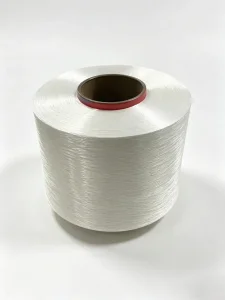
From synthetic polymer compounding to high-tensile 210D AA-grade webbing suspension weaving and drop-impact strike tower validation, total control over our production chain cuts intermediary costs.
Our immediate geographic proximity to Tianjin Xingang Port—one of the largest deep-water trade nodes globally—guarantees compressed inland transfer, agile container packing, and weekly vessel rotations.
Risk profiles diverge dramatically across operational sectors. ZhongQi designs application-specific shell geometries, internal suspensions, and surface treatments to excel under extreme conditions.
High-density urban builds demand protection against dropped fasteners and mechanical structural shocks. Our classic cap safety helmet design features a truncated front peak for unobstructed upward line-of-sight, integrated rain drainage channels, and high-visibility UV-stabilized pigment coatings.
For linemen and utility operators, our unvented Class E (electrical) helmets are injection-molded from dielectric-grade polymer melts. They undergo 20,000-volt proof testing to protect personnel from high-voltage contact and phase-to-ground flashover events.
Operating in confined, combustible environments requires antistatic shell properties and low-temperature impact resilience (-30°C). We offer customized polycarbonate/polybutylene blends resistant to corrosive hydrocarbons and acid wash-downs.
Navigating import tariffs, customs inspections, and regional safety audits requires documented conformity. Our manufacturing protocols align with worldwide head protection directives.
| Regulatory Standard | Geographic Focus | Impact Force Benchmark | Dielectric Class | Temperature Operating Range |
|---|---|---|---|---|
| EN 397:2012+A1:2012 | European Union / UK (CE / UKCA) | Max transmitted force < 5.0 kN (5kg drop) | 440V AC (Electrical Insulation) | -10°C to +50°C (Optional -30°C) |
| ANSI/ISEA Z89.1-2014 | North America / US OSHA | Max transmitted force < 3,780 N | Class G (2,200V) & Class E (20,000V) | -30°C to +49°C (LT / HT Testing) |
| AS/NZS 1801:1997 | Australia / New Zealand | Energy absorption < 5.0 kN | Type 1 (Industrial), Type 2 (High Temp) | -10°C to +50°C / Specialized UV |
| GB 2811-2019 | China National / Cross-Border EPC | Absorbed force < 4,900 N | Up to 1,200V operational protection | -20°C to +50°C standard testing |
ZhongQi is actively transitioning head safety from passive shell barriers into active, connected telemetry hubs for the connected worksite of tomorrow.
Integrating ultra-low-power tri-axial accelerometers and Bluetooth Low Energy (BLE) micro-arrays directly into the crown cavity. These modules automatically report impact incidents, lone-worker slip-and-fall events, and thermal strain spikes directly to dispatch dashboards in real-time.
Balancing rigorous worker protection with corporate ESG compliance. Our material science division is trialing closed-loop recyclable polyamides and post-consumer recycled ABS resins that cut production carbon footprints by up to 34% without compromising shell mechanical integrity.
Combatting extreme thermal stressors in desert installations and deep mines through miniature brushless impeller fans paired with phase-change sweatbands. This system lowers micro-climate helmet cavity temperatures by up to 6°C during intensive physical labor.
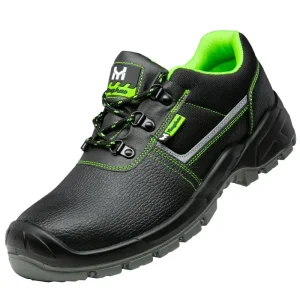
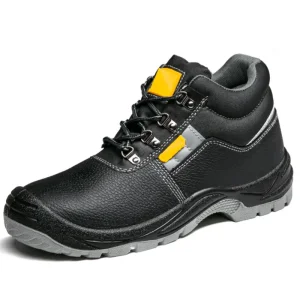
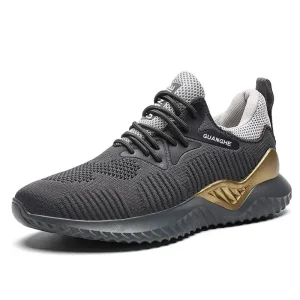
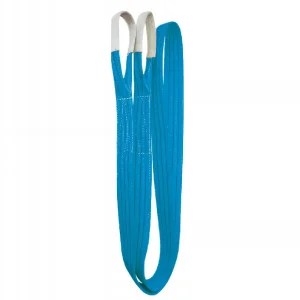
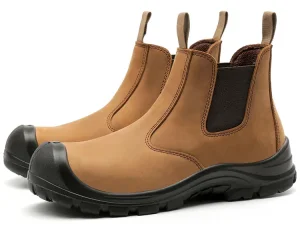
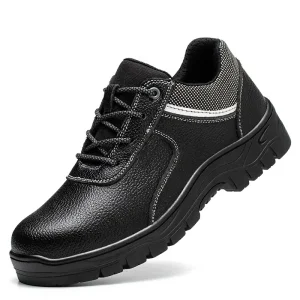
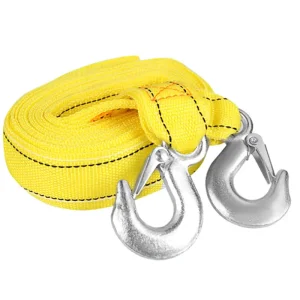
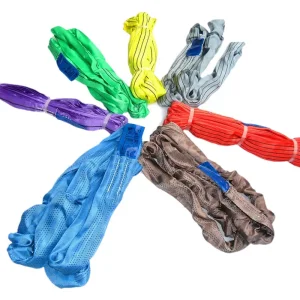
Consolidate multiple PPE and heavy-duty load securing SKU categories into single-container consignments to maximize logistics cost efficiencies.
Clear answers to critical compliance, material formulation, and export logistics questions asked by international buyers.
ABS (Acrylonitrile Butadiene Styrene) features superior surface hardness, rigid flexural strength, and superior resistance to lateral compression impacts. It also excels in sub-zero operational temperatures down to -30°C. HDPE (High-Density Polyethylene) provides a lighter, cost-effective solution with strong high-temperature performance (+50°C) and resistance to chemical splash. Both variants undergo automated strike tower validation to meet EN 397 and ANSI Z89.1 protocols.
Backed by over 15 years of OEM/ODM operations, we provide turn-key development: precision CNC steel mold tooling for proprietary shell geometry, 3D laser-printed corporate cresting, multi-color pad printing, customized high-visibility reflective striping, and tailored retail packaging. Our R&D engineering division turns prototype 3D CAD models into functional physical pilot runs within 14 working days.
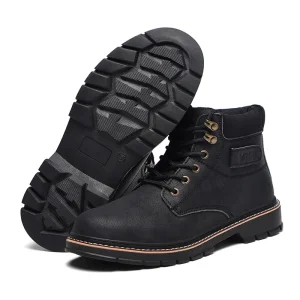
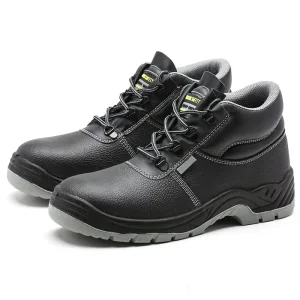
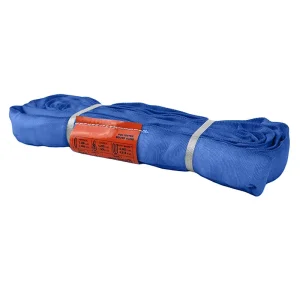
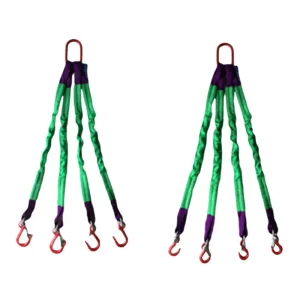
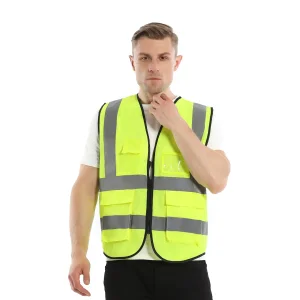
Yes. Our integrated manufacturing hub in Beichen, Tianjin, maintains dedicated staging warehouses for container consolidation. International distributors can combine cap safety helmets, CE EN 361 fall-arrest harnesses, EN 1492-1 polyester lifting slings, and ISO 20345 safety footwear within a single 20GP or 40HQ container, lowering shipping overhead and streamlining customs declarations.
Helmets featuring ventilation ports are classified strictly under Class C (Conductive), offering zero electrical protection. Our fully unvented ABS and HDPE models achieve Class G certification (proof-tested to 2,200 volts) and Class E certification (proof-tested to 20,000 volts under ANSI/ISEA Z89.1), as well as fulfilling the 440V AC electrical insulation requirement per EN 397:2012.
Every raw material batch undergoes melt-flow index and tensile yield assessments. Post-molding, randomly selected production shells are conditioned in environmental chambers (-30°C to +50°C, and water immersion) before drop tests under a guided 5.0 kg hemispherical striker. Dynamic force transducers measure deceleration curves, confirming transmitted loads remain below 5.0 kN. Retention harness anchor points are load-tested to verify chin-strap release limits between 150 N and 250 N, preventing strangulation risks while retaining protection during multi-impact events.