
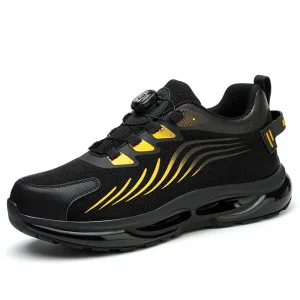
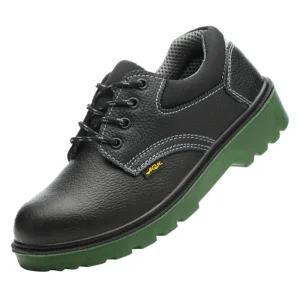
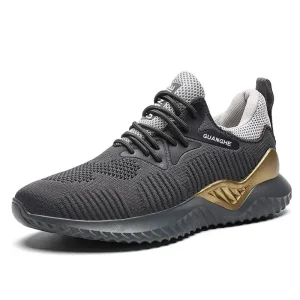
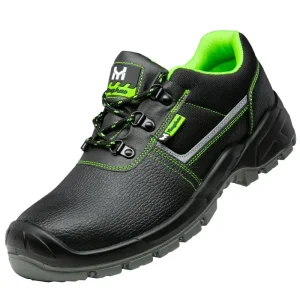
High-Quality Direct from Factory Safety Shoes Anti-Smash Anti-Puncture TPU Kevlar Manufacturer, Manufacturers
View Specifications
Integrate certified personal protective gear and cargo restraint mechanisms directly from verified factory manufacturing lines.
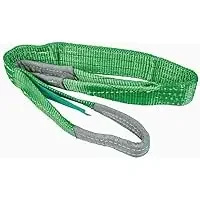
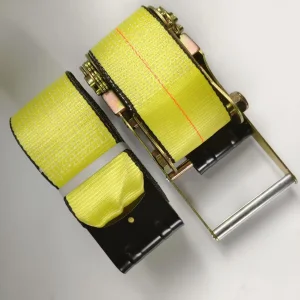
Analyzing thermal stress variables, occupational regulatory shifts, and technical procurement parameters across extreme operating environments.
Global industrial sites, particularly throughout GCC petrochemical plants, Australian open-pit mining operations, and ASEAN high-density civil infrastructures, face escalating ambient thermal thresholds. Traditional non-ventilated PPE exacerbates core cranial temperature, leading to worker fatigue, dizziness, and cognitive deficits. Implementing fan-assisted active airflow directly combats localized microclimate thermal trapping, preserving neurological acuity during intensive labor shifts.
Global regulatory bodies, including US OSHA, EU-OSHA, and Safe Work Australia, continue to enact rigorous environmental heat illness prevention standards. Active ventilation helmets must meet standard EN 397 and ANSI/ISEA Z89.1 Type I/II certifications without compromising shell integrity. Industrial procurement authorities now mandate comprehensive documentation verifying structural resilience against both horizontal impact vectors and mechanical shell penetration under continuous fan integration.
Corporate risk engineers recognize that while ventilated head systems bear higher upfront capital expenditure relative to basic passive hard hats, the return on investment manifests within single operational quarters. Significant reductions in heat exhaustion downtime, reduced hydration disruption frequencies, and marked drops in acute safety incidents justify standardized bulk fleet rollouts for tier-1 engineering and mining syndicates.
Deployment frameworks across high-hazard commercial, extraction, and utility infrastructures.
Operating in subterranean stopes or high-humidity refinery units requires intrinsically safe engineering. Our factory manufactures specialized Anti-Static (ESD) polymer configurations integrated with brushless micro-turbines. Sealed, spark-resistant drive circuits prevent volatile ignition during atmospheric gas shifts while moving over 18 CFM (cubic feet per minute) of ambient filtered airflow through internal channeling channels, mitigating sweat condensation across protective eyewear.
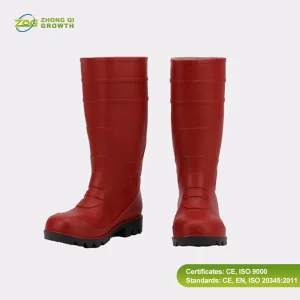
Combined with our heavy-duty steel-toe PVC footwear and fall-arrest harnesses, we deliver full-body industrial packages designed to survive extreme hydrocarbons, dynamic moisture, and mechanical abrasion.
Photovoltaic field technicians and high-voltage transmission teams endure direct, unshaded solar radiation exceeding 1000 W/m² for 8–10 continuous operational hours. ZhongQi’s active fan safety helmets implement dual-power photovoltaic hybrid routing: high-efficiency monocrystalline cells directly drive micro-fans under direct peak UV, simultaneously reserving integrated polymer lithium-ion reserves for twilight or shaded structural tasks.
Ergonomic 6-point suspension harnesses dissipate mechanical impact energy while maintaining aerodynamic clearance for smooth convective heat discharge via dorsal vent exits.
Pioneering the synthesis of smart sensor telemetry, advanced polymer science, and active kinetic cooling.
Current factory production relies on custom-blended, UV-stabilized Acrylonitrile Butadiene Styrene (ABS) and structural Polycarbonate (PC). The micro-fan module is isolated via an internal dampening sub-chassis, isolating rotational vibration from the user's skull. High-capacity, flame-retardant 18650/poly-Li battery banks undergo strict drop-testing, thermal runaway validation, and puncture-sealing.
Integrating pulse oximetry, localized skin-temperature biosensors, and exterior ambient Wet Bulb Globe Temperature (WBGT) sensors. The internal fan module leverages microcontroller-driven Pulse Width Modulation (PWM) to dynamically modulate airflow speed based on the operative’s physiological strain metrics, transmitting distress pings via LoRaWAN/Bluetooth mesh networks during imminent heat collapse.
Our Tianjin R&D laboratory is actively engineering ultra-low-profile thermoelectric cooling (TEC) modules embedded directly within the frontal brow sweatband. Paired with micro-ducted dissipation systems, this tech will achieve active cryogenic drops of up to 12°C below ambient dry-bulb conditions without adding excessive mechanical bulk to the helmet’s center of gravity.
Ensuring verifiable compliance across multi-jurisdictional legal and testing frameworks.
Procuring industrial PPE demands absolute conformity to national and international legal mandates. Modifications made to incorporate mechanical fan systems must never introduce secondary failure modes—such as battery detonation upon cranial impact or projectile hazard from motor components. Tianjin ZhongQi Growth Technology Co., Ltd. conducts comprehensive in-house destructive mechanical trials, impact-dispersion calibration, and environmental conditioning prior to dispatch.
| Standard Framework | Target Jurisdiction | Core Testing Protocols | ZhongQi Engineering Verification |
|---|---|---|---|
| EN 397:2012 + A1:2012 | European Union / International | Vertical shock absorption, penetration resistance, flame retardance, chinstrap release. | Calibrated drop-tower impact tests verify shock attenuation ≤ 5.0 kN with fan module fully seated. |
| ANSI/ISEA Z89.1-2014 | United States / North America | Type I top impact, Type II lateral force attenuation, Class C/G/E electrical insulation. | Shell retains structural non-conductivity on Class G models; zero structural perforation under plumb-bob drops. |
| AS/NZS 1801:1997 | Australia / New Zealand | High-temperature industrial performance (+50°C), UV degradation resistance. | Accelerated xenon-arc weathering testing confirms zero polymer embrittlement after 1000 operational hours. |
| IEC 62133-2 / UN 38.3 | Global Marine / Air Freight | Lithium cell thermal abuse, mechanical shock, external short circuit, vibration resilience. | All integrated battery assemblies hold certified UN 38.3 dossiers for frictionless container ocean freight. |
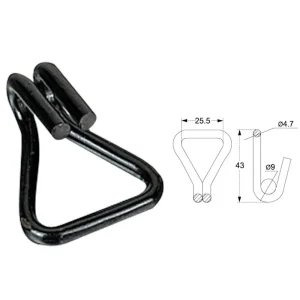
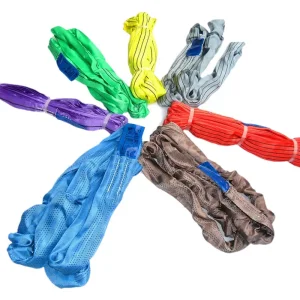
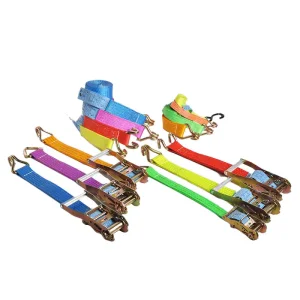
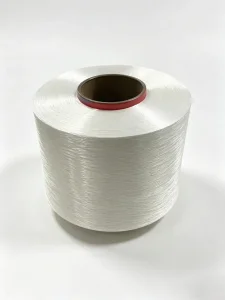
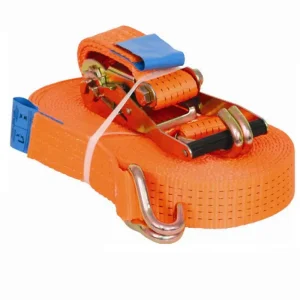
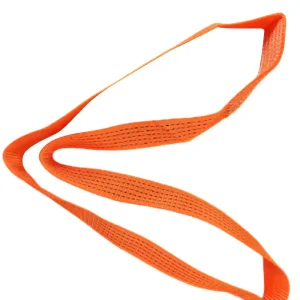
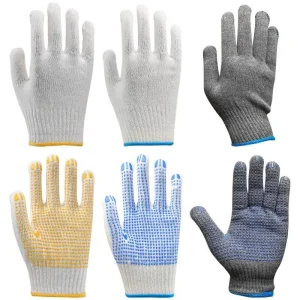
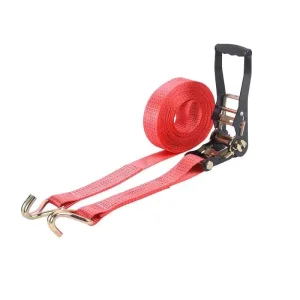
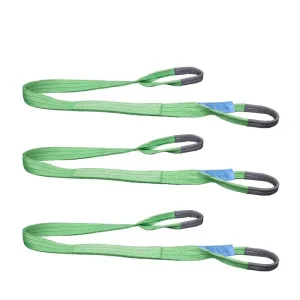
Complete container consolidation directly from our Tianjin production hub: webbing, protective shoes, and specialized tie-down equipment.
Direct technical answers regarding factory compliance, order minimums, OEM customizations, and shipment coordination.