Comprehensive Engineering Directory, Industry 4.0 Supply Framework, and Strategic Procurement Guide for Global Compliance-Grade PPE Head Systems.
Engineered to withstand rigorous multi-hazard work environments under global EN, ANSI, and ISO certifications.
An in-depth analysis of polymer metallurgy, multi-directional impact mitigation, and strict ergonomic engineering powering modern cranial PPE production.
State-of-the-art facilities leverage high-density polyethylene (HDPE), Acrylonitrile Butadiene Styrene (ABS), and carbon-fiber composite matrixes engineered to maintain peak structural integrity across thermal variances ranging from -40°C to +60°C.
Decoupled energy-dispersal harness systems utilize woven high-tenacity polyester cradle webs. Upon kinetic impact, the geometry yields elastic deformation, drastically reducing peak decelerative forces transferred to cervical vertebrae.
Unvented Class E (ANSI Z89.1) configurations are subjected to proof testing up to 20,000 volts, assuring complete electrical insulation for substation operators, power utility linemen, and critical electromechanical personnel.
Integrated injection molding machines use computational mold-flow simulations, eradicating knit-line vulnerabilities and wall thickness variations to guarantee consistent mechanical performance across high-volume production runs.
Combining automated compounding, localized raw polymer clusters, and automated quality assurance to compress delivery cycles for enterprise purchasers.
By nesting our facilities within established North China industrial centers proximate to major chemical refineries and synthetic polymer producers, our foundries eliminate upstream supply chain friction. From virgin resin compounding to masterbatch color stabilization, we maintain strict traceability on density, melt flow indexes, and batch reproducibility.
Factory 4.0 integration includes six-axis de-molding robotics, ultrasonic trimming stations, and automatic pad-printing for custom enterprise branding. In-line optical cameras instantly inspect shell perimeters and suspension slot dimensions within a tolerance of ±0.05mm, eliminating human operational error and accelerating output.
Located in Shuangjie Trusted Industrial Park, Tianjin, direct arterial transit links link our central packaging warehouses to container terminals at Tianjin Port within 90 minutes. This proximity minimizes drayage costs, guarantees scheduled container sailings, and secures rapid consolidation for mixed-PPE shipments.
Engineered to satisfy specific mechanical, thermal, and electrical safety profiles across mission-critical enterprise environments.
Engineered for high-altitude civil structural environments requiring Type I & Type II top-and-lateral impact attenuation. Compatible with integrated eye shields, high-decibel hearing protectors, and 4-point chin straps that meet EN 12492 working-at-height retention standards.
Ventless, heavy-gauge ABS and fiberglass polymer builds formulated to defy aromatic hydrocarbons, sulfuric mists, and severe petrochemical exposure. Outfitted with heavy-duty lamp brackets, non-conductive cable routing clips, and reflective prismatic films for sub-surface visibility.
Class E certified non-metallic chassis engineered specifically for electrical transmission corridors, wind turbine nacelle maintenance, and utility grid upgrades. Zero thermal bridging and spark-resistant design protect technicians against arc discharge and stray electromagnetic hazards.
Our OEM/ODM manufacturing protocols conform to global institutional safety standards, verified via destructive batch testing and physical auditing.
| Standard Code | Geographic Region | Impact Mandate | Electrical Insulation | Penetration / Flame Resistance | Certification Status |
|---|---|---|---|---|---|
| EN 397:2012+A1 | European Union / UK | 5.0 kN Max Transmitted Force (5kg drop) | 440 Vac (Optional proof testing) | 3kg conical drop from 1000mm; Self-extinguish | Factory Certified |
| ANSI/ISEA Z89.1-2014 | North America | Type I (Top) & Type II (Lateral & Top) | Class G (2,200V) / Class E (20,000V) | Plumb-bob penetration drop; Class C non-dielectric | Compliant / Audited |
| EN 12492:2012 | Global Climbing / Height | Front, side, and rear energy absorption | N/A (Ventilated configurations) | Chin strap release threshold >500N prevention | Factory Certified |
| AS/NZS 1801:1997 | Australia / New Zealand | Type 1, Type 2, Type 3 high temp resistance | Up to 650V working conditions | Strict UV stabilization tests (Q-Sun solar simulation) | Export Verified |
| GB 2811-2019 | China National Standard | Drop hammer dynamic testing ≤ 4.9 kN | Insulation resistance test > 100MΩ | Static lateral rigidity compression test ≥ 430N | Full Domestic Compliance |
Evaluating upcoming paradigm shifts in smart PPE integration, recycled circular thermoplastics, and sensor arrays for automated incident logging.
Accelerating environmental stewardship through bio-derived polyethylene (derived from renewable feedstocks) and closed-loop chemically recycled post-industrial ABS scrap. These formulations provide equivalent mechanical yield strength and UV degradation resistance without virgin petrochemical reliance.
Collaborating with multi-directional impact protection teams to introduce low-friction internal slip-planes. These liners slide 10-15mm relative to the shell upon angled or glancing collisions, reducing the rotational velocity and acceleration redirected toward brain tissue.
Embedding integrated BLE/NFC identification tags, tri-axial impact accelerometers, and integrated micro-fan forced ventilation. These platforms log headgear lifecycle data, trigger automated emergency worker fall alerts, and lower internal cranial humidity on extreme work shifts.
A structured approach for corporate supply chain managers, safety officers, and distributor import directors evaluating Chinese manufacturing hubs.
Always demand Fourier-Transform Infrared Spectroscopy (FTIR) or differential scanning calorimetry (DSC) melt reports to verify that no contaminated or degraded regrind resin compromises the raw HDPE or ABS pellet feed.
Suspension lugs and webbing loops must demonstrate minimum break thresholds exceeding 250N to prevent sudden uncoupling under eccentric fall collisions. Inspect bar-tack stitch density and bonded polyester thread integrity.
Ensure helmet side-rails and slots match international 30mm universal configurations. This allows cross-brand modular integration with earmuffs, arc-shield faceshield brackets, and forestry mesh visors without retooling overhead.
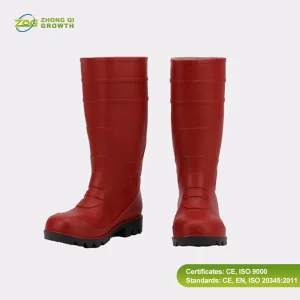
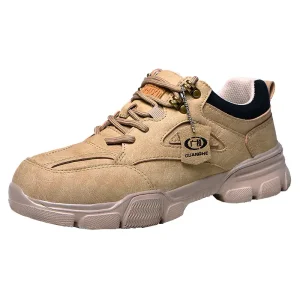
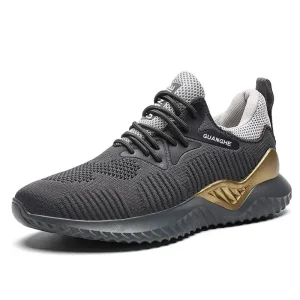
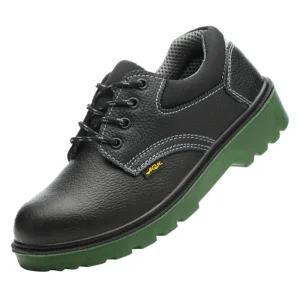
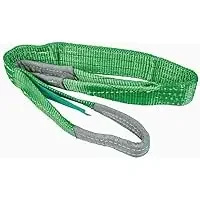
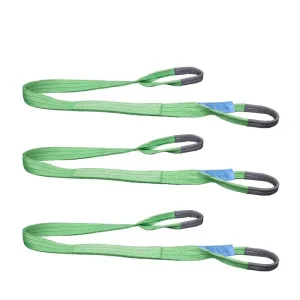
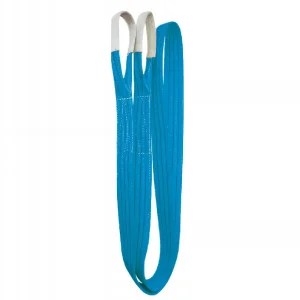
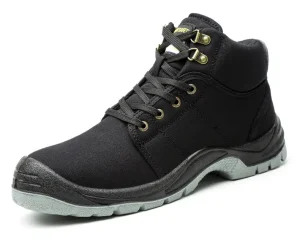
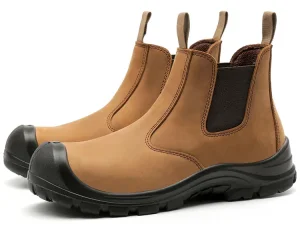
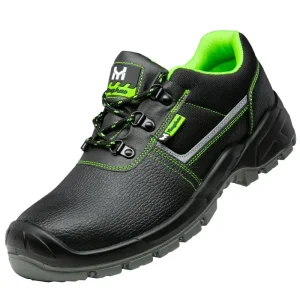
Take advantage of single-source factory capacity to mix safety helmets, work positioning harnesses, polyester lifting slings, and safety footwear into combined full container loads (FCL), reducing unit logistics expenses.
Direct answers from our senior safety engineering and export compliance team.
Under continuous industrial exposure, HDPE safety helmets should be retired after 2 to 3 years from initial deployment, while high-impact ABS configurations typically maintain performance for up to 5 years. Any helmet subjected to an acute impact or deep structural gouge must be decommissioned immediately, regardless of operational age. Manufacturing date stamps molded directly into the underside brim provide strict audit validation.
EN 397 and ANSI Z89.1 Type I focus primarily on vertical crown impact attenuation and penetration resistance against dropped tools and falling debris. In contrast, ANSI Type II and EN 12492 criteria evaluate multi-directional lateral, off-axis, frontal, and rear impacts, necessitating expanded foam (EPS or EPP) liners to distribute off-center kinetic shocks away from the cranium.
Yes. Our in-house engineering and precision CNC toolmaker centers design custom injection molds, custom ventilation shutters, and corporate badge plates. We provide pad-printing in up to six colors, customized reflective graphics, custom headband sweatbands, and multi-language user manuals packaged directly on the line.
Class E dielectric helmets are tested in our certified QA laboratory. Submerged in high-conductivity water baths, shells undergo dielectric proof tests up to 20,000 volts AC for 3 minutes, with leakage current monitored below 9.0 milliamps. Only ventless polymer bodies devoid of metallic hardware receive Class E compliance verification.
Standard inventory colors (Yellow, White, Blue, Red, Orange) require a low minimum of 500 units per SKU. Custom corporate pantone compounding requires 2,000 units. Turnaround lead time from production sign-off to port transfer at Tianjin Port typically ranges between 20 and 30 business days, with rapid consolidation available across all ZhongQi PPE categories.
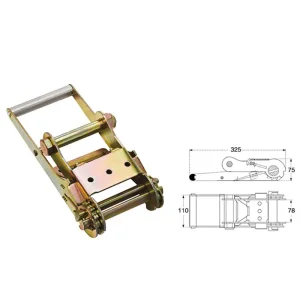
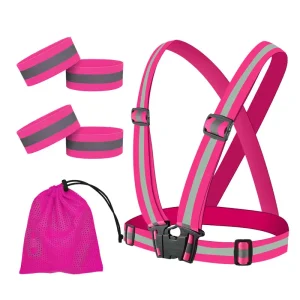
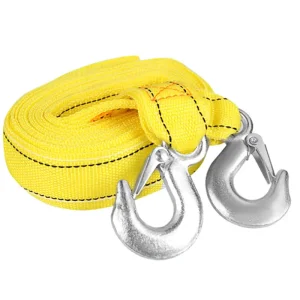
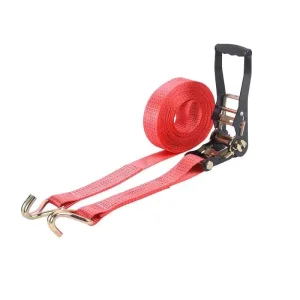
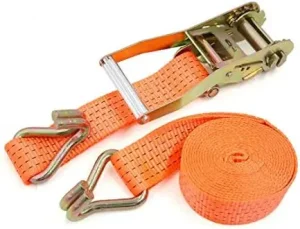
One-stop factory consolidation: cargo straps, protective footwear, and industrial towing configurations.