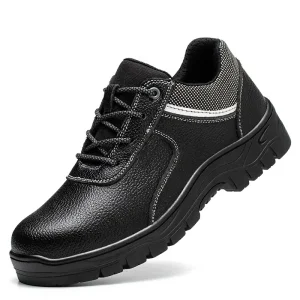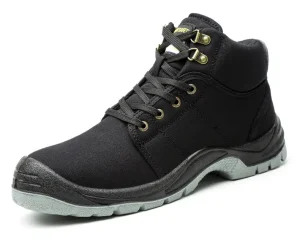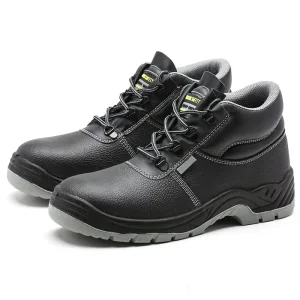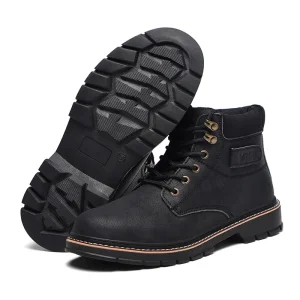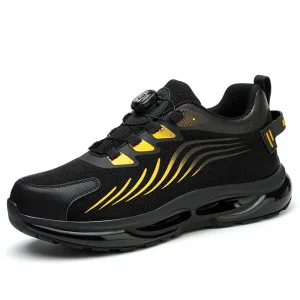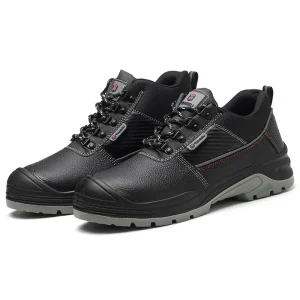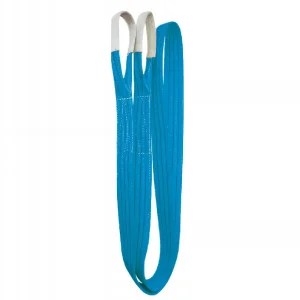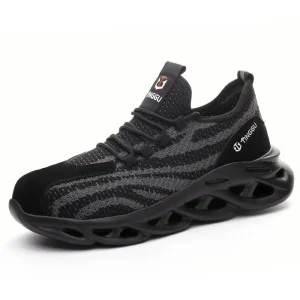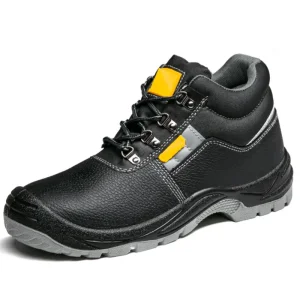
Pre-inspected personal protective equipment ready for export deployment, fully compliant with international industrial standards.
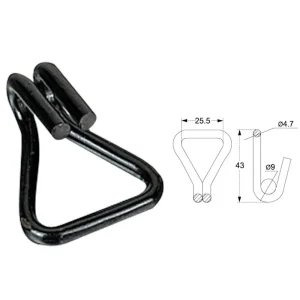
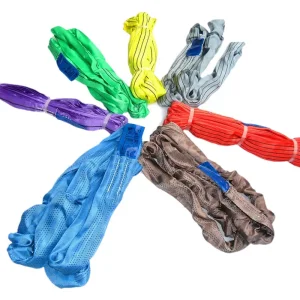
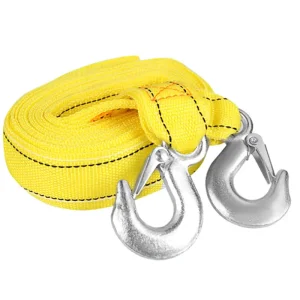
Heavy industry operations—specifically extraction, petrochemical processing, and maritime bunkering governed by strict frameworks such as PDVSA EM-36-01/01—require rigorous cranial protection parameters far beyond commercial construction wear.
Helmets manufactured to PDVSA-compatible standards utilize pure, virgin-grade UV-stabilized HDPE or structural ABS compounds. This engineering minimizes polymer degradation under intense solar radiation (UV-A and UV-B) and prevents stress cracking when exposed to crude oil mists, refining solvents, or hydrogen sulfide (H2S) airborne traces.
Offshore drill decks and downhole pumping facilities present immense electrical arc and voltage exposure risks. Certified Class E designs undergo rigorous dialectric testing, withstanding non-conduction proof tests up to 20,000 volts and burn resistance barriers up to 2,200 volts, delivering robust fail-safe personnel defense.
Primary impact survival depends on kinetic deflection and force dissipation. Our specialized 6-point terry-cloth woven textile cradle converts acute top or lateral kinetic impacts into radial dispersal vectors across the cranial matrix, keeping deceleration forces transmitted to the neck well below 3.78 kN.
Evaluation framework contrasting generic industrial headgear with petrochemical PDVSA and offshore configurations.
| Performance Metrics | Commercial Construction Hat | Standard Heavy Industrial (EN 397) | PDVSA / Petrochemical Class E Specification |
|---|---|---|---|
| Base Shell Material | Recycled Polypropylene (PP) | Standard HDPE | Virgin Anti-Static Ultra-HDPE / Structural ABS Blends |
| Dielectric Resistance | None (Class C) / 0 Volts | 1,200 V Low-Voltage Proof | Class E Proof Tested to 20,000 V AC; Zero Leakage Current |
| Extreme Low Temp Shock | Unrated (Fails < 0°C) | -10°C Certified | -30°C Cryogenic Conditioning with Full Impact Attenuation |
| Hydrocarbon Reactivity | Swelling / Plasticizer Bleed | Mild Resistance to Lubricants | Impermeable to Crude Hydrocarbons, Dilute Acids, Aromatics |
| Harness Anchor Points | 4-Point Simple Polyethylene Snap | 4-to-6 Point Woven Webbing | 6-to-8 Point High-Tenacity Polyester Webbing with Ratchet Wheel |
Turnkey protective equipment tailored to the unique mechanical, thermal, and chemical stress vectors of global enterprises.
Engineered for high-vibration drilling decks and marine air saturated with salinity. Integrates securely with ear defenders, high-temperature visors, and 4-point elasticized chin straps to prevent loss during extreme offshore gale winds.
Formulated with antistatic surface properties (<10^9 ohms) to avoid sparking hazard profiles in explosive Zone 0/1 atmospheres containing volatile petrochemical gases, methane vapors, and petrochemical derivatives.
Seamlessly synchronizes high-visibility fluorescent hues with retro-reflective prisms, guaranteeing immediate crane operator line-of-sight identification across round-the-clock shipping operations and container staging zones.
Leveraging high-tonnage automated injection tooling and closed-loop process monitoring to deliver uncompromising volume consistency for global procurement contracts.
Deploying 650-to-1200 ton servo-electric injection presses featuring real-time cavity pressure transducers. Automated cycle controls eliminate micro-voids and knit-line weakness across the apex ridge, maintaining identical tensile strength across multi-million piece manufacturing contracts.
Situated within northern China's premier industrial and materials processing cluster, our logistics interface allows rapid container movement directly out of Tianjin Port. This deep integration streamlines container consolidation of helmets, safety footwear, harnesses, and lifting slings into a unified freight manifest.
Every continuous production lot undergoes sample drop-tower impact penetration testing, UV thermal aging chamber cycles, and flame retardancy analysis. Laser-etched QR identifiers allow buyers to inspect digital batch material test reports (MTR) at any time.
Navigating the transition from passive protective shells to integrated digital worker safety systems.
Integrating ultra-compact solid-state electrochemical sensors into helmet peaks for the early detection of H2S, carbon monoxide, and volatile hydrocarbon compounds, warning workers before airborne hazards reach lethal concentrations.
Next-generation embedded tri-axis accelerometers distinguish normal work movements from sudden fall-arrest events or falling-object impacts, instantly broadcasting localized SOS coordinates via private LoRaWAN or industrial 5G networks.
Pioneering sustainable carbon footprints through bio-attributed polymers and recyclable structural polymers that meet identical ANSI Z89.1 and EN 397 shock attenuation criteria while cutting lifecycle manufacturing emissions by up to 42%.
Assuring legal, contractual, and technical readiness across diverse international regulatory frameworks.
We provide full technical dossier support including Spanish-English dual-language certifications, ANSI/ISEA Z89.1-2014 test reports, CE EN 397:2012+A1:2012 attestations, and full chemical safety data sheets (MSDS), easing customs clearances across Latin American, Middle Eastern, and Southeast Asian customs checkpoints.
Empower brand presentation while maintaining rigorous protection. We deliver silkscreen or embossed corporate cresting, reflective safety striping, custom-tinted pantone shell matching, integrated ID barcode badges, and worker tracking systems directly on factory tooling lines.
Crucial commercial and technical questions regarding safety helmet sourcing, compliance testing, and container logistics.
PDVSA specifications (such as EM-36-01/01 standards) mandate strict Class E dielectric properties (tested up to 20,000V non-conduction), robust structural resistance to petroleum-derived chemical mists, strict flame-retardant polymers, and shock absorption functioning seamlessly down to -20°C and up to +50°C. Standard construction hard hats usually offer only Class C or G ratings, rendering them unsuited for high-risk petrochemical refinery applications.
Yes. In addition to our factory laboratory testing (which tracks drop-weight impact attenuation, penetration resilience, and dielectric leakage for every run), we routinely facilitate pre-shipment inspections and product testing via SGS, Intertek, or buyer-appointed inspection agencies before bill of lading issuance.
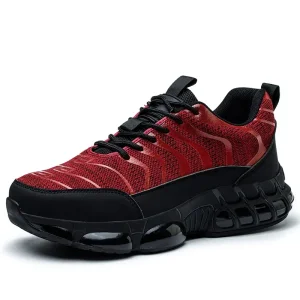
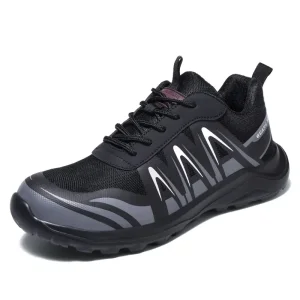
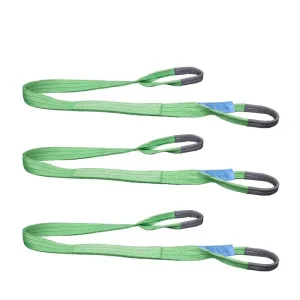
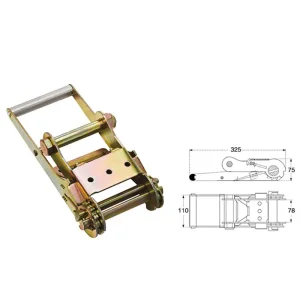
Helmets are bulky but relatively light, meaning they consume cubic volume (CBM) rather than gross weight limits. Because we manufacture fall-arrest harnesses, webbed lifting slings, ratchet lashing gear, and safety footwear across our Tianjin manufacturing facility, we offer optimized mixed-container consolidation. Dense, heavy products (such as tie-downs and footwear) balance out lightweight helmet volumes, substantially lowering your sea freight cost per item.
Standard color models (white, high-visibility yellow, blue, red) carry an initial batch MOQ of 1,000 units. Custom shell formulations, bespoke PMS colors, or corporate logo pad printing typically begin at 2,000 units. Standard production runs are completed within 20 to 30 days after drawing and artwork confirmation, backed by direct trucking to Tianjin Port.
Expand your industrial supply program with high-tensile rigging slings, tie-down systems, and specialized puncture-proof work shoes.