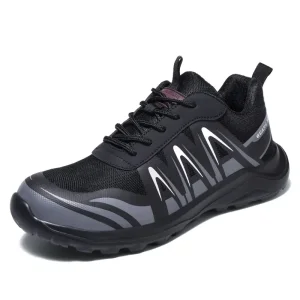
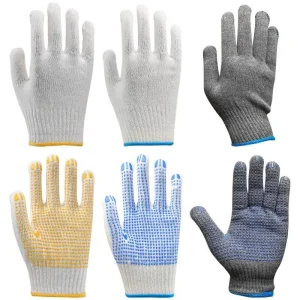
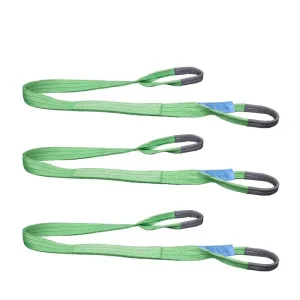
Direct supply line engineered by Tianjin ZhongQi Growth Technology Co., Ltd. for harsh industrial, construction, and maritime infrastructure.
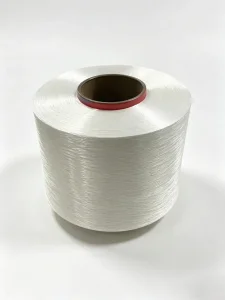
Buy 210D AA Grade Polyester Industrial Yarn for Ratchet Strap & Lifting Sling Supplier, Factory
Inquire DetailsA rigorous industrial perspective on how Tianjin ZhongQi Growth Technology synthesizes raw polymer science into field-proven cranial protection.
Our yellow safety helmets utilize modified high-density virgin ABS (Acrylonitrile Butadiene Styrene) and molecular-stabilized HDPE. These advanced polymers ensure zero brittleness at -30°C and thermal deflection stability under continuous exposure up to +50°C.
A helmet shell is only as protective as its internal webbing cradle. ZhongQi incorporates 6-point self-centering textile suspensions engineered using high-tenacity industrial polyester woven right in our Tianjin facilities.
Yellow industrial headgear remains the gold-standard visual cue for heavy construction operators, earthmoving mechanics, and logistics specialists. We calibrate our yellow pigment masters to specific spectrophotometric wavelengths.
Procuring personal protective equipment at an enterprise level requires navigating divergent international regulatory frameworks and environmental stressors.
For distributors targeting European infrastructure and offshore projects, our yellow industrial safety helmets strictly comply with EN 397 impact attenuation, penetration resistance, flame resistance, and chinstrap anchorage release (between 150N and 250N to prevent strangulation).
We supply North American contractors with Type I (top impact) and Type II (lateral and top impact) hard hats across Class G (General - 2,200V), Class E (Electrical - 20,000V), and Class C (Conductive - zero electrical rating). Pre-conditioned testing includes high-temperature, low-temperature, and reverse-orientation wearing protocols.
Targeted for Oceania mining complexes and civil infrastructure, our helmet shells integrate augmented UV degradation inhibitors verified through intensive accelerated solar radiation tests, providing lasting structural cohesion under harsh Australian sun exposure.
| Regulatory Standard | Geographical Zone | Primary Testing Criteria | Permissible Transmitted Peak Force | Typical Application Sector |
|---|---|---|---|---|
| EN 397:2012+A1:2012 | European Union / UK (UKCA) | Vertical drop 5kg striker at 1m; Flammability, Chinstrap anchor release | ≤ 5.0 kN | Civil works, manufacturing plants, port loading |
| ANSI/ISEA Z89.1-2014 | USA, Canada, Latin America | Type I vertical drop 3.6kg striker; Type II off-center impact and penetration | ≤ 4.45 kN (1,000 lbf) | Power utilities, commercial building, refineries |
| AS/NZS 1801:1997 | Australia, New Zealand | High energy impact absorption; Extended artificial weathering and UV exposure | ≤ 5.0 kN | Open-pit mining, forestry, road transport |
| GB 2811-2019 | China, Belt & Road Projects | Impact absorption, puncture resistance, electrical insulation Class E | ≤ 4.9 kN | Megaproject construction, energy infrastructure |
Harnessing the strategic operational footprint of Tianjin ZhongQi Growth Technology in the Shuangjie Trusted Industrial Park, Beichen District.
Our location in the heart of Northern China's PPE industrial corridor allows seamless upstream integration. From high-tensile 210D AA-grade polyester industrial yarn spinning for harness webbing to precision plastic mold tooling under one corporate group.
Situated minutes from Tianjin Port—the primary maritime shipping hub of North China—our logistics team eliminates hundreds of miles of costly inland road haulage, ensuring lower carbon footprints and rapid vessel dispatch schedules.
With roughly 60% of our internal personnel actively focused on R&D and mechanical product verification, we don't just supply products—we design tailored personal protective solutions based on client-specified working environments.
Across varying industries, yellow safety helmets act as the frontline defense against falling tools, overhead machinery, and incidental structural impact.
On high-rise commercial framing sites and bridge projects, workers confront recurring kinetic hazards from falling fasteners and swing loads. Yellow helmets ensure instant visual tracking for crane operators while providing certified ANSI Type I impact protection.
Subterranean galleries subject gear to high humidity, chemical mist, and abrasive rock face impacts. Our ABS shells prevent rock shrapnel punctures, coupled with integrated universal brackets for intrinsically safe mining headlamps.
Intermodal terminals and container shipping yards require seamless interaction between ground crews, straddle carriers, and gantry cranes. Our ventilated yellow models safeguard workers against crane lashing impacts and heavy container lock collisions.
Technicians working at heights in excess of 100 meters need compact, un-vented Class E or ventilated climbing helmets conforming to EN 12492/EN 397 with four-point dual-retention chinstraps ensuring the helmet stays affixed during strong gusts or abrupt slip-arrest maneuvers.
The global protective headgear landscape is evolving from passive mechanical buffers to connected, digitally-integrated industrial life-support systems.
ZhongQi's advanced experimental prototypes explore micro-sensor integration directly within the suspension harness. Real-time accelerometers detect concussive forces and trigger emergency SOS fall alerts, while thermal sensors alert supervisors to worker heat-stress before syncope happens.
With major multinationals adopting strict ESG mandates, our material labs have pioneered certified PCR-ABS formulation blends that maintain over 92% of the original kinetic tensile strength of virgin polymers, lowering product lifecycle carbon footprints without violating international standards.
Traumatic Brain Injuries (TBIs) frequently stem from angled impacts that transfer rotational torque to the cerebral cortex. Upcoming safety helmet iterations incorporate low-friction sliding interior slip planes that allow 10-15mm of omnidirectional movement during critical impacts.
In-depth responses covering certification validity, custom tooling lead times, quality assurance regimes, and mixed-container freight handling.
Every inbound batch of ABS and HDPE resin pellets undergoes melt flow index (MFI) verification and density tests. During production, random production units are harvested every 2 hours to undergo computerized drop-tower striker tests and electrical resistance checks in our Tianjin QC laboratory.
Under continuous industrial UV and climatic exposure, industrial helmets should be phased out after 2 to 3 years of rigorous outdoor service, or 5 years from the injection molding date stamp embedded inside the shell. Any helmet that has sustained a major kinetic strike must be discarded immediately, regardless of visible damage.
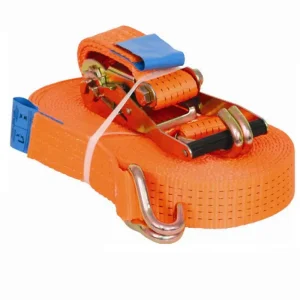
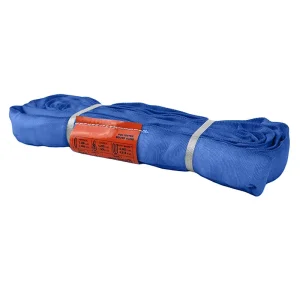
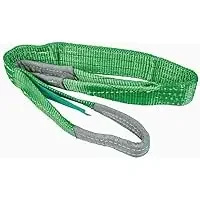
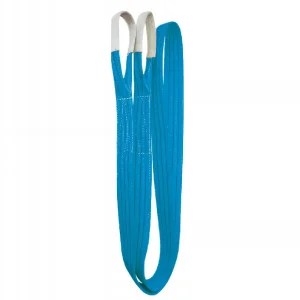
Yes. Because our Tianjin operations manufacture fall arrest systems, lifting slings, and cargo ratchets in tandem with safety footwear and helmets, enterprise buyers regularly consolidate multiple PPE categories into single 20GP or 40HQ containers, radically lowering shipping overhead and streamlining customs clearance.
Standard pad-printing of company logos with customer-specified Pantones takes 7–10 days after digital vector approval. Custom structural injection molds (such as specialized bracket fittings or unique crown vent contours) require approximately 30 to 45 business days for precision CNC steel tooling and prototype sample sign-off.
Explore our complete export spectrum manufactured under ISO 9001 and verified to global safety protocols.