An engineering perspective on why cost-effective procurement in Fiber Reinforced Plastics (FRP) does not mean compromised personal protection, but rather optimized thermoset polymer manufacturing, bulk automated pressing, and integrated supply chains.
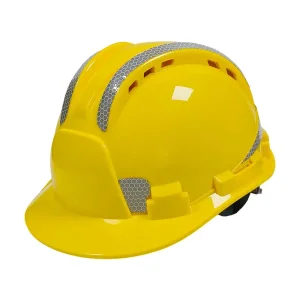
Unlike standard thermoplastic injection (ABS or Polyethylene), our FRP safety helmets employ woven roving glass fiber combined with high-grade unsaturated polyester resins. Under 1,200 metric tons of hydraulic compression molding, the matrix cures into a cross-linked thermoset composite that exhibits superior dimensional stability under severe mechanical and thermal loads.
Standard hard hats soften and fail above 90°C. Industrial-grade FRP helmets maintain structural rigidity and puncture resistance at continuous temperatures exceeding 150°C and transient radiant spikes above 260°C. This makes them non-negotiable personal protective equipment (PPE) for metallurgical smelters, blast furnace operators, petrochemical plants, and heavy foundry operations.
When international buyers search for a "cheap FRP safety helmet manufacturer", the true competitive driver is not cutting corner on resins, but high-throughput automated compression presses, self-formulated phenolic/polyester resin tanks, and massive scale. By amortizing precision steel die tooling across millions of units, Chinese manufacturing clusters yield unmatched unit economics.
Objective metallurgical and polymer data to guide technical buyers, safety managers, and SCM directors in selecting optimal head protection based on environmental severity and total life-cycle cost.
| Performance Metric / Material Type | Thermoset FRP (Fiberglass) | Engineering ABS Plastic | High-Density Polyethylene (HDPE) | Polycarbonate (PC) |
|---|---|---|---|---|
| Continuous Heat Deflection Limit | > 150°C (Up to 260°C radiant) | ~ 85°C - 95°C | ~ 75°C - 85°C | ~ 125°C - 135°C |
| Impact Kinetic Energy Absorption | Delocalized Fiber Dispersion | Localized Flex / Rebound | Plastic Deformation | High Toughness / Elastic |
| Resistance to Molten Metal Splashes | Zero Melting / Self-Extinguishing | Melts & Adheres to Skin | Severe Melting & Dripping | Softens & Carbonizes |
| Dielectric Strength (Electrical Safety) | Excellent (Class G/E Compatible) | Class G / E Standard | Class E Standard | Class G / E Standard |
| UV Radiation & Weathering Degradation | Minimal (Thermoset Matrix Stable) | Moderate Embrittlement | High Embrittlement Risk | Moderate Without Stabilizers |
| Field Useful Lifespan (Extreme Duty) | 3 to 5 Years | 1 to 2 Years | 1 to 2 Years | 2 to 3 Years |
| Total Cost of Ownership (Lifecycle ROI) | Lowest (Extended Durability) | Low Initial / Frequent Change | Lowest Initial / Short Life | High Initial Cost |
How Tianjin ZhongQi Growth Technology Co., Ltd. and North China industrial manufacturing clusters achieve unbeatable scale, speed-to-market, and turnkey quality control for international brands.
Situated in Beichen District, Tianjin, our facilities sit adjacent to Tianjin Xingang Port—one of the world's highest-capacity deep-water container terminals. This geographical proximity reduces inland container drayage expenses to near zero, accelerates customs clearing, and guarantees streamlined ocean freight connections to Europe, North America, the Middle East, and Southeast Asia.
Unlike assembly-only contractors, our industrial cluster coordinates high-tenacity industrial polyester yarn spinning (210D AA Grade), specialized webbing weaving, stamping of steel suspension anchors, and compression resin pressing in direct synergy. This vertical cohesion eliminates third-party markups and safeguards batch tensile uniformity.
We transform wholesale hard hat shells into proprietary customer assets. With support for custom corporate pantone color matching, hydro-dipping patterns, silk-screened or engraved logos, multi-point ratchet headgear (4-point, 6-point, or 8-point nylon suspension), and localized regulatory warning labeling, brands scale without heavy capex.
Every production batch undergoes drop-tower impact tests, steel-striker penetration trials, hot and cold pre-conditioning (-30°C to +50°C), and 20,000V electrical proof testing. Quality assurance documentation, batch certificates, and independent third-party laboratory test reports accompany every Bill of Lading.
The international protective headwear market is evolving beyond passive bump caps toward multifunctional personal protective systems engineered for ergonomic comfort, high thermal dispersion, and connected worksites.
Modern mega-projects in civil tunneling, smart petrochemical grids, and offshore drilling increasingly demand helmets designed with modular accessory slots. FRP helmet architectures are uniquely suited for hosting external lighting, gas detection sensors, RFID location tags, and thermal monitoring modules without compromising composite dielectric protection.
Procurement teams must ensure their supplier manufactures to cross-jurisdictional standards. Our production protocols conform to EN 397:2012+A1:2012 (European industrial hard hats), ANSI/ISEA Z89.1-2014 Type I (Class C, G, and E) for North America, and GB 2811-2019 for domestic infrastructure projects.
Worker compliance directly depends on wearer comfort. Next-generation FRP designs incorporate low-center-of-gravity balance crowns, soft moisture-wicking antibacterial sweatbands, and smooth-spinning micro-adjustment wheel ratchets that eliminate head pressure pinch points during 12-hour shifts.
Tailored technical helmet specifications mapped directly to the world's most hazardous industrial environments.
In environments exposed to incandescent slag spatter and intense radiant heats, thermoplastic helmets soften, warp, and release toxic fumes. FRP composite safety helmets remain structurally stable under slag splashes up to 1,400°C without transferring hazardous conductible heat to the worker's scalp.
Salt spray, hydrogen sulfide (H2S), and intense UV radiation rapidly degrade standard plastics causing micro-cracking and loss of impact strength. Our FRP resins are engineered with chemical-resistant gel coats that resist saline corrosion and organic solvents for uncompromised marine durability.
Confined spaces involve continuous risks of rock falls, lateral crushing hazards, and heavy humidity. FRP hard hats offer superior lateral rigidity compared to thermoplastics, mitigating cranial crush risks when fitted with specialized lamp brackets and cable routing systems.
Utilizing special non-conductive resins devoid of carbon fillers, our Class E rated FRP models withstand electrical breakdown tests of up to 20,000 Volts Phase-to-Ground, delivering vital flash-over protection for line workers and substations technicians.
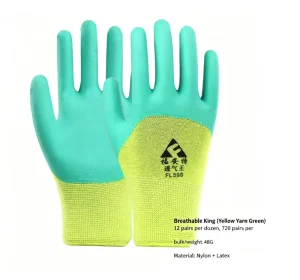
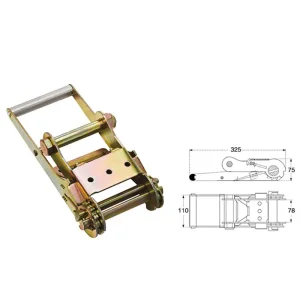
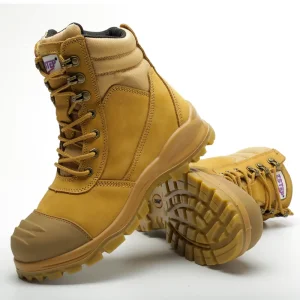
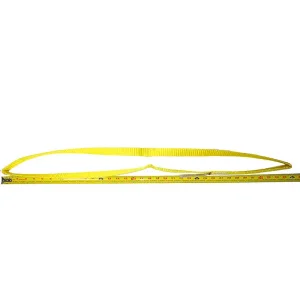
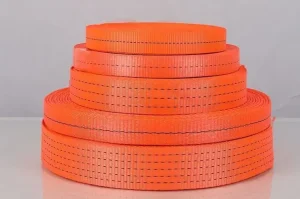
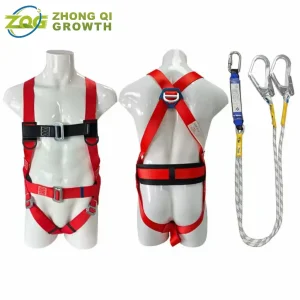
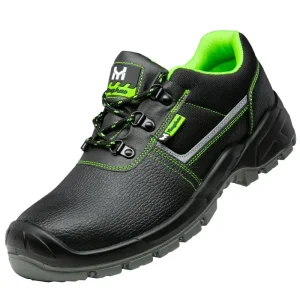
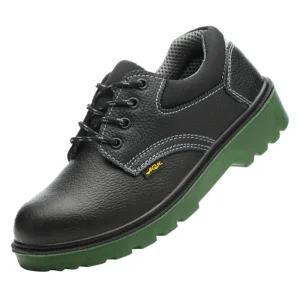
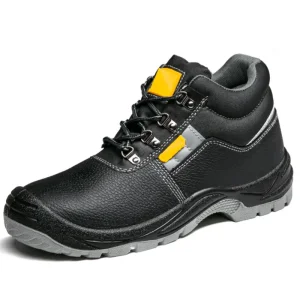
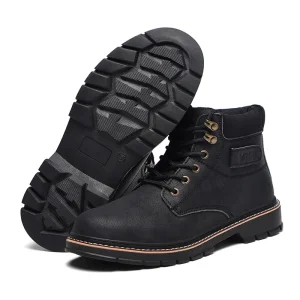
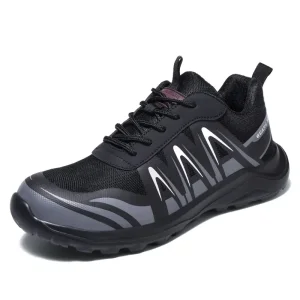
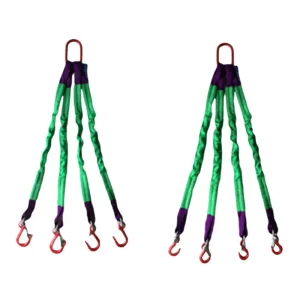
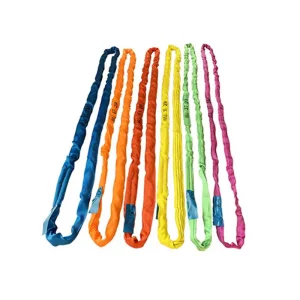
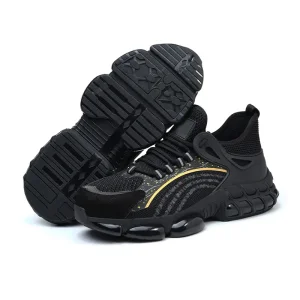
Tianjin ZhongQi Growth Technology offers combined container shipments including safety helmets, fall arrest harnesses, industrial lifting slings, cargo ratchet straps, and safety shoes in a single bill of lading—maximizing shipping space and reducing customs handling costs.
Request Direct Factory Quotation & Specification SheetsA step-by-step audit framework designed for corporate procurement officers, safety directors, and global importers to verify production capabilities and mitigate offshore sourcing liabilities.
Require proof of virgin resin formulations and verify whether chopped strand mats or woven roving fiberglass are used. Substandard suppliers often blend excessive talc fillers or recycled chalk to decrease raw material expenses, severely crippling impact dissipation and increasing brittle shattering risks.
True FRP density requires compression pressing exceeding 800–1,200 metric tons at sustained mould temperatures around 140°C–160°C. Insufficient press pressure or shortened cycle times lead to internal micro-voids, resin starvation, and incomplete polymerization that compromise structural performance.
A safety helmet shell is only as good as its inner harness. Insist on high-density polyethylene (HDPE) or premium nylon webbing suspensions with at least 4-to-6 point connection keys. Confirm that chin straps feature break-away safety releases engineered between 150N and 250N to prevent strangulation during fall arrest events.
Detailed technical clarifications addressing buyer inquiries regarding minimum order quantities, certifications, material lifespans, and direct factory procurement processes.
Eliminate intermediary trading margins. Connect directly with Tianjin ZhongQi Growth Technology Co., Ltd. for engineering consultations, batch testing documentation, custom tooling quotes, and consolidated ocean container dispatch.