Comprehensive industrial protective equipment, ergonomic fall-arrest systems, steel-toe footwear, and high-tenacity strapping built to strict European and North American industrial standards.
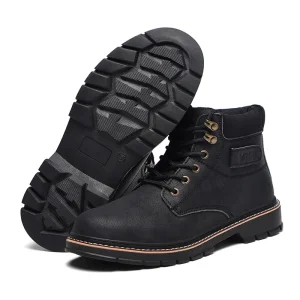
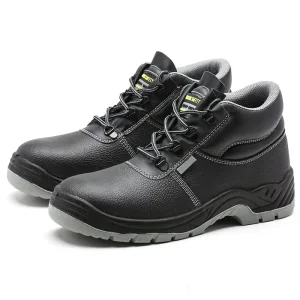
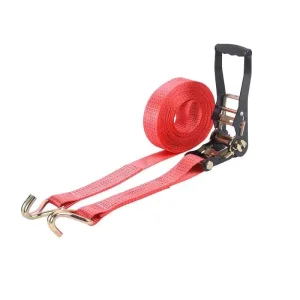
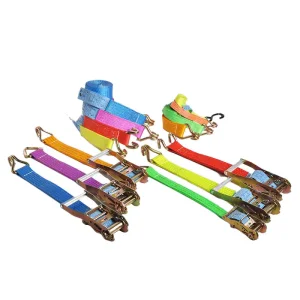
A rigorous examination of North China's integrated polymer ecosystems, automated injection tooling economics, and coastal logistic advantages that enable true low-cost yet certified head protection.
Shandong Province hosts China’s highest concentration of petrochemical refining infrastructure (Sinopec Qilu, Wanhua Chemical). This provides direct, uninterrupted pipeline access to prime virgin ABS, HDPE, and polypropylene raw resins. Localized monomer supply eliminates domestic intermediary markups, slashing base resin input expenses by 12% to 18% compared to non-coastal competitors.
Factories across Shandong deploy high-tonnage (400T–800T) robotic injection molding cells with multi-cavity hot runner molds. Automated demolding, sprue separation, and computerized cycle timing reduce unit cycle duration down to 32 seconds per hard hat shell. This industrial automation ensures shell wall uniformity, minimizing structural weak points while dramatically decreasing labor overhead.
Strategically linked to Qingdao Port and nearby Tianjin Port, Shandong safety helmet factories enjoy immediate maritime egress. Bypassing prolonged internal railway or truck transport cuts local freight charges to less than $0.02 per unit. Consolidated multi-product container shipping (mixing safety helmets, harnesses, and safety footwear) lowers global landing costs per pallet.
In global industrial procurement, procuring a cheap Shandong safety helmet does not imply sacrificing structural integrity. The cost reduction originates strictly from upstream petrochemical consolidation, high-volume automated throughput, automated 8-cavity tooling, and immediate maritime logistics. Structural compliance with EN 397:2012+A1:2012 and ANSI/ISEA Z89.1-2014 remains non-negotiable across validated manufacturers.
Analyzing the physical-chemical attributes, impact dissipation thresholds, and climatic endurance of industrial hard hat formulations.
Selecting industrial head protection necessitates a complete understanding of polymer deformation behavior under kinematic impact. When an object strikes an industrial safety helmet, the protective assembly must arrest deceleration, absorb kinematic shock through controlled shell flexure, and dissipate residual forces through a 4-point or 6-point suspension harness before shock waves reach the cervical vertebrae. In certified Shandong factories, four distinct polymer configurations represent the core manufacturing portfolio:
| Polymer Substrate | Tensile Strength (MPa) | Dielectric Breakdown | Thermal Stability Limit | Primary Industrial Application |
|---|---|---|---|---|
| High-Density Polyethylene (HDPE) | 22 – 35 MPa | Class G (2,200V Proof) | -20°C to +60°C | General Construction, Civil Works, Logistics |
| Acrylonitrile Butadiene Styrene (ABS) | 40 – 52 MPa | Class E (20,000V Proof) | -30°C to +80°C | Petrochemical, Electrical Grid, Heavy Rigging |
| Fiberglass Reinforced Polymer (FRP) | 120 – 180 MPa | Non-conductive options | Up to +200°C Radiant | Foundries, Blast Furnaces, Metallurgical Mills |
| Polycarbonate / Carbon Composite | 70 – 90 MPa | Class G / E Available | -40°C to +120°C | Offshore Mining, Wind Power, Technical Rescue |
The helmet shell represents only the first line of defense. The inner suspension system—manufactured in high-tenacity woven polyester or polyethylene webbing—functions as a mechanical damper. A 6-point suspension web distributes localized impact loads over a contact area 34% broader than entry-level 4-point plastic cradles. When tested according to EN 397 shock absorption protocols (a 5.0 kg hemispherical steel striker dropped from 1,000 mm), the transmitted force registered on the calibrated force transducer must not exceed 5.0 kN. Shandong automated lines integrate ratchet wheel adjustment mechanisms capable of micro-calibrating headband circumference from 52 cm to 64 cm, ensuring stability under lateral and oblique acceleration.
Prolonged exposure to ultraviolet radiation induces free radical oxidation in standard polyethylene chains, causing brittle failure under minimal mechanical stress. Certified Shandong suppliers formulate resins with hindered amine light stabilizers (HALS) and optical UV absorbers at a 0.3%–0.5% concentration. This masterbatch formulation retards molecular chain cleavage, allowing helmets to sustain 1,000 hours of accelerated xenon arc weathering without losing more than 15% of their initial notched Izod impact strength.
How automation, connected IoT sensors, lightweight composites, and eco-sustainable resins are redefining global PPE engineering.
Modern worksites increasingly request smart helmets integrated with tri-axial accelerometers for fall detection, environmental gas sensors (H2S, CO), and GPS/UWB tags for worker location tracing within hazardous refinery or mining zones.
Adoption of multi-directional impact protection systems inside industrial helmets. By introducing an internal low-friction layer that allows 10–15mm relative motion during angled impacts, rotational strain to the brain is significantly mitigated.
R&D divisions in Shandong are commercializing bio-polyethylene and recycled ocean plastics blended with virgin structural modifiers. This addresses enterprise ESG carbon goals without sacrificing tensile yield strength or impact attenuation.
Universal 30mm side mounting slots, integrated retractable eye shields, hearing protection earmuffs, and chin-strap buckle tension systems configured for immediate tool-less installation and site compliance adaptation.
Engineered protective headwear configurations matched to environmental hazards, climatic extremes, and regulatory frameworks.
Primary Hazards: High-velocity falling debris, scaffolding collisions, wind gusts at height.
Configured Solution: Vented high-impact ABS hard hat equipped with a 4-point chin strap (EN 12492 climbing harness retention), micro-brim design for unimpeded upward sightlines, and high-visibility fluorescent pigmentation with prismatic retro-reflective tape.
Primary Hazards: Chemical splash, hydrocarbon vapours, explosive atmospheres (ATEX zones), radiant heat.
Configured Solution: Non-vented dielectric Class E hard hats manufactured from virgin antistatic-modified ABS. Resistant to chemical permeation, acid splattering, and capable of withstanding electric flashover without conductive hardware.
Primary Hazards: Rock falls, limited luminescent visibility, extreme moisture, tight physical clearances.
Configured Solution: Reinforced crown HDPE shell with heavy-duty lamp bracket, rear battery cord cable loop, 6-point shock-absorbing textile cradle, and sweat-wicking synthetic leather brow padding for long-shift ergonomics.
Primary Hazards: High-voltage arc flash, overhead conductor accidental contact, step potential.
Configured Solution: Unvented shell passing ANSI Z89.1 Class E testing at 20,000 Volts AC for 3 minutes without dielectric leakage exceeding 9.0 milliamperes, completely free of any metal rivets or conductive components.
Primary Hazards: Salt fog corrosion, high-velocity oceanic winds, hypothermia, confined nacelle traversal.
Configured Solution: Compact climbing-style ABS shell without protruding visor, chin strap rated for high mechanical retention (EN 12492 compliant > 50 daN), stainless hardware or 100% polymer fasteners to prevent saline oxidation.
Primary Hazards: Low-hanging structural beams, automated guided vehicle (AGV) zones, repetitive impacts.
Configured Solution: Ultra-lightweight EN 812 industrial bump caps with inner high-density ABS articulated shells, airflow mesh ventilation, and machine-washable outer textile baseball caps for maximum shift comfort.
A systematic operational guide for supply chain executives procuring high-volume safety helmet supplies from Shandong manufacturing facilities.
Ensure that CE certificates are issued by recognized European Notified Bodies (e.g., BSI 0086, SATRA 2777, INSPEC 0194) under Module B + Module C2/D of PPE Regulation (EU) 2016/425. Demand permanent shell mold stamping indicating production year/month clock, resin identity, standard number, and size range for total product batch traceability.
Leading factories in Shandong operate internal test towers equipped with calibrated drop-weight striker apparatus, pre-conditioning thermal chambers (-30°C to +50°C), water immersion tanks, and 30kV dielectric test fixtures. Routine factory audits should verify that 5 helmets from every 1,000-unit lot are destructively tested and documented.
For large-scale international distributors, custom shell design, corporate logo pad printing (up to 5 colors), embossed shell emblems, bespoke headband colors, and customized multi-lingual retail packaging boxes can be developed with rapid tooling turnarounds of 25–35 working days from CAD sign-off.
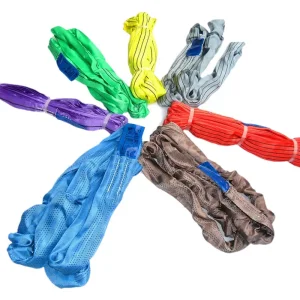
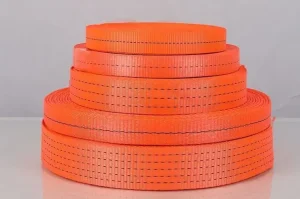
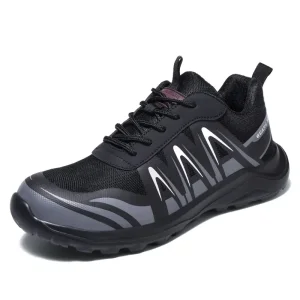
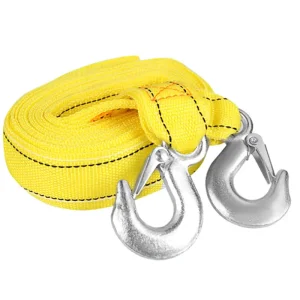
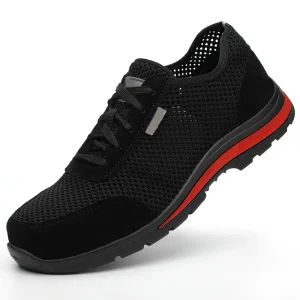
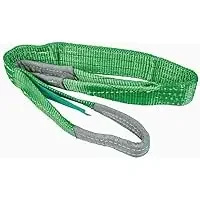
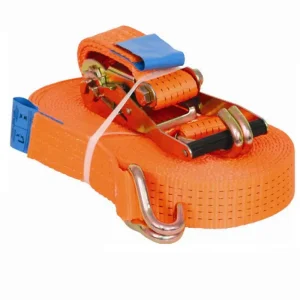
Fully certified factory-direct industrial cargo lashings, round slings, tow straps, and puncture-resistant work boots engineered for heavy transport and rigging safety.
Clear, definitive engineering answers addressing the commercial, technical, and regulatory concerns of international procurement officers.
