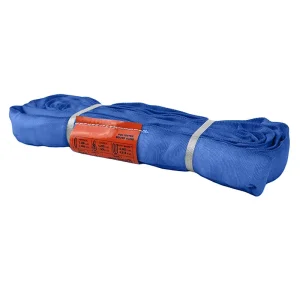
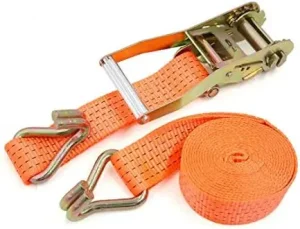
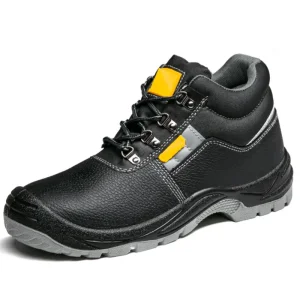
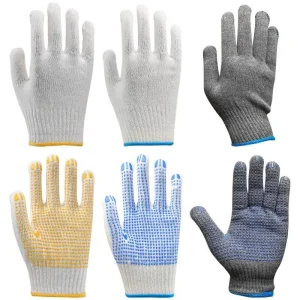
Explore our certified heavy-duty equipment manufactured under rigorous ISO 9001:2015 quality control for international cargo handling, height safety, and industrial head protection.
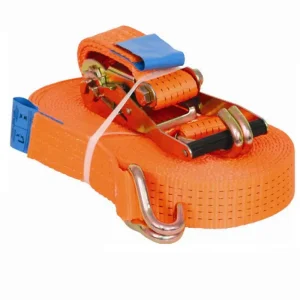
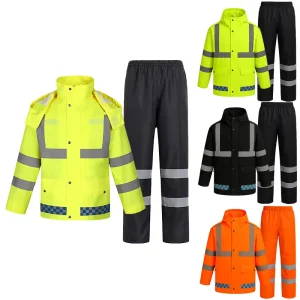
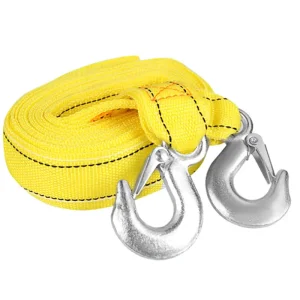
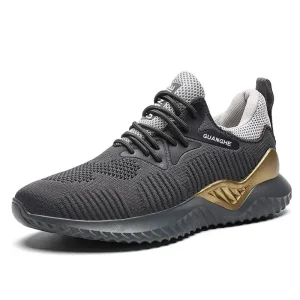
A rigorous empirical analysis of mechanical energy dissipation, thermal equilibrium thresholds, and cross-linked thermoset polymers under extreme industrial workloads.
Unlike conventional injection-molded ABS or High-Density Polyethylene (HDPE) shells that soften under sustained infrared radiation, Fiberglass Reinforced Plastic (FRP) relies on a high-density, three-dimensional thermoset vinyl-ester resin matrix. This delivers zero creep deformation up to 150°C and maintains structural integrity against repeated point-load blunt force.
Our production facilities utilize woven roving and chopped strand E-glass fibers oriented along critical impact pathways. When kinetic impact occurs, kinetic energy is transmitted through shear stress transfer across millions of micro-glass filaments, reducing localized peak deceleration forces transmitted to the cervical spine below 3.5 kN.
Engineered to satisfy Class G (General - 2,200V) and Class E (Electrical - 20,000V) proof-testing under ANSI/ISEA Z89.1, our fiberglass shells feature formulated low-ionic resins. This prevents arcing flashovers during high-voltage electrical substation operations and eliminates electrical conductivity risks inherent in cheap carbon-filled plastics.
| Material Engineering Characteristic | Thermoset Fiberglass (FRP) | Acrylonitrile Butadiene Styrene (ABS) | High-Density Polyethylene (HDPE) |
|---|---|---|---|
| Continuous Thermal Deflection Temp (HDT) | Up to 180°C (356°F) | Approx. 85°C – 95°C | Approx. 65°C – 75°C |
| Impact Resistance Retention at -30°C | > 96% Baseline Retained | Brittle Failure Risk (Drop to 55%) | Substantial Rigidity Loss (Drop to 60%) |
| Chemical / Hydrocarbon Solvent Resistance | Exceptional (Oils, Acids, Hydrocarbons) | Poor to Moderate (Stress Cracking) | Moderate (Degrades under Aromatic Fuels) |
| Service Life Cycle (Industrial Exposure) | Up to 5 - 8 Years Under Routine Care | 2 - 3 Years Maximum | 1 - 2 Years (High UV Sensitivity) |
| Crown Impact Deceleration (5kg Drop / 1m) | < 3.2 kN Transmitted | 3.8 kN – 4.5 kN | 4.2 kN – 4.9 kN |
Where catastrophic hazards mandate fail-safe PPE: exploring specialized workplace dynamics across primary global industrial sectors.
Foundries, blast furnaces, and aluminum smelters experience radiant temperatures exceeding 130°C. Molten metal splashes burn through standard ABS, creating secondary scalp trauma. Fiberglass shells will not warp, burn, or transfer molten droplets through the crown.
Maritime platforms combine dense UV exposure, saline atmosphere, continuous hydrocarbon vapor contact, and gusting winds. The chemical passivity of vinyl-ester fiberglass eliminates oxidation and micro-fissuring common in thermoplastic gear.
Subterranean galleries subject helmets to violent lateral rockfall impacts, damp mine drainage, and acidic seepage. High tensile glass reinforcement prevents crown penetration, while 6-point suspension cradles attenuate destructive rotational kinetic shocks.
Overhead transmission line technicians face severe arc-flash risks. Certified ANSI Z89.1 Class E fiberglass unvented hard hats deliver insulation safeguards up to 20,000 volts phase-to-ground, shielding operators against lethal high-current electrical discharge.
How Tianjin ZhongQi Growth Technology Co., Ltd. capitalizes on concentrated supply infrastructure, rapid maritime routing, and automated compression molding.
Situated in Shuangjie Trusted Industrial Park, Beichen District, Tianjin, our manufacturing hub operates adjacent to China's premier northern synthetic textile, resin compounding, and precision tooling clusters. Raw roving yarn, mold components, and suspension hardware are sourced within a 45km radius, insulating international buyers from upstream bottlenecks.
We deploy high-tonnage multi-cavity Sheet Molding Compound (SMC) and Resin Transfer Molding (RTM) hot presses equipped with micro-processor temperature controls. Precise heat-cycle distribution eliminates voids, unbonded glass clusters, and uneven shell thicknesses, sustaining a defect PPM under 120 throughout multi-thousand unit container batches.
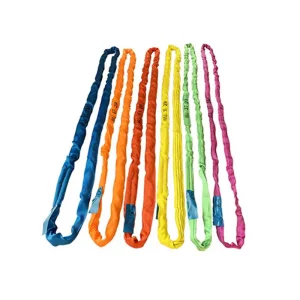
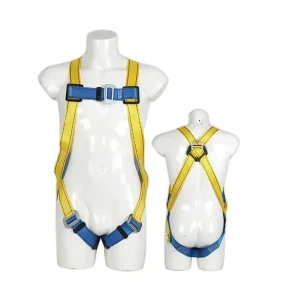
Located minutes from Tianjin Xingang Port—the primary maritime gateway connecting North China to Europe, the Americas, and APAC trade lanes—we streamline inland drayage expenses. We enable container consolidation across fiberglass helmets, polyester webbing lifting slings, and safety harnesses, lowering aggregate procurement freight charges.
Comprehensive adherence to sovereign health and safety directives, backed by batch-traceable testing methodologies and accredited lab audit trials.
European Union industrial helmet conformity governing vertical shock absorption, flat anvil penetration resistance, flame resistance testing, and chin-strap anchorage release (between 150N and 250N to avoid strangulation hazards). Optional tests cover very low temperature (-30°C) and lateral deformation (LD).
North American standard categorizing helmets into Type I (top impact) and Type II (top and lateral impact). Electrical classes include Class E (tested to 20,000V phase-to-ground), Class G (tested to 2,200V), and Class C (conductive, zero electrical protection). Our unvented fiberglass fulfills Class E criteria.
China's modernized head protection safety mandate requiring strict limits on kinetic impact forces, puncture resistance, electrical insulation, and flammability. Backed by rigorous ISO 9001:2015 production audits, every batch maintains recorded tensile, resin-viscosity, and drop-tower calibration certificates.
Pioneering the intersection of sustainable bio-resins, hybrid fiber matrices, and industrial IoT telematics.
To reduce wearable weight without sacrificing impact dissipation, our engineers are trialing hybrid weave combinations. By laminating ultra-light continuous carbon fibers alongside volcanic basalt roving, crown shell mass is decreased by 18% while tensile yield strength surges by 24%.
Integrating ultra-thin, intrinsically safe LoRaWAN and BLE sensor chips into suspension crowns. These modules record real-time ambient heat stress, sudden peak impact forces (man-down detection), and helmet-on compliance in hazardous oilfield and mining zones.
Addressing thermoset recyclability challenges, we are actively validating dynamic covalent network (DCN) epoxy resins. This chemistry permits controlled depolymerization at helmet end-of-life, recovering pristine structural fibers for secondary construction composites.
Comprehensive personalization capabilities designed to match multinational brand guidelines, technical accessories, and ergonomic requirements.
High-resolution pad printing and full-surface hydro-dipping for company logos, safety warnings, and custom camo/matte finishes. Our high-adhesion inks resist UV bleaching and aggressive chemical scrub-downs.
Choose between 4-point and 6-point high-tenacity nylon webbing suspensions. Features include smooth wheel-ratchet sizing adjustment (53cm to 64cm), replaceable antimicrobial sweatbands, and ergonomic nape cushions.
Integrated 30mm standard side slots accommodate universal clip-on earmuffs, face-shield brackets, welding visors, and elastic headlamp assemblies, facilitating seamless conversion into complete multisensory PPE stations.
Full-brim designs supply 360-degree shielding against falling debris, sunlight, and chemical spills. Sleek front-brim cap models offer lighter mass and unrestricted vertical visibility during high-elevation crane and climbing rigging.
In-depth responses to critical engineering, minimum order volume, certification verification, and shipping inquiries.
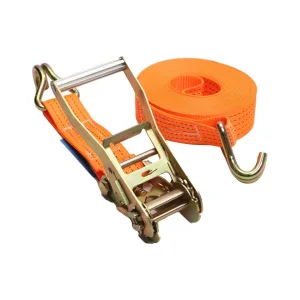
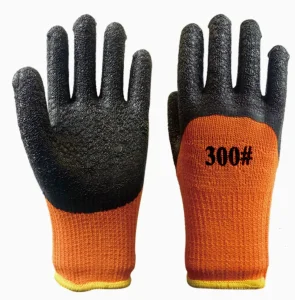
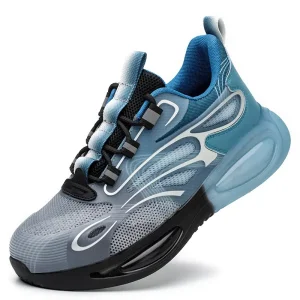
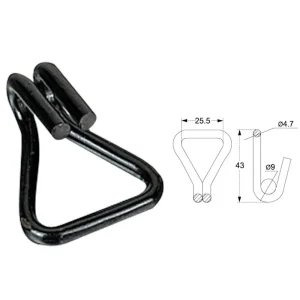
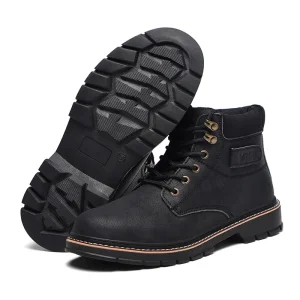
Continuous batch production of lifting slings, heavy-duty ratchet tie-downs, non-slip protective gloves, and occupational safety footwear.