Precision-manufactured occupational safety gear built under certified ISO 9001 quality systems. Explore our standard-compliant protective footwear, high-tenacity strapping, and specialized PPE engineered for heavy industry.
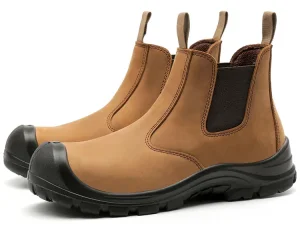
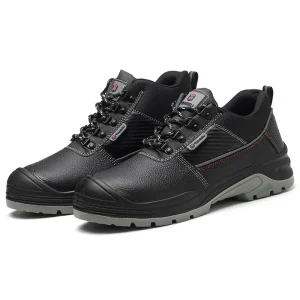
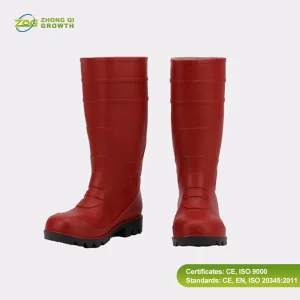
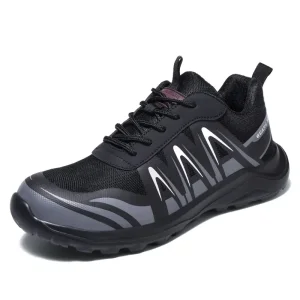
As regulatory bodies like OSHA, EU-OSHA, and Safe Work Australia enforce stringent cranial safety mandates, industrial safety helmets have evolved from static plastic shells into highly engineered biomechanical impact management systems. Sourcing from top-tier Chinese manufacturers provides global distributors and project EPCs with scalable capacity, high-precision molding, and rapid compliance certification.
Traditional hard hats designed primarily for top-vertical crown impacts (Type I) are increasingly being upgraded to lateral, front, and rear multi-directional impact standards (Type II & EN 12492 climbing/climbing-hybrid designs). Tier-1 manufacturers in China have adapted robotics and multi-cavity tooling to produce advanced shells featuring internal high-density expanded polystyrene (EPS) liners that absorb oblique rotational accelerations, protecting brains from traumatic brain injuries (TBIs).
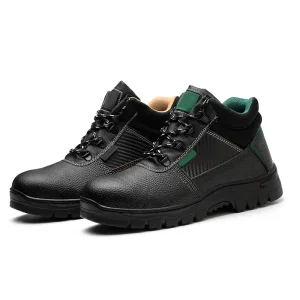
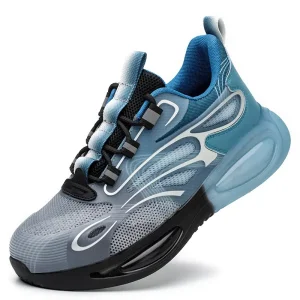
Procurement managers no longer buy safety helmets in isolation. Modern industrial sites mandate holistic compatibility between hard hats, ear defense earmuffs, face shields, anti-fog visors, chin straps, and fall arrest harnesses. As exemplified by our factory portfolio, leading Chinese manufacturers maintain integrated production clusters spanning high-strength webbings, injected polymer headgear, drop-forged alloy buckles, and anti-smash steel toe footwear.
Direct OEM/ODM partnerships with automated Chinese production plants eliminate multi-tiered intermediary markups. By leveraging automated robotic injection molding, localized polymer synthesis, in-house pad-printing/laser-engraving, and high-cube sea-container consolidation through proximate marine terminals such as Tianjin Port, buyers consistently achieve 22% to 38% landed margin improvements without compromising certification integrity.
A modern hard hat is a precision kinetic damping device. The exterior shell must balance rigid puncture resistance with flexural deformation to arrest sharp projectile energy, while the internal suspension system dissipates residual peak g-force loads transmitted to the cervical spine.
ABS is the premium resin choice for heavy-duty industrial and construction hard hats. The polybutadiene component provides exceptional impact toughness and flexural resilience even at cryogenic temperatures (-30°C), while the styrene monomer provides chemical luster and structural rigidity. Our ABS helmets feature thickened crown reinforcing ridges to achieve superior penetration performance under EN 397 and ANSI Z89.1 Type I/II guidelines.
High-Density Polyethylene provides outstanding dielectric insulation (Class E rated up to 20,000V) and resistance against caustic chemical spills, acids, and alkalis. HDPE shells are ultra-lightweight, minimizing neck strain over 12-hour shifts in mining, oil and gas, and outdoor utilities. Formulated with specialized hindered amine light stabilizers (HALS), our HDPE formulations resist severe UV-induced embrittlement.
Engineered for extreme metallurgy, foundries, blast furnaces, and welding zones. High-heat fiberglass composites and optical-grade polycarbonates endure radiant thermal exposures exceeding 150°C without structural softenings or mechanical creep. These shells provide elevated molten metal splash protection (MM option under EN 397) while maintaining high dielectric Class G electrical ratings.
| Material Classification | Impact Energy Absorption | Dielectric Class (ANSI/CE) | Thermal Endurance Limit | UV Degradation Half-Life | Recommended Industrial Applications |
|---|---|---|---|---|---|
| Virgin ABS (Acrylonitrile Butadiene Styrene) | Exceptional (50J - 100J peak) | Class C / Class G (2,200V) | -30°C to +80°C | 36 - 48 Months (UV380 Additive) | High-rise construction, infrastructure, heavy manufacturing, scaffolding |
| Modified HDPE (High-Density Polyethylene) | High flexural yield (40J - 75J) | Class E (20,000V non-vented) | -20°C to +60°C | 30 - 40 Months (HALS Stabilized) | Power line maintenance, electrical substations, general logistics, mining |
| Reinforced Polycarbonate (PC) | Superior impact & penetration | Class G / Class E (Varies by vent) | -40°C to +120°C | 48 - 60 Months (Intrinsic UV shield) | Forestry, rescue operations, wind turbine inspection, offshore drilling |
| Thermoset Fiberglass Composite | Rigid non-deforming resistance | Class G (2,200V) | Up to +180°C (Molten splash) | 72+ Months (Inert matrix) | Smelters, foundries, glass plants, blast-furnace maintenance |
The mechanical harness inside the shell provides the critical 25mm to 50mm safety buffer between the worker skull and the crown interior. Utilizing high-tenacity polyester straps woven on precision needle looms (the same high-tensile material used in our CE EN 361 harnesses and industrial lifting slings), 6-point and 8-point suspensions divide kinetic shock into vector components, keeping transmitted force below the medical threshold of 5.0 kN mandated by international testing authorities.
Fast-adjusting wheel ratchets manufactured from nylon 66 with glass-fiber reinforcement allow one-handed micro-adjustments ranging from 53 cm to 64 cm head circumferences. This maintains center-of-gravity alignment even when mounted with heavy mining headlamps, face shields, or noise-canceling communication headsets.
To mitigate occupational heat stress in equatorial and summer site operations, our headgear harnesses incorporate open-cell reticulated foam laminated with hydrophilic microfibers. These antimicrobial sweatbands absorb sweat four times faster than standard PVC pads, preventing ocular salt irritation and boosting worker compliance rates.
China produces over 68% of the world's certified occupational safety headwear. Our production base in Shuangjie Trusted Industrial Park, Beichen District, Tianjin, pairs high-tech polymer molding with immediate access to raw petrochemical refining centers, automated tooling makers, and one of the largest deep-water maritime hubs on earth.
Proximity to regional Sinopec and PetroChina petrochemical centers in Bohai Bay guarantees an uninterrupted supply of prime virgin ABS, HDPE, and polypropylene resins. Stable, predictable masterbatch compounding ensures identical color fidelity across multi-thousand carton production runs.
Equipped with 5-axis CNC machining, EDM wire cutting, and mold-flow computational analysis, our engineering team designs, fabricates, and tests custom multi-cavity injection molds in-house. This cuts OEM project timeline cycles from industry averages of 12 weeks down to just 21 days.
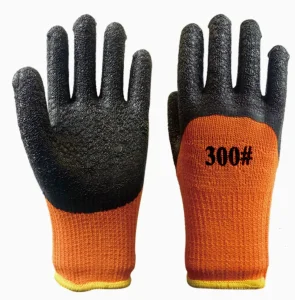
Overcome LCL shipping inefficiencies by consolidating multiple safety product lines into dedicated 40ft High Cube containers. Mix hard hats with anti-scalding safety boots, PVC coal mining boots, coated nitrile gloves, and heavy polyester lifting straps directly from our Tianjin hub.
Say goodbye to communication breakdowns. Our export sales engineering department operates 7 days a week, offering in-depth consultation on impact velocity dissipation formulas, electrical breakdown thresholds, custom pantone matching, and market-specific packaging layouts.
Occupational risks vary significantly between deep underground coal tunnels, high-altitude wind turbine nacelles, coastal shipyards, and modern megacity civil infrastructure. Sourcing the proper helmet architecture requires matching structural features to specific working conditions.
Deep underground coal and hard-rock mines present multiple hazards: low-overhead rockfall impacts, pervasive silica/coal dust, continuous water drips, and explosive methane or coal-dust environments. Helmets tailored for this sector require antistatic, flame-retardant virgin ABS or polyamides, integrated front battery bracket mounts for intrinsically safe miners' cap lamps, and integrated cable management clips to keep cords organized.
Climbers operating on telecommunications towers, wind turbines, and suspension bridges face strong buffeting winds, restricted access ways, and serious fall-arrest pendulum swing hazards. For these environments, non-vented or micro-shuttered mountaineering-style helmets certified to EN 12492 / EN 397 are vital. A short brim maximizes upward visibility, while a 4-point, 50-daN high-retention chin strap prevents helmet dislodgement during a sudden fall arrest event.
High-density urban job sites demand versatile helmets compatible with rapid accessory integration: clip-on mesh or clear polycarbonate face visors, over-the-head earmuffs (SNR 28-34dB), and high-visibility 360-degree retroreflective prisms for low-light dawn, dusk, and night roadwork operations. Our ventilated aerodynamic ABS helmets feature dual-sliding vent ports that lower interior microclimates by up to 4.2°C in direct sunlight.
Compliance non-negotiables: importing PPE requires complete, verifiable test certificates from accredited Notified Bodies (such as SATRA, BSI, INSPEC, SGS). Our helmets are certified across major regional jurisdictions, giving safety professionals and procurement teams complete peace of mind.
Complies with the European PPE Regulation (EU) 2016/425 under Category II / III auditing. Requires vertical shock attenuation (5 kg hemispherical striker dropped from 1 meter, limiting peak transmitted force below 5.0 kN), penetration resistance (3 kg conical striker dropped from 1 meter), flame resistance, and optional tests for -30°C ultra-low temperature flexibility, 440V AC electrical insulation, and molten metal splash (MM).
Specifies Type I (top crown impact) and Type II (lateral, off-axis top, front, and back impact) helmets. Electrical insulation classes are rigorously evaluated: Class E (Electrical, tested to withstand 20,000V AC dielectric breakdown), Class G (General, tested to 2,200V), and Class C (Conductive, no electrical protection, with ventilation channels).
GB 2811-2019 enforces strict static and dynamic mechanical limits alongside continuous chemical purity screening. Australian/New Zealand AS/NZS 1801 sets rigorous high-UV preconditioning protocols (radiation weathering under extreme Xenon arc exposure) to reflect the intense UV indices encountered in open-cut mines across Queensland and Western Australia.
Procuring industrial safety gear directly from Chinese factories provides high customization flexibility and major cost advantages. Use this technical checklist to vet your supplier and safeguard product reliability before placing bulk orders.
Always request mill test certificates verifying the use of 100% prime virgin ABS or HDPE polymers. Low-grade suppliers often blend post-consumer regrind or recycled plastics into non-critical components. While this drops unit costs slightly, it severely undermines tensile elongation and impact shear strength under freezing ambient conditions.
Verify that the factory maintains in-house testing equipment: drop-tower impact dynamometers, conical drop penetration jigs, preconditioning hot/cold/immersion environmental chambers, and high-voltage dielectric test rigs. Reputable manufacturers pull random samples from every production shift to guarantee full batch record traceability.
Elevate your brand presence. Our factory offers precision 4-color pad printing, silk-screen logos, heat-transfer wraps, laser serialization, and custom Pantone shell tinting. We also support embossed logos molded directly into front shell zones, backed by custom retail master cartons for direct distributor sales.
Industrial head protection is entering a smart era. The convergence of micro-electromechanical systems (MEMS), connected IoT telemetry, and circular bio-based plastics is reshaping cranial PPE across modern industrial jobsites.
Integrating low-power Bluetooth (BLE), ultra-wideband (UWB) indoor positioning chips, and 3-axis MEMS accelerometers directly into the helmet EPS cradle. These smart modules detect sudden high-g impacts or worker falls, broadcasting automated SOS geolocation alerts to site dispatch centers to speed emergency response times.
Next-generation helmets feature quick-connect optical waveguide visors. Paired with onboard cameras, these displays project step-by-step schematics, live thermal scans, and BIM models directly into the field worker line of sight, enabling hands-free precision inspection in complex industrial plants.
To meet strict corporate Scope 3 ESG targets, our R&D team is developing bio-circular polycarbonates and recycled ocean-bound polyesters for harness webbings. These sustainable formulations match the tensile and impact strength of petroleum virgin resins while trimming product carbon footprints by up to 34%.
Get clear, practical answers to common technical, regulatory, and logistics questions from professional procurement teams, direct importers, and site safety engineers.
Industry consensus (OSHA, EN 397 recommendations) advises replacing hard hat shells after 3 to 5 years of daily field use, depending on UV radiation exposure, ambient chemical fumes, and thermal swings. Internal textile suspension harnesses should be replaced every 12 months. Any helmet subjected to a major kinetic impact must be removed from service immediately—even if external cracks are not visible, internal resin micro-fractures compromise energy absorption.
Under both ANSI/ISEA Z89.1 and CSA Z94.1 standards, Type I helmets are engineered strictly to reduce the force of impact resulting exclusively from a blow to the top (crown) of the head. Type II helmets mitigate both vertical crown blows and off-axis lateral impacts (front, side, and rear impact attenuation). Type II designs incorporate internal high-density EPS or EPP impact foam liners, providing critical protection for scaffolding, height operations, and multi-tier construction sites.
Yes. We support complete OEM private labeling through customized injection tooling or pad-printing with certified non-conductive, polymer-compatible inks. It is critical to avoid conventional field paints or pressure-sensitive adhesive decals, as volatile solvent carriers can cause environmental stress cracking (ESC) in ABS/polycarbonate shells, while conductive metallic pigments compromise Class E electrical ratings.
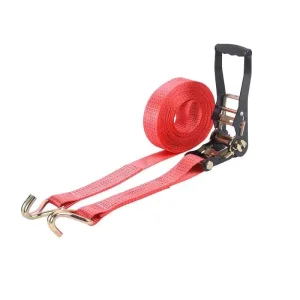
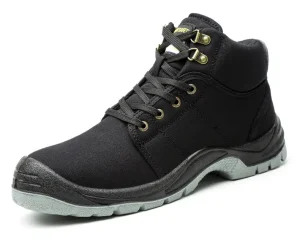
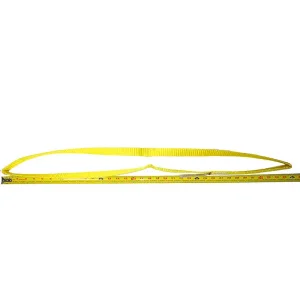
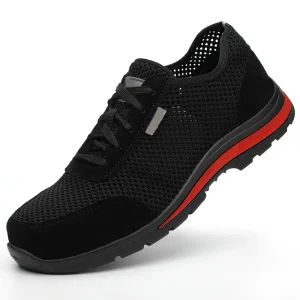
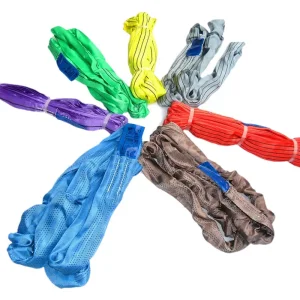
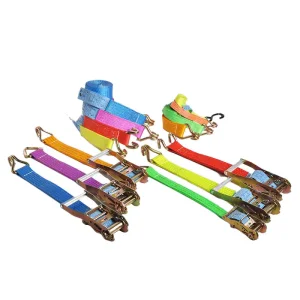
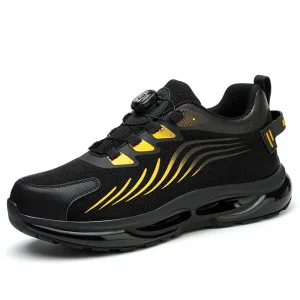
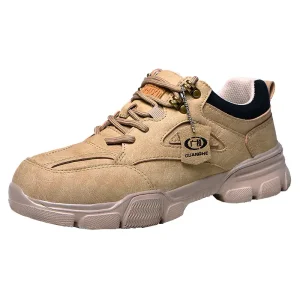
Our integrated factory in Beichen District, Tianjin, manufactures a broad PPE portfolio under one roof: fall arrest safety harnesses, heavy polyester lifting slings, cargo tie-down ratchet straps, steel-toe safety footwear, and industrial hard hats. We pack high-density heavy cargo (such as footwear and hardware ratchet straps) along the container floor, with lightweight carton stock (helmets, harnesses, gloves) stacked above. This optimizes cubic volume utilization and cuts your freight costs per unit.
For standard shell colors (white, high-vis yellow, blue, red, safety orange), our minimum order quantity starts at 1,000 units. For custom Pantone color matching, the MOQ is 2,000 units to ensure consistent resin masterbatch compounding. Production lead times typically run 15 to 25 days following pre-production sample approval, with immediate freight hand-off to Tianjin Port container terminals.
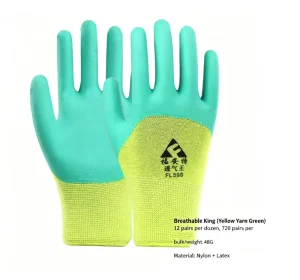
In addition to certified head protection, our Tianjin production facilities manufacture specialized footwear, heavy-duty cargo straps, full nitrile gloves, and industrial lifting slings for global distributors.
Work directly with our factory engineering team in Tianjin, China. From custom 3D CAD design, prototype mold development, and material compounding to full CE EN 397 / ANSI Z89.1 compliance testing and multi-product container consolidation, we deliver professional PPE solutions worldwide.
