Factory-direct personal protective equipment engineered alongside cranial safety helmets for consolidated container shipments from Tianjin Port.
Navigating the paradigm shift from basic crown-impact hard hats to omnidirectional, modular, and biomechanically optimized industrial safety helmets.
Maximum transmitted force allowed under EN 397 and ANSI Z89.1 rigorous drop-tower certifications.
Phase-to-ground flashover protection standard for high-voltage power utility line workers.
Retained ballistic tensile strength for cryogenic logistics, alpine mining, and polar construction.
Specialized integrated production footprint minimizing supply-chain friction for tier-1 distributors.
Across high-consequence industries—ranging from civil mega-infrastructure, petrochemical processing, and offshore extraction to commercial shipbuilding—the traditional rigid brim hard hat is rapidly undergoing an engineering revolution. In modern job sites, cranial trauma rarely occurs solely along the vertical sagittal plane. Falling objects strike at oblique angles, structural ricochets exert multi-axis kinetic vectors, and occupational slips-and-trips induce secondary rotational accelerations. As global compliance mandates migrate toward harmonized standards (such as EN 12492 dual-rated mountaineering-construction cross-hybrids and EN 397 lateral deformation provisions), procurement executives require manufacturing partners capable of balancing polymer science, multi-cavity precision tooling, and batch-to-batch structural uniformity.
China has established itself as the indispensable nucleus of this cranial protection revolution. By coupling massive regional petrochemical olefin refining with advanced closed-loop robotic injection facilities in industrial belts like Tianjin, Chinese manufacturers provide the global safety market with exceptional metallurgical precision, synthetic elastomer stability, and unprecedented vertical integration. For international B2B importers, selecting a qualified Chinese men's safety helmet manufacturer is no longer merely a low-cost arbitrage strategy; it is an imperative for securing verified test credentials, agile mold customization, and supply chain resilience against volatile geopolitical shocks.
Detailed technical evaluation of primary thermoplastic polymers, structural damping cores, and ergonomic retention architecture.
| Polymer Shell Substrate | Tensile Yield (MPa) | Heat Deflection (@0.45 MPa) | UV Degradation Half-Life | Dielectric Class | Optimal Industrial Deployment |
|---|---|---|---|---|---|
| Virgin High-Impact ABS Terpolymer Blend |
42 – 50 | 95°C – 105°C | 3.5 – 5 Years | Class G / Class E | Heavy Civil Engineering, Mechanical Assembly, Commercial Building |
| High-Density Polyethylene (HDPE) High-MW Polyolefin |
26 – 32 | 75°C – 88°C | 2.5 – 3.5 Years | Class E (20kV) | Electrical Utilities, General Contracting, Warehousing, Telecom |
| Polycarbonate (PC) / PBT Alloy Aromatic Polymer Matrix |
60 – 72 | 130°C – 145°C | 5.0+ Years | Class C / Class G | Foundries, Blast Furnaces, Petrochemical Refineries, Wildland Fire |
| Thermoset Phenolic Fiberglass Reinforced Mineral Laminate |
85 – 120 | 200°C+ (Continuous) | 7.0+ Years | Non-Conductive | Smelting Plants, Heavy Steel Rolling Mills, Thermal Demolition |
A men's industrial safety helmet operates not by creating an unyielding kinetic barrier, but by functioning as a progressive kinetic energy deceleration system. The outer shell, manufactured via high-tonnage precision toggle injection molding machines, provides initial projectile deflection and ballistic puncture defense. Under concentrated apex loads, the shell flexes elastically, initiating kinetic dispersion before the impact force concentrates into the cervical vertebrae.
Internally, premier Chinese helmet factories utilize an integrated suspension system consisting of high-tenacity polyester webbing (woven in-house at our Tianjin facilities) configured in 4-point, 6-point, or 8-point load-spreading geometry. This harness suspends the helmet crown precisely 25mm to 50mm away from the wearer's skull cap. When an impact occurs, the elongation of the synthetic webbing absorbs substantial kinetic energy, converting abrupt peak forces into extended deceleration intervals. Furthermore, for EN 12492 and Type II compliance, high-density expanded polystyrene (EPS) or expanded polypropylene (EPP) liners are overmolded into the crown and lateral flanks, absorbing multi-directional impact energy through sacrificial micro-fracture of plastic foam cell walls.
Tailoring helmet configurations to specific environmental stressors, biomechanical hazards, and operational realities.
For men operating on wind turbines, transmission lines, and structural steel framing, dropping a helmet can be fatal. Features low-profile short brims for unobstructed upward vision, integrated high-tenacity 4-point EN 12492 chin-straps (>50 daN release retention), and non-metallic universal accessory slots for visors.
Chin Strap Retention: >50 daNUnvented, shell-impervious construction certified under ANSI/ISEA Z89.1 Class E standards. Withstands up to 20,000 volts of alternating current without dielectric puncture or tracking failure. Injection-molded without metallic rivets, retaining clips, or conductive carbon black fillers.
Class E: 20,000V Dielectric ProofEngineered for high-humidity, confined-space abrasion, and low-light environments. Shells feature built-in lamp brackets, rear cable routing clips, high-impact polycarbonate reinforcements, and retroreflective prismatic stripes complying with global subterranean visibility mandates.
GB 2811 / EN 397 Class -30°C LDAnti-static and spark-proof polymer compound options that prevent dangerous electrostatic discharge (ESD) in ATEX Zone 0/1 explosive gas atmospheres. Resistant to chemical splashes including aromatic hydrocarbons, aggressive solvents, and caustic marine brine.
ATEX Compliant / Surface Res. <10^9 ΩFormulated from specialized Polycarbonate/PBT alloys or fiber-phenolic composites designed to resist molten metal splash (MM designation under EN 397). Retains structural shell rigidity under continuous radiant heat exposure exceeding 150°C without off-gassing toxic fumes.
MM Tested / 150°C Continuous DeflectionEquipped with micro-ventilation ports protected by stainless-steel spark mesh, integrated dual solar-fan cooling mechanisms, internal hydrophilic antibacterial sweatbands, and specialized cool-touch ratcheting headgear to mitigate occupational heat stress.
Active Thermal Flow / Solar CoolingProximity to petrochemical feedstock, vertically integrated textile weaving, and rapid maritime container dispatch from Tianjin Port.
Direct highway access drastically lowers inland drayage expenses and eliminates transshipment lag.
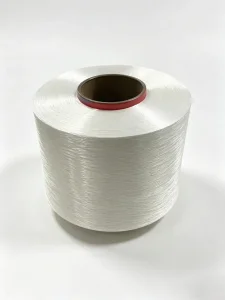
Yarn spinning to strap assembly managed internally for strict harness and suspension tensile control.
In-house CNC mold workshops allow accelerated custom helmet shell prototyping and private logo embossing.
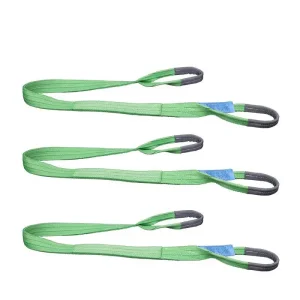
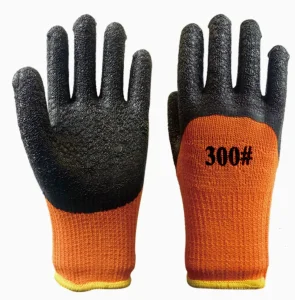
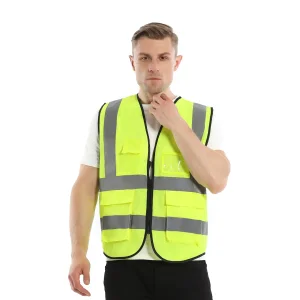
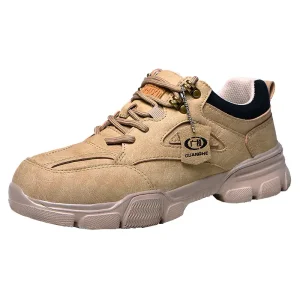
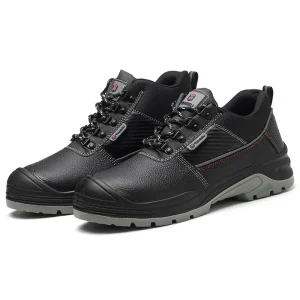
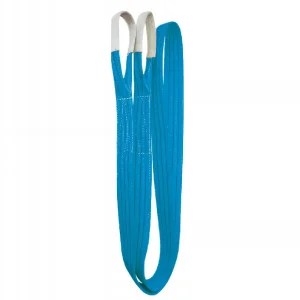
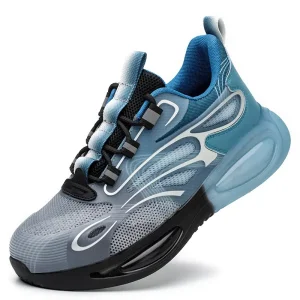
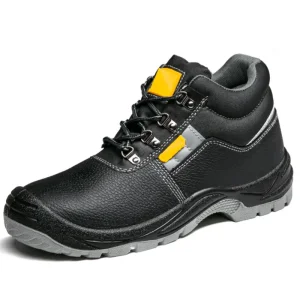
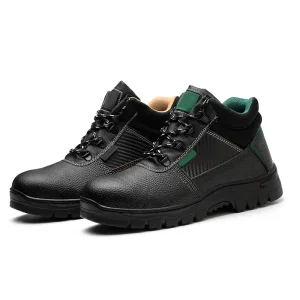
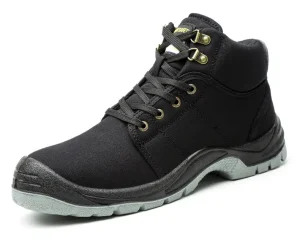
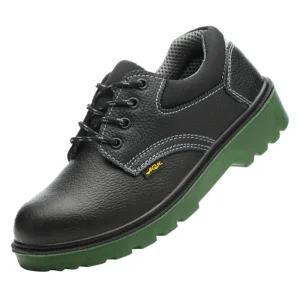
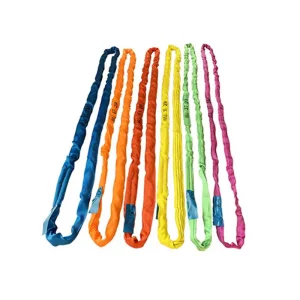
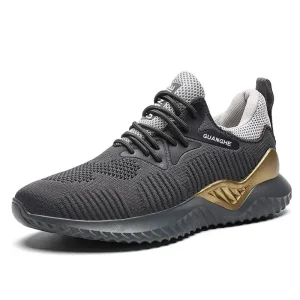
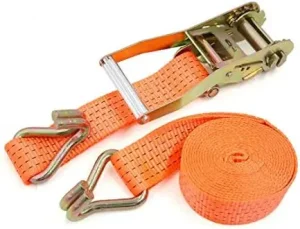
Consolidate safety helmets, webbing slings, harnesses, and safety footwear into a single freight bill.
The manufacturing ecosystem of Tianjin ZhongQi Growth Technology Co., Ltd., based in the Shuangjie Trusted Industrial Park, Beichen District, Tianjin, embodies the peak efficiency of modern Chinese industrial clusters. Unlike standalone assembling facilities that rely on outsourced sub-components, our plant controls the entire manufacturing value chain. We compound our virgin polymers, engineer high-cavity hot-runner injection molds in our dedicated CNC tooling shop, and weave high-tenacity polyester suspension webbings using AA-grade 210D industrial filaments produced on our automated narrow-fabric looms.
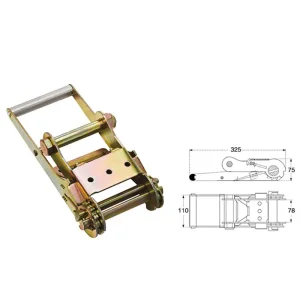
This closed-loop vertical integration addresses three critical vulnerabilities faced by international distributors: batch variability, lead-time inflation, and landed freight overhead. Located adjacent to Tianjin Port—one of the largest deep-water automated container hubs in the world—we schedule direct vessel departures without intermediate warehousing. Furthermore, our multi-category production lines enable overseas clients to mix full body fall-arrest harnesses (CE EN 361), synthetic lifting slings (EN 1492-1), ratchet lashing straps (EN 12195-2), and high-impact men's safety helmets into unified 20GP or 40HQ containers, optimizing container cubic utilization and lowering import customs clearance expenses.
From passive structural shells to connected Internet-of-Things (IoT) sentinels safeguarding worker safety.
Integrating low-friction internal slip-planes engineered to absorb rotational torque during glancing impacts, significantly decreasing traumatic brain injuries (TBI) and diffuse axonal shear.
Embedded tri-axial MEMS accelerometers that distinguish everyday tool drops from severe human free-falls, instantaneously broadcasting GPS geolocations via Bluetooth Mesh or LoRaWAN networks.
Thermal infrared forehead sensors coupled with ambient gas sensors detecting early signs of heat stroke, carbon monoxide, or hydrogen sulfide intoxication before symptoms occur.
Formulating high-performance safety shells from carbon-negative bio-based polyamides and chemically recycled ocean polymers without sacrificing cryogenic drop-impact toughness.
Detailed overview of factory batch testing protocols conducted to guarantee compliance across major international markets.
A legitimate industrial safety helmet manufacturer must maintain an internal ISO 17025 compliant metrology laboratory. At our facility, every production lot of men's safety helmets undergoes stringent destructive validation before dispatch. Our batch testing encompasses four non-negotiable physical evaluations:
A 5.0 kg hemispherical steel striker drops from 1.0 meter onto the helmet crown mounted on an instrumented metal headform. Transmitted force transducers verify that impact loads remain strictly beneath 5.0 kN (EN 397) or 4.45 kN (ANSI Z89.1 Type I).
A 3.0 kg conical drop-dart with a 60-degree case-hardened steel point descends from 1.0 meter. The spike must not make mechanical contact with the simulated cranial headform surface under any circumstance.
Helmets undergo 48 hours of thermal cycling: cryogenic exposure at -30°C, thermal soaking at +50°C, continuous water submersion, and aggressive xenon-arc UV weathering before mechanical impact tests.
Dynamic tensile benches apply progressive loads to the retention harness. Under EN 397, the buckle releases between 150 N and 250 N to prevent strangulation; under EN 12492, it withstands over 500 N to secure the helmet during falls.
By issuing verified Batch Test Certificates (3.1 Type COA) accompanied by full photographic test logs for every export container, we eliminate customs rejections and mitigate downstream liability for our international brand partners.
Consolidate your safety equipment orders directly with Tianjin ZhongQi for unified container logistics and guaranteed standard compliance.
Authoritative answers for procurement managers, health & safety officers, and private label importers.
While all three standards regulate industrial cranial safety, their test methodologies and impact criteria differ significantly:
EN 397 (European Union): Primarily specifies vertical impact testing where a 5 kg striker drops from 1 meter, requiring transmitted forces to not exceed 5.0 kN. It also enforces optional testing for lateral deformation (LD), electrical insulation (up to 440V AC), molten metal splash (MM), and cryogenic resistance (-20°C or -30°C).
ANSI/ISEA Z89.1 (United States): Differentiates between Type I (crown impact only) and Type II (top and lateral/off-axis impact). Transmitted peak force cannot exceed 3,780 N (850 lbf). It strictly classifies dielectric ratings: Class C (conductive, no electrical protection), Class G (general, proofed to 2,200V), and Class E (electrical, proofed to 20,000V).
GB 2811 (China National Standard): Aligns closely with international norms, stipulating maximum transmitted forces under 4.9 kN, alongside comprehensive tests for flame retardancy, lateral puncture resistance, and cold pre-conditioning. Our factory engineers shells to simultaneously fulfill or exceed all three standards depending on your designated target export market.
The choice between ABS (Acrylonitrile Butadiene Styrene) and HDPE (High-Density Polyethylene) hinges on thermal conditions, rigidity demands, and budget constraints:
Specify ABS when the helmet requires maximum surface hardness, scratch resistance, structural rigidity under lateral loads (LD classification), superior finish gloss for high-end corporate branding, and resistance to radiant heat up to 95°C–105°C. ABS is the industry standard for commercial construction and offshore engineering.
Specify HDPE when dielectric insulation (Class E high voltage), ultra-lightweight ergonomic wearability for long work shifts, and extreme cost-efficiency are paramount. HDPE possesses superior natural chemical inertness and performs reliably in electrical utility installation and high-volume logistics handling.
Safety helmets possess two distinct lifespan metrics: shelf storage life and active service life.
In proper indoor storage (away from direct UV radiation and chemical fumes), high-grade virgin polymer shells maintain full integrity for up to 5 years from the injection date stamped into the underside brim.
Once deployed on-site, the standard recommended replacement interval is 2 to 3 years for general construction use, or 1 year in environments exposed to extreme UV sunshine, radiant heat, or chemical atmospheres. Crucially, the internal fabric suspension system must be inspected frequently and replaced every 12 months. Any helmet that experiences a significant structural blow must be removed from service immediately, even if visual damage is absent, as micro-fractures in the internal polymer matrix significantly degrade secondary impact attenuation.
Yes. OEM and ODM manufacturing represents over 70% of our production output. Our customization services include:
• Custom Pantone Matching: Solid high-visibility colors, corporate hues, and specialized camouflage or hydro-dipped carbon textures.
• Logo Application: Tampon pad-printing (up to 5 colors), permanent in-mold labeling (IML), laser engraving, and high-intensity prismatic retroreflective branding.
• Tooling Customization: Rapid CNC mold adjustments for ventilation slot patterns, custom bracket clips, and client-specific logo embossing directly on the shell brim.
• Export Packaging: Full retail color display boxes, master carton barcode integration, and multi-lingual user instruction manuals conforming to EU PPE Regulation (EU) 2016/425.
Safety helmets are volumetrically light but occupy substantial carton volume, creating "dead air" freight inefficiencies if shipped alone. Conversely, products like polyester lifting slings, cargo tie-down ratchets, and steel-toe leather safety boots are high-density, heavy-weight cargo that can hit maximum container weight limits before filling the spatial volume.
By purchasing through Tianjin ZhongQi, procurement teams can execute volumetric-gravimetric freight balancing. We pack dense, heavy items (webbing straps, boots) in lower pallet tiers and pack lightweight helmet cartons in upper tiers. This maximizes both the gross container weight (up to 26,000 kg) and cubic volume (68 m³ for a 40HQ), reducing freight costs per individual safety unit by 18% to 34%.
Every commercial order dispatched from our facility is accompanied by a comprehensive Quality Dossier containing: Certified Mill Test Certificates for raw polymer resins, in-house drop-tower apex impact force calibration graphs, chin-strap tensile tear results, dielectric flashover logs (for Class E), batch conformity declarations, and pre-shipment third-party inspection sign-offs (SGS, TUV, or Intertek on request).
Eliminate distributor markups and secure factory-direct pricing on certified men's safety helmets, fall-arrest harnesses, and load-securing systems. Fast response within 24 hours.