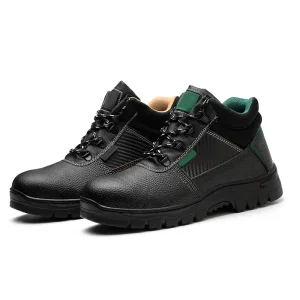
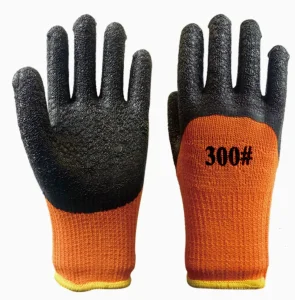
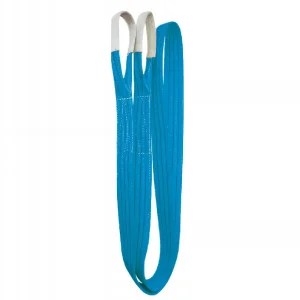
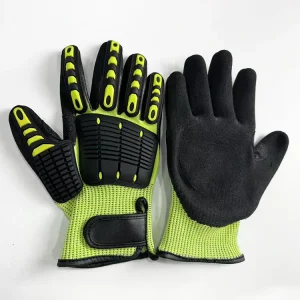
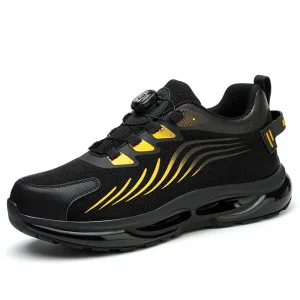
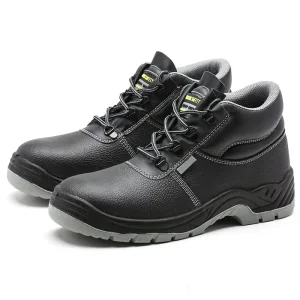
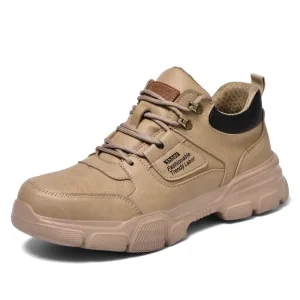
Procure certified industrial equipment direct from tier-one production lines. Our high-capacity factories produce heavy-duty rigging gear, impact-resistant headgear, and personal protective footwear built for rigorous jobsite safety audits.
The European Standard EN 397 sets mandatory engineering thresholds designed to protect workers from falling objects, craniocerebral injuries, and cranial fractures. Our state-of-the-art Chinese injection tooling plants comply strictly with both mandatory thresholds and extreme optional testing classifications.
Under EN 397 section 5.1.1, a 5.0 kg hemispherical striker is dropped from 1,000 mm onto the helmet apex. The residual force transmitted through our harness suspension to the testing headform must never exceed 5.0 kN, dissipating up to 50 Joules of kinetic impact.
Compliant with clause 5.1.2, a 3.0 kg conical striker dropped from 1,000 mm with an acute 60° point must not pierce through the shell or make mechanical contact with the simulated headform under standard thermal, heat (+50°C), and water conditioning.
According to EN 397:2012 section 5.1.4, chinstrap anchor systems must yield at a controlled tensile force between 150 N and 250 N. This prevents fatal strangulation hazards should a descending industrial operative snag their helmet during confined space work or elevation maneuvers.
| Performance Criteria | EN 397 Mandatory Requirement | Optional / Supplementary Class | Factory Engineering Standard |
|---|---|---|---|
| Shock Dissipation | Transmitted force ≤ 5.0 kN (50 J energy) | Tested at -20°C / -30°C Extreme Cold | Precision calibrated 6-point internal harness < 3.8 kN |
| Penetration Clearance | 3 kg conical striker from 1 m without contact | High radiant heat conditioning (+150°C) | Ultra-pure unmodified ABS / PC blended composite |
| Electrical Protection | Optional clause 5.2.3 | Surface leakage current ≤ 1.2 mA (440 Vac) | Dielectric shell design up to 1000V operational safety |
| Lateral Rigidity (LD) | Optional clause 5.2.2 | Compressive deformation ≤ 40 mm, residual ≤ 15 mm | Side-rib structural geometry preventing lateral crush |
| Flame Retardancy | No flame propagation after 5 sec burner exposure | Molten metal splash resistance (MM) | Self-extinguishing V-0 grade polymers available |
Decades of industrial maturity have transformed Chinese protective headwear fabrication from basic molding to high-precision robotic injection, internal computerized quality labs, and high-efficiency raw material localization.
China's comprehensive petrochemical clusters in coastal hubs allow direct sourcing of automotive-grade Acrylonitrile Butadiene Styrene (ABS), High-Density Polyethylene (HDPE), and Polycarbonate (PC) compounds with custom UV-stabilizers.
Our injection molds use hardened beryllium-copper inserts and hot runner matrices. Rapid-cycle chilling channels guarantee uniform shell wall thickness down to ±0.05 mm, eliminating residual structural stress points.
Quality control operates in-house without outsourcing. Every injection batch undergoes drop-tower force transducer recording, cold-conditioning chambers (-30°C), and dielectric voltage tests with complete batch tracking.
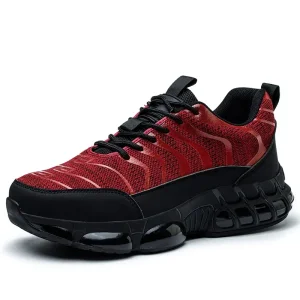
Situated within rapid logistics corridors next to global transshipment ports, we consolidate safety helmets, safety footwear, fall-arrest harnesses, and protective gloves in mixed FCLs, minimizing freight overheads.
No single helmet architecture satisfies every jobsite hazard. We engineer application-specific EN 397 headgear configurations matched to operational temperatures, falling mass variables, and utility risks.
Equipped with extended rain gutters, high-visibility fluorescence, and 30 mm universal side slots for ear defenders and integrated face shields. High-durability ABS shells provide dependable apex impact resistance against dropped bolts, scaffolding fittings, and aggregate debris.
Formulated with specialized anti-static additive masters and unvented crown shells rated for molten metal splash (MM). Chemical-resistant polymers resist petroleum degradation, salt spray oxidation, and extreme weather shifts in offshore rigs.
Unvented shells verified for 440V AC electrical insulation under EN 397 optional testing. Completely metallic-free internal harnesses and hardware ensure total dielectric integrity when technicians inspect municipal grids or switchgear rooms.
The standard construction hard hat is transforming into an integrated industrial safety hub. Explore the technologies steering PPE procurement tenders through 2026 and beyond.
Enterprise ESG mandates are driving demand for safety shells synthesized from post-consumer recycled (PCR) plastics and sugarcane-derived polyethylenes, delivering certified EN 397 shock ratings with reduced embodied emissions.
Traditional EN 397 standards evaluate linear vertical drops. Modern engineering integrates low-friction rotational shear layers (multi-directional slip systems) inside the crown suspension to dampen angular shear stress on the neck and brain.
Next-generation smart helmets embed micro-accelerometers, Bluetooth Low Energy beacons, and NFC inspection chips. These arrays trigger automated emergency warnings during falls and verify PPE compliance across large remote teams.
Purchasing teams face regulatory compliance risks if tender requirements fail to balance mandatory norms with local environmental factors. Keep your procurement audit-proof with this operational blueprint.
Select ABS for superior rigidity, finish, and scratch resistance in demanding construction. Choose UV-stabilized HDPE for balanced impact strength and cost-efficiency across high-turnover temporary workforce tenders.
Specify 6-point over 4-point webbing systems for superior impact dispersion. Ensure a ratchet dial adjuster is chosen over pin-lock systems to let wearers adjust fit quickly while wearing gloves.
Every imported unit must feature injection date clocks on the brim underside indicating month and year of manufacture, standard EN 397 engravings, size span (53-64 cm), and the manufacturer's identification mark.
Demand current EU Type Examination Certificates (Module B) alongside ongoing Module C2 or Module D production conformity documents issued by an accredited European Notified Body (e.g., BSI, SATRA, INSPEC).
Direct technical answers from our production engineering specialists covering testing protocols, material lifespans, custom branding, and international compliance boundaries.
EN 397 governs industrial safety hard hats designed for ground and industrial environments, focusing on top impact attenuation (≤5 kN) with an automatic chinstrap release between 150-250 N to eliminate choking hazards. EN 12492 governs mountaineering and height climbing helmets, requiring multi-directional impact testing (front, side, rear) and a non-releasing chinstrap (>500 N) to ensure the helmet stays attached during repeated drops.
The standard industry guideline recommends retiring HDPE helmets after 3 years and ABS helmets after 5 years from their initial put-in-service date, assuming typical jobsite use. Unused stock preserved in original packaging away from direct UV exposure and volatile chemicals maintains integrity for up to 5 years from the injection clock date. Helmets exposed to an acute impact must be retired immediately.
Yes, provided the branding is applied by the certified factory using compatible ink chemistries. Pad printing or silk-screen transfers using solvent-heavy inks can compromise the polymer matrix, causing stress cracking and voiding safety ratings. Our production facilities use certified inks and custom injection tooling to deliver compliant private-label logos.
Ventilated helmets with open air vents cannot qualify for electrical insulation (440V AC) or molten metal splash (MM) certifications under EN 397 optional clauses. For electrical utility, transformer yard, and switchboard maintenance tenders, procurement buyers should specify unvented, closed-shell designs verified for zero surface leakage.
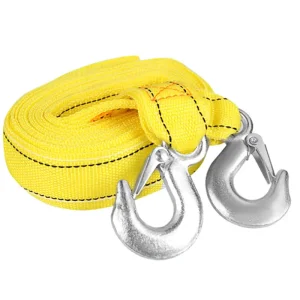
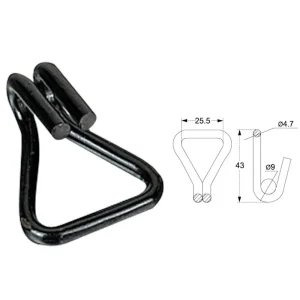
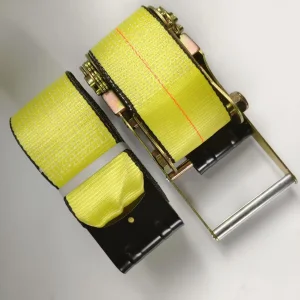
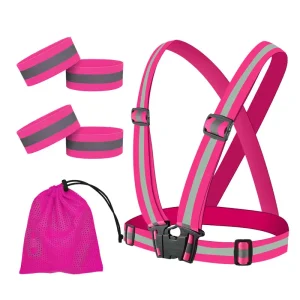
Streamline your supply chain by combining head protection with certified footwear, high-visibility outerwear, and cargo tie-down gear in a single consolidated shipment direct from our manufacturing campus.