Explore our export-certified workshop protective gear manufactured with automated injection, heavy weaving, and precision robotics. Fully customizable for international OEM procurement tenders.
A granular perspective on structural transitions across modern manufacturing floors, high-risk assembly cells, and CNC fabrication centers.
Workshop environments across heavy machinery assembly, automotive stamping, precision aerospace tooling, and metallurgical workshops are encountering rapid transformation. As automation and human-robot collaboration (cobots) proliferate, overhead kinematic hazards have diversified beyond traditional falling structural objects to include suspended robotics, localized high-pressure pneumatic releases, dynamic crane swinging vectors, and high-voltage electrical exposure.
Procurement directors and health, safety, and environment (HSE) auditors from North America, Europe, Australia, and ASEAN are systematically pivoting away from generic, unrated headwear. Modern compliance mandates type-specific head protection with multi-vector deceleration capabilities. A China workshop safety helmet manufacturer must therefore integrate precision resin compounding, automated shell injection molding, and ergonomic dynamic suspension to satisfy contemporary industrial safety audits.
| Standard Code | Target Jurisdiction | Crown Deceleration Limit | Electrical Insulation Grade | Chinstrap Retention Force |
|---|---|---|---|---|
| EN 397:2012+A1:2012 | European Union / Global Ref | < 5.0 kN (transferred force) | 440V a.c. optional test | 150 N < F < 250 N (anti-strangle) |
| ANSI/ISEA Z89.1-2014 | United States / Americas | Type I (Top) / Type II (Lateral) | Class G (2.2kV) / Class E (20kV) | Adjustable Breakaway Spec |
| GB 2811-2019 | China / Central Asia | < 4.9 kN (rigid anvil drop) | Up to 1200V High-Volt Special | 150 N – 250 N standard retention |
| AS/NZS 1801:1997 | Oceania / Pacific Region | Type 1, 2, 3 Specific Damping | Class E Rated Dielectric | Mandatory 4-point dynamic clasp |
Fabrication shops handling structural plate forming require shells engineered against projectile fragment ricochets and intense mechanical vibration.
Workshops requiring electrostatic discharge mitigation require conductive carbon-additive polymer formulas to eliminate static accumulation.
Resistant to high chemical exposure, volatile solvents, paint overspray, and high thermal variances typical of baking ovens.
A systematic overview of our Tianjin-centered manufacturing facility, incorporating resin drying, cold-runner injection, and in-line ultrasonic testing.
We strictly utilize virgin high-density polyethylene (HDPE) and unyielding Acrylonitrile Butadiene Styrene (ABS). Stabilized with hindered amine light stabilizers (HALS) to protect molecular bonds from UV degradation.
Operated via clamping force machines exceeding 450 metric tons. Automated injection parameters prevent knit lines, sink marks, or residual shear stress along structural ribbing curves.
Employing AA-grade 210D polyester webbing belts. Our 4-point, 6-point, and 8-point shock harnesses provide kinetic clearance (minimum 25mm buffer) between user cranium and outer shell.
Every shift subjects sample batches to conditioning at -20°C and +50°C, followed by steel striker drop tests, sharp cone penetration checks, and lateral rigidity deformation metrics.
Strategic directions for 2026–2030, bridging lightweight composite materials with intelligent IoT sensor arrays for connected industrial floors.
Integrating low-friction slip liners to drastically reduce rotational brain acceleration caused by oblique angled impacts in factory corridors.
Computational Fluid Dynamics (CFD) designed convection channels and solar/battery hybrid internal exhaust micro-fans for hot foundry shifts.
Adoption of ISCC Plus certified bio-based polymers and non-toxic recycled netting without compromising raw mechanical tensile performance.
Ultra-low power beacons monitoring ambient gas exposure, thermal heat-stroke risk, cranial impact threshold alerts, and indoor UWB positioning.
Direct supply line advantages originating from our Shuangjie Trusted Industrial Park, Beichen District, Tianjin facility.
Situated within an established safety products corridor adjacent to Tianjin Port—one of North China's premier international container gateways. This ensures minimal domestic drayage expenses, reliable container availability, and swift sailing schedules directly connecting Europe, North America, Southeast Asia, and the Middle East.
We provide full documentation kits with each container shipment: Certificate of Origin (Form E, Form A, RCEP), full material safety data sheets (MSDS), factory batch test reports (BTR), CE Declaration of Conformity (DoC), and pre-shipment third-party inspection certifications (SGS, TÜV, Intertek).
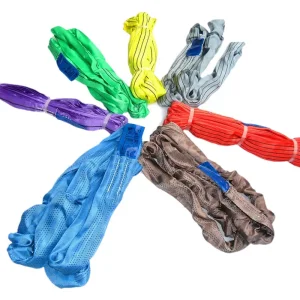
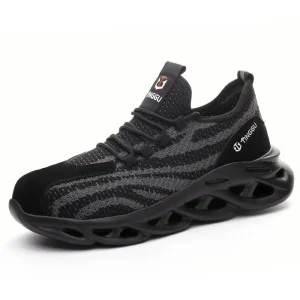
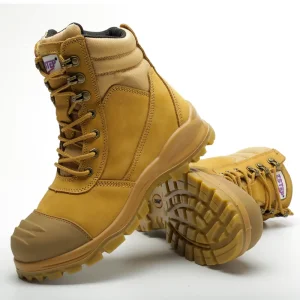
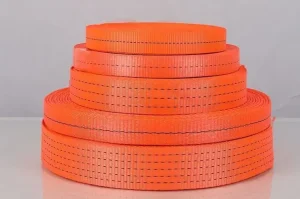
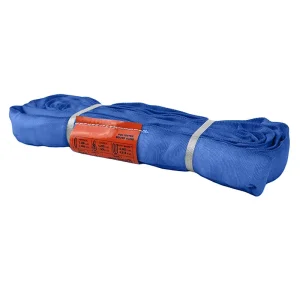
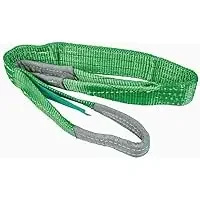
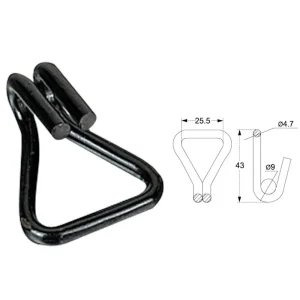
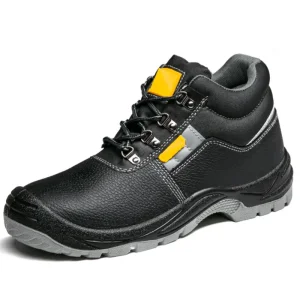
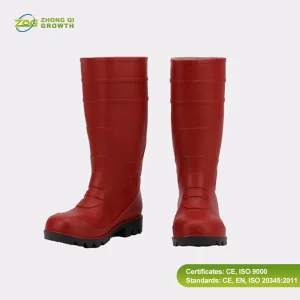
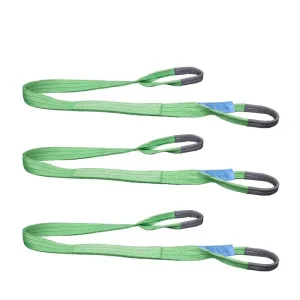
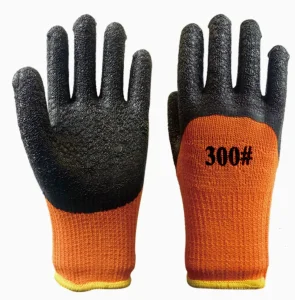
Eliminate multiple supplier overheads. Our clients mix workshop safety helmets alongside CE EN 361 fall protection harnesses, high-strength polyester lifting slings, EN ISO 20345 safety footwear, and cut-resistant work gloves in a single consolidated 20GP or 40HQ container.
Direct technical and commercial answers addressing common inquiries from safety brand managers and corporate buyers.
Under recommended operational conditions without direct UV degradation or mechanical impact, our virgin HDPE helmets possess a recommended service life of up to 3 years from first issue, while our premium ABS and modified polycarbonate models can serve for up to 5 years. Routine visual inspections for micro-crazing, color fading, or deformation are required per OSHA and EN compliance guidelines.
Yes. Our automated masterbatch compounding systems support precise PANTONE and RAL color-matching. For branding, we provide high-durability hot-stamping, precision pad printing, scratch-resistant silk-screen processing, and mold engraving for indelible corporate logos on front, sides, and rear brim zones.
For standard models in warehouse colors (White, Yellow, Blue, Red), our MOQ is 500 units. For fully customized colors, specialized anti-static formulations, or tailored accessory slot configurations, our production MOQ is typically 1,000 units. Prototype and pre-production samples are completed within 3 to 7 business days.
Our internal testing lab performs continuous destructive testing across all manufacturing batches. This encompasses 5kg steel hemispherical drop tests at elevated (+50°C) and sub-zero (-20°C) temperatures, 3kg conical penetration tests, flame resistance assessments, and 440V to 20,000V dielectric breakdown tests before dispatch.
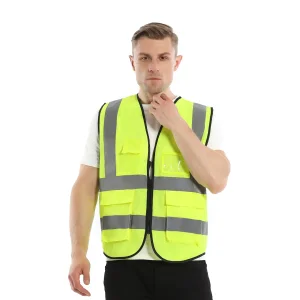
Maximize shipping efficiency and streamline audit compliance by consolidating your workshop safety gear with our matched personal protective equipment lines.