Engineered for extreme operational resilience across global civil contracting, maritime transshipment, structural rigging, and mining environments.
Evaluating the $3.9 Billion global industrial protective helmet market through structural shifts toward multi-directional rotational mitigation, sustainable polymers, and enterprise IoT telemetry.
Industrial health and safety agencies including OSHA (US), Safe Work Australia, and the European Commission under PPE Regulation (EU) 2016/425 have progressively shifted focus from simple vertical impact containment (Type I) toward complex multi-axial and rotational acceleration dissipation (Type II). Our manufacturing infrastructure integrates synchronized drop towers and laser Doppler velocimeters to exceed both EN 397:2012+A1:2012 and ANSI/ISEA Z89.1-2014 standards.
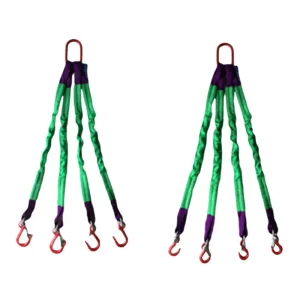
Massive cross-border capital allocations in liquefied natural gas (LNG) terminals, semiconductor fabrication cleanrooms, gigawatt-scale offshore wind farms, and deep-shaft metallurgical mining demand specialized headgear configurations. Procurement directives now insist upon unified procurement channels where helmets, high-tenacity lifting slings, and EN 361 fall-arrest harnesses are sourced from an integrated manufacturing partner to ensure logistical transparency.
Traditional rigid hard hats are transitioning into modular industrial hardware nodes. Tier-1 construction contractors and mine operators mandate accessory integration slots capable of accepting high-decibel passive/active hearing protection (SNR 30+ dB), face shields with arc flash resistance (ASTM F2178), intrinsically safe intrinsically sealed headlamps, and integrated edge-computing thermal heat stress micro-sensors.
Optimizing structural flexural modulus, low-temperature fracture toughness, and UV degradation resistance through customized thermoplastic chemistry.
Acrylonitrile Butadiene Styrene copolymers offer balanced dimensional stability, high surface hardness, and superior lateral deformation (LD) resistance under EN 397 optional criteria. Ideal for commercial structural construction and oil refineries requiring surface gloss for custom corporate branding.
High-Density Polyethylene provides high tensile strength-to-density ratios and ductile fracture properties at sub-zero operating environments (-30°C to -40°C). Resistant to corrosive acids, alkalis, and petrochemical hydrocarbons encountered in refinery operations and offshore platforms.
Engineered for extreme thermal thresholds exceeding 150°C, high dielectric breakdown integrity (Class E up to 20,000 V), and radiant heat environments encountered within smelting plants, glass foundries, and high-voltage power transmission grids.
Incorporating dual-density expanded polystyrene (EPS) or expanded polypropylene (EPP) crown and lateral inserts creates controlled crush zones. This dampens kinetic peak energy transfer down to less than 3.2 kN, well within the 5.0 kN threshold mandated by EN 397.
| Polymer Shell Substrate | Yield Strength (MPa) | Izod Impact Notch (kJ/m²) | Max Continuous Temp (°C) | Dielectric Class (ANSI Z89.1) | Primary Industrial Sector |
|---|---|---|---|---|---|
| Virgin High-Impact ABS | 42 - 50 | 18 - 25 | 85°C | Class G (2,200 V) | Commercial Infrastructure & Logistics |
| Stabilized Copolymer HDPE | 26 - 32 | 12 - 18 | 90°C | Class E (20,000 V) | Deep Petrochemical, Civil Mining |
| Modified Polycarbonate (PC) | 60 - 72 | 35 - 55 | 140°C | Class E (20,000 V) | High-Voltage Utilities, Foundries |
| Fiberglass Reinforced Polymer | 80 - 110 | 40 - 65 | 200°C+ | Class G (Dielectric Varies) | Heavy Metallurgy, High Radiant Smelting |
How our factory-level quality assurance systems align with North American, European, and Australasian engineering safety helmet standards.
Distinguishes between Type I (top vertical impact) and Type II (top and off-center lateral impact attenuation). Shells are subjected to a 3.6 kg hemispherical drop striker from 1.52 meters. Electrical insulation categories mandate Class G (general, tested to 2,200V), Class E (electrical, tested to 20,000V phase-to-ground with zero burn-through), and Class C (conductive, zero voltage protection).
EN 397 requires maximum transmitted force not exceeding 5.0 kN under a 5.0 kg drop weight at 1.0 m drop height. Optional performance includes low-temperature impact conditioning (-20°C or -30°C), lateral deformation (LD), and molten metal splash (MM). EN 12492 defines mountaineering and height-safety specifications, requiring chinstraps to hold over 500 N to avoid helmet loss during fall arrest oscillations.
Mandates Type 1 (general industrial), Type 2 (high-heat environments including mining and wildland emergency response), and Type 3 (bushfire operations). Stringent accelerated UV weathering tests (using xenon arc exposure cycles) ensure that helmets do not undergo micro-cracking or polymer embrittlement under intense Southern Hemisphere solar radiation index thresholds.
Optimizing chinstrap retention, ventilation canal geometry, and accessory mounting for specific industry workflows.
High-density urban builds demand compact, brimless or micro-brim helmet profiles. These allow unimpeded upward sightlines when guiding crane loads hoisted via high-tenacity polyester slings, coupled with 4-point breakaway chinstraps configured to release under excessive snag loads.
Marine drill floors experience heavy spray, corrosive chloride atmospheres, and diesel vapours. Shells require high-grade UV stabilizers and chemical-resistant ABS/HDPE matrixes, paired with non-conductive, salt-spray-resistant stainless or nylon ratchet harness hardware.
Underground conditions require heavy-duty integrated battery cable clips, fixed front lamp brackets for explosion-proof cap lamps, reflective micro-prismatic tape (compliant with EN ISO 20471), and robust 6-point shock-absorbing suspension ribbons for continuous 12-hour shifts.
Technicians ascending ladder safety systems in wind turbine nacelles require dual-standard helmets (EN 397 industrial + EN 12492 working at height). Chin retention must withstand >500 N forces to prevent displacement during sudden arrest events on safety harness lines.
Strategic product development pathways for the next decade of industrial head protection.
Implementation of low-friction internal slip-planes that deflect rotational kinetic vectors during oblique head impacts, reducing concussive brain strain injury (Strain Index reduction > 35%). Redesigned rapid-dial 6-point internal web cradles provide balanced cranial pressure distribution.
Embedding low-energy BLE mesh sensors directly into helmet crown ribs. Real-time logging of hard hat ambient temperature, humidity, worker heart rates, fall impact acceleration spikes (> 10G thresholds), and automated SOS distress beacons for lone workers in remote oil and chemical zones.
Transitioning virgin fossil resin feedstocks toward ocean-bound post-consumer recycled (PCR) ABS and bio-attributed polyamides without sacrificing mechanical izod impact strength or flame retardance (UL94 V-0 ratings), providing industrial buyers with verified ESG Scope 3 reductions.
Tianjin ZhongQi Growth Technology Co., Ltd. delivers integrated personal protective equipment programs directly from our Beichen District production hub adjacent to Tianjin Port.
Our state-of-the-art mold-making facilities construct multi-cavity hardened steel injection dies (HRC 48-52) with high-efficiency conformal cooling channels. This ensures uniform wall thicknesses across deep-drawn helmet crowns, preventing sink marks, residual stress concentrations, or internal voids.
We provide 4-color automatic pad printing, laser engraving, thermal transfer decals, and hydro-dipping for camouflage or carbon-weave aesthetics. Custom PMS brand colors can be formulated directly into the raw resin masterbatch, ensuring scratch-proof, non-fading corporate identity across entire fleets.
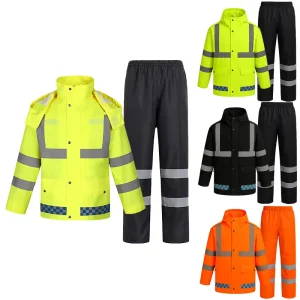
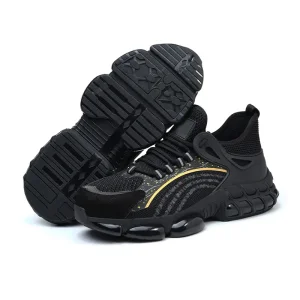
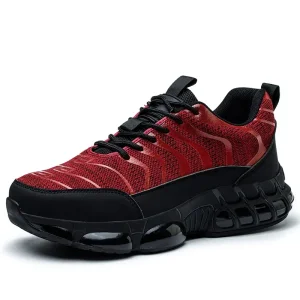
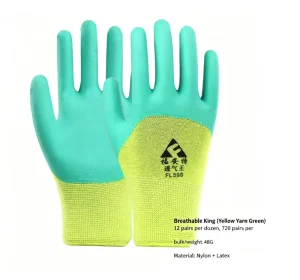
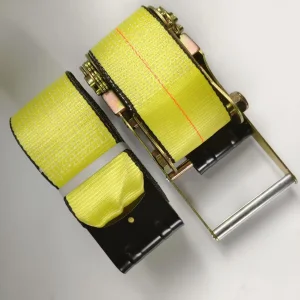
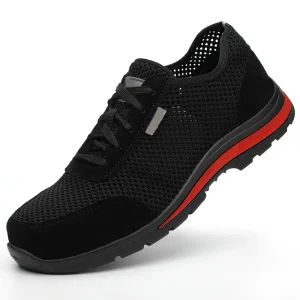
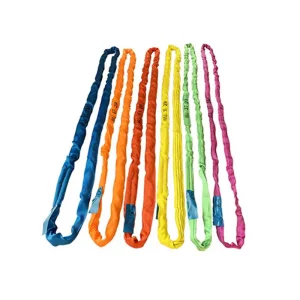
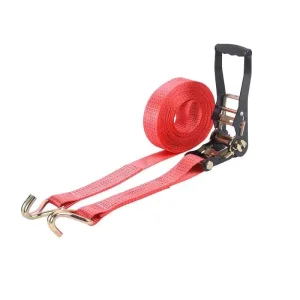
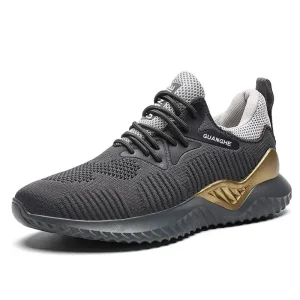
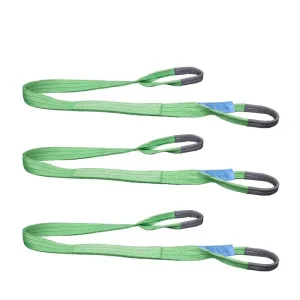
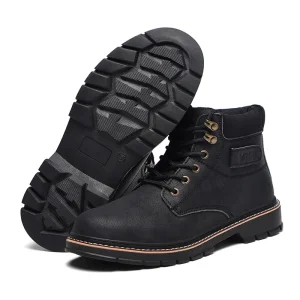
Eliminate split-supplier inefficiencies. Consolidate full 40ft HQ shipping containers combining custom safety helmets, EN 361 fall arrest safety harnesses, polyester eye-and-eye webbing slings, cargo tie-downs, Kevlar-lined safety shoes, and heavy-duty nitrile work gloves under a unified bill of lading.
Located inside Shuangjie Trusted Industrial Park, Beichen District, our manufacturing workshops sit minutes from Northern China's primary maritime container terminal (Tianjin Port). This proximity guarantees low inland trucking transit fees, flexible cut-off handling, and fast transit timelines to major international seaports.
Every custom production run undergo multi-stage physical and environmental qualification inside our internal test laboratories.
Using hardened piezoelectric load cells installed inside calibrated steel headforms (size 54, 57, and 60), samples are impacted by 5.0 kg flat and hemispherical strikers dropped at 1.0 m to 1.5 m. Peak forces are logged automatically; any batch transmitting over 4.0 kN is flagged and recalibrated.
Safety helmets undergo 24-hour environmental pre-conditioning cycles before impact trials: prolonged heat treatment at +50°C, extreme cryogenic chilling down to -30°C, and complete immersion water soaking. This verifies consistent polymer fracture resistance under diverse climatic operational zones.
Class E configurations are immersed in water-filled conduction reservoirs and subjected to 20,000 V AC potential applied continuously for three minutes. Leakage current is continuously tracked through digital micro-ammeters, confirming dielectric insulation integrity.
Direct answers to common technical, compliance, and custom manufacturing inquiries from international engineering buyers.
EN 397 governs industrial hard hats intended for ground-level manufacturing, mining, and general construction. It requires a chinstrap that releases between 150 N and 250 N to eliminate strangulation risks if caught in machinery. Conversely, EN 12492 applies to mountaineering and working-at-height. It mandates that chinstraps withstand at least 500 N force without breaking or slipping more than 25 mm, preventing the helmet from falling off during sequential fall-arrest swings.
Under normal outdoor UV exposure, virgin ABS and HDPE safety helmets maintain certified energy absorption capabilities for approximately 3 to 5 years from date of initial field issuance (assuming appropriate storage and no mechanical drop impacts). Shells crafted with premium hindered amine light stabilizers (HALS) resist UV embrittlement longer. Internal textile harness suspensions must be replaced every 12 to 24 months due to sweat, soil, and sebum degradation.
No. Safety helmets equipped with molded passive or sliding ventilation ports automatically fail electrical insulation mandates under ANSI Z89.1 (Class E / Class G) and EN 397 440V AC electrical tests. Any perforation in the shell allows electrical current flashover. Vented helmets are classified as Class C (Conductive), intended specifically for heat stress mitigation where zero electrocution risk exists.
Custom injection mold design, mold-flow kinematic analysis, CNC fabrication, and initial T1 pilot sampling typically requires 35 to 45 business days. Once client sign-off is completed, standard mass manufacturing MOQs for bespoke custom shell geometries start at 3,000 units per color run, with private label custom logo printing runs starting at 500 units on standard shell bodies.
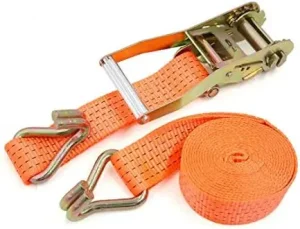
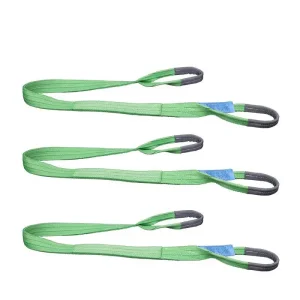
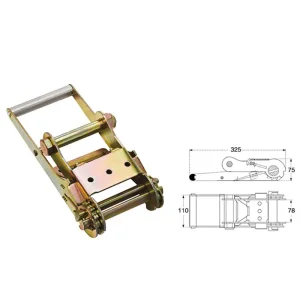
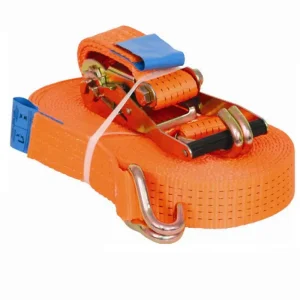
Yes. One of ZhongQi's distinct supply-chain advantages is multi-category factory consolidation. International distributors can consolidate custom-colored engineering helmets alongside our CE EN 361 fall-arrest harnesses, EN 1492-1 flat lifting slings, ratchet lashing belts, safety footwear, and protective gloves into a single ocean container, optimizing shipping costs and simplifying import customs clearance.
Every protective helmet, harness, and sling features permanent molded-in or sewn-in date clocks, serial numbers, and batch lot tracking codes. We archive retained production samples and raw polymer test records from every single shift for a minimum of 5 years, providing full technical accountability in the event of job-site audits or compliance verifications.
Complete your site safety equipment fleet with factory-direct supply lines manufactured to rigorous CE, EN, and GS international parameters.
Partner directly with Tianjin ZhongQi Growth Technology Co., Ltd. for certified custom head protection, private-label branding, and comprehensive industrial PPE container shipments. Our technical team responds within 24 hours.