Explore our export-grade, field-tested PPE and heavy cargo control inventory, engineered according to strict European and North American quality frameworks.
A deep dive into how integrated industrial belts, precision tooling clusters, and supply line localization provide global safety contractors with high-margin, fully certified headgear.
Chinese factories leverage tightly clustered chemical supply chains for high-performance polyetherimide (PEI), reinforced polyamide (PA66), and modified Kevlar/aramid composites. This vertical integration allows suppliers to iterate structural helmet shells with high heat-deflection thresholds (>260°C) at a fraction of Western tooling costs.
Situated within the Shuangjie Trusted Industrial Park, facilities tap into North China's deep-water logistics corridor at Tianjin Port. Global distributors can consolidate mixed-SKU containers containing helmets, fall arrest harnesses, and certified work footwear without bearing multiple inland haulage costs.
State-of-the-art multi-axis CNC machines and robotic injection lines shorten OEM mold engineering cycles from 16 weeks to less than 28 business days. Factory-floor optical coordinate measurement systems guarantee that shell dimensions remain stable across 100,000-unit continuous production runs.
The global structural firefighting and industrial safety market is shifting from passive headgear to multi-threat, IoT-integrated combat systems designed for modern tactical environments.
Deploying hybrid carbon-aramid woven architectures cuts structural shell mass down by 22% while boosting kinetic deflection values. This significant reduction in center-of-gravity elevation directly mitigates chronic neck compression injuries experienced by structural first responders during prolonged rescue deployments.
Modern helmets embed low-profile forward-looking infrared (FLIR) sensors, heads-up telemetry displays (HUD), and bone-conduction radio communication systems directly inside the internal cavity, providing structural search teams with hands-free navigational visibility in zero-lux, dense-smoke rooms.
Transitioning from basic 4-point webbing cradles to multi-directional slip-plane suspensions drastically minimizes angular acceleration to the cranium during glancing structural debris impacts, surpassing traditional direct perpendicular drop-test requirements mandated by obsolete benchmarks.
Multi-stage secondary ocular shields treated with optical-grade dual vapor gold deposition maximize radiative thermal reflectance (shielding up to 1000°C flash radiant heat) while retaining high luminous transmittance and fog-resistant properties conforming to modern optic field mandates.
Industrial hazards require application-specific helmet geometry. We manufacture bespoke models engineered explicitly for diverse environmental threats.
Full-brim traditional and jet-style European configurations engineered with flame-retardant polyamide liners and Nomex neck curtains. Built to withstand 10-second thermal flashovers at 1000°C without plastic flow or strap failure, protecting teams inside enclosed domestic and commercial infernos.
Ultra-vented, ultra-lightweight structural configurations designed with closable convective top vents, secondary mesh debris screens, and integrated smoke goggle retaining clips. Prioritizes continuous heat dissipation during punishing 12-hour field operations under high ambient temperatures.
Dielectric rated (exceeding Class E 20,000V electrical isolation) structural shells with complete acid, solvent, and corrosive chemical penetration resistance. Designed with low-profile geometries ensuring clean compatibility with Self-Contained Breathing Apparatus (SCBA) face masks and heavy hazmat suit collars.
B2B procurement teams face rigorous qualification requirements. Here is how our engineering-first, factory-direct model eliminates downstream failure points.
| Critical Procurement Dimension | Standard Sourcing Intermediary | Our Factory Direct Engineering Solution |
|---|---|---|
| Batch Quality Verification | Sporadic visual inspection; third-party lot testing reports often outdated. | 100% in-house mechanical destructive drop testing and infrared batch lot tracing before export packaging. |
| Custom Mold Turnaround | Subcontracted; 90 to 120 days minimum lead time with extensive markup. | Direct multi-axis tooling shops with fast 28-day functional T1 prototyping and mold modifications. |
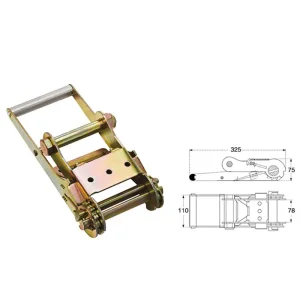
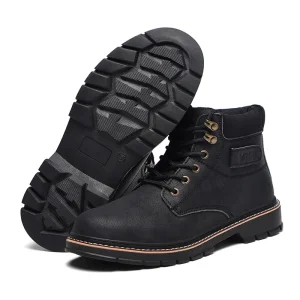
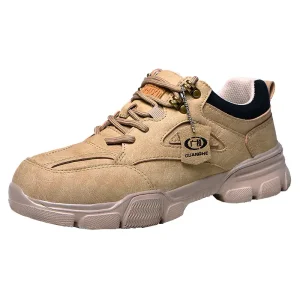
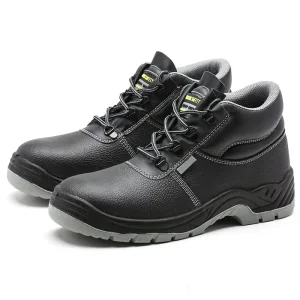
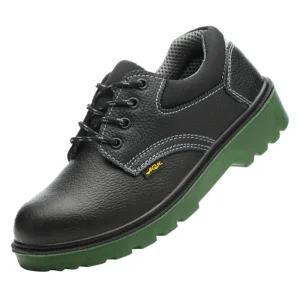
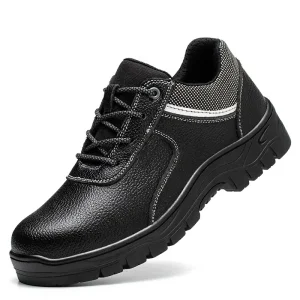
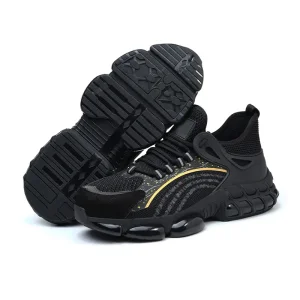
| Container Space Utilization | Single category shipping leads to light, volumetric ocean freight penalties. | One-stop consolidation of head protection, harness webbing, steel-toe footwear, and tie-down straps in single containers. |
| Regulatory Documentation | Generic declaration of conformity without verifiable testing institution links. | Full technical construction files (TCF), factory audit records, and valid EN 443 / NFPA 1971 test reports provided. |
Consolidate your safety equipment purchase orders directly from North China's premier manufacturer and reduce overall freight expenditure.
Clear, direct answers regarding testing specifications, factory tooling lead times, OEM/ODM agreements, and logistics execution.
Our custom fire safety helmets are engineered to comply with major worldwide standards depending on client target markets, including European EN 443:2008 (structural firefighting helmets), EN 16471 (wildland fire fighting), and EN 16473 (technical rescue). For North American clients, we build to NFPA 1971 specifications. Additionally, our industrial safety helmets strictly comply with CE EN 397 and ANSI/ISEA Z89.1 Type I & II Class E dielectric standards. We supply complete test certification documentation with lot traceability for every production cycle.
Yes. Over 15 years of factory-direct OEM/ODM expertise allows comprehensive tailoring. We offer pantone-accurate shell injection, UV-resistant photo-luminescent and fluorescent powder coatings, customized 3M reflective strip configurations, and tampo or laser-printed corporate insignias. Furthermore, we construct custom tooling for peripheral accessory brackets accommodating bone-conduction communication systems, intrinsic-safety headlamps, and specialized tactical respirators.
For custom industrial helmet tooling, our in-house engineering team completes 3D CAD modeling, rheological mouldflow analysis, and initial rapid prototype generation within 7 to 10 working days. Hardened steel multi-cavity injection molds are completed in 28 to 35 business days for T1 sample approval. Once physical prototypes pass client drop testing and high-heat validation, mass production runs are finished within 30 to 40 days, based on order quantities and container schedules.
We execute strict incoming raw material verification (spectrometric checks on high-performance resin lots, flame-resistant treatments, and tensile fiber integrity). During production, random samples undergo 4-hour thermal conditioning at -30°C and +50°C, followed by guided-fall 5kg hemispherical striker impact attenuation testing and 1000°C radiant heat exposure tests. Internal quality engineers log all test metrics and provide technical inspection dossiers prior to bill-of-lading release.
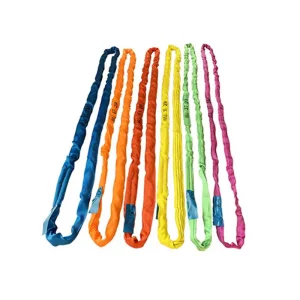
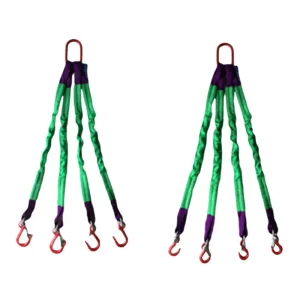
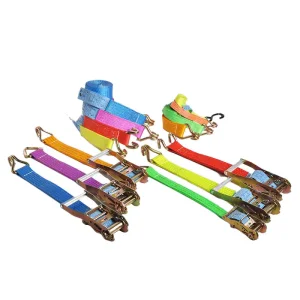
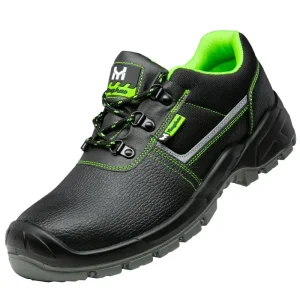
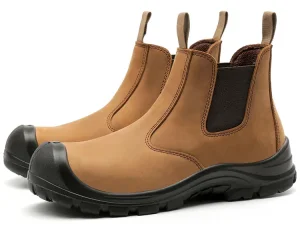
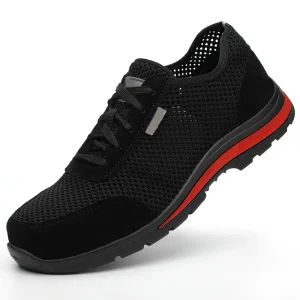
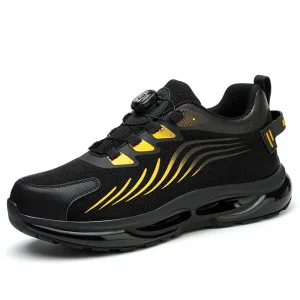
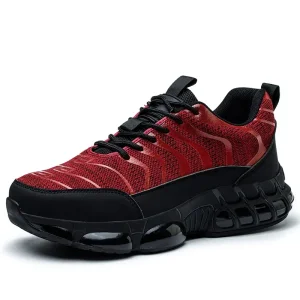
Absolutely. One of our primary operational strengths is full-spectrum container optimization directly from our manufacturing facilities in Beichen District, Tianjin. International clients regularly consolidate full-body fall protection harnesses (EN 361), heavy-duty polyester lifting slings (EN 1492-1), ratchet cargo straps, steel-toe safety footwear, and head protection within a single 20GP or 40HQ container. This approach eliminates domestic double-handling, lowers customs clearance overhead, and significantly reduces ocean freight costs per unit.
