High-durability personal protective gear and high-tenacity strapping systems manufactured to EN, ANSI, and ISO benchmarks for enterprise supply chains worldwide.
In modern industrial safety engineering, traumatic brain injuries (TBIs), cerebral concussions, and cervical spine fractures remain catastrophic hazards across heavy manufacturing, civil infrastructure, offshore wind power, and subsurface mining. Conventional hard hats, historically manufactured as single-piece low-density polyethylene domes, are rapidly proving inadequate in environments with multi-directional impact risks, rotational accelerations, and high-voltage electrical arcs. As global safety directives migrate toward harmonized criteria—notably ANSI/ISEA Z89.1-2014 (R2019), EN 397:2012+A1:2012, EN 12492:2012, and AS/NZS 1801:1997—industrial safety helmet manufacturing has evolved from simple thermoplastic extrusion into a multidisciplinary science encompassing high-molecular polymer chemistry, precision CNC tooling, and dynamic biomechanical modeling.
Critical Sourcing Insight: Global procurement directors must evaluate safety helmets beyond crown vertical impact ratings. Off-axis kinetic mitigation, lateral deformation resistance (LD), molten metal splash barrier (MM), low-temperature brittle transition (-30°C/-40°C), and electrical dielectric attenuation (Class E up to 20,000V) define the dividing line between basic regulatory compliance and genuine enterprise risk elimination.
Based in Tianjin's Shuangjie Trusted Industrial Park, Tianjin ZhongQi Growth Technology Co., Ltd. operates at the nexus of China's advanced polymer fabrication and precision technical webbing supply chains. Leveraging high-tenacity 210D AA-grade polyester weaving systems, high-tonnage microcellular injection molding, and an integrated in-house drop-tower ballistics lab, ZhongQi engineers customized head protection solutions that eliminate intermediary margin layers while guaranteeing strict batch-to-batch conformity under CE Module B and Module D production monitoring protocols.
How regional industrial agglomeration, raw material synthesis, precision injection tooling, and port-side logistics produce unmatched procurement value for global importers.
China's petrochemical corridors provide direct access to prime virgin polymers—including high-crystallinity Acrylonitrile Butadiene Styrene (ABS), ultra-high-density polyethylene (HDPE), and modified Polycarbonate/Polybutylene Terephthalate (PC/PBT) blends. ZhongQi utilizes in-line twin-screw compounding with automated UV-stabilizer (HALS) and thermal aging additives, ensuring uniform pigment dispersion and chemical embrittlement protection across millions of units.
Tooling lead times that require 16 to 24 weeks in Western manufacturing centers are accomplished within 25 to 35 days in our Tianjin toolmaking center. Utilizing multi-axis CNC electro-discharge machining (EDM) and hot-runner mold architecture, our production lines achieve uniform wall-thickness geometries (2.4mm to 3.2mm ±0.05mm), eliminating residual internal shear stress and sink marks that cause premature shell rupture under drop impact.
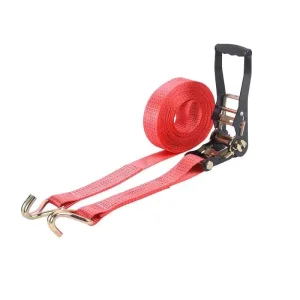
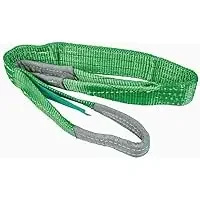
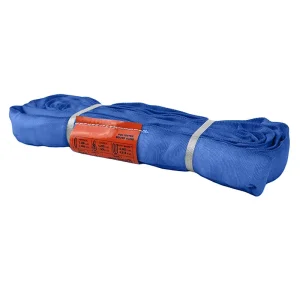
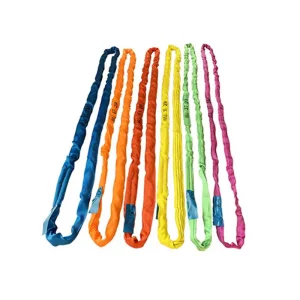
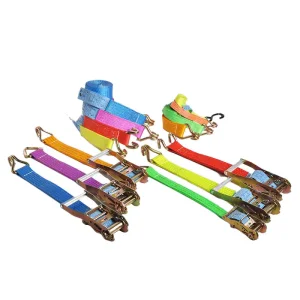
A helmet's internal suspension is as critical as its outer shell. As an established manufacturer of high-tensile polyester cargo straps, lifting slings, and fall arrest harnesses, ZhongQi produces 4-point, 6-point, and 8-point suspension webbings internally. We weave high-grade polyester webbing that maintains structural elongation under load, transferring deceleration energy over the cranial perimeter without bottoming out against the apex dome.
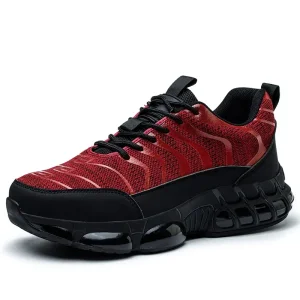
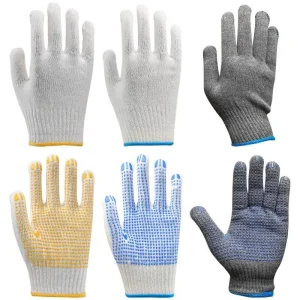
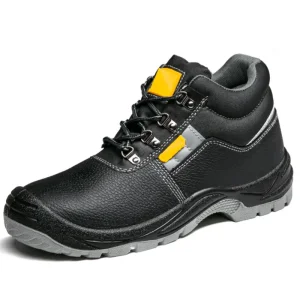
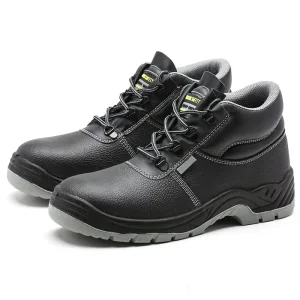
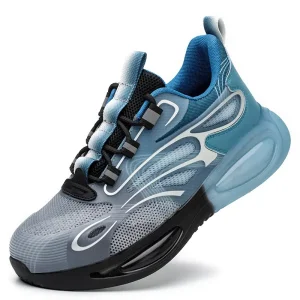
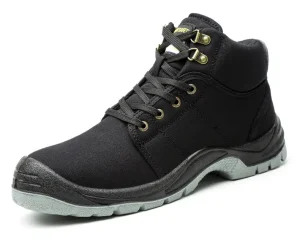
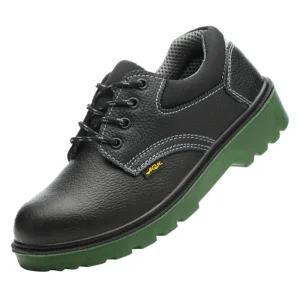
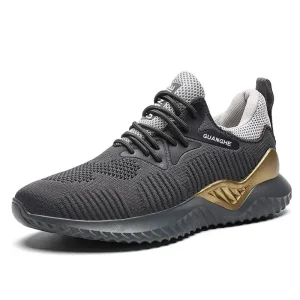
Located in Beichen District adjacent to Tianjin Port (one of the world's highest-throughput container hubs), factory-to-berth drayage is measured in hours rather than days. Importers achieve massive supply chain consolidation efficiencies by combining head protection helmets, safety shoes, cut-resistant gloves, and CE-certified fall-arrest webbing harnesses within single 40ft HQ container bookings, dramatically slashing landed unit freight overheads.
Beyond rigid plastic bowls: exploring the confluence of micro-electronics, multi-density cellular foams, rotational impact redirection, and biosourced materials.
Traditional safety standards prioritize linear normal impacts. However, over 78% of industrial falling object collisions occur at glancing, oblique angles that induce rotational acceleration—the primary cause of diffuse axonal injuries (DAIs). Advanced helmet designs integrate slip-plane liners (such as rotational shear damping layers) and dual-density expanded polypropylene (EPP) co-molded inserts that dissipate rotational kinetic spikes before transmission to the brainstem.
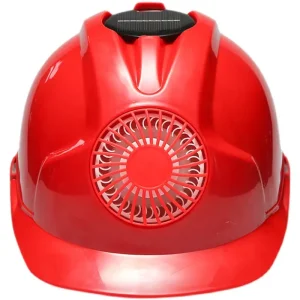
The emergence of 'Connected PPE' has transformed helmets into situational awareness nodes. Custom OEM requests increasingly specify embedded micro-modules: BLE 5.3 beaconing, NFC safety clearance tags, multi-axis accelerometers for lone-worker man-down detection, ambient hydrogen sulfide (H2S)/carbon monoxide (CO) gas monitors, and solar-assisted active thermoelectric convective vortex fans designed for tropical and desert megaprojects.
Modern work sites reject ad-hoc tape and clamp accessories. The contemporary industrial helmet incorporates standardized 30mm universal side slots, integrated headlamp brackets, drop-down dual-lens arc flash shields, and bayonet earmuff adapters. This modular integration ensures that respiratory visors and hearing protectors function in concert without compromising the dielectric seal or mechanical crown clearance of the helmet.
Global enterprise ESG mandates are accelerating the shift toward low-carbon lifecycle safety helmets. ZhongQi engineers have integrated high-performance post-consumer recycled ABS (rABS) and bio-attributed polyamides that achieve mechanical drop impact ratings identical to virgin resins. For ultra-demanding environments, our advanced carbon-fiber/Kevlar woven matrix shells offer extreme strength-to-weight ratios under 350 grams.
Every sector presents distinct hazard vectors. Discover how specific helmet shell geometries, liners, and harness configurations are tailored to target field conditions.
Environmental Hazards: 60-knot gale gusts, high-salt marine corrosiveness, ascending ladder snag risks, dropped bolt hazards.
Engineered Formulation: Unvented or micro-shuttered EN 12492 compliant climbing helmet shell with ultra-short peak for unobstructed upward line-of-sight. Equipped with a 4-point harness system calibrated to a release retention force >50 daN, preventing helmet dislodgement in the event of an arrested fall.
Environmental Hazards: Ceiling spalling, falling fractured quartz, pitch darkness, high humidity, confined clearance.
Engineered Formulation: Reinforced ABS/Polycarbonate compound shell with integrated front lamp bracket and rear battery cable tethers. Includes high-visibility retro-reflective prismatic micro-strips and an 8-point heavy webbing suspension capable of absorbing consecutive 100-joule apex impacts without structural cracking.
Environmental Hazards: 20kV flashovers, induced electromagnetic fields, overhead conductor drops, phase-to-ground arcing.
Engineered Formulation: ANSI Z89.1 Class E and EN 50365 (1000V a.c. / 1500V d.c.) certified unvented shell fabricated from zero-conductivity dielectric thermoplastics. Free of metallic pins or rivets, paired with an integrated arc flash face shield tested to 12 cal/cm² (ATPV).
Environmental Hazards: Corrosive hydrocarbon mists, volatile explosive atmospheres (ATEX Zone 0/1/2), radiant process heat.
Engineered Formulation: Antistatic surface resistivity (<10&sup9; ohms) preventing static spark ignition. Constructed with high-heat stabilization resins rated for molten metal splash (MM) and structural lateral deformation (LD) under severe crushing loads up to 430N.
Cross-regional compliance demands comprehensive verification. Compare regulatory parameters across major continental markets to streamline your import clearance.
| Standard / Regulation | Jurisdiction | Impact Drop Energy (Joules) | Penetration Conical Striker | Dielectric / Electrical Class | Chin-Strap Retention Mandate |
|---|---|---|---|---|---|
| ANSI/ISEA Z89.1-2014 | North America / US OSHA | Type I: 54J (Apex) Type II: 54J + Off-Axis |
1 kg @ 3.0 m (Apex) | Class G (2,200V) Class E (20,000V) Class C (0V) |
Optional (Required only when working aloft or in wind) |
| EN 397:2012+A1:2012 | European Union / CE Mark | 49J (5.0 kg @ 1.0 m) Residual force <5.0 kN | 3.0 kg conical @ 1.0 m (No shell touch) | 440V a.c. optional (or EN 50365 for 1,000V a.c.) | Releases between 150N and 250N to prevent strangulation |
| EN 12492:2012 | Mountaineering / Height Work | Vertical: 50J Front/Back/Side: 25J |
3.0 kg striker @ 1.0 m multi-angle | Non-insulated (Vented designs standard) | Must not release below 500N (>50 daN) to retain helmet |
| AS/NZS 1801:1997 | Australia / New Zealand | Type 1 (General): 34J Type 2 (High Heat): 50J |
3.0 kg @ 1.0 m pointed punch | Optional electrical resistance test (up to 650V) | Mandatory for industrial rigging and structural steel |
| GB 2811-2019 | China National Standard | 50J (Impact force <4.9 kN) | 3.0 kg drop striker @ 1.0 m | Class 1 (440V) Class 2 (10,000V) |
Required with quick-release ratchet tightening dial |
1. Rapid CAD/CAM Prototyping: 3D SLA resin sampling within 72 hours for ergonomic contour and dimensional fitting clearance.
2. Tooling Fabrication: Multi-cavity P20/718H hardened steel injection tooling with custom logo embossing on shell crown or sides.
3. Polymer Compounding: Virgin ABS, PC, or HDPE pelletizing mixed with Pantone-matched UV inhibitors and fire retardants.
4. Batch Testing: Every lot of 1,000 helmets undergoes apex drop impact, low-temp preconditioning (-30°C for 4 hours), and water-immersion dielectric breakdown checks in our certified QA laboratory before packaging.
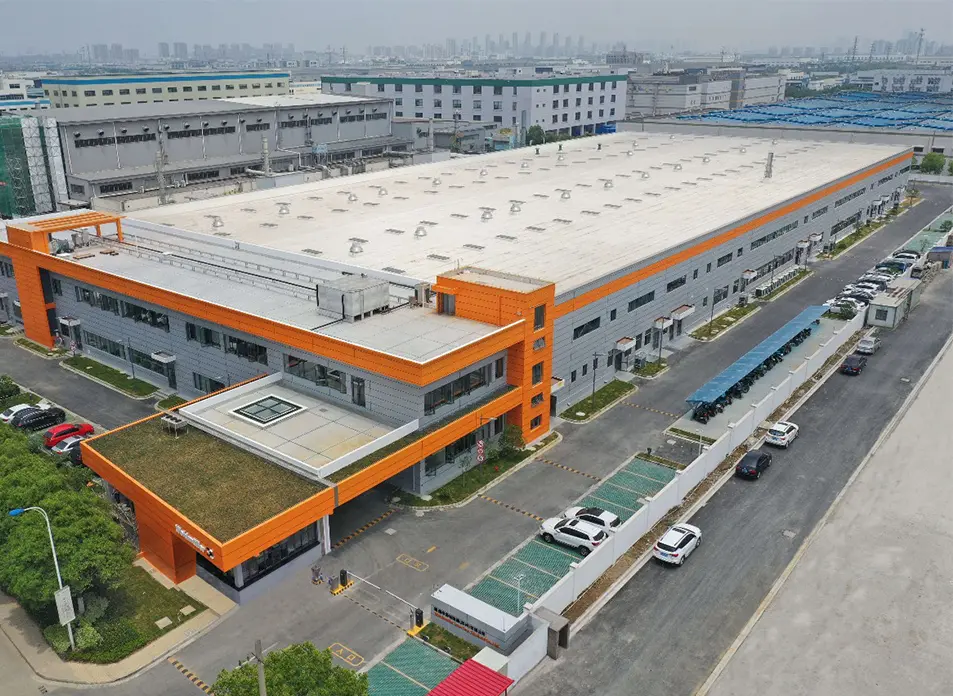
At Tianjin ZhongQi Growth Technology Co., Ltd., head protection is not treated as a commoditized retail novelty—it is engineered as a certified lifesaving appliance. From our Beichen District facility, our multi-stage quality control loop oversees raw resin hygroscopic dehumidification, automated robotic sprue trimming, and ultrasonic welding of suspension anchor lugs.
By controlling both thermoplastic shell fabrication and the internal textile webbing assembly, our design engineers eliminate common third-party fitment tolerances that lead to helmet wobble, neck fatigue, and dangerous pressure hotspots during 12-hour shifts.
Clear, authoritative technical answers addressing standards, mold customization, material stability, replacement cycles, and consolidated shipping logistics.
The core difference centers on chin-strap retention force and impact coverage. EN 397 (designed for ground construction and industrial sites) mandates that the chinstrap buckle releases between 150N and 250N to prevent accidental strangulation if caught in machinery, focusing primarily on vertical crown impacts. In contrast, EN 12492 (engineered for climbing and working at heights) requires the chinstrap to withstand >500N (>50 daN) without releasing, ensuring the helmet stays anchored to the worker's head through multiple rollovers during a fall arrest event, alongside mandatory front, rear, and lateral impact mitigation.
High-Density Polyethylene (HDPE) is economical, lightweight, and excels in general outdoor civil works with adequate UV performance. Acrylonitrile Butadiene Styrene (ABS) offers superior surface rigidity, high scratch resistance, superior structural lateral deformation (LD) resistance, and better low-temperature impact tolerance down to -30°C. Polycarbonate (PC) is the premium choice for extreme conditions, offering outstanding heat deflection resistance (up to 150°C), molten metal barrier protection, and exceptional radiant flashover durability for smelters, chemical refineries, and foundries.
Lifespan is dictated by raw resin stabilization and environmental exposure. Under continuous outdoor sunlight and UV exposure, virgin ABS shells should be retired after 3 to 5 years from date of initial deployment, regardless of visual integrity, due to photochemical polymer cross-linking embrittlement. Textile suspension harnesses, which absorb sweat and oils, should be inspected semi-annually and replaced every 12 to 24 months. Crucially, any helmet subjected to a major drop impact must be decommissioned immediately, as micro-fractures in the polymer matrix permanently compromise kinetic energy dissipation.
Yes. We offer turnkey OEM/ODM customization. For existing shells, we provide silk-screen printing, multi-color heat transfer printing, and pad printing for corporate logos, along with custom Pantone-matched masterbatch coloring for shell orders exceeding 1,000 units. For proprietary designs, our in-house engineering team designs custom injection molds (including modular ventilation ports, integrated visor tracks, and corporate insignia embossing) with tooling completion in approximately 30 working days.
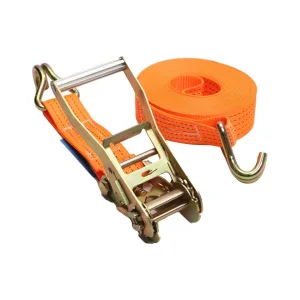
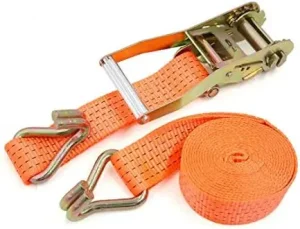
Because our Tianjin factory manufactures fall-arrest harnesses, cargo lashing belts, and lifting slings while operating dedicated assembly partnerships for safety footwear and work gloves, buyers can consolidate an entire multi-category PPE portfolio inside a single container. This reduces partial-container (LCL) freight penalties, centralizes inspection documentation into one unified bill of lading (BOL), and optimizes landed shipping costs per unit.
Every export shipment is backed by batch-specific Certificates of Conformity (CoC), material technical data sheets (TDS), and copies of accredited third-party test reports (from notified bodies such as SATRA, BSI, or INSPEC). Batch numbers and production timestamps are permanently hot-stamped onto the underside of each helmet brim to ensure total regulatory traceability across global supply chains.
Integrate your supply chain with our heavy-duty anti-puncture boots, cargo tie-downs, non-slip protective gloves, and multi-scenario safety helmets.