Engineered for rigorous industrial operations. Our Tianjin production facility delivers OEM/ODM manufacturing adhering to international high-hazard safety criteria.
Modern occupational health and safety engineering has progressed beyond simple crown deflectors into multidisciplinary biomechanical protection systems.
From early vulcanized fiber and phenolic resin hats of the mid-20th century, the PPE industry shifted toward high-density polyethylene (HDPE) and unplasticized acrylonitrile butadiene styrene (ABS). Modern safety helmets now leverage cross-linked UV-stabilized polycarbonate (PC) and PC-PBT blends, providing extreme impact dissipation across an operating envelope from -30°C to +50°C without brittle failure.
Traditional industrial hard hats were exclusively calibrated to mitigate focal cranial fractures resulting from perpendicular vertex drop impacts (linear deceleration). Recent neuro-trauma epidemiological data proves that catastrophic diffuse axonal injuries (DAI) are predominantly induced by oblique impacts triggering rapid rotational head accelerations. Modern helmet engineering mandates multi-density expanded polystyrene (EPS) or expanded polypropylene (EPP) liners.
User compliance directly correlates with ergonomic comfort. Fixed 4-point webbing cradles have given way to 6-point and 8-point textile harness configurations featuring micro-ratchet dials, low-nape positioning, and sweat-wicking synthetic antimicrobial liners. These architectures equalize pressure distribution across the parietal and occipital bones, ensuring sustained stability during active movement.
Modern Chief Procurement Officers (CPOs) and Environmental Health & Safety (EHS) directors face complex challenges in PPE lifecycle management, cost modeling, and supplier reliability.
Direct procurement price is merely the visible apex of the procurement iceberg. Forward-thinking enterprises evaluate TCO by evaluating field durability, UV stabilization ratings, and resistance to environmental stress cracking (ESC). A low-tier hard hat degraded after 12 months in intense solar exposure inflates logistical handling costs and inventory reorder overhead by up to 240% relative to high-grade virgin ABS stabilizers with guaranteed 3-to-5-year field service lifetimes.
International distributors require comprehensive brand customization: pad-printed corporate pantone insignias, custom mold engravings, integrated slots for hearing protection, visor attachments, and specialized chin-strap buckles. Partnering with a vertically integrated manufacturer possessing in-house CNC mold-making and high-tonnage precision injection machinery dramatically shortens tool fabrication lead times from 16 weeks to under 35 days.
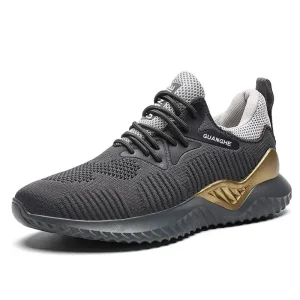
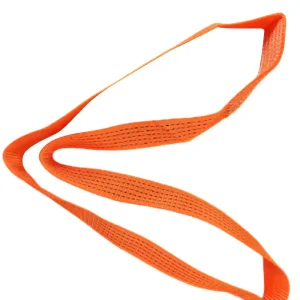
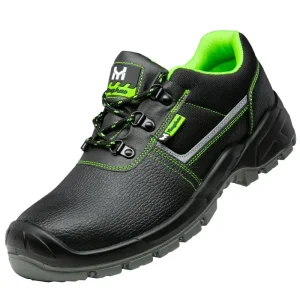
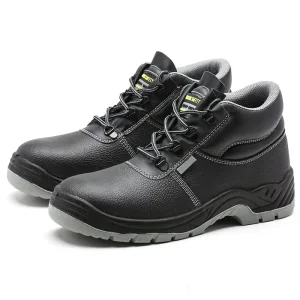
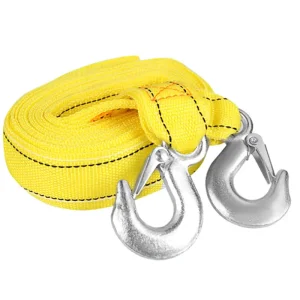
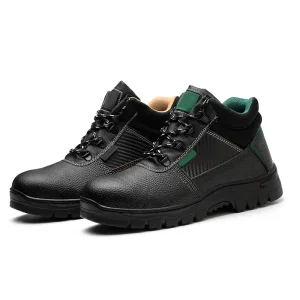
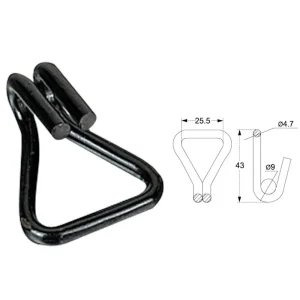
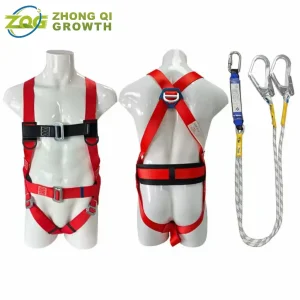
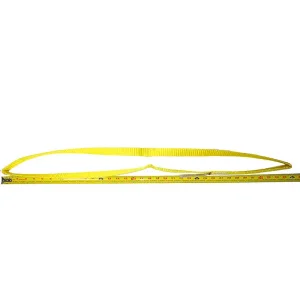
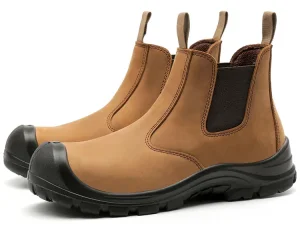
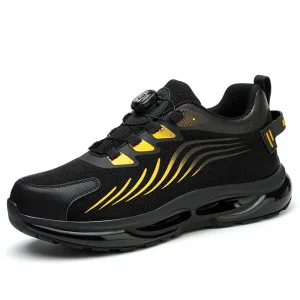
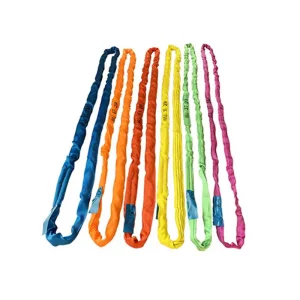
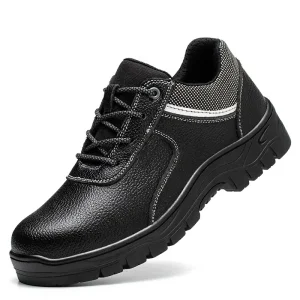
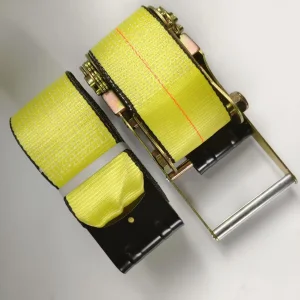
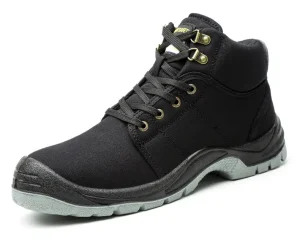
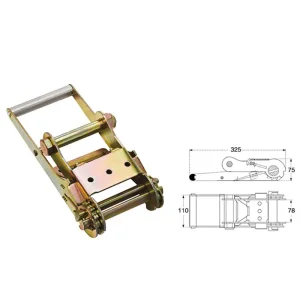
Head protection programs rarely operate in isolation. Global buyers demand supply consolidation where full-body safety harnesses (CE EN 361), polyester flat webbing slings (EN 1492-1), ratchet cargo tie-downs, protective footwear, and industrial helmets are loaded into unified 40-foot HQ containers. Our Beichen District, Tianjin industrial facility minimizes inland freight transfer to Tianjin Port, cutting dwell times and maximizing maritime freight volume utility.
Tailored helmet shells, suspension designs, and peripheral integrations calibrated against sector-specific structural, chemical, and environmental threats.
Features Type II / EN 12492 dual-certified hybrid helmets equipped with lateral deformation (LD) reinforcement, integrated retractable polycarbonate eye shields, and 4-point chin straps rated >50 daN to eliminate helmet dislodgement during falls from scaffolds, ladders, or elevated formwork platforms.
Demands high-performance unvented ABS shells resistant to chemical splash, saline corrosion, and radiant hydrocarbon flame exposure. Incorporates universal euro-slots for intrinsically safe helmet-mounted headlamps, face shields, and integrated passive hearing defenders rated NRR >26 dB.
Mandates ANSI Class E and EN 50365 (Class 0) certified non-conductive dielectric configurations rigorously tested to withstand 20,000 volts AC proof testing with absolute zero shell ventilation holes, safeguarding linemen against flashover arc discharges and high-voltage line contacts.
Integrates heavy-duty polycarbonate shells exhibiting ultra-high penetration resistance against falling rock shards, dedicated heavy cable management brackets for corded miner cap lamps, and high-visibility retroreflective prisms compliant with ISO 20471 Class 3 luminosity.
Deciphering regional regulatory divergences is vital to ensure cross-border compliance, zero customs detention, and absolute worker safety under audit scrutiny.
| Standard | Jurisdiction | Primary Impact Vector | Penetration Metric | Electrical Insulation | Chin-Strap Load Limit |
|---|---|---|---|---|---|
| ANSI/ISEA Z89.1 | North America | Type I (Top) / Type II (Lateral & Top) | 1 kg Plummet (3 m Drop) | Class E (20 kV) / Class G (2.2 kV) / Class C (None) | Optional release testing |
| EN 397:2012+A1 | European Union / UKCA | Vertical Crown (5 kg striker, 1 m drop <5 kN) | 3 kg Conical Striker (1 m) | Optional 440 V AC / EN 50365 (1000 V) | Release at 150 N – 250 N (Anti-strangulation) |
| EN 12492:2012 | Mountaineering / Height Work | Top, Front, Side, Rear Multi-impact (5 kg striker) | 3 kg Flat cone striker (1 m) | Typically Class C (Vented) | Must NOT release at <500 N (Retention during fall) |
| AS/NZS 1801:1997 | Australia / New Zealand | Type 1 (Industrial) / Type 2 (High temp) / Type 3 (Bushfire) | 3 kg Pointed Drop Core | Optional 650 V electrical test | Breakaway harness requirements |
| GB 2811-2019 | China (National) | Vertical Crown Impact (<4.9 kN transmitted) | 3 kg Cone Striker (1 m) | Category T (Dielectric test standard) | 150 N – 250 N Release window |
A recurrent engineering conflict in height-work safety programs is the chin-strap tension threshold. Standard industrial standard EN 397 mandates that the retention system must release between 150 N and 250 N to eliminate strangulation risks should the hard hat snag on structural machinery. Conversely, mountaineering and high-scaffold standard EN 12492 dictates that the harness must withstand at least 500 N without release to ensure the helmet stays on the worker's head throughout multi-bounce fall trajectories. Our factory resolves this through innovative variable-shear dual-mode release buckles switchable by site safety managers.
Compliance is not verified on paper; it is guaranteed through mechanical torture tests. In accordance with ISO 9001 quality audit loops, samples from every 5,000-unit injection cycle undergo: 1) Artificial UV aging in xenon chambers; 2) Thermal conditioning at -30°C and +50°C for 24 continuous hours; 3) Gravitational drop-tower impact tests measuring peak deceleration force transduced through an anatomically contoured piezo-electric headform; 4) Flammability testing subjecting the shell to a Bunsen burner flame for 10 seconds.
Deep-dive engineering into the macromolecular compounds and suspension physics that transform destructive kinetic energy into dissipated thermal and elastic deflection.
We optimize three distinct polymeric matrix formulations according to operating environments: 1) High-Flow Virgin ABS offering exceptional surface finish, rigidity, and superior impact strength at sub-zero temperatures; 2) Engineering-Grade Polycarbonate tailored for elevated thermal radiation environments up to 150°C like smelting plants; and 3) UV-Stabilized HDPE delivering balanced lightweight performance and chemical solvent resistance for agriculture and standard assembly logistics.
To pass stringent Type II multi-directional impact assessments, outer shells work in unison with an internal expanded polystyrene (EPS) or expanded polypropylene (EPP) crash liner. Engineered with closed-cell micro-bubble cavities, these liners deform plastically upon high-velocity impact, absorbing up to 75% of residual shock waves that would otherwise propagate directly through the skull base into the cervical spine.
Heat stress directly accelerates fatigue and cognitive impairment on job sites. Vented helmet designs feature computational fluid dynamics (CFD) optimized venting chimneys with sliding shutters. Air enters frontal low-pressure intake zones and exits through rear exhaust ports via natural convective chimney effects, lowering internal crown skin temperatures by up to 4.2°C during sustained physical exertion under direct sunlight.
How Industrial Internet of Things (IIoT) sensors, bio-based circular polymers, and real-time biometric telemetry are redefining worker protection standards.
Embedding passive UHF RFID chips and NFC contactless chips within the polymer shell rim during high-temperature injection molding. Enables safety officers to instantly read production batch records, deployment dates, and scheduled retirement inspections via enterprise mobile devices, eliminating illegible degraded adhesive labels.
Micro-electromechanical systems (MEMS) 6-axis accelerometers integrated into the suspension architecture continuously monitor g-force profiles. Detects immediate severe impacts and rotational shocks, broadcasting emergency SOS coordinates to central control dispatchers over low-power Bluetooth Mesh or LoRaWAN networks.
Integrating ultra-miniaturized electrochemical sensors directly into the brow sweatband to measure localized ambient heat, humidity indexes, and parts-per-million (PPM) concentrations of hazardous gases such as Hydrogen Sulfide (H₂S) and Carbon Monoxide (CO) in confined spaces.
Transitioning baseline manufacturing toward Post-Consumer Recycled (PCR) polyolefins and bio-attributed monomers derived from tall oil and agricultural by-products. Reduces scope 3 embedded carbon emissions by up to 55% while maintaining strict adherence to high mechanical impact criteria.
Direct answers to the most common engineering and supply-chain questions posed by international buyers before placing initial purchase orders.
Under normal operational conditions compliant with EN 397 and ANSI Z89.1 guidance, standard virgin ABS and HDPE safety helmets possess an unissued shelf life of 5 years from the injection-molded date stamp when stored in a cool, dry warehouse without UV exposure. Once placed in field service, shells subject to daily solar radiation and atmospheric degradation should be retired after 2 to 3 years, while internal textile suspension harnesses should be replaced every 12 months. Any helmet that has sustained an impact event must be decommissioned immediately, regardless of whether visual shell fracturing is apparent.
Yes. Our facility utilizes automated computerized gravimetric dosing units to produce custom pantone or RAL matched polymer masterbatches. For high-visibility applications, we formulate specialized fluorescent pigments containing hindered amine light stabilizers (HALS) to ensure color brilliance does not fade under prolonged UV exposure. Minimum order quantity (MOQ) for custom color formulation begins at 1,000 units per color run.
Every production run is assigned an encrypted batch tracking number hot-stamped into the helmet brim alongside the manufacturing calendar clock. We supply full technical documentation files comprising: 1) Notified Body CE Type Examination Certificates; 2) Independent third-party test reports (e.g., SGS, BSI, INSPEC); 3) Mill test certificates for virgin polymer pellets; and 4) Pre-shipment drop-tower impact test log sheets indicating precise peak force attenuation recorded at our internal testing laboratory.
For bespoke private-label helmets requiring custom shell contours, integrated visor rails, or proprietary accessory attachment points, our R&D engineering department produces initial 3D SLA functional prototypes within 5 business days. Once final CAD drawings are signed off, our CNC machining center completes high-pressure hardened P20/718 steel injection mold tooling within 30 to 45 calendar days, followed by trial T1 samples submitted for impact and penetration validation.
Absolutely. One of our strongest core competencies is consolidated logistics. Located in the Shuangjie Trusted Industrial Park in Beichen District, Tianjin, our production complex consolidates CE EN 361 full-body fall arrest harnesses, industrial lifting slings (EN 1492-1), ratchet cargo lashing tie-downs, safety boots, and hard hats into consolidated 20GP or 40HQ export containers, significantly reducing handling overhead and maritime shipping expenditures.
Certified work safety footwear, heavy-duty cargo control webbing, and full-body harnesses built to streamline your global vendor base.