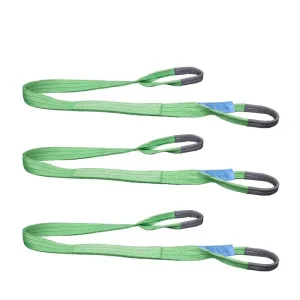
Explore our certified baseline equipment engineered to Japanese industrial performance standards, high-tensile load restraint systems, and site-ready ergonomic safety gear.
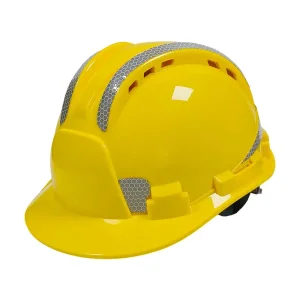
Analyzing why Japanese-style safety helmets have become the international gold standard for low-profile ergonomics, rotational impact management, and cross-functional disaster readiness.
The global occupational head protection market is undergoing a structural paradigm shift. For decades, traditional hemispherical hard hats dominated North American and European industrial sectors. However, the international ascendancy of the Japanese Safety Helmet design philosophy—characterized by a compact shell volume, shortened brim for upward sightlines, streamlined low center-of-gravity (CoG), and multi-tier expanded polystyrene (EPS) or expanded polypropylene (EPP) liners—has transformed buyer specifications across high-tier civil engineering, semiconductor fabrication, and automated plant maintenance.
In the Japanese domestic and export landscapes, industrial safety helmets must satisfy strict regulatory baselines under the Industrial Safety and Health Act (ISHA) and JIS T 8131:2015 (Industrial Safety Helmets). Unlike standard industrial headwear designed primarily for top-down impact (falling objects), Japanese regulatory criteria enforce dual-purpose or triple-purpose performance matrices: "For Protection against Flying and Falling Objects" and "For Protection in Falls from Heights" (crash protection during slip, trip, or rotational fall arrest). Furthermore, designated variants incorporate electrical insulation validation up to 7,000V AC to mitigate live-conductor flashover in rail and sub-station projects.
Procurement directors in Southeast Asia, the Middle East mega-project corridors (such as NEOM and high-speed rail packages), and European civil engineering consortia increasingly transition toward Japanese-spec OEM platforms. The commercial rationale rests on three pillars:
| Standard / Jurisdiction | Impact Energy Attenuation | Off-Axis (Lateral) Impact | Penetration Resistance | Electrical Insulation Class |
|---|---|---|---|---|
| JIS T 8131:2015 (Japan) | Transmitted force < 4.9 kN (Falling) / < 9.8 kN (Fall-arrest) | Mandatory (Fall Protection Type) | 3 kg cone striker at 1000mm; no electrical contact | Up to 7,000 V AC proof test (< 10 mA leakage) |
| EN 397:2012 (European Union) | Transmitted force < 5.0 kN | Optional Clause 5.2.4 | 3 kg conical striker at 1000mm; no shell contact | 440 V AC baseline; 1,000 V via EN 50365 |
| ANSI/ISEA Z89.1 (United States) | Type I (Top only) / Type II (Lateral & Top) | Mandatory only for Type II | Plumb-bob striker; zero shell penetration | Class G (2,200V) / Class E (20,000V) |
How progressive composite chemistry, active ventilation aerodynamics, and digital sensor fusion are driving the next generation of industrial protective equipment.
By blending high-molecular-weight virgin Polycarbonate (PC) with impact-modified Acrylonitrile Butadiene Styrene (ABS), manufacturers achieve shell tensile strengths exceeding 52 MPa while maintaining high notch toughness at -30°C. Nanoscale silane coating techniques prevent environmental stress cracking (ESC) caused by petrochemical mist, hydraulic fluids, and prolonged UV-C photo-degradation.
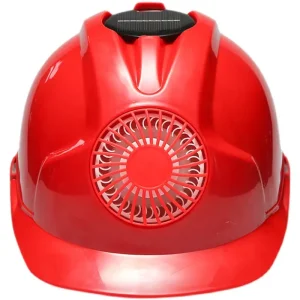
Tropical and high-humidity construction programs encounter compliance failure due to heat exhaustion. Japanese fluidic channeling incorporates intake vents at the positive pressure stagnation zone (front brow) and dual convective scavenge exhaust ports at the low-pressure rear perimeter, generating continuous passive air movement without breaching JIS electrical or chemical splash tolerances.
While traditional linear drop tests quantify direct perpendicular impacts, clinical neurotrauma data indicates that brain shear injury stems from angular acceleration. Next-generation OEM tooling incorporates low-friction elastomeric slip-layers and segmented multi-density EPP/expanded polyethylene liners that displace up to 12mm upon oblique impact, reducing rotational brain acceleration by up to 40%.
Customized safety helmet configurations engineered for stringent site conditions, varying environmental hazards, and specialized engineering operations.
Unvented, non-conductive dielectric shells certified to 7,000V. Equipped with Japanese-style quick-release ratchet suspensions, chin straps without metallic eyelets, and arc-flash face-shield attachment clips for substation electricians and Shinkansen track maintenance crews.
Reinforced fiberglass-reinforced plastic (FRP) and hybrid ultra-thick ABS shells designed to resist falling sharp rubble, lateral cave-in pressure, and high point-load impacts. Integrated brackets accommodate headlamps and anti-fog safety spectacles.
Electrostatic Discharge (ESD) safe shells treated with permanent conductive internal additives (surface resistance 10^6 to 10^9 ohms/sq). Non-outgassing polymers prevent micro-particle contamination in Class 100 photolithography environments.
Salt-spray resistant stainless steel suspension rivets combined with marine-grade UV absorbers. Short-brim configuration prevents helmet snagging during access via vertical ladders, ship bilges, and enclosed ballast tanks.
A systematic technical overview illustrating how OEM helmet manufacturing transitions from passive mechanical shielding toward connected, proactive life-safety systems.
Integration of ISCC-Plus certified bio-circular polycarbonates derived from pine oil waste, achieving a 65% reduction in cradle-to-gate carbon footprint without sacrificing tensile modulus or low-temperature impact thresholds.
Embedded millimeter-wave pulse sensors within the sweatband monitor real-time worker core body temperature and heartbeat variability to trigger automated heatstroke alerts via Bluetooth Low Energy (BLE) / LoRaWAN mesh networks.
Micro-OLED waveguide optics embedded directly into the retractable polycarbonate visor, superimposing BIM models, underground gas pipe schematics, and hazard proximity warnings into the field of view without exterior brackets.
Outer shell surfaces infused with microencapsulated polymerizing agents that automatically fill micro-fractures induced by mechanical stress, paired with molecular color-shifting dye that signals structural fatigue expiration.
End-to-end original equipment manufacturing, high-precision injection tooling, custom livery, and supply chain consolidation designed for international compliance files.
Our engineering team utilizes finite element analysis (FEA) and mold flow software to optimize gate locations, wall thickness gradients, and internal ribbing architectures. This eliminates internal weld line vulnerabilities, ensuring that customized shell geometries pass stringent drop-hammer testing at the thinnest possible shell weight.
We supply enterprise-scale private labeling: multi-color high-definition pad printing, vacuum transfer corporate branding, and micro-encapsulated passive RFID or NFC tags molded into the shell brim. EPC managers track PPE asset assignment, inspection validity, and mandatory 3-year replacement dates across tens of thousands of site personnel.
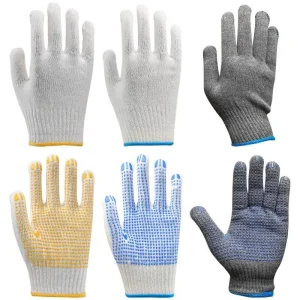
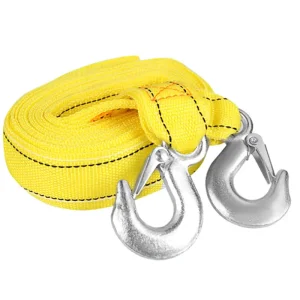
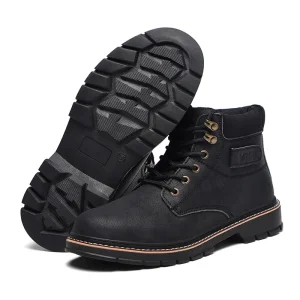
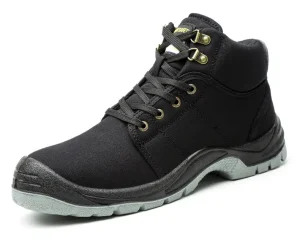
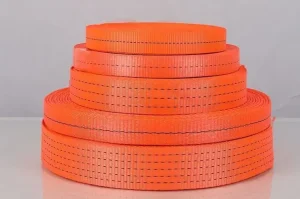
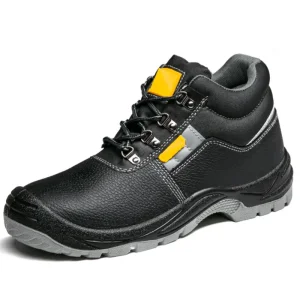
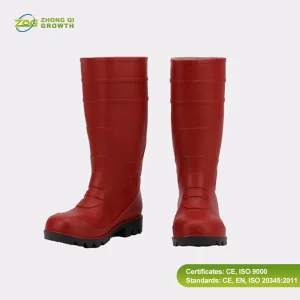
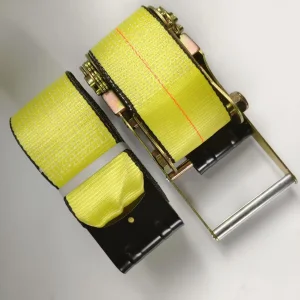
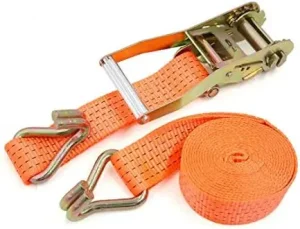
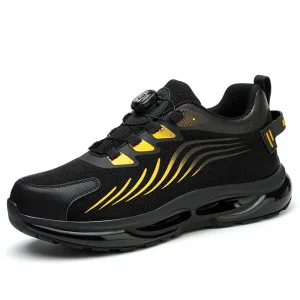
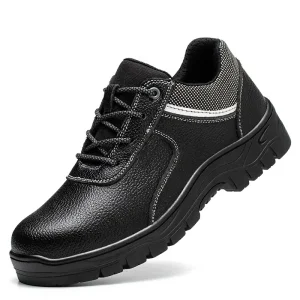
Headquartered in the Northern China industrial manufacturing corridor next to Tianjin Port, our plant seamlessly consolidates Japanese-spec industrial helmets alongside high-tensile polyester lifting slings, cargo tie-downs, EN ISO 20345 safety footwear, and fall protection harnesses, optimizing container cube utilization and reducing landed freight costs.
Clear, definitive engineering answers addressing JIS compliance, material shelf life, customization minimums, and international import protocols.
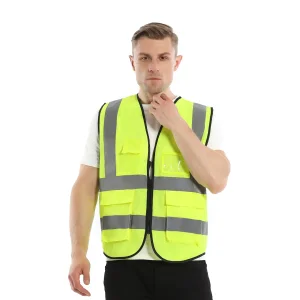
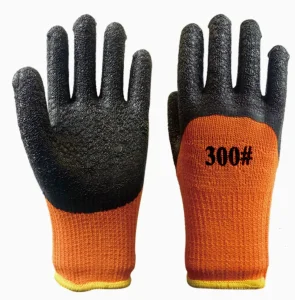
Ensure holistic workplace protection by consolidating headwear with certified industrial handling slings, tie-down systems, and heavy-duty protective footwear.