Procure fully certified personal protective gear and cargo lashing lines with unified export logistics, comprehensive testing dossiers, and tailored private-label capabilities.
The contemporary personal protective equipment (PPE) landscape has progressed far beyond traditional rigid hard hats. Industrial head protection now demands multi-directional impact attenuation, ultra-low tare weight, active aerodynamic airflow management, and modular sensor integration.
Modern safety helmet caps leverage co-polymerized Acrylonitrile Butadiene Styrene (ABS), high-density polyethylene (HDPE), and Polycarbonate-PBT alloys. These engineering polymers deliver superior kinetic energy dispersion, remaining structurally resilient across severe thermal environments ranging from -30°C arctic freeze to +50°C desert infrastructure conditions without micro-fracturing or UV embrittlement.
Linear impact absorption is no longer the sole benchmark in high-risk worksites. Next-generation custom helmet caps integrate omnidirectional internal low-friction slip planes and multi-density Expanded Polypropylene (EPP) liners designed to redirect angular, oblique strike forces. This significantly diminishes rotational brain trauma and shearing stresses incurred during lateral falls and falling-object collisions.
The industrial internet of things (IIoT) is rapidly intersecting with headwear manufacturing. Tier-1 enterprise procurement programs now specify custom cavities and integrated bracket rails to house ultra-light biometric thermal monitoring chips, high-precision accelerometer fall-detection sensors, proximity RF locators, and automated SOS beacon modules for confined spaces and high-voltage transmission corridors.
Procurement directors and health, safety, and environment (HSE) executives face challenging technical trade-offs between regulatory rigor, total cost of ownership (TCO), and workforce compliance comfort.
International industrial conglomerates require unified helmet cap architectures conforming concurrently to European CE EN 397 / EN 12492 and American ANSI/ISEA Z89.1 Type I/II (Class C, G, and E), eliminating multi-market inventory redundancy and streamlining global stocking units.
Worker adoption hinges on mass distribution. Our precision-engineered 6-point terry-cloth cushioned ratchet suspensions disperse point-load pressure over the sagittal crest, utilizing fast-adjusting wheel ratchets (52–64 cm) that stabilize secondary PPE such as face shields and ear defenders.
High-volume corporate contracts demand bespoke corporate styling. Utilizing state-of-the-art 5-color robotic pad printing, continuous heat-transfer foils, custom-molded embossed crown badges, and masterbatch color matching (Pantone/RAL), we ensure unified branding across tens of thousands of units.
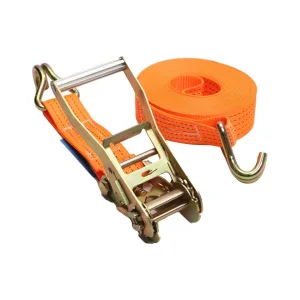
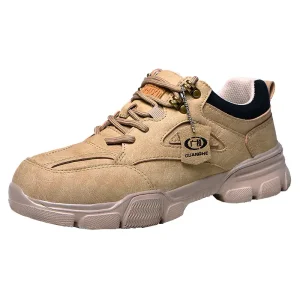
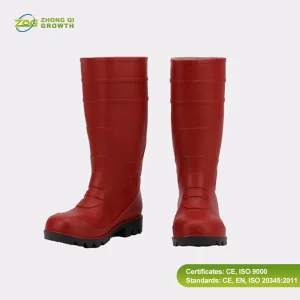
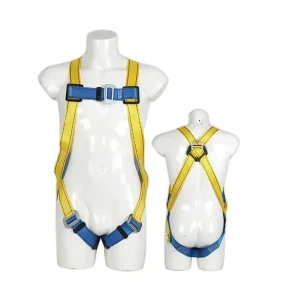
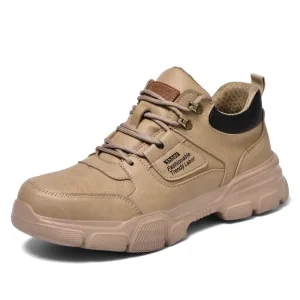
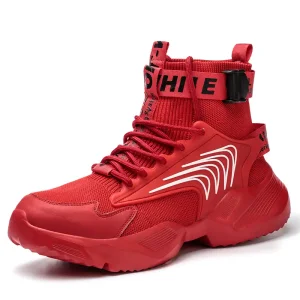
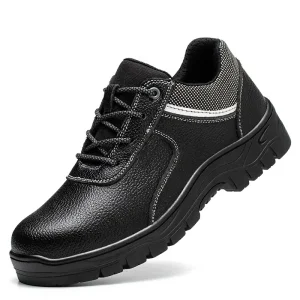
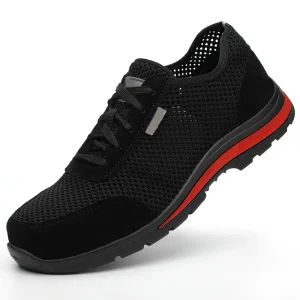
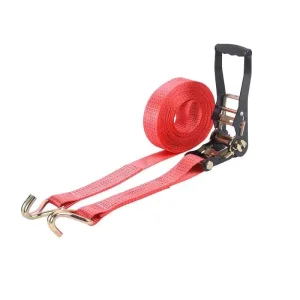
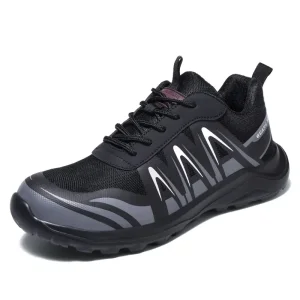
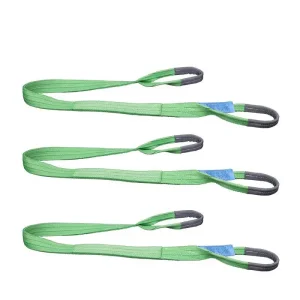
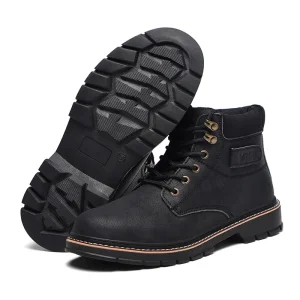
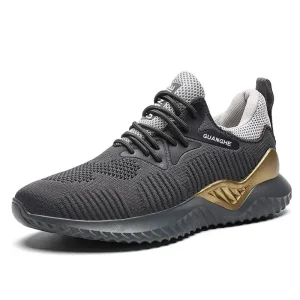
As a vertically integrated enterprise located strategically adjacent to Tianjin Port, we streamline logistics by consolidating high-cube containers combining custom safety helmet caps, fall protection harnesses, lifting webbing slings, and heavy-duty steel-toe work footwear under unified commercial documentation.
Different operating environments pose fundamentally divergent physical threats. Our OEM production lines deploy dedicated mold tooling and specialized polymers to resolve sector-specific hazards.
High-density urban job sites demand top-impact dispersion and all-day thermal relief. We provide vented high-rigidity ABS helmet caps featuring sliding louver ventilation ports, reflective micro-prismatic conspicuity tape, and integrated chin straps with controlled breakaway thresholds (150–250 N) preventing strangulation during scaffold entanglements.
Explosive hydrocarbon environments necessitate non-vented, antistatic surface treatments conforming to ATEX Zone 0/1/2 regulations. Our specialized dielectric polymer alloys prevent electrostatic discharge while resisting chemical hydrocarbon exposure, splash corrosion, and molten iron droplet adherence (EN 397 optional requirement MM).
Climbers and tower riggers experience severe lateral and upward impact risks. Our dual-standard EN 12492 / EN 397 mountaineering-style hard hats incorporate short-brim profiles for unobstructed zenith visibility, high-retention 4-point harness straps (>500 N release threshold), and universal side slots for comms headsets and headlamps.
Evaluate mechanical tensile strength, dielectric resistance, operating temperature thresholds, and chemical compatibility to configure the optimal helmet specification for your regional market.
| Polymer Classification | Impact Attenuation (J) | Temperature Envelope | Dielectric Breakdown | Primary Industrial Application | Service Life Span |
|---|---|---|---|---|---|
| High-Impact Virgin ABS | Exceeds 50 Joules | -20°C to +50°C | Non-conductive (up to 440V AC) | Heavy Engineering, Commercial Building | 3 to 5 Years |
| UV-Stabilized HDPE | Meets 49 Joules standard | -30°C to +50°C | Class G / Class E (up to 20,000V) | Power Utilities, Electrical Transmission | 3 to 4 Years |
| Polycarbonate / PBT Blend | Exceeds 75 Joules | -40°C to +150°C | High Chemical & Flame Resistance | Smelters, Foundries, Petrochem, Offshore | 5 Years |
| Carbon Fiber Composite | Exceeds 90 Joules | -50°C to +180°C | Conductive (Class C Only) | Executive Inspection, Specialized Rigging | 5 to 7 Years |
| Fabric-Shell Bump Cap (EN 812) | 12.5 Joules (Horizontal strike) | -10°C to +40°C | N/A (Static Hazard Protection) | Automotive Assembly, Warehousing, Aviation | 2 to 3 Years |
Every single batch produced at our Tianjin manufacturing base undergoes rigorous internal quality control prior to container seal and shipping dispatch.
Using our calibrated 5 kg hemispherical steel striker falling from a 1-meter vertical drop tower, we measure peak transmitted force onto an instrumented piezoelectric load headform. In full compliance with EN 397, transmitted force through the shell and harness cannot exceed 5.0 kN under any conditioned temperature state.
Our automated penetration test apparatus releases a 3 kg pointed conical striker with a 60° tip angle from a height of 1 meter directly targeting crown and lateral weak points. Electronic contact sensors confirm that no striker penetration contacts the headform surface during ambient, arctic, or heat conditioning.
For ANSI Z89.1 Class E and EN 50365 electrical insulating safety helmets, shells are immersed in electrolyte water baths and subjected to proof test voltages up to 20,000 Volts AC for 3 minutes continuously. Leakage current is systematically monitored to ensure it stays well below the strict 9.0 mA safety ceiling.
Explore our research and development trajectory as we pioneer circular economy bio-polymers, active climate regulation, and telemetry-linked workforce safety solutions.
Commercializing 40% certified post-consumer recycled (PCR) and bio-feedstock polyolefin shells delivering identical 50J impact performance while decreasing carbon footprint per unit by 35% to satisfy corporate Scope 3 sustainability targets.
Finalizing integrated solar-assisted micro-blower ventilation systems with laminar airflow channels that lower intra-helmet microclimate temperatures by up to 6.5°C, effectively combating heat exhaustion during hot seasonal operations.
Embedding ultrathin forehead photoplethysmography (PPG) sensors measuring core worker pulse rate, oxygen saturation, and fatigue index, linked via Bluetooth Low Energy mesh networks to central jobsite safety dashboards.
Engineering specialized shell attachment geometry and internal conduit channels to natively support ultra-lightweight heads-up display (HUD) modules and smart optical visors for BIM model overlay and real-time hazardous area telemetry.
Clear, definitive engineering guidance for international purchasing directors, industrial distributors, and safety engineers.
An industrial safety helmet conforming to EN 397 or ANSI Z89.1 is engineered to safeguard against falling objects, featuring a reinforced structural dome and energy-absorbing suspension designed to dissipate high vertical impacts exceeding 49 Joules. Conversely, an industrial bump cap conforming to EN 812 is only rated to protect the wearer against stationary hazards (bumping into fixed overhead pipes, low ceilings, or chassis parts) with energy absorption capped at 12.5 Joules. Bump caps must never be deployed on construction or crane lifting sites where falling debris is present.
EN 397 (industrial ground operations) mandates that the chin strap buckle must release under a force between 150 N and 250 N. This controlled breakaway mechanism prevents worker strangulation should the helmet become entangled in moving industrial machinery or scaffold bracing. In contrast, EN 12492 (mountaineering and working at height) demands that the chin strap withstand a force exceeding 500 N without slipping or breaking, ensuring the helmet stays securely affixed during multiple consecutive impacts during a fall.
Under normal operational conditions, virgin ABS and HDPE safety helmet caps possess an active operational lifespan of 3 to 5 years from first deployment, provided they are not subjected to severe mechanical impact or solvent degradation. Storage life in original UV-shielded packaging is rated at 5 years. Any helmet that experiences a major kinetic impact must be decommissioned immediately, even if visual surface cracking is absent, because internal micro-molecular bonds within the polymeric matrix will have yielded.
Our OEM manufacturing facility offers end-to-end customization: high-precision PMS/RAL masterbatch color injection, 5-color corporate logo pad printing, high-temperature heat transfer films, personalized sewn-in webbing harness labels, custom-packaged barcoded color boxes, and modular accessory attachment slots (30mm Euro slots) matching global face shields, weld visors, and earmuff assemblies.
Yes. Many of our international distributors capitalize on our integrated factory capabilities. We combine custom safety helmet caps, CE EN 361 fall protection harnesses, high-tenacity polyester lifting slings, and EN ISO 20345 steel-toe work shoes into unified 20GP or 40HQ container shipments, significantly minimizing inland transport costs and streamlining import customs clearance.
Every commercial consignment is accompanied by formal factory Certificate of Conformance (CoC), batch mechanical impact and penetration test reports, raw polymer traceability data, and applicable third-party CE/ANSI notified body test certificates for your local occupational compliance archive.
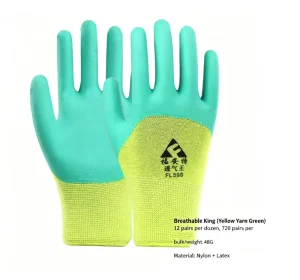
Explore additional verified items from our manufacturing lines engineered to complement your total workplace head-to-toe safety procurement.