High-performance PPE and heavy lifting solutions manufactured in compliance with strict international safety standards (EN, ANSI, ISO), ready for OEM customization and bulk container export.
In high-stakes industrial, petrochemical, and construction environments, head protection transcends rudimentary compliance. The white safety helmet stands as the universal visual identifier for supervisory authority, engineering leadership, and regulatory accountability.
Under international color-coding conventions (such as OSHA guidelines and UK HSE BuildSafe protocols), white hard hats are exclusively designated for project managers, structural engineers, safety superintendents, and VIP observers. This instantaneous visual hierarchy streamlines field communication and accelerates crisis decision-making during high-risk operations.
Engineered white thermoplastic surfaces achieve a Solar Reflectance Index (SRI) over 85%, significantly mitigating radiative heat absorption compared to yellow, blue, or red safety caps. In tropical, desert, and open-pit installations, this thermal divergence decreases interior shell temps by up to 6.8°C, measurably combating user heat fatigue and cerebral syncope.
Global EPC contractors and defense syndicates maintain stringent procurement matrices where protective gear must merge zero-failure impact dissipation with long-term cost optimization. OEM white shells represent over 34% of global industrial hard hat expenditures, serving as the master inventory baseline for corporate silk-screening, laser marking, and secondary sensor mounting.
The structural resilience of a white safety helmet depends entirely on the molecular architecture of the injected resin and the kinetic energy dissipation geometry of the textile harness suspension.
Engineered terpolymer delivering exceptional surface hardness, scratch resistance, and flexural yield. Ideal for high-profile white helmets requiring pristine high-gloss branding, integrated crest mounts, and multi-directional impact damping.
Ultra-linear semicrystalline polymer offering lightweight mass-to-damping ratios. Highly chemically inert to industrial solvents, hydraulic oils, and caustics, making it the supreme choice for heavy civil works, mining, and offshore docks.
Specialized Polycarbonate/Polybutylene Terephthalate blends formulated for extreme environmental criteria. Withstands radiant radiant heat fluxes, molten metal splash hazards, and dielectric voltages up to 20,000 Volts (ANSI Class E).
A shell is only as protective as its inner cradle. Our factory utilizes high-grade woven terylene straps paired with a mechanical dial-ratchet system, creating a calibrated 35mm cranial clearance zone that decelerates 5kg dropped masses smoothly.
| Polymer Shell Substrate | Specific Density (g/cm³) | Impact Deflection Rate | Operating Temperature | UV Degradation Threshold | Typical Industrial Target |
|---|---|---|---|---|---|
| Virgin ABS Resin | 1.04 – 1.07 | < 3.0 kN (EN 397) | -20°C to +80°C | 3,000 hrs (with HALS Masterbatch) | Engineering Supervisors & Foremen |
| High-Density PE (HDPE) | 0.94 – 0.96 | < 3.5 kN (ANSI Z89.1) | -30°C to +60°C | 2,500 hrs Xenon Arc exposure | Infrastructure, Mining, Dockyards |
| Polycarbonate (PC) Blend | 1.20 – 1.25 | < 2.6 kN (High Performance) | -40°C to +150°C | 5,000+ hrs Premium UV Lock | Foundry, Smelters, High-Voltage Power |
| FRP / Phenolic Fiberglass | 1.60 – 1.80 | < 2.8 kN Rigid Damping | Up to +200°C | Virtually immune to UV breakdown | Blast Furnaces & Heavy Petrochem |
From high-latitude Arctic energy plants to sweltering Equatorial LNG marine terminals, white safety helmets undergo rigorous field tailoring to meet localized environmental conditions and work safety practices.
On high-density high-rise jobsites, subway bores, and suspension bridge spans, structural superintendents require helmets with integrated 4-point chin straps (EN 12492 dual-rated) to ensure the shell stays anchored in fall incidents or high-gust zones.
Corrosive sea spray, airborne hydrocarbon vapors, and extreme flare radiation demand unvented Class E white PC or chemically stabilized ABS shells. Non-sparking, dielectric plastic fixtures are mandatory to prevent static discharge in ATEX Zone 0/1/2 spaces.
Linemen, high-voltage test engineers, and grid operators rely on unvented, dielectric Class E white helmets engineered to resist flashovers up to 20,000 volts. Complete with arc flash face shields, these units offer full head-to-neck flash thermal protection.
Tianjin ZhongQi Growth Technology subjects every custom batch to internal testing in our CNAS-aligned laboratory, guaranteeing continuous compliance with international regulatory bodies before customs shipping clearance.
Under EN 397:2012+A1:2014, a 5.0 kg hemispherical striker is released from a height of 1.0 meter (delivering 50 Joules of kinetic energy). The transferred force registered on the instrumented base anvil must never exceed 5.0 kN. Our white ABS shells consistently average below 3.2 kN, mitigating cerebral injury risks.
A 3.0 kg conical steel striker with a 60° angle tip is dropped from 1.0 meter directly onto the crown apex. To satisfy EN 397 and ANSI Type I requirements, the striker tip must not make electrical or physical contact with the surface of the underlying headform.
Helmets undergo thermal conditioning at +50°C and -30°C for 24 hours prior to dynamic drop impacts, followed by direct burner exposure for 10 seconds. Shells must self-extinguish within 5 seconds without burning through, confirming stable thermal resilience.
Located in Tianjin’s advanced industrial belt, adjacent to North China’s maritime gateway at Tianjin Port, our plant executes end-to-end production: from CAD tooling to multi-color pad printing and certified carton export.
Finite Element Analysis (FEA) simulates peak mechanical loads to optimize crown ribs, rain-gutters, and internal impact channels prior to cutting steel tooling molds.
We blend 100% virgin ABS or HDPE pellets with titanium dioxide white masterbatch and sterically hindered amine UV stabilizers (HALS) to protect against embrittlement.
High-tonnage hydraulic injection presses ensure uniform wall thickness and zero internal void defects across complex multi-cavity tool geometries.
Multi-position pad printing and laser etching handle corporate logos, inspector badges, employee name tags, and custom barcode/QR identification.
Finished helmets are packed with custom cartons, user instructions, and optional barcode retail tags, ready for short inland transit and fast sailing from Tianjin Port.
Modern personal protective equipment is evolving rapidly into active digital safety platforms. Our R&D division is actively testing and integrating three key technology frontiers.
Integrating embedded tri-axial accelerometers for automated Man-Down emergency alerts, photoplethysmography (PPG) sensors for continuous heart-rate and core heat-stress tracking, and ambient gas sniffers (H₂S, CO) that transmit live field data over LoRaWAN or BLE 5.0 networks.
Aligning with global decarbonization roadmaps, our pilot projects evaluate bio-circular polyethylenes derived from second-generation waste feedstocks (used cooking oil, forestry by-products). These offer an identical 50J impact rating while delivering a 68% cradle-to-gate carbon footprint reduction.
Standard impact regulations historically measure only orthogonal linear forces. Our latest prototype white helmets feature low-friction internal slip layers that absorb rotational shear kinetic energy from angled slips and falls, significantly reducing traumatic brain injury (TBI) risks.
Essential technical and logistics insights for overseas importers, procurement managers, and distributor brands before issuing purchase orders.
Under international color standards (such as OSHA in the USA, HSE in the UK, and AS/NZS in Australasia), helmet shell colors serve as critical instant-identification markers. White is universally assigned to project directors, consulting structural engineers, safety inspectors, and official dignitaries. This helps workers immediately spot authorized supervisors during emergency responses, evacuations, or technical verifications. Additionally, white shells offer high solar albedo, reflecting heat and keeping wearers cooler under direct sunlight.
Standard industrial recommendations stipulate that thermoplastic shells (HDPE, ABS) should be replaced 3 to 5 years from their manufacture date, depending on UV exposure, heat, and chemical contact. Textile suspension harnesses, which endure daily sweat absorption and tension friction, should be inspected and replaced every 12 months. Any helmet that has sustained a major falling-object impact must be retired immediately, even if no visible exterior fracture appears.
For standardized white ABS or HDPE shells in our existing mold lineup, our baseline OEM customization MOQ is typically 500 to 1,000 units. This includes multi-color logo pad printing on the front, sides, or rear, as well as customized sewn-in suspension labels and branded retail box packaging. For proprietary custom mold designs and shell geometries, tooling lead times run approximately 25–35 days with sample approval ahead of bulk runs.
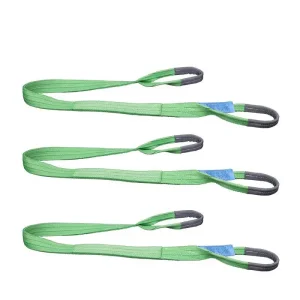
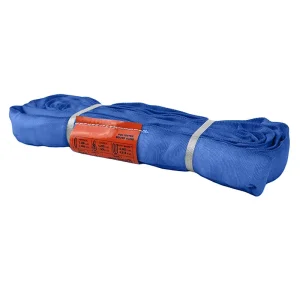
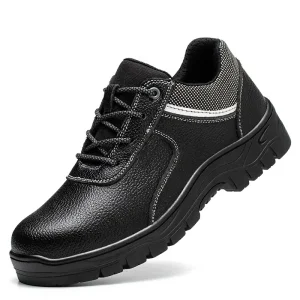
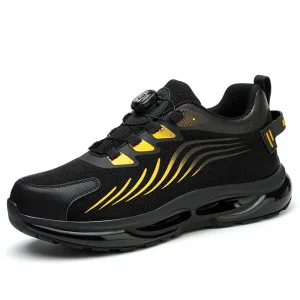
Yes, this is one of our primary competitive advantages. From our industrial facilities in Beichen District, Tianjin, we consolidate safety helmets, polyester lifting slings, cargo lashing belts, safety footwear, and fall protection harnesses into single 20ft or 40ft HQ containers. This eliminates the expense of dealing with multiple disparate suppliers, simplifies import customs paperwork, and significantly cuts overall ocean freight overhead.
Vented helmets feature integrated airflow apertures around the upper crest to allow warm air to escape, significantly improving user comfort in hot, non-electrical outdoor settings. Non-vented helmets provide a completely sealed crown shell, which is mandatory for electrical utilities (providing ANSI Class E dielectric protection up to 20,000V or EN 50365 insulation) and chemical environments where liquid splash or molten metal hazards are present.
Our plant sits just minutes from major transport arteries directly serving Tianjin Port, the premier international maritime hub in North China. This short drayage route reduces internal transportation costs, mitigates domestic highway delays, and offers frequent, predictable direct sailing schedules to major ports across Europe, the Americas, Southeast Asia, and the Middle East.
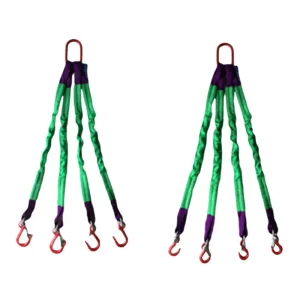
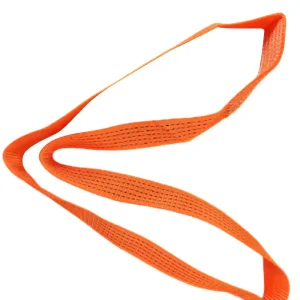
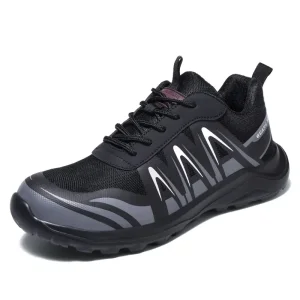
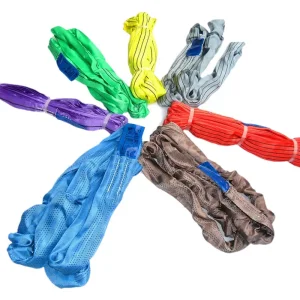
Expand your procurement mix with our tested selection of heavy cargo ratchets, durable webbing slings, and safety footwear lines.
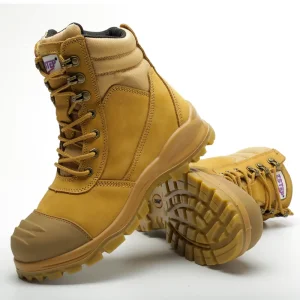
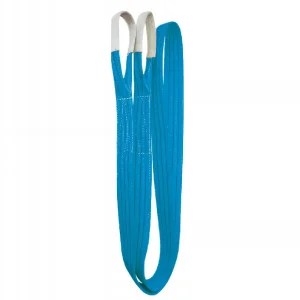
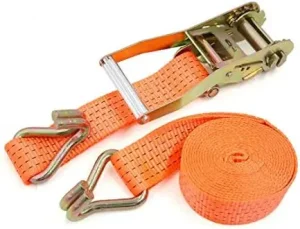
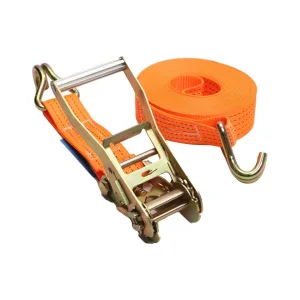
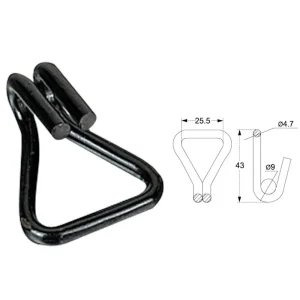
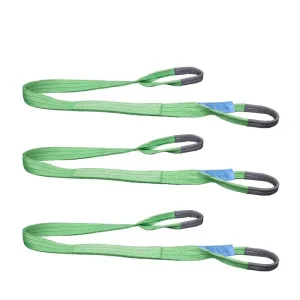
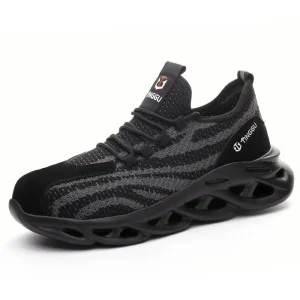
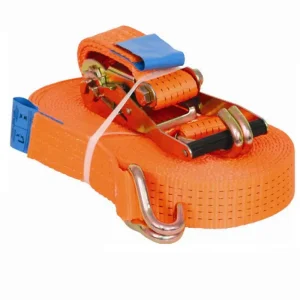
Whether you require custom white ABS safety helmets stamped with your enterprise crest, high-tenacity lifting slings, or full container consolidation straight out of Tianjin Port, our engineering sales team delivers technical specifications, lab reports, and wholesale quotes within 24 hours.
