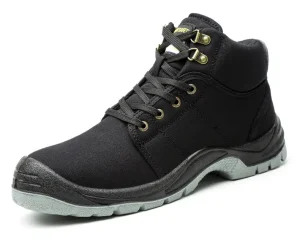
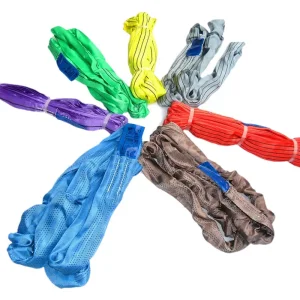
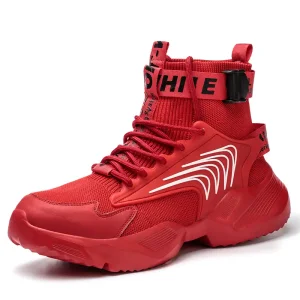
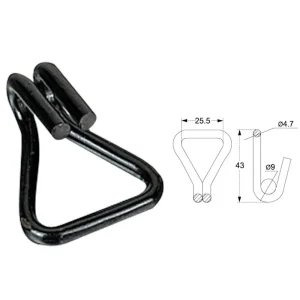
Verified manufacturing lines covering head protection, fall prevention systems, tactical footwear, and precision cargo tie-downs engineered to EN & ANSI criteria.
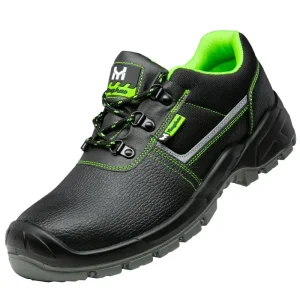
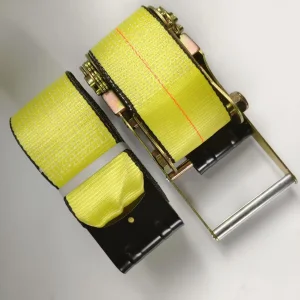
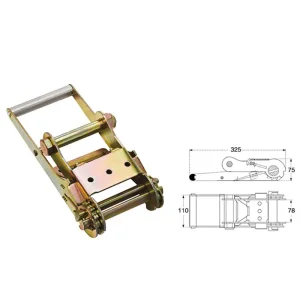
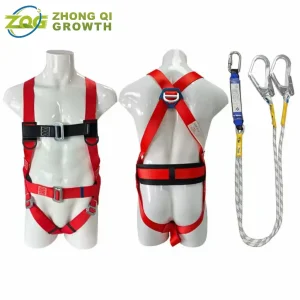
Modern industrial safety helmets are no longer passive plastic domes. Rapid evolutions in polymer cross-linking, composite ABS/Polycarbonate blends, and rotational kinetic management have established a new benchmark for cranial safety across construction and high-risk extraction.
Modern hard hat injection lines utilize high-impact Virgin ABS combined with UV-stabilized Polycarbonate matrices. This engineered alloy preserves structural ductility under cryogenic conditions down to -30°C while resisting radiant thermal distortion up to 150°C, exceeding conventional HDPE capabilities.
The core safety of modern hard hats relies on the suspension rig. Transitioning from traditional 4-point webbing to engineered 6-point and 8-point high-tenacity polyester suspension systems reduces peak transmitted deceleration forces to the cervical spine by more than 38% under vertical drop tests.
Standard certification focuses heavily on linear apex impacts. Today's industrial buyers increasingly prioritize protection against angular impacts. Integrated low-friction inner cradles dissipate rotational torque, decreasing traumatic brain injury (TBI) metrics in off-axis strike simulations.
Evaluating safety equipment suppliers demands scrutiny beyond FOB costs. Tier-1 EPC contractors and global safety distributors maintain stringent auditing protocols across raw materials, automated precision, and legal accountability.
Factory audits must verify resin lot numbers. Utilizing recycled or mixed polyolefins causes micro-crystallization fractures, severely degrading structural integrity under cold-weather impacts and UV exposure.
High-tonnage hydraulic injection tooling maintains uniform wall thickness (±0.08mm). Shell thickness variance creates stress concentrators that can rupture unpredictably during severe falling object impacts.
Top factories perform Destructive Batch Testing on every manufacturing lot. This includes drop-tower kinetic force recording, penetration point checks, and 20,000V electrical breakdown resistance verification.
Headwear volume requires optimized nested boxing and anti-humidity liners. Direct proximity to major deep-water ports (such as Tianjin Port) minimizes transit handling and reduces maritime breakage to zero.
Operational conditions differ sharply between high-rise scaffolding, ultra-deep mine corridors, and high-voltage transmission networks. We supply task-specific helmet designs calibrated to each sector's physical stressors.
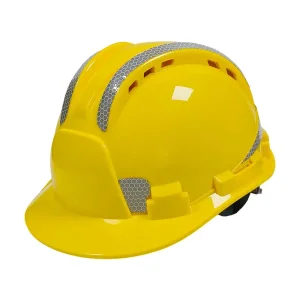
Optimized with micro-brims for superior upward visibility, ventilated upper airflow channels, and EN 12492-compliant 4-point chin straps to prevent helmet detachment during falls from heights or structural shifts.
Solid unvented shells molded from non-conductive dielectric ABS resin. Certified under ANSI Z89.1 Class E standards, providing tested protection against high-voltage electrical arcing and dielectric breakdown up to 20,000 volts.
Reinforced ribs disperse heavy, jagged impacts. Includes intrinsically safe headlamp brackets, integrated slot mounts for high-attenuation ear defenders, and reflective chevron elements for sub-surface visibility.
Cross-border distribution requires total legal certainty. Review the baseline criteria across major jurisdictions to verify our manufacturing compliance with your regional market regulations.
| Standard | Jurisdiction | Primary Impact Criteria | Electrical Insulation | Temperature Resistance |
|---|---|---|---|---|
| EN 397:2012+A1 | European Union / CE | Vertical drop 5.0 kg striker at 1.0 m; Max transmitted force < 5.0 kN | 440 Vac (optional electrical check) | -10°C to +50°C (optional down to -30°C) |
| ANSI/ISEA Z89.1-2014 | North America / US | Type I (apex) & Type II (lateral off-axis force dispersion) | Class E (20,000V) / Class G (2,200V) / Class C (None) | -30°C to +49°C (Standard & Low Temp testing) |
| AS/NZS 1801:1997 | Australia / New Zealand | Vertical impact force limit < 5.0 kN; Lateral rigidity resistance | Type 1 (Industrial), Type 2 (High-Temp) | Tropical and cold climate storage cycles |
| GB 2811-2019 | China National Standard | Apex impact force < 4.9 kN; Puncture resistance non-conductive pin | Tested according to standard Grade requirements | -30°C to +50°C extended environmental range |
Our engineering division continuously refines product formulations, smart sensory integrations, and eco-sustainable supply chains to stay ahead of international safety requirements.
Molding tamper-proof passive RFID/NFC chips directly into the helmet brim. This enables automated site access control, maintenance tracking, digital training credential storage, and instant inspection logging via smartphone scans.
Formulating industrial polymers using post-industrial high-density polypropylene and bio-based resin compounds. These lower the lifecycle carbon footprint by up to 42% while matching the tensile strength and drop resistance of virgin plastics.
Refining safety helmets that feature built-in micro-cooling systems alongside multi-axis accelerometers. These systems track heat stress and automatically trigger emergency alerts if a catastrophic fall or crush event occurs.
Straightforward answers regarding product specs, private labeling, standard testing, and high-volume container shipments.
Under continuous industrial exposure, HDPE hard hats require replacement every 2 to 3 years due to photochemical plasticizer migration caused by UV radiation. High-grade ABS helmets with added UV stabilizers typically last 4 to 5 years under normal outdoor conditions, provided they have not suffered a severe impact.
Yes. We offer complete custom branding services. We match shell pantone colors using virgin masterbatch resins to guarantee uniform UV resistance. Corporate logos are applied using automated multi-color tampo/pad printing machines, using resin-compatible solvent inks that preserve the shell's dielectric integrity without degrading the plastic.
Class C (Conductive) helmets feature top ventilation holes to maximize airflow, but offer zero protection against electrical contact. Class G (General) helmets are non-ventilated and proof-tested against electrical hazards up to 2,200 volts. Class E (Electrical) units are non-ventilated, mold-engineered without metal rivets, and factory proof-tested to resist breakdown up to 20,000 volts phase-to-ground.
Our production facilities are situated in the Shuangjie Trusted Industrial Park in Tianjin, placing us within convenient distance of Tianjin Port. This location cuts inland drayage lead times down to mere hours, reduces local transport fees, and provides daily feeder access to major international shipping routes for rapid ocean transport.
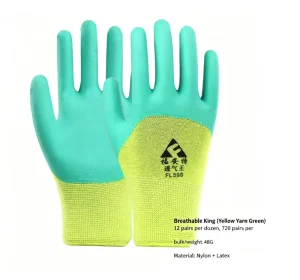
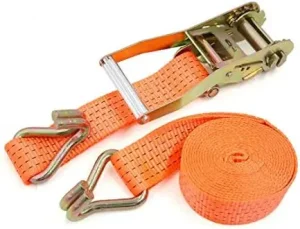
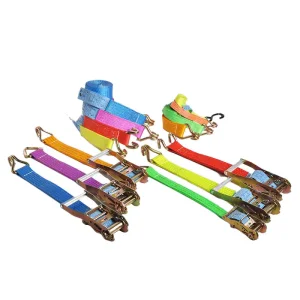
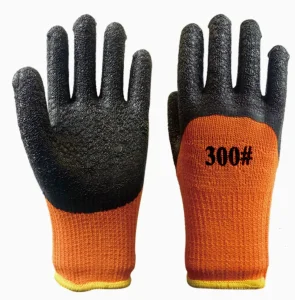
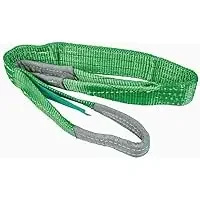
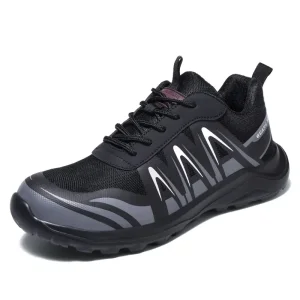
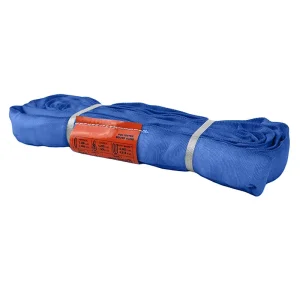
Consolidate your supply chain. We manufacture matched safety harnesses, cargo tie-downs, non-slip gloves, and safety footwear within one unified export framework.