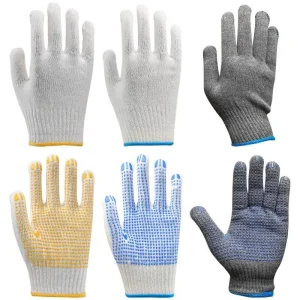
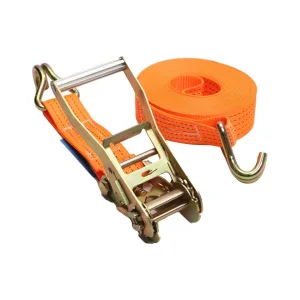
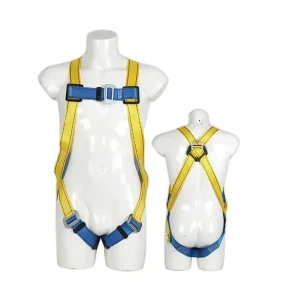
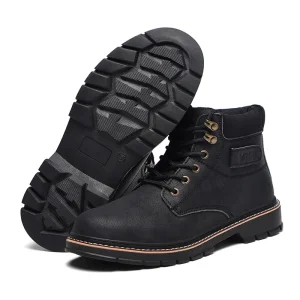
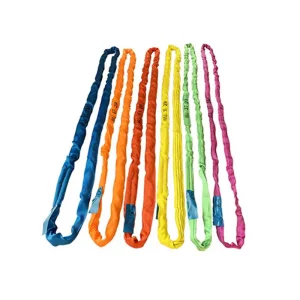
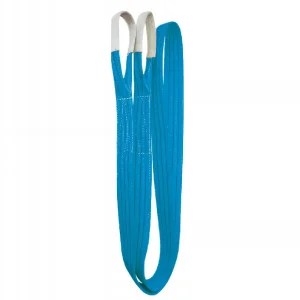
Procure certified industrial-grade equipment directly from manufacturing assembly lines engineered for harsh operational mandates and extreme heavy-duty reliability.
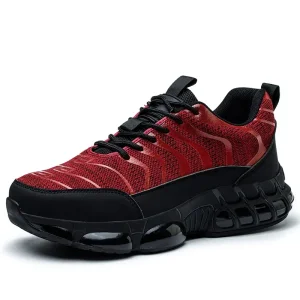
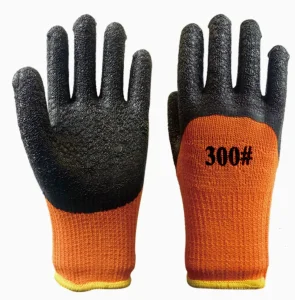
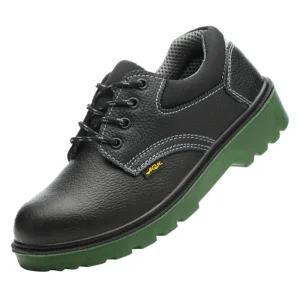
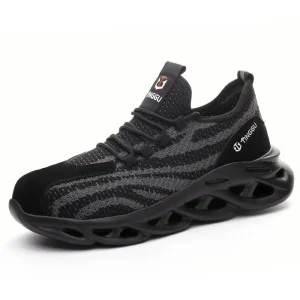
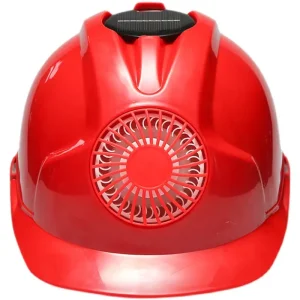
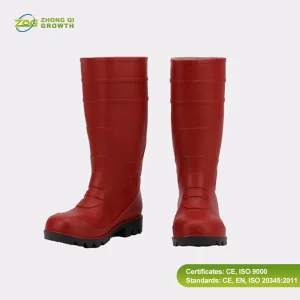
Analyzing cross-continental regulatory compliance, noise attenuation thresholds, and impact dissipation mechanisms across the worldwide PPE supply chain.
Historically, industrial procurement relied on disjointed configurations: an independent hard hat paired with standalone headband-style ear defenders. In practice, this makeshift arrangement breaks helmet seating stability, degrades the acoustic ear seal, and induces severe parietal bone pressure points over prolonged 12-hour shifts.
Chronic occupational noise above 85 dBA accounts for widespread irreversible sensory neural hearing trauma across heavy fabrication, civil infrastructure, and extraction sectors. Helmet-mounted earmuffs mitigate these micro-vibrations across both low-frequency structural rumble and high-frequency hydraulic whine.
Modern integrated safety headgear utilizes engineered Acrylonitrile Butadiene Styrene (ABS) or High-Density Polyethylene (HDPE) injection moldings coupled with 6-point internal suspension webbing. This structure decelerates kinetic energy during vertical falling object strikes and lateral blunt impacts.
Targeted adaptations across demanding operational verticals requiring synchronized acoustic insulation, head balance, and secondary personal protective equipment integration.
Underground mining requires headgear capable of handling low headroom rockfall hazards, continuous rotary drifter drill noise exceeding 105 dB, high humidity, and combustible coal dust atmospheres.
Gas processing and distillation units expose operators to continuous high-velocity gas turbine whines, pump station harmonics, chemical splash hazards, and explosive atmosphere classifications.
Rope access technicians in the wind energy sector operate inside nacelles at heights exceeding 100 meters, facing vortex generator wind whistling, hydraulic yaw motor screams, and sudden structural impacts.
| Standard / Regulation | Geographic Jurisdiction | Primary Focus | Critical Test Metric | Compliance Status |
|---|---|---|---|---|
| EN 397:2012+A1:2012 | European Union / International | Industrial Hard Hats | 5kN Max Shock Transmission (5kg drop) | Full Conformity |
| ANSI/ISEA Z89.1-2014 | North America | Type I / Class E Industrial Helmets | Apex Impact Force < 3780 N, 20kV Dielectric | Third-Party Lab Tested |
| EN 352-3:2020 | European Union / UKCA | Ear Muffs Attached to Industrial Helmets | Cushion Pressure, Drop Test at -20°C, Insertion Loss | Certified Attachment |
| OSHA 1910.95 | United States | Occupational Noise Exposure | Action Level at 85 dBA TWA (Permissible Exposure) | Engineered for NRR 24-28 |
| CSA Z94.1-15 | Canada | Industrial Protective Headwear | Lateral Impact Attenuation & Crown Penetration | Class E Approved |
The progression of advanced multi-density polymers, active acoustic frequency cancellation, and telemetry-linked worker ergonomics for heavy enterprise operations.
Integration of ultra-high-molecular-weight polyethylene (UHMWPE) and modified ABS shells. Injection with internal micro-honeycomb foam layers delivering superior kinetic dispersal without adding unergonomic mass.
Implementation of level-dependent digital sound compression. External microphones process ambient audio: suppressing dangerous impulse spikes (>82 dB) while amplifying human vocal frequencies for effortless team communication.
Elimination of intrusive boom mics by mounting temporal bone transducers into the helmet harness. Direct trans-cranial audio relay enables flawless wireless communication despite ambient decibel levels above 110 dBA.
Embedded 3-axis MEMS accelerometers that register concussion-level kinetic impacts. Real-time Bluetooth Mesh networks automatically alert central dispatch to fall events, localized worker heat stress, and improper ear seal engagement.
Overcoming supply chain fragmentation by consolidating comprehensive rigging hardware, fall protection systems, and certified cranial PPE in single container shipments.
Sourcing personal protective equipment and heavy-duty load securing gear from fragmented vendors introduces compounding ocean freight, customs inspection overhead, and mismatched QA standards. We facilitate turnkey consolidation across all core work safety verticals.
Distributors and multinational contractors require brand consistency across high-visibility sites. Our production lines feature multi-cavity injection machines and precision pad printing for tailored client deployments.
Every industrial helmet and acoustic earmuff leaving the factory carries machine-engraved batch tracking, mold date stamps, and lot-verified quality assurance documentation for strict internal safety audits.
In-depth responses covering international acoustic standards, dielectric ratings, maintenance lifecycles, and compatibility specifications.
Standalone ear defenders feature an overhead spring band that, when worn under a hard hat, breaks the critical 25mm to 30mm safety clearance required between the crown of the head and the helmet shell. This improper usage redirects kinetic impact energy directly into the skull rather than dissipating it through the harness. Helmet-mounted earmuffs attach directly to universal side slots (30mm Euro slots), preserving the full structural integrity of the internal suspension while guaranteeing consistent, calibrated clamping force (typically between 11N and 14N) against the user's ears.
NRR (Noise Reduction Rating) is the standard protocol utilized in the United States and Canada under ANSI S3.19-1974, whereas SNR (Single Number Rating) is the mandatory European acoustic attenuation rating under ISO 4869-2 and EN 352-3. SNR ratings are mathematically higher than NRR ratings for the identical piece of equipment by approximately 3 to 5 dB due to differing statistical calculations and testing frequency weights. To determine real-world noise exposure under OSHA regulations, NRR is frequently derated by subtracting 7 from the rating and dividing by 2 before deducting from measured environmental dBA.
Only if the helmet and attached earmuffs are certified dielectric Class E under ANSI/ISEA Z89.1 or Class 0 under EN 50365. Many conventional helmet-mounted earmuffs utilize steel spring wire arms that conduct electrical arcs directly to the head. For utility linework and substation environments, specifiers must mandate 100% non-conductive, dielectric earmuffs constructed from polymer spring arms without metallic screws or fasteners, capable of withstanding test voltages up to 20,000 to 30,000 volts.
Hard hat shells manufactured from high-impact ABS or HDPE maintain their certified structural impact performance for up to 5 years from first deployment (or up to 10 years from the date of manufacture if stored under pristine UV-free warehouse conditions). However, acoustic ear cushions and internal foam liners degrade more rapidly due to bodily perspiration, sebum skin oils, and ambient particulate contamination. Best practice mandates the replacement of earmuff hygiene kits (foam inserts and sealing rings) every 6 months to maintain optimal acoustic seal performance.
Yes. Enterprise-grade helmet designs feature dual-slot compatibility or modular visor-to-earmuff adapter clips. In these configurations, the visor carrier arms mount either within the inner channel of the 30mm slot or clip directly over the pivot hub of the earmuff mounting post. This allows operators to flip the mesh or clear polycarbonate visor up or down independently of whether the earmuffs are in active listening position, partial clearance, or locked-back parked orientation.
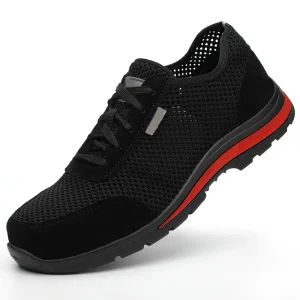
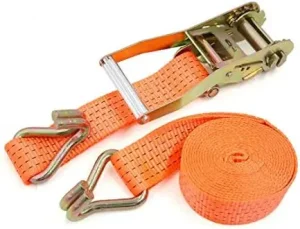
Integrate your cranial and hearing safety procurement with top-tier load securing straps, fall arrest climbing systems, and puncture-resistant work footwear.