Pre-engineered PPE components and load-securing apparatus built to match stringent site safety compliance protocols.
Across North America, the European Union, Australia, and the Middle East, structural scaffolding operations have undergone an aggressive regulatory transformation. Traditional Type I brimmed hard hats are rapidly being decommissioned in favor of compact, climbing-inspired climbing and scaffolding helmets that integrate 4-point chinstraps and internal high-density EPS/EPP impact liners.
Scaffolding infrastructure presents distinct dynamic kinetic threats: lateral ricochets from swinging steel ledger tubes, falling wedge clamps, and inverted falls where the operator strikes diagonal bracing. Standard industrial hard hats (EN 397) primarily protect the crown. Our CE EN 12492 and Type II ANSI Z89.1 systems disperse severe lateral, frontal, and occipital mechanical loads.
Traditional industrial helmets utilize chin straps that release at 150–250 N to prevent strangulation near ground equipment. However, high-altitude scaffolding requires a retention threshold exceeding 500 N (EN 12492 compliant) to prevent the helmet from being stripped off during primary fall arrest or harness suspension oscillation.
Modern scaffolding requires seamless modular integration. Modern scaffolding helmets manufactured at our facility feature universal 30mm Euro slots, headlamp mounting clips, drop-down face shield guides, integrated hearing conservation muffs, and optional RFID asset tracking badges for automated site audit verification.
Operating out of the Beichen Industrial District, Tianjin ZhongQi Growth Technology Co., Ltd. capitalizes on an interconnected manufacturing corridor, delivering unmatched precision polymer injection, structural braiding, and automated QA verification.
We strictly eliminate regrind resin contaminations. Our helmet shells are molded from high-impact Acrylonitrile Butadiene Styrene (ABS) or high-grade Polycarbonate (PC) blends infused with hindered amine light stabilizers (HALS), resisting micro-fissuring and catastrophic UV embrittlement even under direct tropical exposure.
Rather than relying merely on suspension straps, our scaffolding helmets integrate high-density Expanded Polystyrene (EPS) or multi-impact Expanded Polypropylene (EPP) liners. This absorbs and dissipates impact kinetic energy across the cranium through managed micro-compression, reducing G-force transmission to the brainstem.
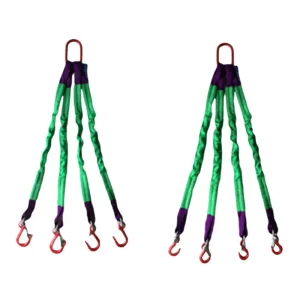
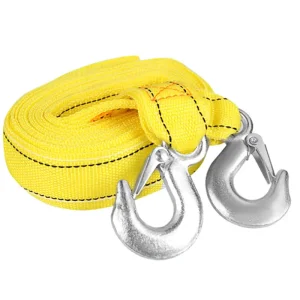
Direct logistical proximity to Tianjin Port ensures frictionless customs clearing, optimal container loading, and consolidated logistics. We allow overseas importers to consolidate safety helmets, CE EN 361 harnesses, lifting slings, and cargo control hardware in a single high-efficiency shipment.
A precision engineering comparison demonstrating why specific scaffolding environments demand dual-certified helmet configurations over standard commercial hard hats.
| Performance Parameter | EN 397 (Industrial Safety) | EN 12492 (Mountaineering / Height) | ANSI/ISEA Z89.1 Type II | ZhongQi Dual-Rating Scaffold Spec |
|---|---|---|---|---|
| Vertical Crown Impact | 5.0 kN Max Force (5kg striker drop) | 10.0 kN Max Force (flat striker drop) | Impact attenuation <= 150 G | Surpasses both: Dual Impact Certified |
| Side/Lateral/Front Impact | Not mandatory (Optional test) | Mandatory (Flat striker 500mm drop) | Mandatory (Off-axis deceleration test) | EPP/EPS Integrated Multi-Angle Liner |
| Chinstrap Retention Force | 150 N - 250 N (Releases to prevent snag) | > 500 N (Prevents release during fall) | Optional or non-specified default | Dual-Switchable Buckle (25kg / 50kg) |
| Ventilation Apertures | Optional; conditional closures | Vent holes required, spark screens opt. | Vented / Non-vented classes available | Sliding Shutter Micro-Mesh Ports |
| Low Temp Brittleness Test | -10°C default (-20°C / -30°C optional) | Tested down to -20°C | -30°C (Cold conditioning category) | Cold-Toughened Virgin ABS Tested to -30°C |
From complex industrial plant turnarounds to high-density civil infrastructure, our scaffolding head protection operates under extreme real-world mechanical and environmental stressors.
Navigating dense pipe racks requires non-conductive, dielectric shells (Class E compliant) and unvented spark containment to avoid ignition hazards during high-heat boiler overhauls and vessel scaffold assembly.
Exposed to severe aerodynamic crosswinds, bridge maintenance demands compact low-profile helmets with 4-point chinstraps ensuring zero displacement when riggers look straight up to align truss couplers.
High-saline sea mist aggressively degrades inferior plastics. Our UV-stabilized ABS and stainless-steel internal rivets withstand extreme chloride corrosion while providing high-visibility fluorescence for foggy conditions.
Urban façade restoration involves high overhead drop hazards. Operators wear helmets with integrated drop-down poly eye-shields, avoiding interference with personal corrective glasses while protecting from falling concrete aggregate.
Procurement directors from tier-1 civil EPC contractors and rental equipment consolidators are enforcing higher testing standards and unified supply chain traceability.
Scientific consensus recognizes that oblique strikes generate rotational force, causing shear stress in brain matter. Global tenders increasingly mandate rotational motion mitigation linings to curb catastrophic traumatic brain injury (TBI).
OEM private-label helmet inquiries now integrate NFC (Near Field Communication) microchips and laser-etched QR codes that link directly to worker medical profiles, certification credentials, and factory batch certificates for instantaneous digital gate verification.
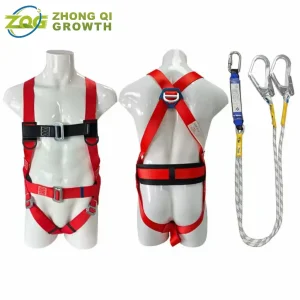
Procurement teams increasingly avoid disaggregated sourcing. ZhongQi fulfills complete rigging-at-height systems: scaffolding safety helmets, CE EN 361 fall arrest harnesses, elasticated shock-absorbing lanyards, and industrial steel carabiners under consistent, audited quality control.
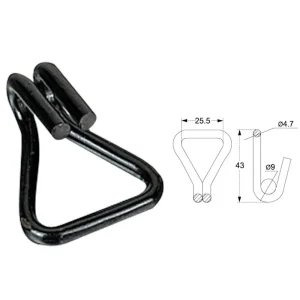
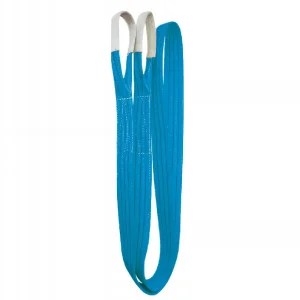
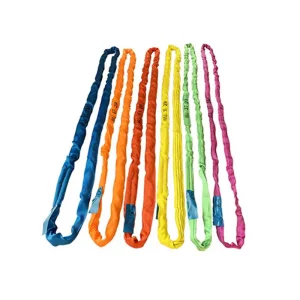
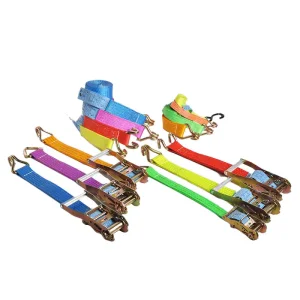
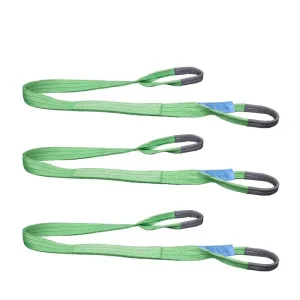
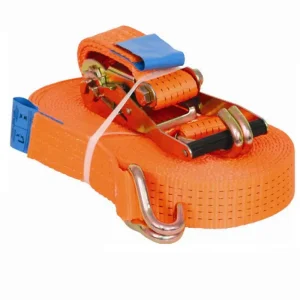
Precision-stitched webbing, heavy cargo ratchet ties, and specialist protective equipment designed to complement scaffold operations.
Before batch dispatch from our Tianjin facility, random samples undergo multi-stage physical stress and environmental degradation routines within our ISO-accredited testing laboratory.
Helmets are conditioned across four states prior to mechanical impact testing: High Temperature (+50°C), Sub-Zero Arctic Freezing (-30°C), Water Immersion, and Artificial UV Radiation chambers for 400 continuous hours to simulate severe climatic weathering.
Using piezoelectric load sensors mounted beneath calibrated EN 960 magnesium headforms, we drop flat and hemispherical 5.0 kg strikers from 2 meters. Accelerometers record peak force attenuation to ensure load transfer remains below strict regulatory injury criteria.
A 3.0 kg hardened conical steel penetrator dropped from 1 meter must demonstrate zero contact with the headform surface. Our ABS/PC shell formulations eliminate brittle punch-through, converting puncture forces into controlled localized deformation.
Essential guidance addressing regulatory approvals, logistics, custom manufacturing, and cranial safety physics.
