Procure certified industrial-grade hardware directly from our integrated North China manufacturing base.
Analyzing modern global safety benchmarks, materials science transition from legacy ABS/Polycarbonate polymers, and lifecycle ROI in extreme industrial sectors.
Heavy industry, civil engineering, and hazardous environment operations are experiencing a structural shift toward premium Personal Protective Equipment (PPE). The universal reliance on high-density polyethylene (HDPE) and Acrylonitrile Butadiene Styrene (ABS) hard hats is reaching its mechanical limits. Wholesale carbon fiber safety helmets resolve occupational fatigue and traumatic head injury risks by yielding unprecedented strength-to-weight ratios, ensuring complete compliance with international EN 397:2012+A1:2012 and ANSI/ISEA Z89.1-2014 Type I/II industrial requirements.
Unlike standard injection-molded safety caps, high-tier carbon fiber safety helmets are fabricated using unidirectional (UD) and 3K twill carbon fiber textiles pre-impregnated with toughened epoxy resin matrices. Under automated heat and pressurized compression molding, individual filament bundles cross-link to form an isotropic outer shell. This micro-architecture prevents crack propagation and delivers localized energy dissipation far superior to conventional thermoplastic polymers.
Cumulative musculoskeletal strain caused by long work shifts in 450+ gram industrial helmets correlates directly with reduced alertness, cervical disc stress, and elevated operational incidents. By cutting total assembly weight to under 320 grams while elevating penetration resistance, carbon fiber shells combined with multi-point ratcheted energy-absorbing internal suspensions deliver an optimal blend of neurological safety and long-shift endurance.
Quantitative laboratory test results analyzing mechanical, thermal, and occupational performance metrics.
| Performance Characteristic | High-Density Polyethylene (HDPE) | Acrylonitrile Butadiene Styrene (ABS) | 3K Carbon Fiber Composite (ZhongQi) | Operational Value Advantage |
|---|---|---|---|---|
| Shell Weight (Grams avg.) | 380g – 420g | 400g – 460g | 270g – 310g | Up to 40% reduction in cervical neck fatigue |
| Tensile Strength (MPa) | 20 – 40 MPa | 40 – 50 MPa | 600 – 1,200 MPa | Superior defense against high-velocity kinetic drop impacts |
| Thermal Stability Envelope | -10°C to +50°C | -20°C to +80°C | -40°C to +150°C | Zero brittle fracture under cryogenic or extreme foundry conditions |
| UV Degradation Lifespan | 1.5 – 2 Years Outdoor Exposure | 2 – 3 Years Outdoor Exposure | 5 – 8 Years (UV Clear Coating) | Lower overall lifecycle replacement expenditure for enterprise buyers |
| Penetration Resistance Factor | Moderate (Local deformation) | Moderate / High (Crack prone) | Extreme (Fiber network deflection) | Superior protection against sharp falling construction hardware |
Engineered for mission-critical industrial installations where protective failure is not an option.
Refineries and offshore oil extraction hubs in regions such as the North Sea, Gulf of Mexico, and the Middle East expose PPE to aggressive salt spray, intense hydrocarbon fumes, and thermal extremes. Carbon fiber composite resin resists both caustic airborne solvents and salt-crust corrosion, ensuring uncompromised structural life where thermoplastics degrade quickly.
Rope access specialists and wind turbine maintenance personnel face sustained updrafts and rotational head movement constraints. Paired with integrated 4-point chin straps according to EN 12492, carbon fiber shells eliminate aerodynamic drag, resist lateral crush impacts inside tight nacelle housings, and prevent slippage during sudden movements.
Thermal radiant loads in blast furnace operations regularly surpass +100°C, causing injection-molded ABS head protection to soften, lose retention shape, or fail drop-impact testing. Our proprietary thermoset resin formula preserves rigidity up to +150°C, shielding operators from heat radiation and flying debris hazards.
Subterranean tunnel excavation introduces constant risks of overhead rockfalls and high humidity. Carbon fiber safety helmets withstand direct vertical stonefall impacts without brittle fragmentation. High-tenacity suspension harnesses absorb kinetic shock waves before they travel to the cervical spine.
Ensuring frictionless market access across European, American, Asia-Pacific, and Middle Eastern safety authorities.
Our safety helmets pass testing protocols for Type I (top impact) and Type II (lateral impact) classifications. ZhongQi offers custom Class C (Conductive) composite options as well as specialized non-conductive dielectric configurations engineered with insulating layers for utility and electrical grid contractors throughout the United States and Canada.
For European PPE distribution, products are tested against EN 397 industrial hard hat criteria (including optional low-temperature shock absorption down to -30°C and lateral deformation resistance). In high-angle applications, our helmets fulfill EN 12492 climbing criteria with secure chinstrap release forces to avoid choking hazards.
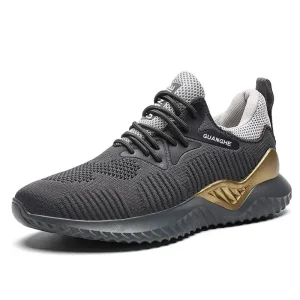
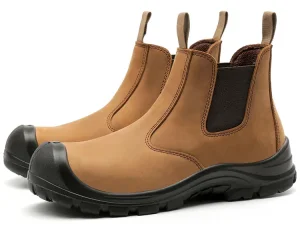
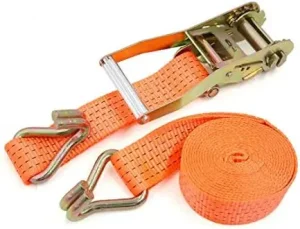
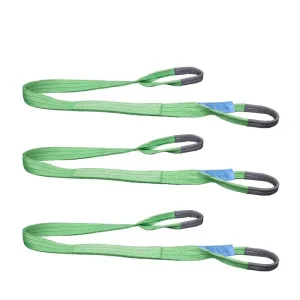
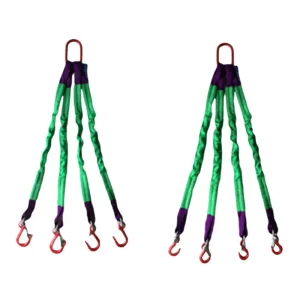
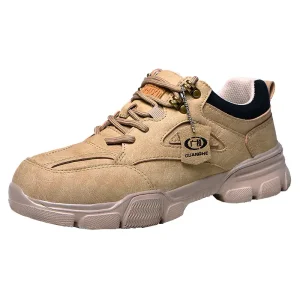
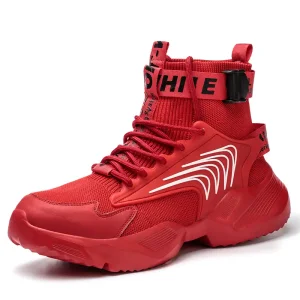
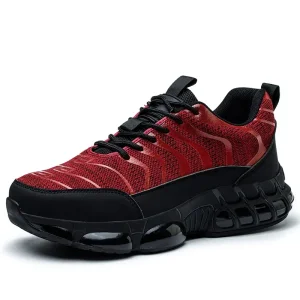
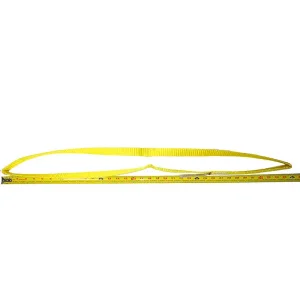
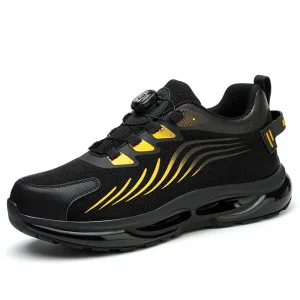
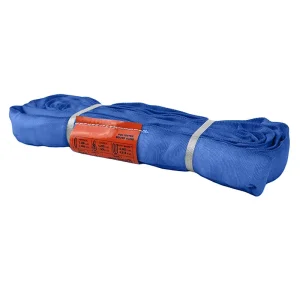
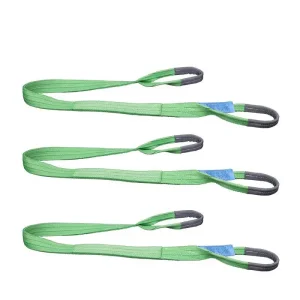
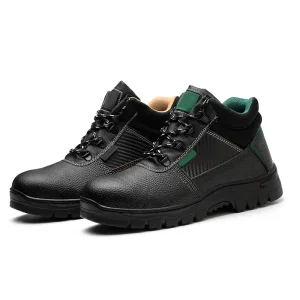
Located in the Shuangjie Trusted Industrial Park in Beichen District, Tianjin, our factory sits adjacent to Tianjin Port—the primary maritime shipping hub of North China. B2B buyers can consolidate high-volume carbon fiber helmet orders with lifting slings, safety harnesses, and work shoes into single container shipments, reducing landed shipping costs.
Anticipating the convergence of industrial telemetry, wearable IoT sensors, and advanced nanomaterials.
The job site of tomorrow relies on real-time field data. ZhongQi's R&D team is developing internal mounting channels for ultra-lightweight Bluetooth/LoRaWAN sensor nodes. These modules monitor worker core temperature, measure kinetic shock thresholds, detect motionless falls, and issue automated SOS alerts to regional safety controllers.
By blending graphene nanoplatelets directly into our liquid epoxy resin prior to fabric infusion, our laboratory engineers have achieved a 22% increase in interlaminar shear strength and improved heat dissipation across the helmet shell. This enhancement minimizes thermal hotspots under intense desert solar exposure.
Balancing high protection with environmental responsibility, our sustainable composite program focuses on closed-loop carbon fiber recycling. Reclaimed aerospace carbon fiber weaves are matched with plant-based bio-resins to minimize carbon footprints while fulfilling all EN 397 impact dissipation criteria.
Direct technical and commercial guidance from our engineering and export team.
A standard ABS or HDPE safety helmet typically weighs between 400 and 460 grams. By contrast, a high-performance carbon fiber composite shell weighs roughly 270 to 310 grams depending on suspension configuration. This 30% to 40% reduction notably lessens worker neck muscle strain and fatigue across long industrial shifts.
Pure carbon fiber is naturally conductive and is categorized under ANSI Z89.1 as Class C (Conductive). However, for clients operating in utility, rail, or electrical domains who need dielectric properties (Class G or E), ZhongQi manufactures hybrid composite shells. We integrate an external non-conductive fiberglass or ceramic insulating barrier layer over the carbon core, ensuring complete dielectric compliance alongside high impact resistance.
We support OEM and ODM collaboration. Our standard custom MOQ starts at 300 to 500 units for branded runs. Customization choices include glossy or matte carbon surface finishes, 3K twill or forged carbon appearances, silk-screened or pad-printed corporate logos, tailored suspension strap colors, and custom retail packaging.
While standard thermoplastic helmets require mandatory replacement every 2 to 3 years due to solar UV brittleness, carbon fiber composites embedded with premium UV-inhibiting clear coats generally offer a dependable service life of 5 to 8 years, provided the shell has not sustained a significant impact incident.
Every production run undergoes strict in-factory testing at our Tianjin facility. Batches are tested on calibrated drop towers to measure force attenuation, lateral crush resistance, and cold-conditioned penetration. Mill test certificates (MTC) and third-party laboratory verification documents accompany your export shipping paperwork.
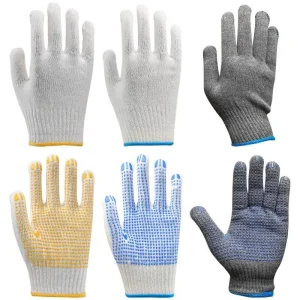
Round out your procurement shipments with our heavy-duty industrial textile solutions and field gear.