Direct wholesale items ready for export packaging, multi-standard certification, and customized branding workflows.
Why modern engineering conglomerates, EPC contractors, and safety distributors are actively pivoting from conventional thermoplastics to high-density thermoset composite hard hats.
Standard Acrylonitrile Butadiene Styrene (ABS) and High-Density Polyethylene (HDPE) shells soften between 90°C and 110°C, losing structural rigidity under molten metal splash or intensive radiant heat. Fiberglass Reinforced Plastics (FRP) utilize an irreversible 3D polymer cross-linked network, retaining mechanical integrity beyond 200°C without mechanical sagging or crown collapse.
Thermoplastics suffer environmental stress cracking (ESC) when exposed to aromatic hydrocarbons, petrochemical vapors, and industrial acids. Our thermoset fiberglass matrices resist hydrocarbon penetration, acid mists, and industrial degreasers, delivering a verifiable 5-year working lifespan in harsh offshore and refining applications.
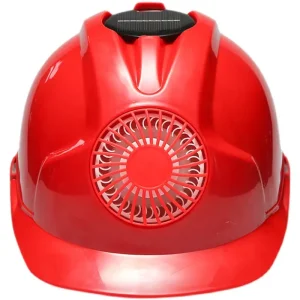
Engineered via high-pressure hydraulic compression molding, the interlaced fiberglass rovings dissipate localized kinetic impacts laterally across the dome. This significantly minimizes kinetic shock transmission to the wearer's cervical spine, meeting strict ANSI/ISEA Z89.1 and EN 397 deceleration thresholds with a total shell weight under 430 grams.
| Performance Parameter | Thermoset Fiberglass (SMC/FRP) | High-Density Polyethylene (HDPE) | Engineered ABS Terpolymer | Testing Protocol Benchmark |
|---|---|---|---|---|
| Heat Deflection Temp (0.45 MPa) | > 220°C (Non-softening) | 85°C – 95°C (Deforms) | 95°C – 105°C (Softens) | ISO 75 / ASTM D648 |
| Impact Energy Attenuation (5kg drop) | < 3.2 kN Transmitted Force | 4.2 kN – 4.8 kN | 3.8 kN – 4.4 kN | EN 397 (Clause 5.1.1) / ANSI Z89.1 |
| Molten Metal Splash Resistance (1400°C) | Zero Penetration / Self-Extinguish | Immediate Melt-Through | Severe Char & Hole Formation | EN 397 Optional MM Requirement |
| Dielectric Proof Testing | 20,000V AC (Class E Approved) | 2,200V AC (Class G Only) | 20,000V AC (Degrades with Heat) | ANSI/ISEA Z89.1-2014 Clause 8.2 |
| Recommended Service Life (Outdoor UV) | 5 to 8 Years Operational Life | 2 to 3 Years (UV embrittlement) | 3 Years Maximum | Accelerated Xenon Arc Weathering |
A closer look inside Tianjin ZhongQi's multi-stage composite synthesis, precision hydraulic stamping, and structural interior suspension systems.
We source high-purity, alkali-free continuous filament roving, chemically treated with organosilane coupling agents. This promotes molecular interfacial adhesion with the polymer matrix, preventing micro-crack delamination during blunt shock loading.
Our tooling cell features precision-ground hardened alloy dies held at 155°C ± 2°C under 1200 metric tons of continuous hydrostatic clamping force, eliminating microscopic voids, flow line defects, and localized density variations.
Formulated with brominated/hydrated alumina trihydrate (ATH) fillers, the unsaturated polyester resin achieves an auto-extinguishing UL94 V-0 flame rating and Limiting Oxygen Index (LOI) > 32%, preventing secondary flash burn hazards.
Precision-woven high-tenacity terylene harness straps cradle the cranium with an engineered 35mm deceleration buffer. A micro-gear adjustment dial ensures snug ergonomics across head sizes from 52cm to 64cm with zero pressure points.
Examining field mechanics, compliance requirements, and operational wear factors across demanding workplace environments worldwide.
Blast furnaces and rolling mills expose equipment to continuous convective and radiant temperatures up to 180°C, alongside intermittent sparks and slag splash. While standard thermoplastic crowns deform within seconds, our fiberglass shell creates an insulating boundary layer, preventing structural collapse and protecting cranial blood vessels.
Processing units, cracking towers, and offshore platforms involve volatile airborne hydrocarbons (methane, toluene, benzene). ZhongQi's anti-static SMC formulations dissipate surface electrical charges below static ignition thresholds, preventing catastrophic sparks in ATEX Zone 1 and Zone 2 hazardous explosive atmospheres.
Confined underground stopes pose high hazards from falling overhead aggregate, high humidity, and machinery vibrations. The superior longitudinal stiffness (LD rating) of our composite shells stops sharp rock fractures from penetrating the crown, while slotted universal lugs securely lock mining cap lamps and ear defense pods.
Linemen and electrical technicians face flash arc faults and stray conductor contacts. Our Class E non-conductive composite hard hats undergo individual 20,000-volt AC dielectric withstand checks, ensuring leakage current remains below 9 milliamperes to shield line-workers from fatal current arcs.
Coastal marine environments destroy ordinary equipment through saline corrosion, persistent mist, and solar UV radiation. Our cross-linked polyester composites remain unaffected by sodium chloride degradation, ensuring consistent mechanical strength on offshore wind turbine decks and shipyard docks.
While polyolefins become brittle and shatter under impact at extreme freezing temperatures, Tianjin ZhongQi's fiberglass formulations maintain impact absorption down to -40°C. Verified under EN 397 optional cold conditioning, our composite hard hats remain crack-free during severe Siberian and Canadian winter field work.
How our vertically integrated production base in Tianjin delivers predictable container lead times, superior economies of scale, and flexible private-label customization.
Situated in Shuangjie Trusted Industrial Park, Beichen District, Tianjin, our manufacturing plant sits just 35 kilometers from Tianjin Port (Xingang). This provides direct sea-freight routing to Rotterdam, Hamburg, Los Angeles, and Dubai, lowering inland transport fees and ensuring daily container dispatch without multi-day intermodal bottlenecks.
By operating our own CNC electrical discharge machining (EDM) workshop, custom headshell molds, logo relief engravings, and side-slot attachment tooling are developed in-house within 21 calendar days. This cuts capital investment requirements by 60% compared to Western contract molding shops.
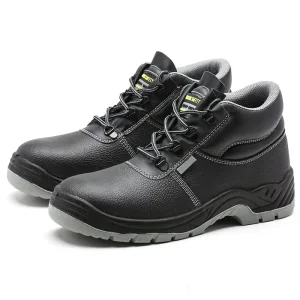
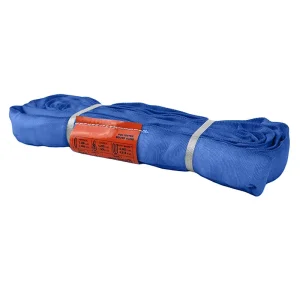
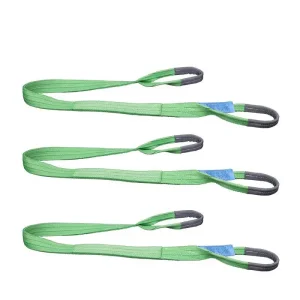
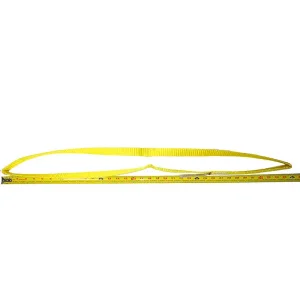
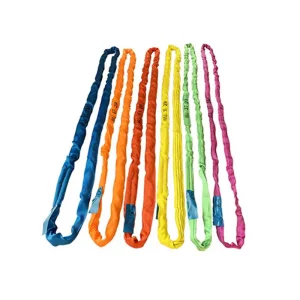
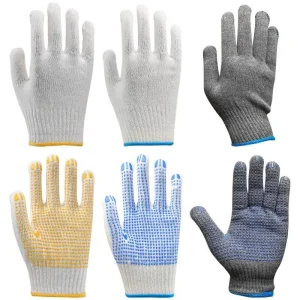
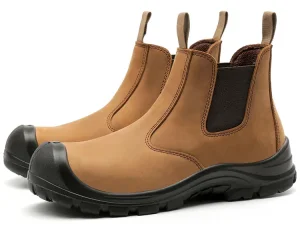
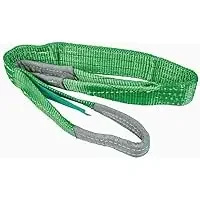
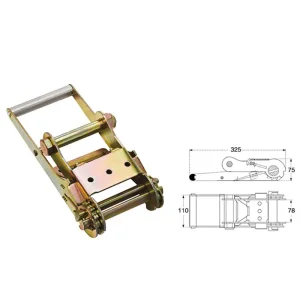
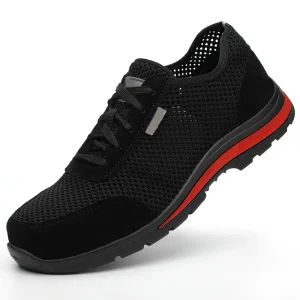
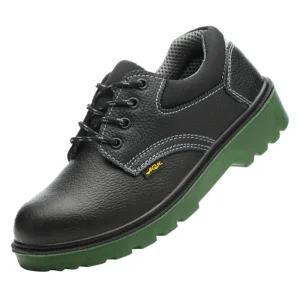
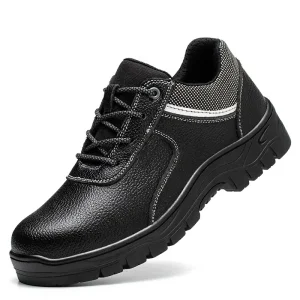
Overseas safety distributors can combine wholesale fiberglass helmets with CE-certified lifting slings, fall arrest harnesses, safety boots, and work gloves inside a single 20GP or 40HQ container. This single-invoicing workflow cuts ocean LCL surcharges and optimizes your procurement working capital.
Every production batch undergoes systematic laboratory impact testing, conical striker penetration checks, and electrical resistance diagnostics.
Complies with Type I top-impact and Type II top/lateral impact protocols, with Class G (2,200V) and Class E (20,000V electrical hazard protection). Every unit is verified for apex impact load reduction below 3.78 kN (850 lbf).
Certified for mandatory vertical shock absorption, pointed penetration resistance, and continuous flame retardance, plus optional criteria: Molten Metal (MM), Lateral Deformation (LD), and Extreme Low Temperature (-30°C).
Complies with Australian/New Zealand Type 1 (general industrial), Type 2 (high-heat areas including metallurgical plants), and Type 3 (bushfire operations) high radiant flux criteria, complete with full thermal stability verifications.
Each safety helmet features an indelible laser-engraved or in-mold bar code tracking resin formulation lots, glass fiber roving suppliers, compression hydraulic press ID, vulcanization operator data, and final lab approval records.
Tianjin ZhongQi's forward R&D pipeline integrates nanomaterial-reinforced resin matrices, embedded smart sensors, and circular composite reclamation programs.
Incorporating graphene nanoplatelets into our unsaturated polyester system reduces total shell wall thickness by 18% while enhancing micro-fracture energy absorption and lateral toughness.
Integration of low-power Bluetooth and RFID chips into the interior shell recess enables hands-free gate access, workforce location tracking, and impact exposure recording during industrial incidents.
Developing thermoset resins derived from agricultural epoxies paired with closed-loop reclaimed glass fibers, achieving a 42% lower cradle-to-gate carbon footprint across bulk production runs.
Micro-encapsulated phase change material (PCM) inserts integrated inside cranial brow pads actively absorb excess thermal energy, keeping the user's microclimate below 28°C under hot desert sun conditions.
Key technical, regulatory, and logistics answers for enterprise PPE buyers, category directors, and safety equipment distributors.
Sheet Molding Compound (SMC) fiberglass uses an irreversible thermoset polymer matrix reinforced with multidirectional woven glass fibers. Unlike injection-molded thermoplastics (ABS/HDPE), which soften at 95°C–105°C and become brittle at sub-zero temperatures, SMC fiberglass retains its structural shape and impact protection up to 200°C without melting, dripping, or losing rigidity. Furthermore, fiberglass provides superior resistance against harsh chemicals, intense solar UV exposure, and environmental stress cracking, extending dependable field service life up to 5 to 8 years.
Tianjin ZhongQi designs, tests, and manufactures safety helmets aligned with multiple global certifications: ANSI/ISEA Z89.1-2014 (Type I, Type II, Class G & Class E), European Standard EN 397:2012+A1:2012 (including optional parameters for -30°C low temperature, +150°C high temperature, lateral deformation LD, and molten metal splash MM), Australian/New Zealand Standard AS/NZS 1801, and Chinese National Standard GB2811-2019. We provide accredited third-party test reports (SGS, TUV, INSPEC) alongside every bulk commercial shipment.
With over 15 years of OEM and ODM engineering experience, we offer comprehensive customization: custom molded shell colors (matched to RAL/Pantone standards using pigment-impregnated resin systems), pad-printed or molded corporate logos, retro-reflective prismatic decals, interior suspension options (wheel-ratchet or pinlock adjustment with 4-, 6-, or 8-point webbing), sweatband materials (sweat-wicking leatherette, air-mesh, or antibacterial microfiber), customized retail packaging, and laser-etched internal QR/barcodes for internal asset management.
Our non-vented, metal-free industrial fiberglass safety helmets are certified as Class E (Electrical) under ANSI/ISEA Z89.1 protocols, passing proof tests at 20,000 volts AC for three minutes with leakage current well below 9.0 mA. They also meet the 440V AC electrical insulation criteria specified under EN 397 Clause 5.2.3. The non-conductive thermoset resin matrix and all-plastic ratchet suspension avoid electrical flashover hazards for substation engineers, line technicians, and industrial electricians.
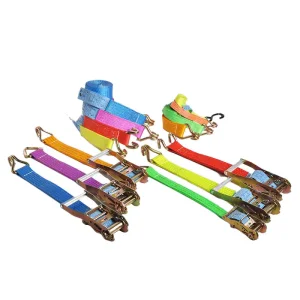
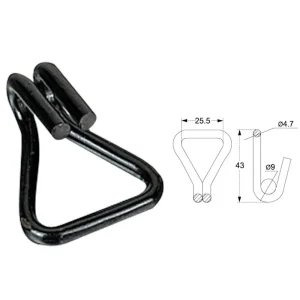
Our standard MOQ for standard-color fiberglass helmets is 500 units; custom Pantone/RAL resin formulations start at 1,000 units. Pre-production functional samples are prepared and dispatched via international air express within 5 to 7 working days. Full container orders (20GP or 40HQ) are completed within 20 to 28 calendar days. We also accommodate mixed container orders consolidating safety helmets, lifting slings, ratchet straps, work boots, and safety gloves to optimize your freight budget.
We recommend a maximum working life of up to 5 years from first deployment, or 8 years from the molded manufacture date if stored in a climate-controlled warehouse away from direct sunlight. The internal textile suspension and brow pads should be replaced every 12 to 18 months based on sweat saturation and physical wear. Any hard hat exposed to a severe mechanical impact or deep surface penetration must be retired and replaced immediately, regardless of visible outer shell condition.
Pair your composite head protection procurement with high-tenacity lifting slings, tie-down systems, and safety footwear directly from our Tianjin production hub.