Engineered for high-stress operations, civil infrastructure, and load-securing logistics. Certified for cross-continental regulatory conformance.
A macroeconomic and operational review of cranial safety systems across heavy construction, civil engineering, petrochemicals, and manufacturing.
The contemporary green safety helmet market has migrated from commodity high-density polyethylene (HDPE) to high-impact Acrylonitrile Butadiene Styrene (ABS) and specialized Polycarbonate (PC) alloys. This shift ensures resistance to dynamic impact, lateral deformation, and high-voltage dielectric exposure, maintaining integrity under extreme thermal gradients (-20°C to +50°C).
On enterprise-level industrial sites, chromatic delineation is foundational to workplace health and safety (WHS). While white is customarily allocated to project managers and red to fire safety personnel, the Green Safety Helmet identifies safety officers, environmental compliance managers, new operational inspectors, and specialized green-energy technicians.
Dynamic force mitigation relies on the geometric synergy between an injection-molded shell and an internal 4-point or 6-point suspension harness. Using high-tensile polyester webbing woven on high-density shuttleless looms, force transference during falling-object impact is dispersed across parietal crests, reducing rotational acceleration to the cervical spine.
Decoupling the engineering, raw material, and shipping economics that make coastal Chinese suppliers the backbone of global PPE procurement.
Located in the Shuangjie Trusted Industrial Park in Tianjin, our facility operates in direct proximity to Tianjin Port—the primary maritime shipping gateway in Northern China. This strategic geography reduces inland transit costs to negligible margins, minimizes dispatch container dwell times, and enables smooth multimodal transfer to North American, European, and Middle Eastern ports.
Unlike regional assemblers reliant on tiered subcontracting, our production processes combine raw resin compounding, masterbatch coloration, automated high-pressure mold injection, and narrow fabric weaving for suspension harnesses. This vertical architecture eliminates multi-tier markups and delivers high yield stability with lower unit production costs.
Over 60% of our internal personnel focus on technical R&D, tooling optimization, and mechanical compliance. We accommodate corporate brand identity guidelines via laser engraving, tamper-proof pad printing, specialized venting channels, and universal slots for ear defenders, face shields, and intrinsically safe headlamps.
| Regulatory Standard | Target Region | Impact Attenuation Criteria | Penetration Tolerance | Dielectric Classifications |
|---|---|---|---|---|
| ANSI/ISEA Z89.1 | North America | Type I (Top) / Type II (Lateral & Top) < 4450 N | Plumb bob (1 kg) no contact from 3m | Class G (2.2kV), E (20kV), C (No rating) |
| EN 397:2012+A1:2012 | European Union / UK (UKCA) | Vertical drop 5kg striker < 5.0 kN residual | Conical drop pin (3kg) drop height 1m | 440V a.c. electrical insulation baseline |
| AS/NZS 1801 | Oceania | Type 1 (Industrial), Type 2 (High temp) | Drop needle penetration < striker clearance | Electrically insulating variations available |
| GB 2811-2019 | China / Belt & Road | Impact force transmission < 4900 N | Steel drop hammer drop verification | Level T (Special electrical protection) |
Environmental resistance specifications and design adaptations engineered for target industrial use cases.
Offshore and onshore wind turbine platforms present tight confines and working-at-height hazards. Our short-peak green safety helmets feature a high-retention 4-point chin strap system (compliant with EN 12492 for mountaineering retention profiles), preventing dislodgment during sudden vertical ascents and lateral gusting.
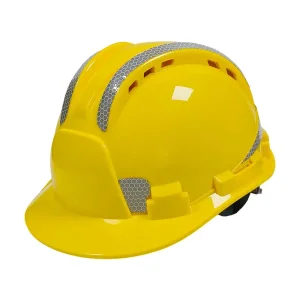
For large-scale highway networks, bridge erection, and metropolitan transit construction, our thickened ABS configurations include micro-prismatic retro-reflective inserts. These treatments elevate 360-degree worker visibility across dawn, dusk, and heavy subterranean tunneling conditions.
Hydrocarbon refining and drilling operations require non-sparking materials, electrostatic dissipation (ESD), and anti-chemical degradation properties. Our helmets resist concentrated hydrocarbon mist and synthetic drilling fluids while retaining structural resilience in corrosive marine atmospheres.
How international safety distributors, government bodies, and EPC contractors are reshaping head protection sourcing for sustainability and digitalization.
Global procurement teams operating under ESG compliance mandates are moving away from fossil-exclusive virgin resins. ZhongQi is actively developing and compounding bio-attributed polypropylene (PP) and post-consumer recycled (PCR) engineering ABS blends. These materials achieve comparable tensile strengths while cutting embedded production carbon footprints by up to 34%.
Next-generation worksites require real-time situational awareness. Our engineering teams have developed custom shell architectures that host internal wire routing, integrated beacon clips, and dedicated NFC transponders. These features allow site supervisors to verify worker training certifications, inspect PPE operational shelf-life, and log emergency medical profiles on contact.
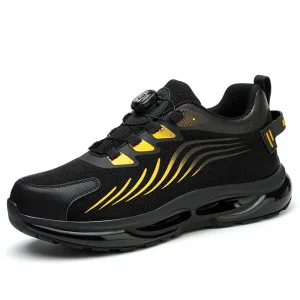
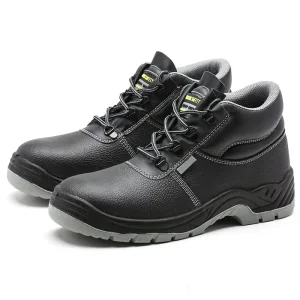
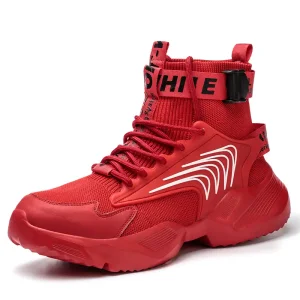
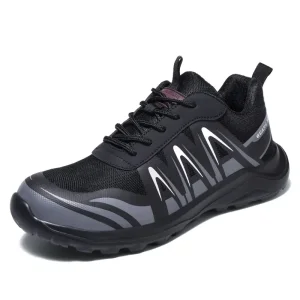
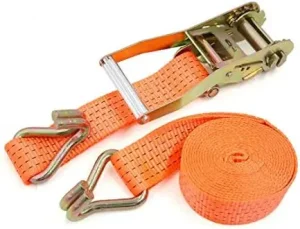
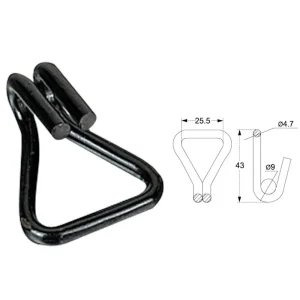
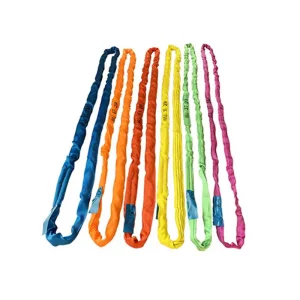
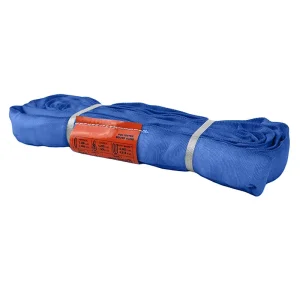
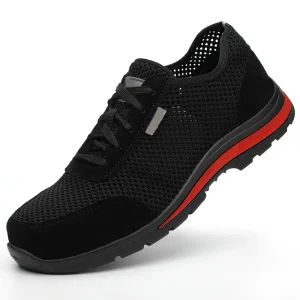
Procurement directors seek to consolidate purchase orders by sourcing complementary product classes from single manufacturing hubs. Through our factory group in Tianjin, buyers can combine custom green safety helmets, high-tenacity lifting slings, fall arrest harnesses, and protective footwear into consolidated ocean containers—minimizing port clearance friction.
Insights on batch testing, certification verification, tooling modifications, and supply logistics.
Our industrial ABS shells feature integrated UV-stabilizers that protect polymers against photolytic degradation for up to five years of operational service from initial deployment, depending on environmental exposure. We recommend an inspection period of 24 to 36 months under intensive solar UV exposure. Internal webbing suspensions should be replaced every 12 to 24 months depending on usage severity.
Yes. Every mass-production run is backed by internal QA testing (covering drop-weight impact attenuation, pointed striker penetration, and flame retardancy) performed at our in-house lab. Full third-party compliance reports and declarations of conformity (CE, ANSI, UKCA) from accredited test houses (such as SGS, TÜV, or INSPEC) are made available alongside commercial shipping documents.
For custom green shades matched to enterprise Pantone standards, our baseline MOQ is typically 1,000 to 2,000 units per run. Silk-screen printing, pad printing, and high-precision laser-etched logos require minimal setup times, with sample proofs provided in 3 to 5 business days. Dedicated injection mold toolings require an engineering development cycle of 25 to 40 days.
We use automated nesting workflows where the inner 4-point/6-point suspension harness systems are packed flat or decoupled from the main shells, depending on client preferences. This approach increases shipping box packing density by 40% to 65% over fully assembled units, significantly lowering the per-unit sea freight impact on high-cube containers originating from Tianjin Port.
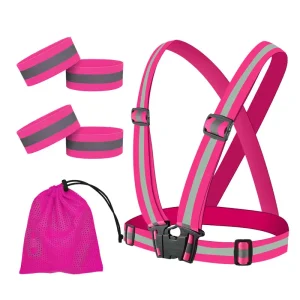
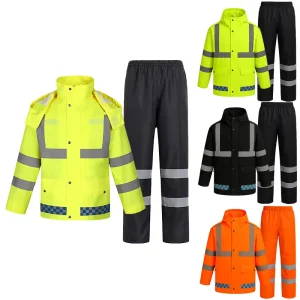
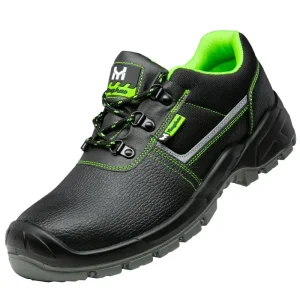
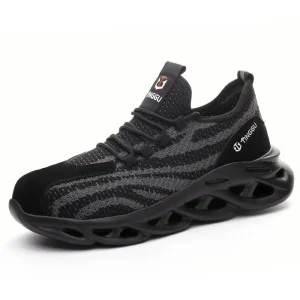
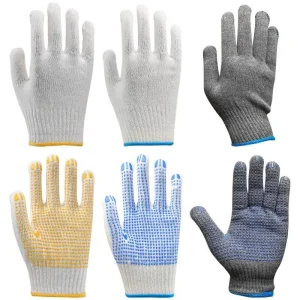
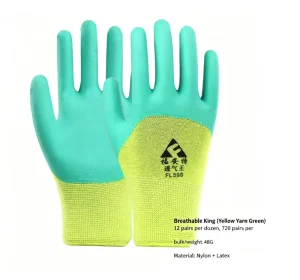
Complete your procurement manifest with certified fall-arrest hardware, all-weather high-visibility gear, and heavy safety footwear direct from our manufacturing lines.