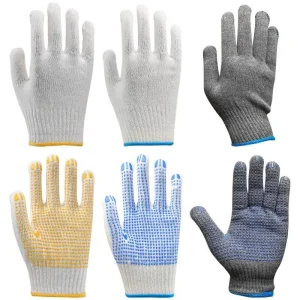
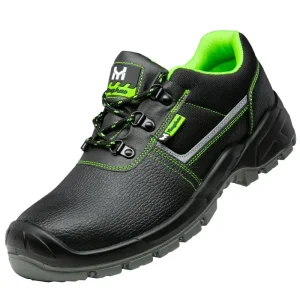
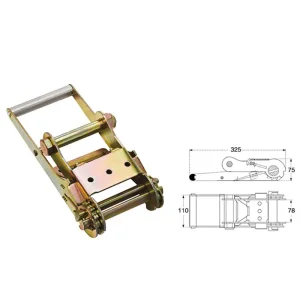
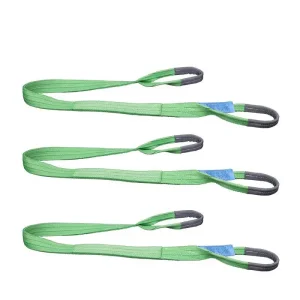
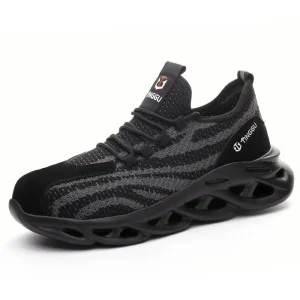
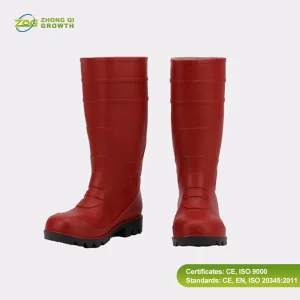
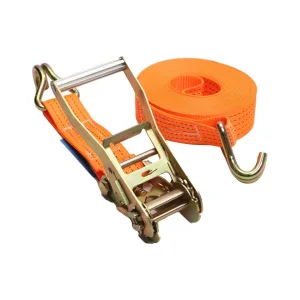
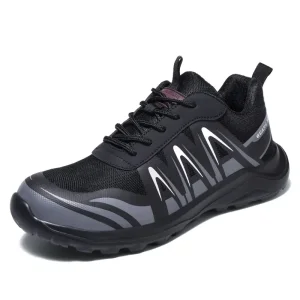
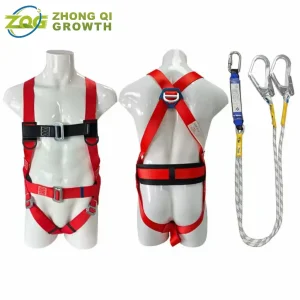
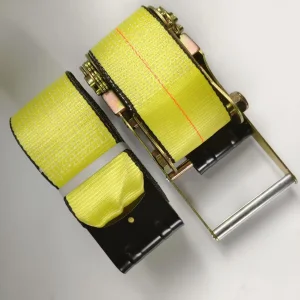
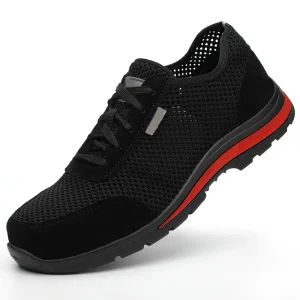
Precision-manufactured load handling slings, fall arrest harnesses, and specialized safety footwear developed alongside our protective headwear collections for multi-asset site operations.
In the global personal protective equipment (PPE) ecosystem, the moniker "Japanese Safety Helmet" denotes far more than regional aesthetics. It represents a strict technical philosophy engineered around the hyper-demanding safety mandates of the Japanese Ministry of Health, Labour and Welfare (MHLW) and codified under JIS T 8131 (Protective Helmets for Industrial Workers). Unlike traditional, bulkier European or North American dome shapes, Japanese safety helmets are engineered with ultra-streamlined low-center-of-gravity geometries, multifaceted energy absorption ribs, and superior lateral/oblique impact attenuation mechanisms designed for high-density, multi-angle collision risks encountered on modern jobsites.
As a prominent wholesale manufacturer supplying international enterprises and OEM brands, our industrial facilities incorporate cutting-edge thermodynamic polymer injection molding, advanced fiber-reinforced plastics (FRP), and lightweight polycarbonate (PC/ABS) formulations. We deliver industrial safety headgear that surpasses conventional blunt-force compliance, mitigating rotatory accelerations and multi-directional kinetic transfer during structural collapses, scaffolding falls, and seismic disruptions.
Choosing the correct structural shell chemistry defines functional lifespan, environmental degradation resilience, and worker comfort under varying climate thresholds. The table below delineates the structural trade-offs engineered across our primary wholesale shell specifications:
| Matrix Resin / Material | Specific Density | Impact Dissipation | Dielectric Resistance | Heat / Flame Threshold | Optimal Industry Application |
|---|---|---|---|---|---|
| ABS (Acrylonitrile Butadiene Styrene) | 1.04 - 1.07 g/cm³ | High Rigidity / Puncture Proof | Up to 7,000V (Type E JIS) | -20°C to +80°C | General Commercial Construction, Interior Fitting, Civil Works |
| Polycarbonate (PC) Pure Alloy | 1.20 - 1.22 g/cm³ | Superior Fracture Toughness | Excellent Arc Flash Stability | -30°C to +120°C | Power Utilities, High-Temperature Foundries, Oil & Gas |
| FRP (Fiberglass Reinforced Polymer) | 1.75 - 1.95 g/cm³ | Exceptional Dimensional Stability | Non-conductive / Non-dielectric | Up to +180°C (Non-melting) | Steel Mills, Heavy Shipbuilding, Tunnel Boring Operations |
| Biomass Bio-Polyethylene Blend | 0.95 - 0.98 g/cm³ | Resilient Dynamic Elasticity | Standard Secondary Insulation | -10°C to +60°C | Eco-Certified Projects, Green Corporate Infrastructure ESG |
International contractors and tier-1 distributors are transitioning from regional procurement to consolidated, large-scale manufacturing partnerships that provide turn-key standardization, multi-standard compliance, and tailored OEM branding.
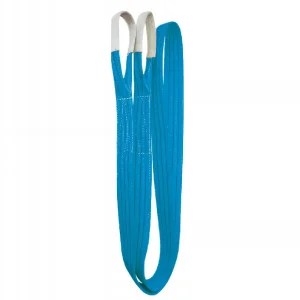
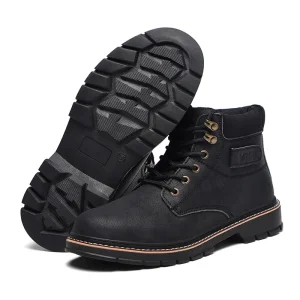
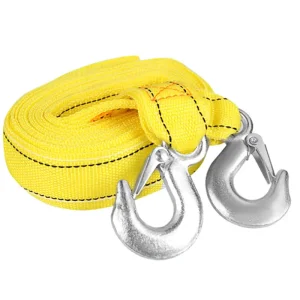
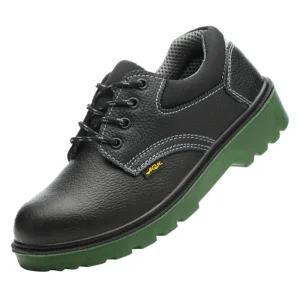
By producing headgear alongside full-body CE EN 361 fall arrest harnesses, webbing slings, and puncture-resistant safety boots, we enable overseas procurement teams to fill 20ft and 40ft HQ containers with balanced safety ecosystems, minimizing dead shipping volume and custom clearing costs.
Direct sourcing from our modernized injection plant eliminates intermediary trading markups. Automated robotic arm de-molding and in-house UV screen printing drastically compress unitary production costs while enabling private-label distributors to achieve robust gross margins.
Our OEM shells integrate standardized universal mounting slots (30mm Euro-slot compatibility), enabling seamless tool-free locking of integrated face shields, active hearing defenders, high-lumen headlamps, and chin strap breakaway toggles compliant with height safety regulations.
A primary friction point for international importers sourcing Japanese-profile helmets is aligning the Japanese Industrial Standard with target destination testing methodologies. For example, while European EN 397 prioritizes vertical shock absorption using a 5.0 kg hemispherical striker with a force transfer limit of 5.0 kN, American ANSI/ISEA Z89.1 Type I testing evaluates crown impact with an 8-pound weight dropped from specific elevations, alongside optional Type II off-center lateral testing.
Our engineering laboratory resolves cross-border compliance through our proprietary Tri-Standard Synergy Framework. Every production run undergoes automated batch drop tower testing, penetration tests utilizing drop cones at 3.0 kg, flame retardancy burn chambers, and dielectric voltage breakdown fixtures.
Monitors peak dynamic force absorption under standard (+20°C), low (-10°C), and high-temperature moisture conditioned states, ensuring structural foam coherence without shell delamination.
Shells are submerged in electrolyte water tanks and energized up to 20,000V AC for 3 minutes without current leakage exceeding 10 milliamperes, guaranteeing worker survival during overhead high-voltage contacts.
Laser-etched QR codes and molded-in date wheels provide forensic traceability back to resin raw material lots, injection machine operator IDs, and accredited third-party batch inspection certificates.
Industrial head protection is undergoing an architectural leap. Our advanced product engineering division is actively deploying smart telemetry, passive micro-cooling channels, and closed-loop recyclable materials into high-volume wholesale production pipelines.
Embedded ultra-thin headband photoplethysmography (PPG) sensors measure pulse rate, cranial skin temperature, and ambient humidity. When core body heat thresholds are breached, BLE alerts notify site safety monitors to prevent heat-stroke casualties.
Taking inspiration from cranial cerebrospinal fluid, our next-generation suspension harnesses employ low-friction omnidirectional shear layers that glide 10–15mm during angled strikes, reducing severe rotational brain acceleration by up to 34%.
Eliminating mixed adhesives and multi-resin compounds, we are standardizing pure unpigmented high-modulus polyolefins that can be 100% recycled back into non-critical secondary industrial molding at end-of-service retirement.
Engineered clarifications regarding mold ownership, standard conversion, UV expiration intervals, and container consolidation.
Under JIS and EN safety guidelines, thermoplastic safety helmets (ABS, PC, Polyethylene) should be decommissioned and replaced every 3 years from initial date of service or 5 years from mold manufacture date, even in the absence of visible flaws. For Fiberglass Reinforced Plastic (FRP) shells, lifespan extends up to 5 years under active service due to heightened resistance against photochemical polymer breakdown.
Yes. We accommodate precise Pantone/RAL custom corporate color matching for bulk orders. Our printing workshops offer multi-color tampo pad printing, thermal transfer film application for high-resolution brand logos, and 3M micro-prismatic reflective vinyl strips. For custom shell profiles, we operate CNC EDM mold tooling facilities capable of delivering production-ready injection molds within 45 days.
Traditional Western full-brim designs maximize sun and debris deflection across 360 degrees, which is beneficial for wide-open terrain construction. In contrast, Japanese-style peakless or short-brim profiles prioritize upward visibility, agility inside tight scaffolding matrices, and wind aerodynamic balance. They also eliminate peripheral snagging when scaling vertical fall arrest ladder structures.
Every export lot includes comprehensive Quality Inspection Certificates (QIC), Mill Test Reports for raw plastic pellets (showing melt flow index and impact resistance ratings), CE EN 397 Declarations of Conformity, JIS compliance verification test records, and standardized dangerous goods/flammability packaging declarations.
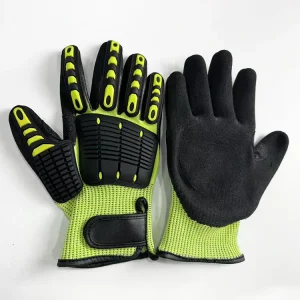
Complete your wholesale inventory sourcing with our factory-direct safety boots, impact gloves, tie-down systems, and heavy-duty polyester rigging webbings.