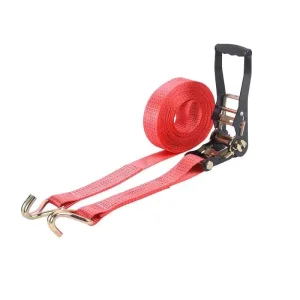
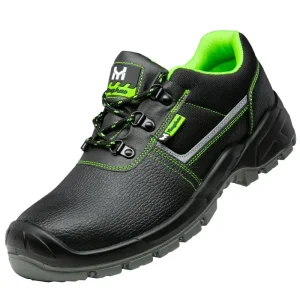
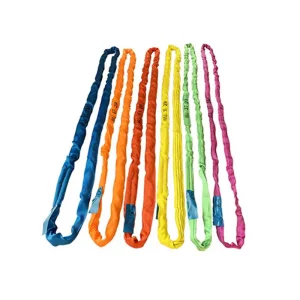
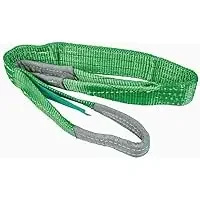
Consolidate high-volume PPE, lifting slings, and cargo control equipment in single-container shipments with complete factory-direct quality certification.
Analysis of international industrial standards, regional regulatory enforcement, and the evolving shift from conventional hard hats to advanced safety helmet caps.
Occupational health administrations across North America (OSHA, ANSI/ISEA Z89.1), Europe (EN 397, EN 12492, EN 812), and the Asia-Pacific region (AS/NZS 1801, GB 2811) are imposing stricter requirements on side-impact protection (Type II) and working-at-height chinstrap retention. Procurement leaders are migrating away from legacy, loose-fitting hard hats toward close-contoured safety helmet caps that incorporate integrated textile suspensions, high-retention EPS liners, and secure dual-lock harnesses.
The worldwide industrial head protection market is projected to surpass USD 4.8 Billion by 2030, charting a compound annual growth rate (CAGR) exceeding 6.2%. The key catalysts include massive global infrastructure investments, expanding offshore wind installations, hyper-scale logistics automation, and intensified civil construction activities across the Middle East, North America, and Southeast Asia.
Traumatic brain injuries (TBIs) account for over 22% of fatal job-site accidents in heavy industries. Modern safety helmet caps engineered with high-density EPS dampening structures dissipate up to 45% more kinetic energy during rotational and oblique impacts than single-wall traditional polyethylene hard hats, drastically lowering G-forces transferred to the cervical vertebrae and cranium.
Understanding shell molecular density, internal crush matrices, and suspension webbing thermodynamics to select the right specification for mission-critical operations.
Acrylonitrile Butadiene Styrene (ABS) delivers exceptional rigidity, structural toughness, and superior scratch resistance. Virgin ABS resin injection molds provide high surface gloss, ideal for pad-printed corporate branding, alongside remarkable dimensional stability in environments ranging from -20°C to +80°C.
High-Density Polyethylene (HDPE) remains the workhorse of general construction head protection. With a high strength-to-density ratio, HDPE delivers resilient impact absorption through controlled elastic deflection, superior moisture resistance, and cost-effective bulk volume procurement advantages.
Expanded Polystyrene (EPS) and Expanded Polypropylene (EPP) inner liners provide the multi-impact crush zones that differentiate modern climbing-style safety helmet caps from legacy open-suspension hard hats. EPP delivers repeated impact memory without catastrophic mechanical fracture.
Leveraging Tianjin ZhongQi's core mastery of high-tenacity industrial polyester yarn (210D AA Grade), our 4-point and 6-point internal suspension cradles distribute vertical kinetic loads uniformly across the crown, preventing contact between the shell and the cranial vault during severe impact events.
Technical Distinction: Industrial Bump Caps (EN 812) vs. Hard Hats (EN 397 / ANSI Z89.1): Industrial bump caps are engineered strictly to protect the wearer against striking fixed, sharp, or stationary obstacles (such as low ceilings in automotive manufacturing, baggage handling, or food processing lines). They are not rated for falling objects or moving mechanical loads. For overhead drop hazards, Type I or Type II industrial safety helmets must be specified.
How Tianjin ZhongQi Growth Technology Co., Ltd. capitalizes on North China's premier PPE industrial cluster to maximize buyer value, lead time precision, and container optimization.
Based in the Shuangjie Trusted Industrial Park, Beichen District, Tianjin, our manufacturing plant integrates high-precision CNC mold fabrication, multi-ton injection molding machinery, and high-speed narrow-fabric weaving looms under one roof. With over 60% of our internal technical staff dedicated to R&D and tool optimization, we achieve cycle times under 42 seconds per shell, maintaining immaculate wall-thickness uniformity and zero structural void defects.
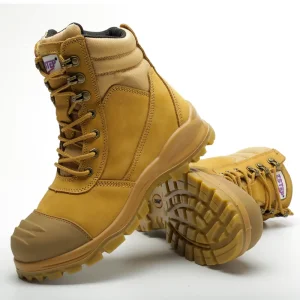
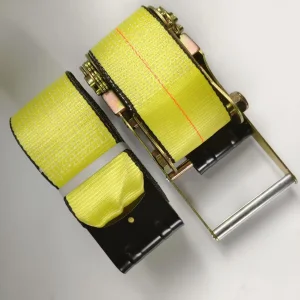
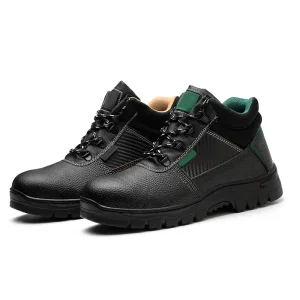
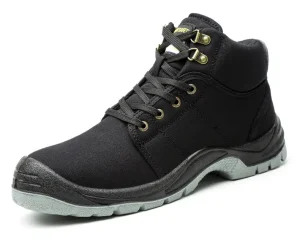
Situated adjacent to Tianjin Port (Xingang)—the largest maritime trade hub in Northern China—our facility offers substantial logistical advantages. Short drayage corridors reduce inland transit costs to less than 1.5% of total freight charges. Crucially, our broad manufacturing capability permits single-container consolidation, combining safety helmet caps with fall-arrest harnesses, cargo tie-down straps, lifting slings, and safety footwear without intermediate warehouse surcharges.
Every manufacturing run undergoes stringent batch verification in our in-house mechanical testing lab. Standard evaluations include drop-tower impact attenuation with calibrated load cells (recording peak deceleration force in kN), penetration resistance using 3.0 kg conical strikers dropped from 1,000 mm, thermal pre-conditioning chambers (-30°C to +50°C), and automated chin-strap dynamic pull release tension rigs.
How engineering specifications adapt to extreme environments: from high-voltage utilities to offshore energy platforms and high-speed automated warehouses.
Turbine technicians require short-brim or brimless safety helmets meeting both EN 397 (industrial) and EN 12492 (mountaineering). The low-profile silhouette prevents wind catching at elevation, while 4-point chinstraps rated at >50 daN retention prevent helmet loss during sudden head movements inside nacelles.
Electrical lineman require unvented Class E (ANSI Z89.1) or Class 0 (EN 50365) dielectric helmets tested up to 20,000 volts. Complete elimination of metallic rivets or internal conductive hardware ensures complete user protection against sudden high-energy arc flash events and electrocution hazards.
Platforms demand UV-stabilized ABS or carbon-fiber composite shells resistant to saline corrosion, aggressive hydrocarbons, and chemical splash. Helmets feature integrated 30mm universal side slots for mounting dynamic face shields, hearing protection earmuffs, and intrinsically safe headlamp clips.
Distribution centers and automated sorting facilities employ EN 812 baseball-style bump caps. Featuring internal ergonomic ABS shells and EVA foam padding, these caps prevent scalp lacerations in tight racking systems while maximizing worker compliance via breathable mesh fabric covers.
Review critical physical performance thresholds across international regulatory testing bodies prior to finalizing procurement parameters.
| Standard | Impact Energy (Joules) | Peak Deceleration Limit | Penetration Striker Spec | Chinstrap Release Threshold | Electrical Insulation Rating |
|---|---|---|---|---|---|
| ANSI/ISEA Z89.1 (Type I) | 54.2 J (Drop from 1.2 m) | < 3,780 N (approx 3.8 kN) | 1.0 kg Plumb Bob @ 2.4 m | Optional / Custom | Class E: 20,000V / Class G: 2,200V |
| ANSI/ISEA Z89.1 (Type II) | 54.2 J Crown + 30 J Off-Crown | < 3,780 N (Crown & Lateral) | 1.0 kg Plumb Bob (Multi-Angle) | Mandatory Retention Test | Class E: 20,000V / Class C: 0V |
| EN 397 (Industrial Helmet) | 49.0 J (5.0 kg from 1.0 m) | < 5.0 kN | 3.0 kg Conical Punch @ 1.0 m | Releases between 150 N and 250 N | 440V AC (Standard) / EN 50365 1,000V |
| EN 12492 (Mountaineering / Height) | 50 J Crown + 25 J Front/Rear/Side | < 10.0 kN | 3.0 kg Flat Conical @ 1.0 m | Must NOT release below 500 N | Typically Unrated (Ventilated Shells) |
| EN 812 (Industrial Bump Cap) | 12.5 J (5.0 kg from 0.25 m) | < 15.0 kN | 0.5 kg Flat Striker @ 0.5 m | Optional Release Specification | Not Designed for Electrical Hazards |
| GB 2811 (China National Standard) | 49.0 J (Drop 5.0 kg from 1.0 m) | < 4.9 kN | 3.0 kg Conical Tip @ 1.0 m | 150 N – 250 N (Standard Release) | Class T1: 440V / Class T2: 1,200V |
Explore how next-generation connected IoT architecture and bio-circular polymers are revolutionizing job-site head protection systems.
Enterprise industrial sites are piloting smart helmets embedded with tri-axial MEMS accelerometers, core body temperature monitors, and wireless SOS fall detection. These sensors transmit real-time telemetry via Bluetooth Low Energy (BLE) or LoRaWAN networks to site safety officers, triggering instantaneous geo-located emergency alerts upon structural impact or worker collapse.
With ESG compliance becoming an imperative for Fortune 500 procurement teams, our R&D team has engineered proprietary bio-attributed HDPE and certified Post-Consumer Recycled (PCR) ABS formulations. These polymer matrices reduce Scope 3 embodied carbon footprints by up to 38% while matching virgin polymer tensile strengths and Charpy impact parameters.
Heat stress in tropical and arid mining zones severely degrades cognitive reaction times and compliance. Specialized safety helmets incorporating miniature high-efficiency brushless photovoltaic fan units and phase-change cooling sweatbands lower internal crown microclimate temperatures by up to 8°C, sustaining worker productivity across demanding 12-hour shifts.
Essential technical checkpoints to specify on your Purchase Order (PO) to ensure seamless customs clearance, regulatory audit approval, and brand fidelity.
Specify temperature range criteria on the PO. Standard EN 397 covers -10°C, but cold-climate arctic mining operations must stipulate the optional -30°C ultra-low temperature test. Hot steelworks require high-temperature (+150°C) and Molten Metal splash (MM) non-adherence certification.
Specify application dynamics: Ground-level civil workers require weak chinstrap retention (<250 N) to prevent strangulation if caught in machinery (EN 397). Height specialists and wind technicians require non-releasing chinstraps (>500 N) to maintain cranial retention during falls (EN 12492).
Confirm Pantone/RAL color codes with automotive-grade UV stabilizers (UV400 inhibitors) to resist color fading and polymer embrittlement. State your multi-color pad print, hydro-dip graphics, molded logo engraving, or retroreflective micro-prismatic tape layout requirements upfront.
Direct engineering insights addressing regulatory standards, shelf life limits, quality verification, and container consolidation.
The storage life of virgin polymer helmets kept in original light-shielded packaging is typically 5 years from the date of manufacture (indicated on the molded date clock inside the shell). Once placed into active service, industrial guidelines (such as OSHA and EN recommendations) recommend replacing the outer shell every 2 to 3 years for outdoor, high-UV environments, or up to 5 years under mild indoor conditions. Textile suspension webs and sweatbands should be replaced annually due to sweat salt crystallization and hygiene considerations. Any helmet subjected to severe impact must be retired immediately.
Yes. We engineer hybrid industrial-mountaineering safety helmets equipped with an adjustable, dual-mode chinstrap retention switch. In the EN 397 mode (ground work), the buckle releases between 150 N and 250 N to prevent snagging strangulation. In the EN 12492 mode (work-at-height), retention increases above 500 N to guarantee cranial retention during a sudden fall. These models feature unvented dielectric shells or slide-lock shutter vents for full versatility across both utility and climbing disciplines.
Our in-house tooling center produces custom injection molds from CAD/STEP files within 25 to 30 working days. For corporate branding on our existing shell architectures, we provide high-definition 4-color automated pad printing on the front, sides, and rear, with scratch-resistant clear top-coats. We also offer bespoke hydro-dipping (camo, carbon fiber aesthetics), customized molded sweatbands with embroidered customer logos, and retail display color boxes printed to your exact packaging guidelines.
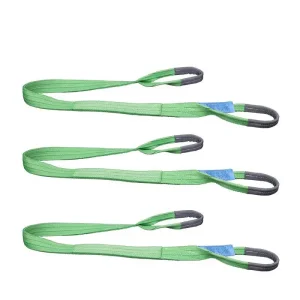
Absolutely. This is one of Tianjin ZhongQi's premier competitive advantages. Head protection helmets, being rigid and volumetric, can be efficiently nested or packed in master cartons alongside heavy, dense cargo such as polyester lifting slings, ratchet tie-down straps, fall arrest harnesses, and steel-toe safety footwear. Consolidating these diverse product lines from our Beichen manufacturing base directly to Tianjin Port eliminates intermediate shipping steps, drastically optimizes container volumetric weight, and slashes landed unit freight costs.
Every production lot is issued an official Certificate of Conformance (CoC), raw material resin melt-index and virgin polymer traceability sheets, and internal batch impact test reports. Furthermore, our products are certified by accredited international test houses (such as SGS, TÜV, and INSPEC) validating conformity to CE EN 397, EN 812, EN 12492, and ANSI/ISEA Z89.1 Type I/II standards. Official Notified Body certificates and Technical Files are available for regulatory import compliance filing.
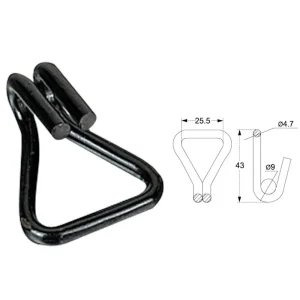
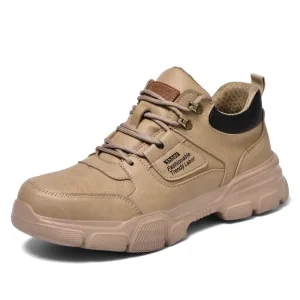
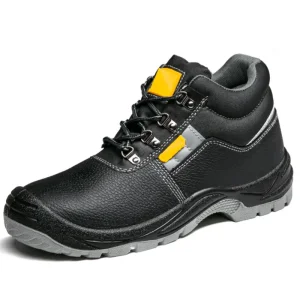
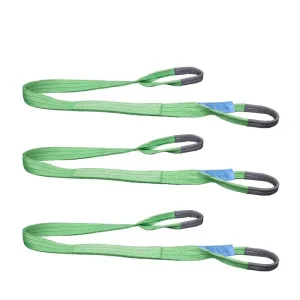
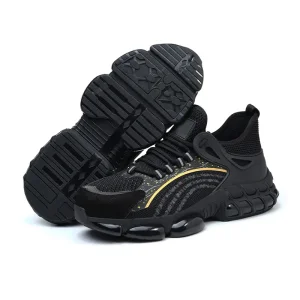
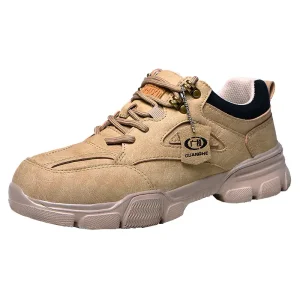
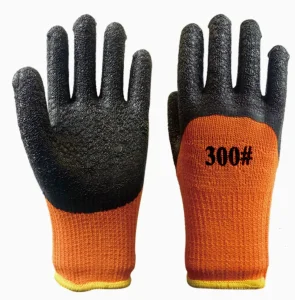
Factory-direct high tenacity webbing, rigging hardware, and anti-puncture labor footwear engineered for severe industrial conditions.