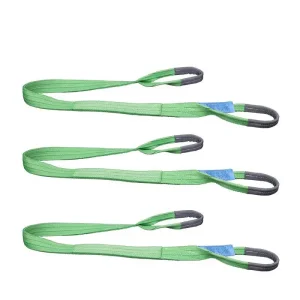
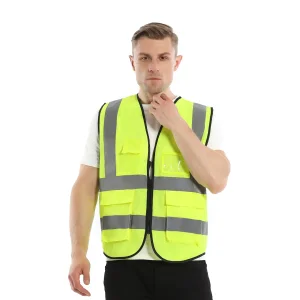
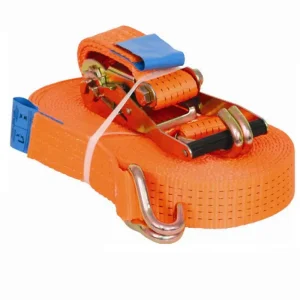
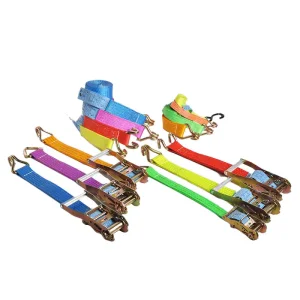
Explore our precision-crafted safety gear engineered alongside our advanced helmet headband assemblies, verified across rigorous European and international performance benchmarks.
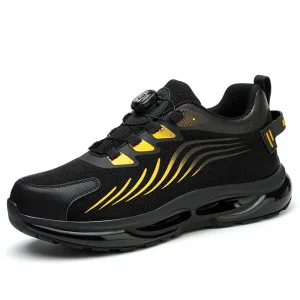
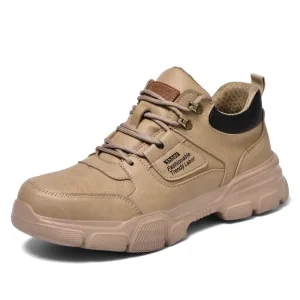
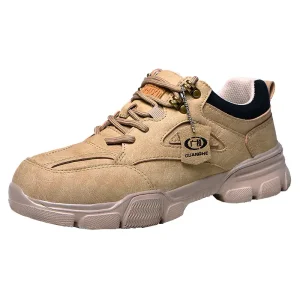
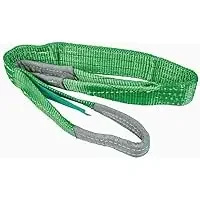
Understanding why cranial suspension mechanisms dictate compliance, user retention, and overall impact attenuation across high-risk modern workplaces.
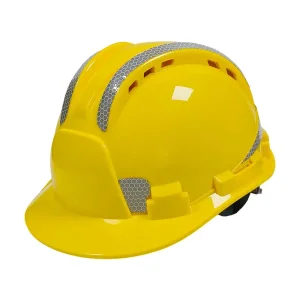
Modern industrial safety regulations emphasize that the outer protective helmet shell is only half of the shock mitigation equation. The inner headband and cradle assembly function as the primary kinetic dampening system. By redistributing direct kinetic spikes across the sagittal and coronal planes of the skull, high-tensile headbands minimize focal acceleration forces transmitted to the cervical spine, mitigating traumatic brain injury (TBI) risks under ANSI/ISEA Z89.1 and EN 397 criteria.
Global suppliers face evolving market conditions where simple low-density polyethylene (LDPE) inserts no longer suffice. Enterprise safety directors demand high-flexibility polyamides, polypropylene co-polymers, and advanced antimicrobial thermoplastic elastomers (TPE). These compounds resist stress cracking under prolonged UV exposure, maintain tensile structural integrity across temperature extremes (-30°C to +50°C), and prevent occupational contact dermatitis through hypoallergenic formulation.
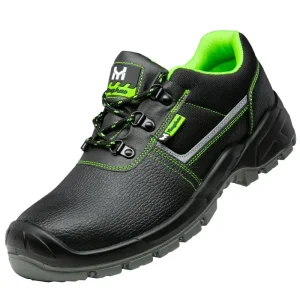
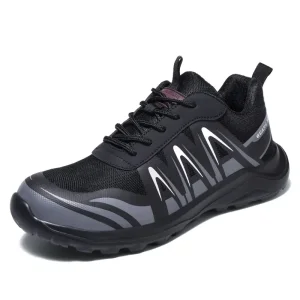
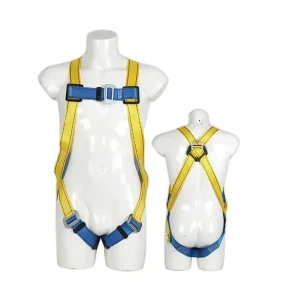
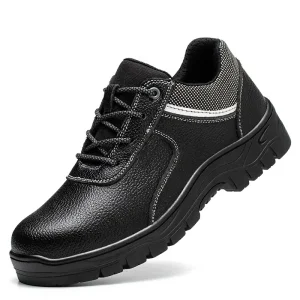
Procurement teams across North America, Europe, and Australasia are migrating from spot-buying components toward turnkey industrial supply agreements. By pairing specialized webbing, ratcheting suspensions, and sweatband laminations with heavy fall-arrest harnesses and safety footwear, tier-one manufacturers reduce customs friction, standardize cross-product QA cycles, and fulfill Scope 3 emissions commitments through optimized shipping cubage.
From single-direction linear impact models to multidirectional rotational management, examine the technological trajectory defining commercial head retention systems.
Replacing archaic pin-lock strip adjustments, smooth planetary wheel ratchets featuring single-hand manipulation allow workers wearing heavy cut-resistant gloves to dynamically tune headband tension, ensuring stability without causing occipital pressure headaches.
Integrating shear-slip layers and multidirectional decoupling links into the suspension clips. This engineering roadmap directly addresses angular acceleration, effectively dissipating oblique impact energy that traditional hard shells transfer into rotational neck strain.
Next-generation headbands are moving toward the integration of non-intrusive photoplethysmography (PPG) sensors and localized temperature telemetry directly inside frontal sweat cushions, facilitating real-time heat-stress alerts and worker fatigue tracking on connected job sites.
Adoption of closed-loop post-industrial polypropylene and bio-derived nylon filaments for webbing bands. This initiative ensures complete component circularity at the end of equipment service life without sacrificing dynamic tear resistance or thermal performance.
Engineered retention assemblies calibrated for specialized vertical sectors, resolving environmental stress vectors and maintaining unyielding situational stability.
Vector Challenge: High atmospheric wind buffeting, constant cervical tilt during pylon ascent, and drop hazards for technicians operating hundreds of feet above grade.
Engineered Solution: 4-point and 6-point dual-locking chin strap integration coupled with rear-cradle nape adjustment. Prevents helmet roll-off during extreme gusts or inverted arrest maneuvers while remaining fully compatible with full-body fall arrest harnesses.
Vector Challenge: Ambient humidity saturation, corrosive aerosol exposure, abrasive slurry, and prolonged wear across 12-hour extraction cycles.
Engineered Solution: High-density hydrophobic closed-cell sweat foam combined with anti-fungal polyolefin headband matrices. Resists chemical deterioration from alkaline mine drainage and allows rapid high-pressure washdown without degradation of structural elasticity.
Vector Challenge: Falling debris impacts, severe thermal cycling, heavy sun exposure, and vibrational hazards from pneumatic hammering.
Engineered Solution: Ultra-resilient nylon suspension bridges that maintain structural standoff distances (minimum 25mm to 30mm) between the cranial apex and outer ABS or HDPE shell. Features perforated micro-fleece forehead contact pads for active sweat evaporative cooling.
Critical engineering answers addressing material formulation, dimensional tolerances, compliance certification, and high-volume OEM/ODM container consolidation.
Under international standards such as ANSI/ISEA Z89.1, EN 397, and AS/NZS 1801, hard hat impact transmission tests measure the residual force transmitted through the assembly to an instrumented headform. The suspension harness webbing and headband dissipate up to 60-70% of this dynamic kinetic energy. If a headband exhibits brittle stress cracking or plastic deformation failure under cold conditioning (-30°C) or thermal aging, the helmet fails compliance regardless of outer shell integrity.
We offer comprehensive private-label engineering. This includes custom molded logos on the rear ratchet housing, branded thermal transfer printing on the polyester web straps, proprietary colors matched to corporate pantones, anti-static (ESD) conductive carbon-fiber infused polymer compounding, and specialized moisture-wicking bamboo-charcoal or open-cell polyurethane sweatband laminations.
Industrial safety consensus guidelines dictate that while hard hat rigid outer shells typically possess a 3 to 5-year operating life, internal suspension headbands should be replaced every 12 months under heavy daily use, or immediately after sustaining a significant kinetic shock event. Sweat acidity, scalp oils, hair care products, and direct solar UV exposure accelerate polymer micro-fissuring, making standardized replacement packs an essential recurring procurement item.
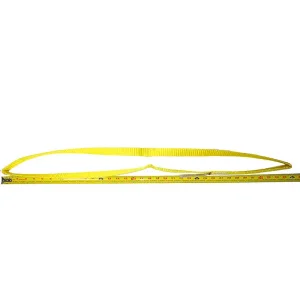
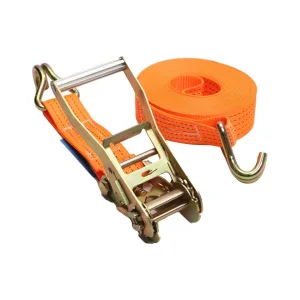
Yes. Leveraging our primary production campus in the Shuangjie Trusted Industrial Park in Tianjin, situated directly adjacent to Tianjin Port, global buyers consolidate multi-category PPE consignments into single maritime containers. Mixing replacement headbands, heavy polyester lifting slings, cargo tie-downs, and industrial safety footwear optimizes shipping container volumetric density and eliminates multi-vendor coordination bottlenecks.
Browse our complementary industrial gear line, built to the same exacting precision standards as our wholesale helmet headband systems.