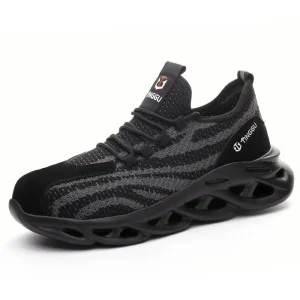
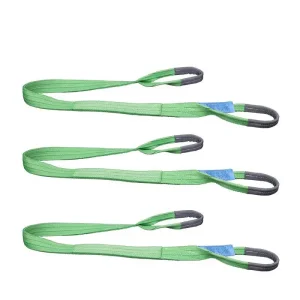
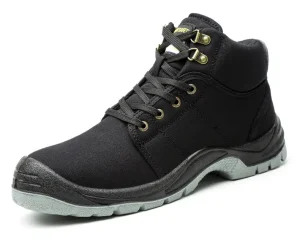
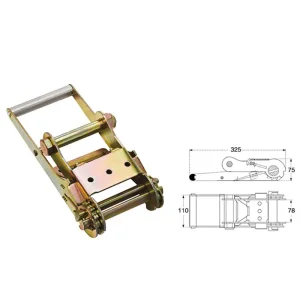
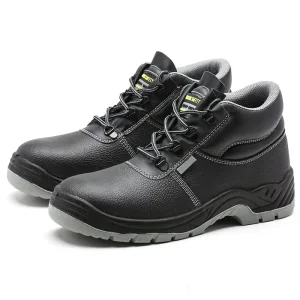
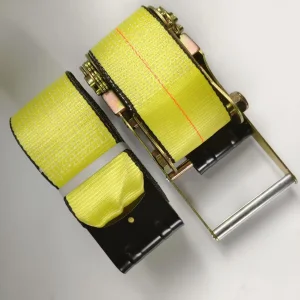
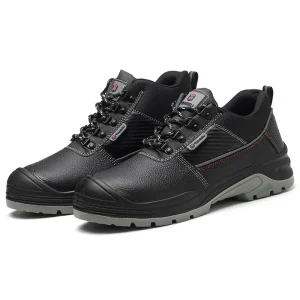
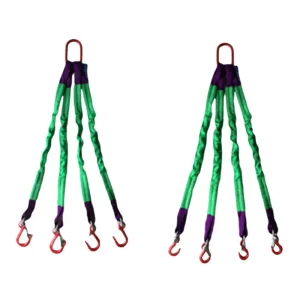
Procure certified multi-category personal protective equipment engineered for harsh construction, petrochemical, and cargo loading sites.
Within international construction and manufacturing standardizations, helmet color denotes command-and-control hierarchy, operational clearance, and risk profile responsibility.
On civil engineering sites, marine dry-docks, and mega-plants, the White Safety Helmet is reserved exclusively for site managers, project engineers, architects, certified inspectors, and VIP personnel. Visual identification ensures swift evacuation routing and transparent leadership during high-risk protocol execution.
White virgin polymers feature a higher solar reflectance index (SRI), deflecting over 78% of radiant thermal load compared to darker PPE. This drastically reduces interior shell temperatures during prolonged exposure in equatorial solar fields, reducing worker heat exhaustion and structural micro-thermal deformation.
Contractual procurement mandates conformity to harmonized standards. Our OEM safety helmets undergo mechanical kinetic testing for vertical energy absorption, side penetration resistance, chin strap anchorage failure points, and dielectric insulation up to 20,000 Volts (Class E ratings).
| Standardization Authority | Classification & Code | Impact Attenuation Criteria | Penetration Limits | Dielectric Breakdown Voltage |
|---|---|---|---|---|
| ANSI / ISEA (USA) | ANSI Z89.1-2014 (R2019) Type I, Class E | Transmitted force < 3,780 N from 3.6 kg striker (8 W fall) | Plumb bob striker (1.0 kg) must not contact headform | Phase-tested up to 20,000 V AC; burn-through leakage < 9 mA |
| CEN Standard (Europe) | CE EN 397:2012+A1:2012 | Maximum transmitted shock force < 5.0 kN (5 kg drop from 1 m) | 3.0 kg conical drop test, zero crown-to-head contact | 440 V AC electrical insulation (Optional up to 1,000 V via EN 50365) |
| Standardization of China | GB 2811-2019 Industrial Hard Hat | Force transmitted to headform must remain < 4,900 N | 3.0 kg steel cone dropped from 1,000 mm, zero contact | Standard insulation up to 1,200 V; high-dielectric options up to 10 kV |
| Standards Australia | AS/NZS 1801:1997 Type 1 / 2 | Peak kinetic deceleration under ambient and extreme thermal ramps | Fall drop clearance confirmed via conductive sensors | Electrical resistance compliant across low/medium voltage grids |
Headquartered in Shuangjie Trusted Industrial Park, Beichen District, Tianjin, China, our advanced fabrication plants bridge raw resin synthesis with ocean freight logistics.
Equipped with 250-to-800-ton computerized injection presses. We formulate high-purity virgin Acrylonitrile Butadiene Styrene (ABS) and High-Density Polyethylene (HDPE) with imported BASF UV-block masterbatches to eliminate batch-to-batch embrittlement.
By producing industrial yarn (210D AA grade), high-tensile webbing, and hard hat suspensions under one corporate cluster, we compress production cycles and shield B2B procurement partners from fluctuating Tier-2 supplier markups.
Direct adjacency to Tianjin Port—Northern China's prime maritime transshipment hub—ensures rapid drayage, low inland freight expense, consistent container allocation, and immediate departures to European, Middle Eastern, and American seaports.
Every manufacturing lot undergoes in-house physical lab testing: drop-hammer impact rigs, high-voltage withstand chambers, and low-temperature (-30°C) conditioning tunnels to guarantee zero defect shipments across container orders.
The transition from passive crown helmets to modular, connected smart PPE is revolutionizing workplace safety analytics and lifecycle longevity.
Modern mega-projects increasingly demand safety helmets equipped with localized RFID tracking, NFC asset inspection chips, and slot-compatible telemetry modules. Embedded passive chips log the operator's clearance credentials, medical blood type, and exact shift deployment time, streamlining multi-contractor job site governance.
Traditional hard hats protect against linear vertical blunt trauma. Next-generation helmet molds incorporate multi-directional impact protection slip-plane inserts. These reduce rotational acceleration transmitted to the brain during angled slip-and-trip falls, elevating baseline safety well beyond traditional EN 397 mandates.
Global ESG initiatives are accelerating the demand for post-consumer recycled (PCR) blends and closed-loop polypropylene structures. By utilizing molecular-regraded polymer chains and bio-based stabilizers, our advanced R&D lines achieve identical impact dispersion characteristics while reducing carbon footprint by up to 34%.
Engineered to withstand specific environmental hazards: thermal extremes, chemical immersion, electrical arcs, and high-altitude winds.
For high-rise commercial structures and bridge construction, our white ABS vented models feature an aerodynamic profile with 6-point suspension to reduce neck fatigue across 12-hour shifts. The universal 30mm accessory slots integrate ear defenders, face shields, and headlamps seamlessly.
Non-vented, solid-crown white helmets crafted from virgin HDPE. Certified Class E dielectric rating tested to withstand 20,000 Volts without phase puncture. Designed specifically for substations, wind turbine nacelle technicians, and overhead utility linesmen requiring zero conductivity risk.
Manufactured using conductive antistatic carbon-loaded additives to prevent static discharge accumulation in Zone 0/1 volatile explosive atmospheres (ATEX compliant). Highly impervious to acid mist, caustic chemicals, and hydraulic oils typical of North Sea and Middle East installations.
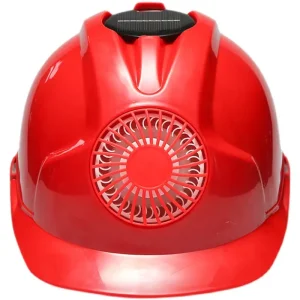
White safety helmets featuring ultra-wide sun-shading brims and built-in micro-fan solar units. Designed to alleviate severe heat stress in utility-scale desert photovoltaic construction sites while meeting EN 397 lateral rigidity (LD) specifications.
A rigorous vendor assessment framework for procurement executives, EPC safety leads, and national PPE distributors.
Never compromise on virgin polymer feeds. Reground post-industrial plastic significantly reduces tensile impact strength in cold conditions. Demand raw resin supplier certificates (MFI test reports) and inspect UV stabilizer loading rates prior to PO signing.
Worker compliance depends on all-day comfort. Ensure the harness offers multi-position height adjustment, a smooth ratchet knob dial with micro-gears, sweatband hygiene replaceable pads, and an EN 397-rated breakaway chin strap (150 N – 250 N) to prevent strangulation during falls.
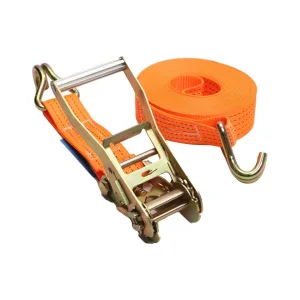
Helmets are high-volume, low-density cargo. Sourcing from ZhongQi allows you to nest unassembled suspensions inside helmet shells, boosting 40HQ container capacity from 4,500 units up to 12,000+ units, or consolidating helmets with heavy cargo tie-downs and webbing slings to optimize volumetric weight.
Actionable, standards-backed guidance directly from our factory quality engineers and international trade specialists.
Under continuous outdoor solar exposure, an ABS safety helmet maintains structural impact integrity for 3 to 5 years, due to superior molecular rigidity and UV resistance. HDPE helmets typically possess a recommended service life of 2 to 3 years. All helmets must be taken out of service immediately if subjected to a severe impact, or if surface chalking, cracking, or discoloration is detected.
Class C (Conductive) helmets provide zero electrical insulation and are frequently vented for maximum airflow in non-electrical construction. Class G (General) helmets are voltage tested up to 2,200 Volts. Class E (Electrical) helmets are engineered without top ventilation holes and tested to withstand 20,000 Volts phase potential, delivering premium defense for high-voltage electricians and utility mechanics.
Yes. We operate multi-color automated tampon pad-printing stations that reproduce corporate logos across the front, sides, or rear of the helmet shell with high scratch resistance. Additionally, we provide customized micro-prismatic retro-reflective striping compliant with EN 12899 for heightened night visibility.
We mandate automated gravimetric dosing of masterbatch resin, ensuring zero variation in polymer chain density. Every production shift pulls 5 random helmets per thousand for drop-weight striker testing in our internal QA testing lab. If any test unit exceeds 4.5 kN transmitted force under EN 397 protocols, the entire batch run is quarantined.
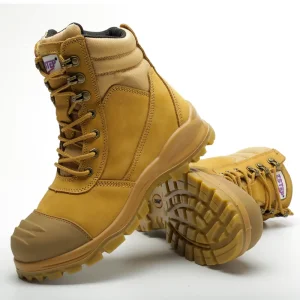
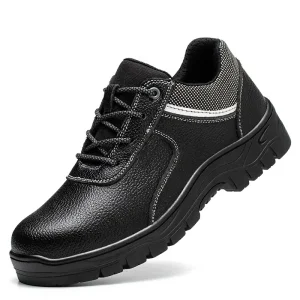
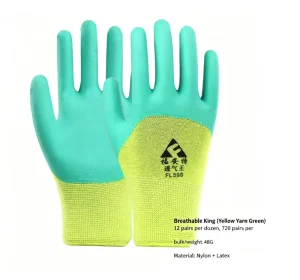
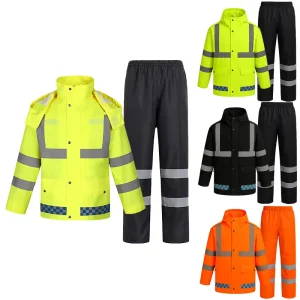
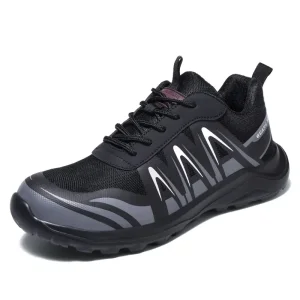
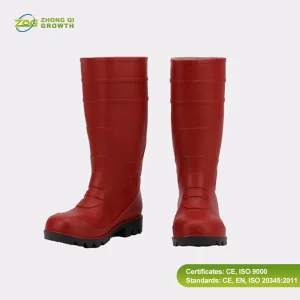
Absolutely. As an integrated manufacturer located near Tianjin Port, we routinely consolidate mixed PPE consignments—combining safety helmets, safety footwear, work gloves, rain suits, full-body harnesses, and heavy-duty ratchet straps into a single 20GP or 40HQ container, lowering customs clearance costs and optimizing inventory cash flow.
For custom-colored or pad-printed OEM safety helmets, our standard baseline MOQ is 1,000 units. Tooling adjustments or new mould designs are completed within 25 days. Typical container lead times average 15 to 25 calendar days from artwork signoff to factory dispatch at Tianjin Port.
Complete your supply chain requirements with verified industrial-grade hardware, protective footwear, and rigging lines directly from our workshop floors.