
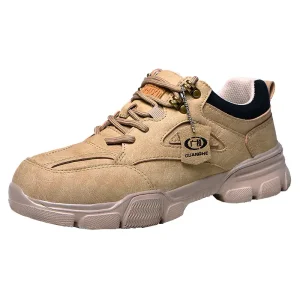
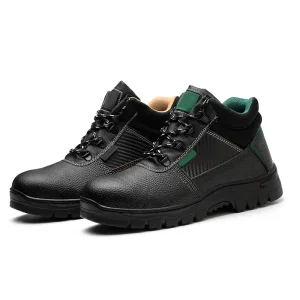
Engineered for direct container-load export to Basra, Baghdad, and Erbil. High-tensile upper compositions, advanced thermal-insulation footbeds, and lightweight anti-crush reinforcements.
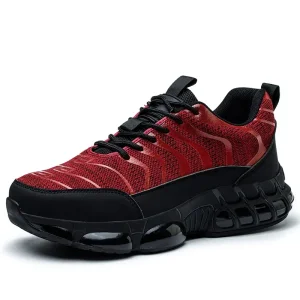
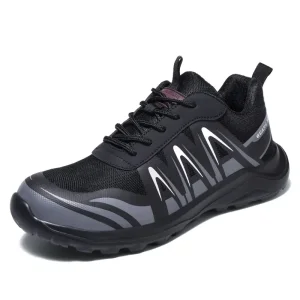
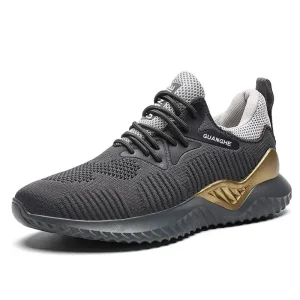
Operating across southern oilfields (Rumaila, West Qurna, Zubair) to northern infrastructure and reconstruction projects requires specialized customized protective footwear capable of enduring 50°C+ ambient heat, abrasive sand terrain, and hydrocarbons.
In Basra and Missan provinces, mud, crude residue, and chemical spillage demand SRC-certified slip resistance, dual-density nitrile-rubber outsoles, and non-sparking composite toes conforming strictly to international oil company (IOC) technical specs.
Large-scale urban redevelopment across Baghdad, Mosul, and major expressway links generates intense puncture hazards from rebar and debris, requiring high-tenacity Zero-Perforation Kevlar midsoles over traditional, heavy steel plates.
Middle Eastern summers create ground contact temperatures exceeding 65°C. Factory-customized PU/Rubber soling systems with Heat Insulation (HI) and closed-bellows tongue constructions prevent sand infiltration while venting heat.
Ensuring full regulatory compliance with COSQC (Central Organization for Standardization and Quality Control) and international standards (EN ISO 20345:2022 and ASTM F2413-18).
| Hazard Profile | Standard Configuration | Iraq Market Customized Solution | Certification Baseline |
|---|---|---|---|
| Extreme Surface Heat | Standard Mono-density PU (Melts at 90°C) | Dual-Density PU/Nitrile Rubber Outsole (HRO Rated up to 300°C contact heat) | EN ISO 20345 HRO / HI Level 3 |
| Petroleum Hydrocarbons | Basic synthetic leather, low oil-swell resistance | Full-Grain Barton Leather treated with hydrophobic, oleophobic silicone barrier | FO (Fuel Oil Resistance) < 1% Volume swell |
| Scrap Rebar / Shrapnel | 1.0mm Cold-rolled steel plates | Multi-ply ballistics-grade aramid (Kevlar) woven fiber (1100N puncture resistance) | EN 12568:2010 / ASTM F2413 Puncture PR |
| Explosive / Flammable Atmospheres | Conductive or uncontrolled dielectric soles | Anti-Static (ESD) conductive stitching and copper wire integration (100kΩ - 1000MΩ) | IEC 61340-5-1 ESD Class 1 |
| Fine Sand Ingress | Open-throat split lacing system | Integrated Bellows padded tongue with moisture-wicking Coolmax membrane | In-house Ergonomic Desert Durability Seal |
Direct production lines located near primary shipping berths provide optimized FOB/CIF logistics routes directly to Umm Qasr Port and Erbil Dry Port via Dubai/Jebel Ali transshipment hubs.
A streamlined, transparent engineering protocol built specifically for EPC contractors, defense procurement officers, and private industrial distributors.
Evaluation of Iraqi project site specs (temperature variations, mechanical threats, chemical contact, electrical voltage exposure).
Specifying upper thicknesses (1.8-2.2mm Barton/Nubuck), outsoles (PU/TPU/Rubber), toe types, and branded embossed stamping.
Samples crafted and tested for 200J toe impact, 15,000 flexing cycles, and ESD resistance prior to customer sign-off.
Automated injection-molding, rigid in-line quality assurance, and complete palletized export documentation with Certificate of Conformity.
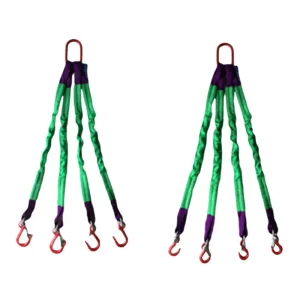
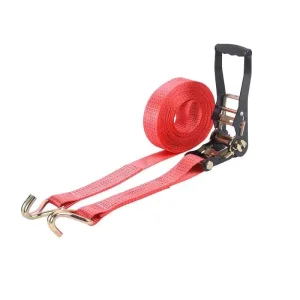
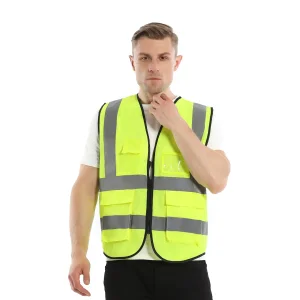
Full 8-item consolidated catalog fulfilling containerization requirements. Consolidate your footwear, safety rigging straps, high-visibility workwear, and protective headgear under one factory export invoice.
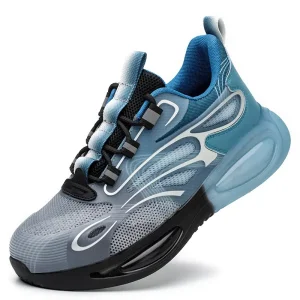
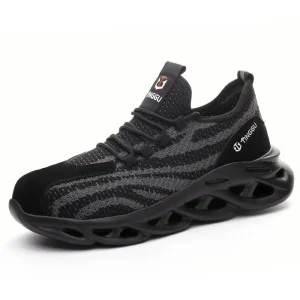
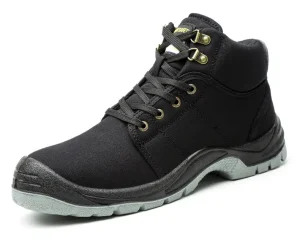
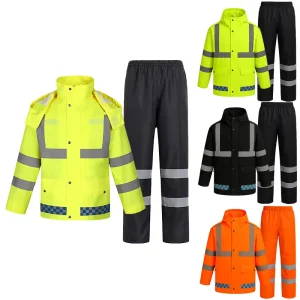
How automated polymer science, ergonomic biomechanics, and climate-adaptive materials are reshaping foot safety standards across Middle Eastern industrial projects.
Transitioning from traditional carbon-steel toe caps to high-modulus fiberglass and carbon-nanotube composite toe caps. Composite materials reduce shoe weight by 35%, eliminate thermal conductivity in blazing Iraqi desert heat, and prevent false-positive alarms in high-security refinery installations.
Non-metallic components also provide superior dielectric protection for power plant construction teams operating in Baghdad and Basra.
Deployment of expanded thermoplastic polyurethane (E-TPU) mid-layers that retain elasticity across extreme temperature fluctuations (from below freezing desert winter nights to +55°C summer tarmac). This provides continuous rebound energy, lowering lower-back worker fatigue across extended 12-hour oil exploration shifts.
Coupled with anti-hydrolysis PU formulations, outsoles achieve up to 36 months of shelf storage without degradation in humid Gulf warehousing.
Essential technical and trade details regarding compliance, minimum orders, customs clearing, and localized product adaptation.
Connect with our export engineering division today to receive direct FOB/CIF container quotations, free physical prototypes, and full compliance test certificates.