Direct supply from manufacturing centers ensuring high tensile resistance, ballistic puncture barriers, and CE/ISO certified compliance.
Strategic insights into the shifts across industrial supply chains, regional production capacities, and compliance benchmarks.
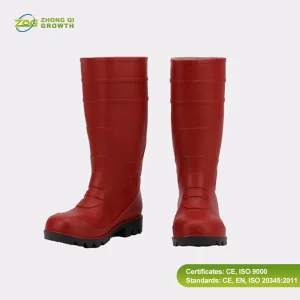
Hanoi functions as the nerve center for engineering, polymer procurement, and quality assurance in Northern Vietnam. Leveraging adjacent shipping arteries via the Hai Phong deep-water ports, factories located in satellite industrial parks (Noi Bai, Thang Long, Bac Ninh) deliver fast turnaround times for injection-molded PVC boots, catering to heavy logistics and industrial production.
International demand has migrated toward specialized dual-density polyvinyl chloride compounds resistant to petrochemical sludge, animal fats, and polar solvents. As European and North American buyers diversify away from single-origin sourcing, certified manufacturers within East and Southeast Asia maintain a decisive competitive edge through advanced automated tooling.
Traditional rigid PVC lines are rapidly upgrading to vulcanized PVC/Nitrile elastomeric blends. This formulation prevents stress-cracking under low-temperature cold chain conditions and enhances elongation-at-break, effectively doubling the service lifespan in demanding work environments such as chemical plants and processing centers.
In the municipal and industrial zones surrounding Hanoi, environmental challenges dictate PPE requirements. The Red River delta region contends with extreme seasonal monsoons, deep-water construction excavation, and aggressive runoff from agricultural processing facilities. Standard leather safety shoes degrade rapidly when saturated with humid sludge and alkaline minerals; hence, fully waterproof, single-piece injection-molded PVC boots remain the mandatory protective baseline.
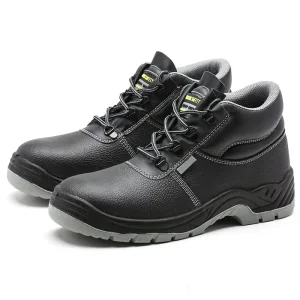
Furthermore, the rapid expansion of Hanoi's high-tech manufacturing parks (such as Hoa Lac Hi-Tech Park) and mechanical fabrication sectors has spurred localized requirements for electrostatic discharge (ESD) anti-static boots, oil-resistant safety footwear, and steel toe caps compliant with international safety standards like EN ISO 20345:2022.
From automated multi-color injection molding machines to cradle-to-gate environmental product declarations (EPD).
Eliminating mechanical bond failures by utilizing high-pressure, two-stage rotary injection moulding. Sole and upper merge as a continuous molecular bond, removing the risk of leaks associated with cemented footwear.
Transitioning heavy carbon-steel toe caps to aerodynamic composite fiberglass and Kevlar penetration-resistant midsoles. This delivers non-magnetic, thermally insulated safety footwear ideal for freezing processing units and live power installations.
Integrating post-industrial recycled PVC scrap into the boot core layer while maintaining 100% virgin polymer along the outer tread. This cuts total carbon footprint per pair by 34% without sacrificing chemical resistance.
Essential considerations for sourcing safety boots and protective equipment directly from factory operations.
Standard PVC offers baseline waterproofing and mild chemical protection, but can stiffen and micro-crack when exposed to low temperatures or continuous petrochemical exposure. Nitrile-modified PVC introduces synthetic rubber polymers, delivering superior flex endurance, oil resistance, and slip resistance on slick metal surfaces.
Yes. Professional OEM/ODM manufacturers maintain separate tooling sets for regional markets. Asian lasts generally require broader forefoot clearance (EE or EEE width fittings), while standard European exports use narrower, contoured ergonomic profiles compliant with EN ISO 20345 standards.
Standard production runs typically require 1,000 to 1,500 pairs per mold size for custom compound colorings (e.g., safety yellow, petroleum white, or industrial black). For catalog baseline models with standard steel components, lower trial quantities can be consolidated within regular production cycles.
Qualified facilities run batch testing using drop-hammer impact rigs (delivering 200 Joules of kinetic force), tensile tear sensors on the boot shaft, and hydrostatic pressure tanks to verify zero water ingress along the continuous injection seam prior to issuing an outbound Certificate of Analysis (CoA).
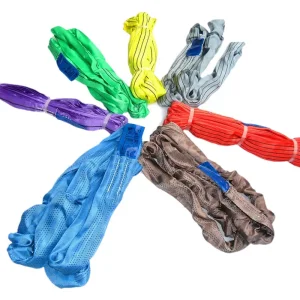
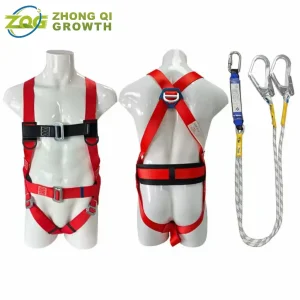
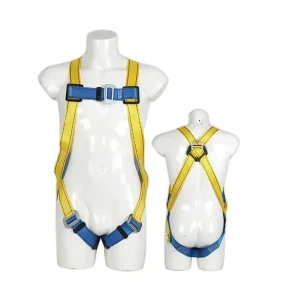
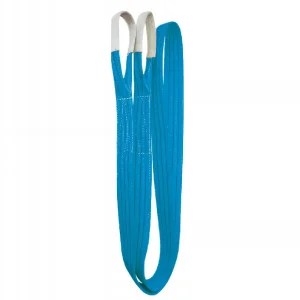
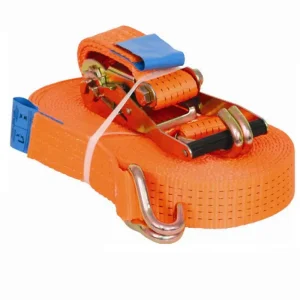
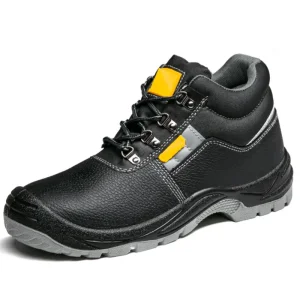
Comprehensive fall protection, certified lashing belts, and worker safety footwear engineered for construction sites, heavy engineering, and export operations.
Planning bulk shipments to Hanoi, Hai Phong, or international ports? Speak directly with our technical team to verify compliance standards, discuss OEM private labeling, and schedule factory-direct sample runs.
Send Inquiry Now