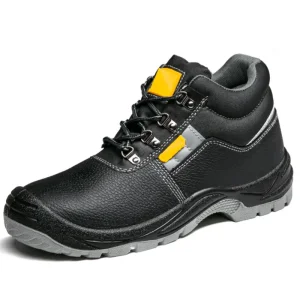
Direct-injection polyurethane bonding, anti-smash composite toes, and puncture-resistant Kevlar midsoles tested against harsh coastal and high-humidity worksites.
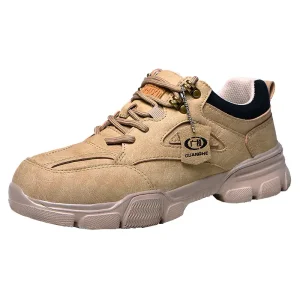
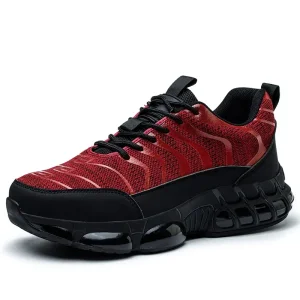
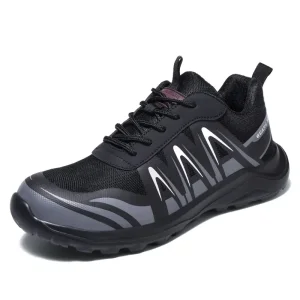
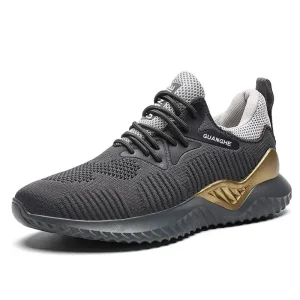
How infrastructure resurgence, free-trade logistics, and the Factories Ordinance of Sri Lanka drive demand for low-cost, fully certified personal protective footwear.
The Port of Colombo expansion, terminal logistics, and Hambantota Port industrial zone require high-traction, oil-resistant (SRC/SRA), and anti-crush footwear that withstands heavy container cargo maneuvering and marine-air salinity without leather degradation.
Sri Lanka’s apparel clusters in Katunayake and Biyagama Export Processing Zones demand anti-fatigue, ultra-breathable, electrostatic discharge (ESD) footwear. Operators require lightweight shoes that prevent foot exhaustion during 10-hour manufacturing shifts.
From central expressway repairs to gem extraction and graphite quarries in Kahatagaha and Bogala, workers need puncture-resistant steel/Kevlar plates (≥1100N) and heavy-duty water-repellent cowhide to mitigate deep nail hazards and jagged granite terrain.
For procurement officers in Sri Lanka, balancing tight capital budgets against strict factory safety inspections under the Ministry of Labour is a critical challenge. Purchasing customized safety footwear from our integrated Chinese production hub eliminates trading intermediaries, bringing factory-floor pricing without sacrificing European CE and SLS compliance.
Unlike cold-cemented shoes that easily delaminate in tropical monsoon conditions, our German Desma injection molding lines fuse polyurethane outsoles directly into the leather upper. This guarantees unmatched hydrostatic bonding, making our shoes impervious to Sri Lanka's high relative humidity and torrential rains.
Every production batch engineered for the Sri Lanka market is rigorously tested against both Sri Lanka Standards Institution (SLSI) parameters and International ISO directives:
Different industries in Sri Lanka experience wildly varying stress factors, requiring footwear tailored to specific operational environments.
Workers navigating the Central Highlands (Nuwara Eliya, Kandy) deal with steep, slippery muddy slopes and leeches. Customized water-repellent safety boots with deep cleated outsoles ensure stability on wet vegetation and fertilizer-exposed soils.
Line maintenance engineers and substation personnel require high-voltage dielectric electrical hazard (EH) footwear capable of withstanding 6kV to 18kV test conditions, preventing touch and step potential shock hazards in wet field conditions.
Cement plants in Puttalam and steel re-rolling facilities in Kelaniya require heat-resistant rubber outsoles (HRO rated up to 300°C for 60 seconds) paired with flame-retardant Kevlar stitching to avoid seam burnout from welding sparks.
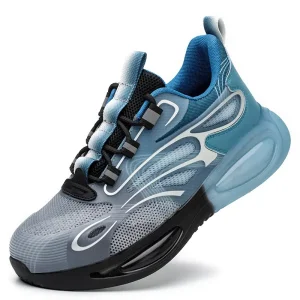
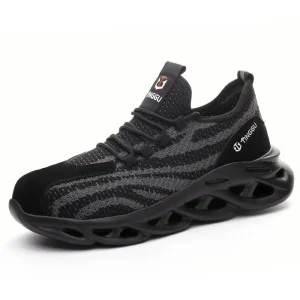
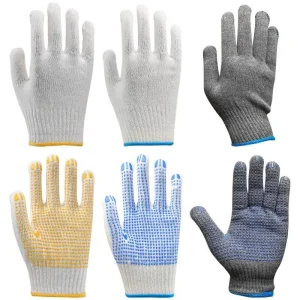
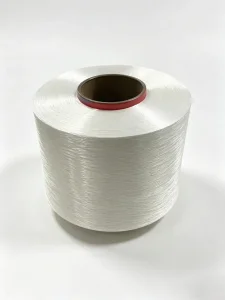
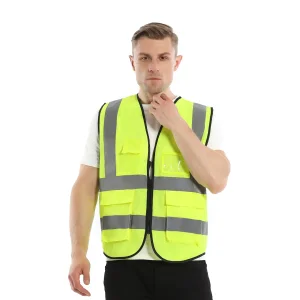
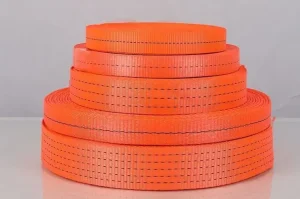
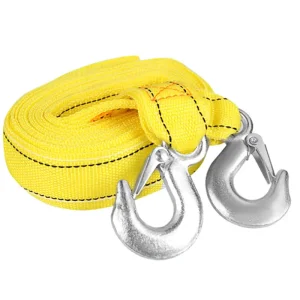
Pair safety shoes with industrial PPE, cargo lashing, and lifting webbing in consolidated container shipments straight to Sri Lanka.
Answers to common inquiries from safety distributors, engineering procurement teams, and corporate buyers across Sri Lanka.
Contact our technical export engineers today for competitive wholesale quotes, custom sample prototypes, and mixed-container shipment estimates.
