Pre-cleared export portfolio optimized for harsh Argentine sectors: Pampas agricultural harvesting, Vaca Muerta energy development, and maritime cargo handling.
Evaluating commercial realities, geographic microclimates, tariff structures, and tactical sourcing models for enterprise purchasers in Latin America.
Argentina represents a specialized landscape for personal protective clothing (PPC). Industrial rainwear demand is distributed across diverse geographic microclimates: subtropical downpours in the Northeastern Littoral (Corrientes, Misiones), prolonged oceanic drizzle across the Buenos Aires industrial belt, and intense sub-zero wind-driven sleet across the Patagonian oilfields.
Local manufacturing of waterproof gear faces structural headwinds due to high domestic petrochemical conversion costs and synthetic textile limitations. Sourcing cheap yet durable PVC/Polyester and PU breathable raincoats from Tier-1 Chinese manufacturing clusters provides Argentine corporate distributors with a 38% to 52% landed margin advantage, even after accounting for Mercosur external tariffs (AEC).
Navigating the Argentine peso volatility requires strategic inventory buffering and precise tariff code classification (NCM/HS 6201 and 6210). Enterprise procurement groups can no longer rely on single-item consignments.
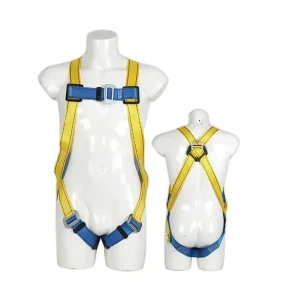
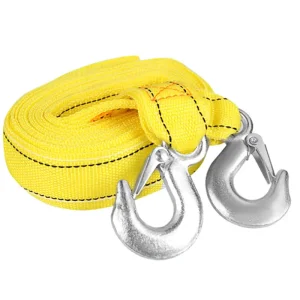
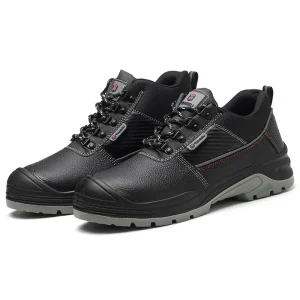
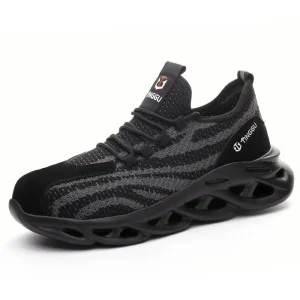
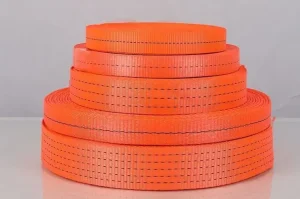
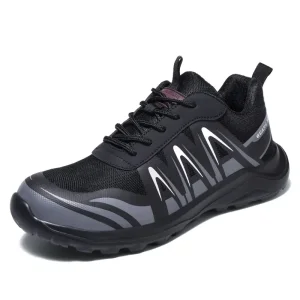
Our macro supply chain model solves liquidity bottlenecks through Mixed Full-Container-Load (FCL) Consolidation: combining high-volume, low-cost rainwear (0.35mm PVC/Polyester suits, poncho styles, high-vis orange/yellow raincoats) with fall protection harnesses, webbings, and steel-toe boots in a unified bill of lading. This dilutes per-unit ocean transport and customs broker handling overheads significantly.
Deploying rainwear into Argentine institutional tenders (YPF, Trenes Argentinos, agro-conglomerates) requires strict conformity with national and Mercosur regulatory baselines. Products must comply with IRAM 3870 (general protective clothing specs) and international equivalent EN 343:2019 (resistance to water penetration and water vapor resistance).
Our production facilities utilize high-frequency dielectric welding for seam impermeability (hydrostatic head rating > 10,000 mm H2O) and install micro-prismatic retroreflective tapes compliant with IRAM-EN ISO 20471 Class 3 for nocturnal road maintenance and heavy machinery guidance.
Direct from Tianjin's advanced PPE industrial manufacturing cluster to your warehouse in Dock Sud or Zárate.
By controlling the compounding of raw polyvinyl chloride (PVC) formulations and leveraging high-denier virgin polyester yarn (including 210D AA grades), our extrusion lines produce membranes with consistent gauge thickness (0.28mm to 0.45mm). This prevents premature delamination and micro-cracking under low-temperature Patagonian field operations.
Precision computerized nesting software minimizes fabric offcut waste to below 3.8%, translating into unmatched per-unit cost savings. Automated high-frequency welding machines deliver uniform thermal energy along sleeve, armpit, and crotch joints, guaranteeing zero water seepage even under sustained monsoonal storms.
Our strategic manufacturing perimeter in Beichen District, Tianjin, is positioned adjacent to Tianjin Port—the primary maritime shipping hub of North China. Container drayage from plant to berth takes less than 3 hours, mitigating domestic transit delays and allowing buyers to secure optimal vessel departures with Evergreen, Cosco, and Maersk.
A precision deployment manual designed for Chief Procurement Officers and Category Managers importing into Argentina.
Material composition selection depends on the end-user vector. Agricultural and municipal rainwear requires lightweight, pliable PVC/polyester (0.30mm) with cold-crack resistance to -10°C. For hydrocarbon extraction in Neuquén Basin, our R&D implements flame-retardant (FR) polyurethane (PU) coated polyester fabrics conforming to EN ISO 14116 Class 1, repelling both crude hydrocarbons and heavy rainwater.
Regulatory non-compliance at Puerto de Buenos Aires incurs catastrophic demurrage fees. We provide full compliance packaging: sewn-in Spanish labels with textile composition, country of origin, size run according to Mercosur anthropometrics, care pictograms, and fiscal importer TAX ID (CUIT) engraving.
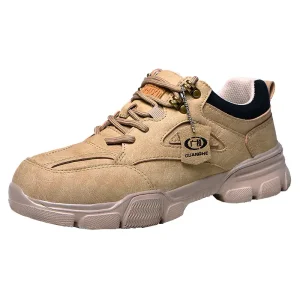
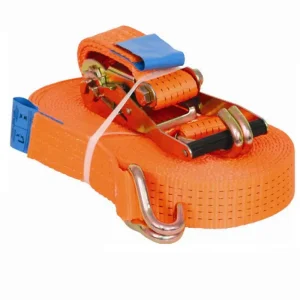
Maximize working capital: integrate industrial raincoats, safety helmets, EN361 harnesses, tow straps, and anti-puncture work boots into unified 40HQ containers. Pre-palletized loading reduces unloading handling at local distribution centers by up to 65%.
Industrial fall protection, cargo handling webbings, and heavy-duty safety footwear engineered for harsh industrial demands.
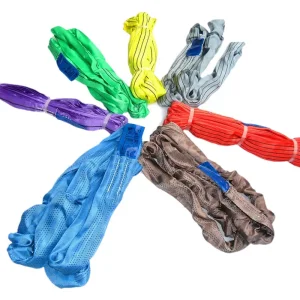
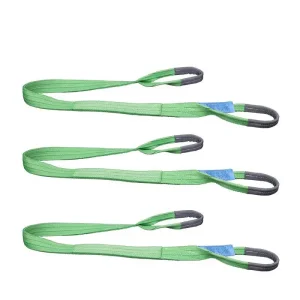
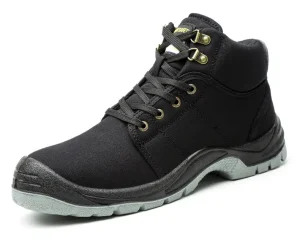
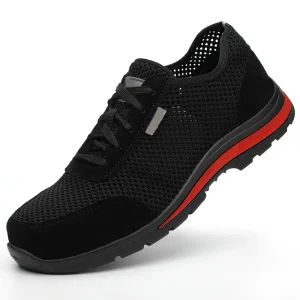
Addressing regulatory certifications, customs clearing, financial arrangements, and container consolidation.
We provide exact commercial invoices, packing lists, and verified HS codes (NCM) aligned with Argentine customs standards. Our export team coordinates with your local Despachante de Aduana (customs broker) prior to departure to ensure all declared technical specs conform strictly to your import declarations, eliminating border hold-ups.
For custom gauge thickness, Pantone color matching, and localized screen-printed brand marks, our standard MOQ is 1,000 units per style. However, when placing consolidated container orders mixing raincoats with safety shoes, fall arrest harnesses, and lashing webbing, we offer flexible per-category thresholds to optimize your SKU diversity.
Our heavy-duty 0.35mm–0.45mm PVC on woven polyester backings exhibits high resistance to mild acids, agrochemicals, and glyphosate spray drift common in the Santa Fe and Córdoba grain corridors. High-frequency welded seams guarantee zero fluid penetration through needle perforations.
We work with international wire transfers via T/T, Irrevocable Letters of Credit (L/C at sight), and structured progress payments. Furthermore, we are experienced in accommodating offshore escrow or foreign entity bank settlement channels commonly utilized by Argentine industrial conglomerates to streamline import clearance.
