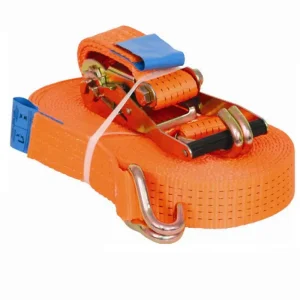
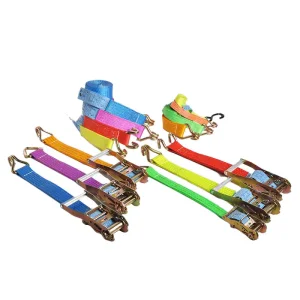
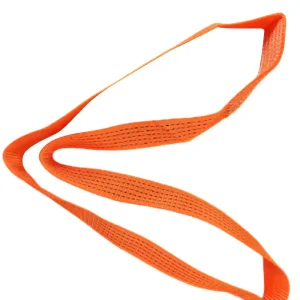
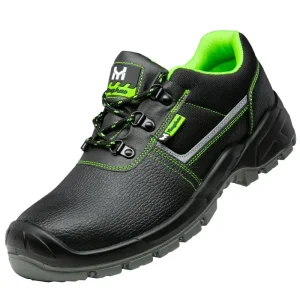
Rapid dispatch series manufactured with strict adherence to tensile resistance, ergonomic durability, and international PPE performance thresholds.
Analyzing procurement standards, trade shifts, and localized application demands across the Hanshin Industrial Belt.
The manufacturing ecosystem across Osaka, Kobe, and Sakai operates with an uncompromising focus on precision. Industrial buyers prioritize apparel and PPE with certified mechanical tear resistance and high thermal stability to satisfy both Japanese Industrial Standards (JIS) and internal corporate risk mitigation policies.
Whether servicing maritime yards at the Port of Osaka or chemical refining plants in Sakai, procurement teams require uniform textile integrity, durable double-needle structural stitching, and zero tolerance for batch variations.
Osaka’s intensely humid summer season has triggered rapid adoption of hybrid functional work garments. Traditional heavy canvas clothes are being replaced by high-tenacity, ultra-light polyester blends with integrated moisture-wicking and static dissipation (ESD) features.
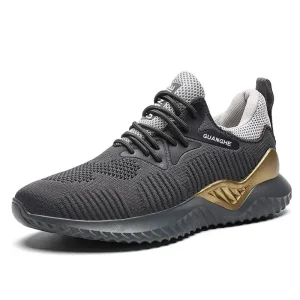
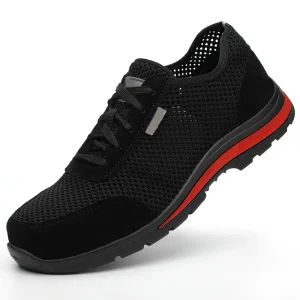
Japanese facility operators recognize that worker comfort directly correlates with lower workplace incident rates, driving widespread demand for ergonomic work clothes, breathable anti-puncture shoes, and lightweight tie-down systems.
Japanese trading firms (Sogo Shosha) and regional wholesalers are actively diversifying their procurement models. By coupling short sea-transit routes from North China ports with direct manufacturing relationships, businesses reduce lead-time exposure.
Our Tianjin factory framework delivers dedicated container consolidation, allowing Osaka clients to balance large-volume apparel runs with high-load lashing straps in single ocean-freight shipments.
How digital yarn sorting, automated shuttleless weaving, and structural traceability redefine procurement value for international commercial buyers.
International apparel and industrial safety gear buyers face rising logistical friction, erratic raw material yarn quality, and opaque factory subcontracting across developing production regions. Global compliance frameworks, notably ISO 9001 and EN standards, require absolute documentation continuity.
For high-liability products like workwear, fall protection harnesses, and cargo securing belts, an undetected yarn defect translates directly into field failure. Buyers require manufacturing partners that guarantee upstream raw material testing through finished export logistics.
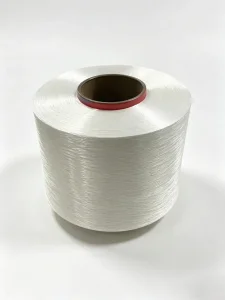
Our production facilities integrate digital tension sensors, computer-guided stitching arrays, and continuous colorfastness testing baths. By maintaining direct control over 210D AA Grade polyester industrial yarn formulation, we eliminate raw fiber inconsistencies at the source.
Adjacent to Tianjin Port, our logistics operations offer streamlined customs clearance and predictable maritime transit schedules directly to the Port of Osaka, mitigating inventory stockout risks.
Optimize your Kansai procurement strategy with custom specs, JIS-aligned OEM design, and factory-direct pricing for work clothes, safety footwear, and heavy-duty load securing assemblies.
Send Inquiry NowTailored functional specifications designed to match rigorous sector-specific operational environments.
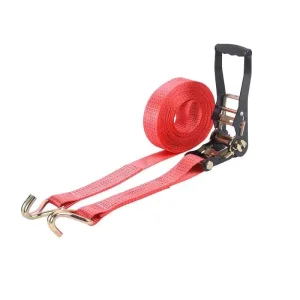
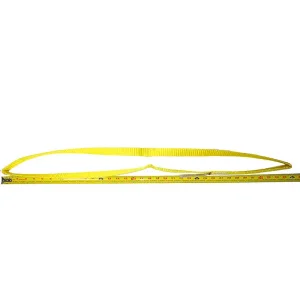
At container terminals handling pan-Pacific cargo, workers require clothing that withstands saltwater exposure and high physical friction. Webbing straps and lifting slings must provide UV degradation resistance and 7:1 safety factors for non-slip cargo anchoring.
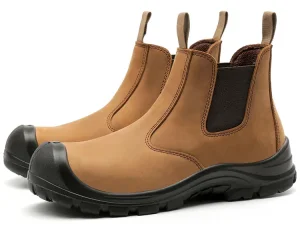
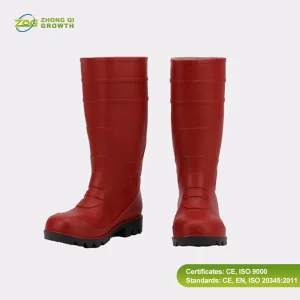
Demanding architectural builds across Umeda and Namba demand lightweight personal fall protection clothing with built-in harness routing slots, anti-abrasion knee panels, and steel-toe footwear meeting JIS T8101 impact criteria.
Machining lines necessitate lint-free, oil-resistant technical apparel, anti-puncture soles, and breathable textiles that protect equipment from particulate damage while safeguarding technicians from sharp swarf.
Direct technical guidance covering compliance, custom manufacturing parameters, and export logistics for Japanese buyers.
Our products are engineered to conform to both international standards (CE EN ISO 20345, EN 361, EN 1492-1) and applicable JIS guidelines (such as JIS T8101 for protective footwear and JIS T8165 for fall arrest systems). Batch inspection certificates are supplied with each export run.
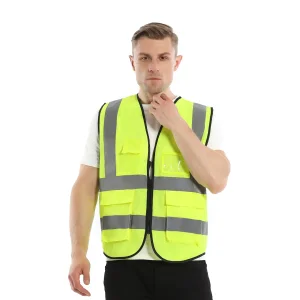
We offer flexible OEM and ODM setups. For safety garments and reflective vests, private labeling begins at 500 units per style. For high-tenacity polyester lashing straps and lifting slings, custom woven branding and safety tags are available starting at 300 units.
Standard production cycles range from 15 to 25 business days depending on order scale and custom hardware specifications. Ocean freight from Tianjin Port to the Port of Osaka typically requires 3 to 5 days, providing predictable supply velocity for Kansai inventory managers.
Yes. We regularly consolidate mixed product containers containing workwear, safety footwear, ratchet cargo tie-downs, and industrial slings in a single bill of lading, reducing total landing costs and documentation overhead for regional distributors.
Extensive export catalog engineered for high-demand commercial contracts, infrastructure developments, and long-term supply arrangements.