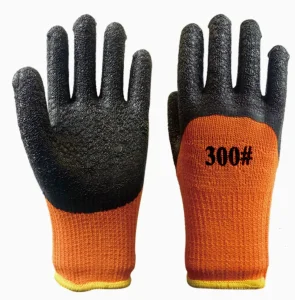
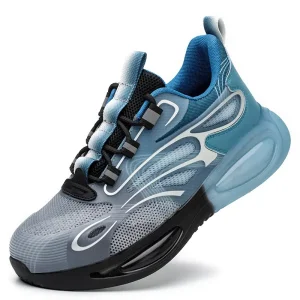
Standardized inventory and customizable OEM runs engineered for heavy duty stamping, automotive framing, and high-dexterity assembly lines across North America.
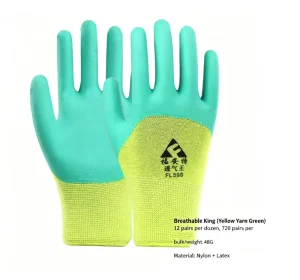
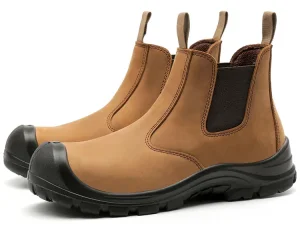
A strategic overview of industrial cut exposure across the United States, evaluating regulatory exposure under OSHA 1910.138 and fiscal mitigation through calibrated ANSI/ISEA cut standards.
Federal OSHA regulations require American employers to evaluate and provide certified hand protection for workers exposed to skin absorption of harmful substances, severe cuts or lacerations, severe abrasions, punctures, and thermal burns. Factory-direct engineering ensures each production batch comes with traceable ASTM F2992-15 testing data.
According to the U.S. Bureau of Labor Statistics (BLS), occupational lacerations and punctures account for over 110,000 lost-time incidents per annum across U.S. manufacturing. The average direct and indirect cost of an industrial hand laceration exceeds $21,918, making standardized ANSI A3–A9 adoption a critical ROI driver for safety directors.
U.S. distributors mandate strict conformance to ANSI/ISEA 105-2024, utilizing the TDM-100 tester across nine distinct load tiers (A1 to A9). Unlike the circular rotary blade test historically used in Europe, the ASTM F2992-15 standard measures linear distance traveled under load, eliminating blade-dulling distortion when evaluating steel core fibers.
| ANSI/ISEA Cut Level | Cut Weight (Grams) | EN 388 Equivalence | Primary Industrial Use Cases (U.S. Market) | Yarn Composition Architecture |
|---|---|---|---|---|
| Level A1 – A2 | 200 – 999 g | Level 1 – 2 / B | Small parts assembly, electronic inspection, light warehouse handling | 15G / 18G High-Tenacity Polyester, Polyamide with Spandex |
| Level A3 – A4 | 1,000 – 2,199 g | Level 3 – 4 / C - D | Automotive sub-assembly, light sheet metal stamping, HVAC fabrication | 13G / 15G HPPE (Ultra-High-Molecular-Weight Polyethylene) + Glass Fiber |
| Level A5 – A6 | 2,200 – 3,999 g | Level 5 / E | Heavy metal stamping, glass plant processing, meat butchery, recycling | 13G / 18G Engineered HPPE wrapped with Stainless Steel Micro-Wire |
| Level A7 – A9 | 4,000 – 6,000+ g | Level F+ (Beyond EN 388) | Structural steel erection, aerospace alloy shearing, heavy sharp recycling | 10G / 13G High-Density Tungsten Matrix + Multi-Filament Inox + Aramid |
Different manufacturing sectors require specific mechanical cut-to-dexterity balances, chemical permeation resistances, and palm surface treatments.
Across automotive stamping hubs in Michigan, Ohio, and Indiana, sharp-edged cold-rolled sheet steel and robotic weld spatter represent primary hazards. Line operators require ANSI A4 to A6 cut protection with breathable sandy nitrile coatings that disperse heavy drawing oils while providing secure tactile control without oily slippage.
From architectural insulated glass units in Pennsylvania to commercial window glazing in California, raw sheet edges cause clean, deep lacerations. Our 13-gauge HPPE/Steel core shells integrated with crinkle latex coatings deliver maximum dry friction, high tensile tear resistance, and ANSI A7 cut thresholds to prevent catastrophic glass drops.
Aerospace tooling demands contaminant-free, low-linting cut protection. In titanium routing, carbon-fiber layup trimming, and composite airframe drilling, cleanroom-compatible polyurethane (PU) coated 18-gauge HPPE gloves ensure ANSI A3/A4 cut protection without depositing silicone, wax, or volatile organic residues onto critical bonding surfaces.
Offshore oil rigs, petrochemical refineries, and pipeline maintenance require dual-threat protection: high cut resistance paired with back-of-hand impact protection. Thermal Plastic Rubber (TPR) exoskeletons sonic-welded onto cut-resistant shells shield metacarpal zones from pinch-point crushing while meeting ANSI/ISEA 138 Level 2/3 impact standards.
Poultry deboning and beef packing across North Carolina, Iowa, and Nebraska demand antimicrobial, sanitizable cut liners compliant with FDA 21 CFR 177.1520. Knitted from food-grade stainless steel/HPPE composites without chemical coatings, these gloves withstand repeated 85°C caustic washdowns without degrading cut integrity.
Nationwide fulfillment operations require all-day wearable dexterity where box-cutter utility knife slips are frequent. High-gauge 18G/21G knitting offers featherlight breathability, touchscreen compatibility for RF barcode scanners, and ANSI A2/A3 cut containment that keeps U.S. logistics associates protected and compliant.
Shifting the needle from bulky, fatiguing hand protection to ultra-high-gauge, breathable, and sustainably synthesized protective yarn structures.
Replacing brittle fiber glass with 0.02mm ultra-fine annealed tungsten wires. Tungsten delivers 300% greater shear resistance under ASTM F2992-15 testing without causing the hand itch, breakage, and dermatitis common with lower-cost glass core fillers.
Utilizing high-speed computerized Shima Seiki knitting machines capable of 21-gauge density. The resulting glove feels identical to a second skin, weighing under 18 grams per pair while maintaining an authentic ANSI A4 cut threshold for intricate micro-screwing.
Phasing out standard solvent-based DMF (Dimethylformamide) dipping tanks. Our modernized coating lines utilize water-dispersed, zero-VOC polyurethanes that eliminate skin allergen reactions, meet strict California Proposition 65 requirements, and provide superior dry tactile grip.
Piloting conductive silver-plated aramid threads woven into thumb and index zones. Beyond capacitive touchscreen operation, these smart matrices integrate with factory RFID tracking and machine proximity auto-shutoff sensors on heavy industrial presses.
How our centralized manufacturing park in Beichen District, Tianjin empowers U.S. importers with reliable, cost-controlled, and high-capacity production cycles.
We do not purchase commoditized fabric from third-party traders. Our facility controls fiber compounding, filament air-covering, and yarn spinning from raw polymer pellets down to final 210D/400D/800D HPPE strands, protecting our U.S. partners from raw material market fluctuations.
Positioned immediately adjacent to Tianjin Port—the primary maritime shipping hub of North China. This location cuts inland drayage costs to near zero, eliminates trucking bottlenecks, and guarantees vessel berthing within 48 hours of production sign-off for fast sea transit to Long Beach or Savannah.
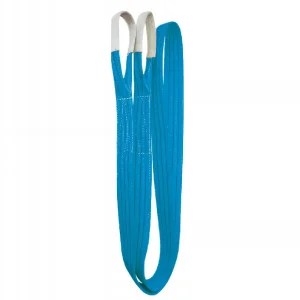
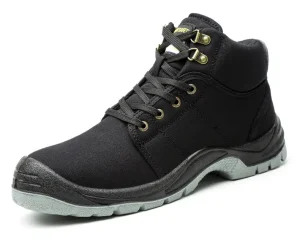
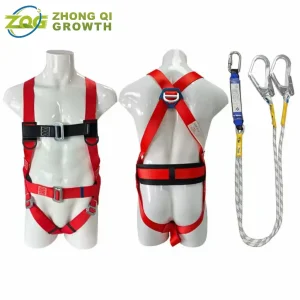
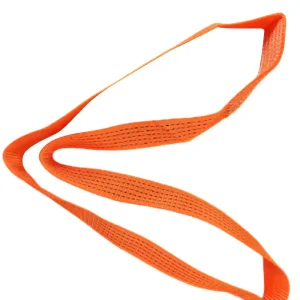
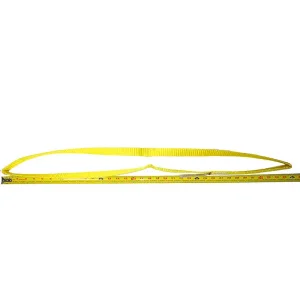
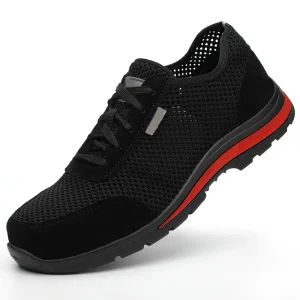
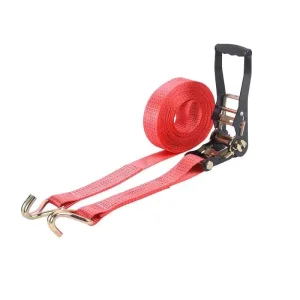
Importers can mix cut-resistant gloves, ANSI-rated fall arrest harnesses, industrial lifting slings, and safety footwear into a single 40ft High Cube container. Consolidating full-category PPE lines slashes ocean freight costs per unit and allows distributors to test product varieties without excessive inventory risk.
We provide the technical documentation, trade compliance, and lab accreditations necessary to navigate U.S. Customs and Border Protection (CBP) audits smoothly.
Exporting under transparent, legally classified Harmonized Tariff Schedule (HTS) codes (such as 6116.10 for coated knit gloves). We assist our U.S. customers with proper classification and tariff engineering to balance Section 301 duties and optimize duty-drawback eligibility.
Every style iteration is tested by accredited third-party laboratories (CTC, SGS, Intertek, and SATRA). Detailed testing certificates covering ASTM F2992-15 cut scores, EN 388 abrasion ratings, puncture limits, and Prop 65 lead/phthalate compliance are supplied before release.
Our Tianjin industrial facility strictly adheres to BSCI, ISO 9001:2015, and ISO 14001:2015 management systems. We welcome on-site third-party quality and social accountability audits from major U.S. wholesale brands, ensuring supply chain integrity.
Consolidate cut-resistant gloves with matching ANSI-spec footwear, high-tenacity lifting slings, and heavy cargo securement gear direct from our production lines.
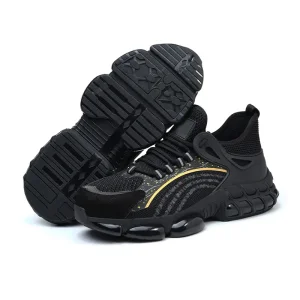
Clear, definitive engineering answers addressing real procurement challenges faced by safety directors, wholesale distributors, and OEM brands.
While both standards measure mechanical cut resistance, ANSI/ISEA 105-2024 focuses exclusively on the ASTM F2992-15 linear TDM-100 test method across 9 distinct levels (A1 to A9, covering up to 6,000+ grams of load). The European EN 388 standard uses both the Coup Test (which dulls on high-cut materials) and the ISO 13997 method (Levels A to F). U.S. industrial plants and safety managers generally require ANSI A-level ratings on product labels for clear workplace safety audits.
For standard running yarns (13G/15G HPPE shells in standard grey, salt-and-pepper, or high-vis yellow), our typical OEM minimum is 3,000 to 6,000 pairs per size run, including custom heat-transfer back-of-hand logos, sewn-in compliance labels, and branded retail polybags. For custom-engineered composite yarns (such as proprietary tungsten or basalt cores), MOQs start at 12,000 pairs.
Yes. Our industrial-grade HPPE, steel-reinforced, and aramid shells can be commercially laundered 5 to 12 times without losing their ANSI cut classification, provided wash water temperatures remain below 105°F (40°C) and non-chlorine detergents are used. Laundering helps commercial plants reduce glove spend by up to 40% compared to single-use replacements.
Micro-foam nitrile and sandy nitrile coatings perform best in oily environments. Their porous surface structure creates a gentle capillary action that channels surface oils away from the contact plane, restoring tactile grip on stamped automotive parts. Polyurethane (PU) is preferred for clean, dry assembly, while crinkle latex excels in wet glass and abrasive masonry handling.
Initial OEM sample development and technical spec sign-offs take 5 to 7 business days. Full batch mass production typically runs 25 to 35 days depending on line volume. Ocean freight from Tianjin Port to U.S. West Coast ports (Long Beach, Oakland) averages 14 to 18 days, while East Coast / Gulf shipments (Savannah, Houston, Newark) require 28 to 34 days.
Yes. All dipping compounds, color masterbatches, and knit shells are formulated to be free of restricted ortho-phthalates (such as DEHP, DBP, and BBP), heavy metals (lead, cadmium, hexavalent chromium), and hazardous DMF solvents. We provide independent third-party test reports verifying compliance with California Prop 65 warning thresholds.
Whether you require custom ANSI A4/A6 cut development, private-label branding, or mixed-container shipments delivered to U.S. ports, our engineering staff is available to assist.
Send Inquiry Now