
Tokyo Port Spec
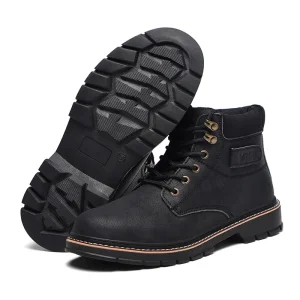
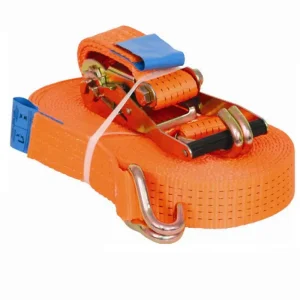
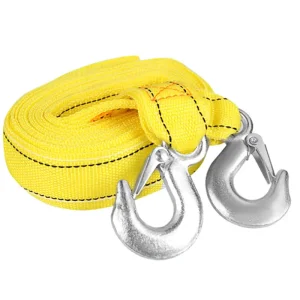
High-specification protective workwear and structural cargo lashing systems configured for container drayage across Tokyo Port, Haneda Air Cargo terminals, and urban redevelopment projects.
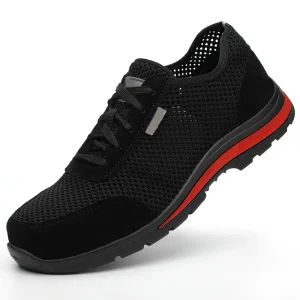
Analyzing the shift from legacy cemented safety shoes to serviceable, heavy-duty Goodyear welt footwear across the Greater Tokyo Area, the Keiyo Industrial Zone, and the Kanagawa-Tokyo logistics corridor.
Tokyo’s ongoing massive civil infrastructure—including subterranean tunnels, Shinkansen track maintenance, and harbor waterfront expansion—imposes severe physical stress on footwear. Traditional direct-injection sole bonding frequently delaminates under continuous exposure to petrochemical residues, concrete slurry, and sharp metallurgical scrap. Goodyear welt construction mechanically binds the upper, insole, and outsole with heavy-gauge Kevlar stitching, preventing structural failure under intense torsion.
The acceleration of multi-story fulfillment centers in Koto, Shinagawa, and western Tokyo suburbs has created 24/7 high-cadence walking demands. Warehouse floor personnel navigate hard, polished epoxy and concrete floors, covering up to 25,000 steps daily. Goodyear welt safety shoes incorporate an internal cavity filled with granulated natural cork, which molds dynamically to the wearer’s plantar surface, preventing skeletal fatigue while preserving oil-resistant, ESD anti-static grounding.
Procuring industrial footwear for Japanese general contractors (Zenekon) mandates alignment with JIS T8101 Heavy Duty (H-class) and Normal Duty (S-class) safety ratings. This necessitates impact performance exceeding 200 Joules, anti-penetration barriers resistant to 1,100 Newtons, and cleated outsoles tested on wet steel. ZhongQi's manufacturing protocols bridge EN ISO 20345:2022 S3/S7 standards with rigorous JIS mechanical benchmarks for seamless cross-border supply chain integration.
Every structural element is calibrated for multi-hazard protection, extreme durability, and ergonomic balance across Tokyo's heavy industrial and manufacturing sectors.
Unlike cement-bonded footwear that relies purely on chemical adhesives, our Goodyear construction employs a continuous 360-degree storm-welt leather strip sewn through both the upper leather and the insole rib. This creates an impenetrable physical seal against moisture and industrial cutting fluids. In heavy industrial environments such as Ota-ward machine shops and Kawasaki steelworks, this mechanical bond ensures the outsole cannot detach even when subjected to intense lateral shearing forces.
To satisfy zero-injury safety protocols on urban demolition and construction sites across Shinjuku and Roppongi, footwear must provide complete 360-degree defensive shielding. We embed aeronautical-grade composite or carbon-alloy steel safety toes engineered with a broad, ergonomic Japanese foot-last design, preventing pinching while exceeding international drop-hammer impact testing criteria.
Addressing the dual pressures of an aging Japanese industrial workforce and aggressive decarbonization mandates across Kanto supply networks.
Integration of lightweight bio-based polyurethane midsoles reducing total footwear weight by 22% without compromising JIS Heavy-Duty impact compression ratings.
Optional integration of low-power RFID and micro-inertial sensors to monitor worker fatigue levels, slip trajectories, and heat stress in tunnel excavation contexts.
Closed-loop welt dismantling schemes allowing Tokyo industrial clients to return worn outsoles for devulcanization and circular material repurposing.
Standardized heel-lock latching geometries engineered to interface directly with motorized leg exoskeletons deployed in heavy material handling facilities.
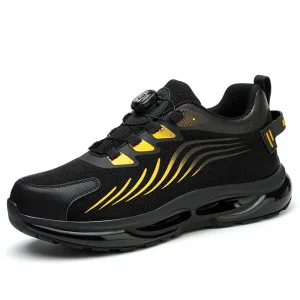
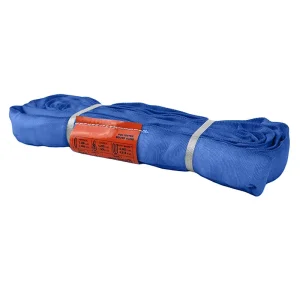
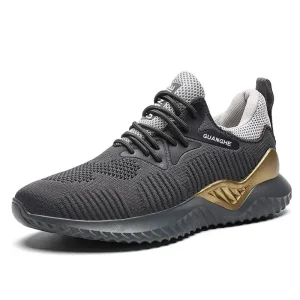
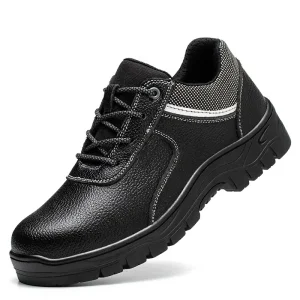
Standardized, batch-inspected industrial footwear, heavy rigging slings, and high-tensile lashing hardware for multi-sector enterprise procurement.
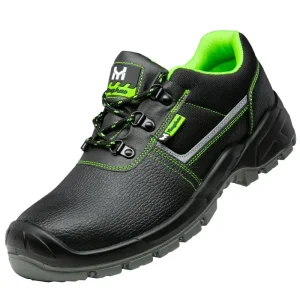
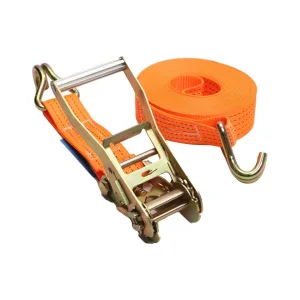
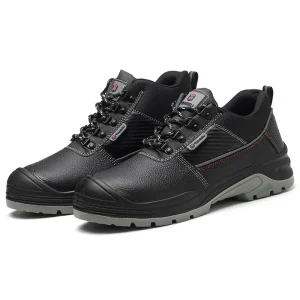
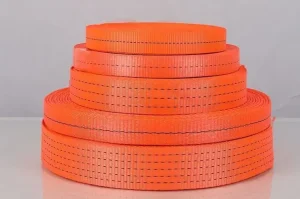
Common technical compliance, testing validation, and shipping questions raised by Japanese contractors and procurement managers.
Tokyo experiences high summer humidity coupled with intense precipitation and cold winters. Cemented footwear relies on adhesive glue lines that oxidize and hydrolyze over 6–12 months, causing sudden delamination. Goodyear welt footwear mechanically anchors the sole structure using wax-coated synthetic cords, yielding a working lifespan 2.5 to 3 times longer and allowing complete resolving when the tread wears down.
Yes. Our in-house development facility engineers safety shoes to comply with JIS T8101 impact/compression ratings and JIS T8103 electro-conductive standards. We adjust shoe widths to Japanese EE and EEE anatomical lasts, select lightweight carbon-fiber composite protective toe caps, and integrate anti-static footbeds to suit high-precision electronic manufacturing environments.
Our production facilities are situated near Tianjin Port in northern China. Direct container shipping lanes from Tianjin to the Port of Tokyo or Yokohama typically require 3 to 5 days ocean transit time. With standardized customs documentation, CO (Certificate of Origin), and CE/JIS test reports pre-filed, total door-to-door transit to Kanto warehouses is achieved within 10 to 14 business days.
Absolutely. Because Tianjin ZhongQi manufactures industrial webbing, CE EN 361 fall protection harnesses, cargo lashing belts, and safety footwear under one operational umbrella, global buyers can combine various protective product categories into unified 20GP or 40HQ export containers, significantly reducing per-unit logistics freight and port clearance fees.
Connect with ZhongQi’s engineering team today for custom technical configurations, sample batch assessments, and factory-direct volume pricing for the Tokyo and Kanto metropolitan districts.
Send Inquiry Now