Technical Whitepaper & Strategic Sourcing Guide: Bridging Nordic Precision Standards with High-Efficiency Direct Manufacturing for Heavy Industry, Automotive, and Forestry.
Direct supply solutions optimized for Nordic industrial, assembly, and infrastructure safety demands.
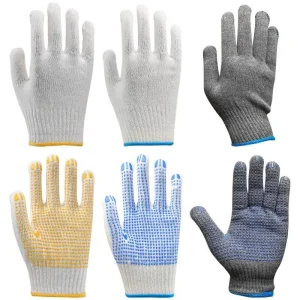
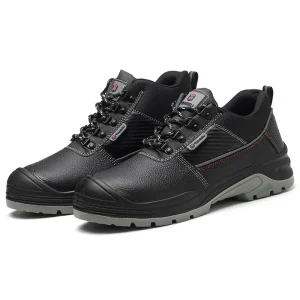
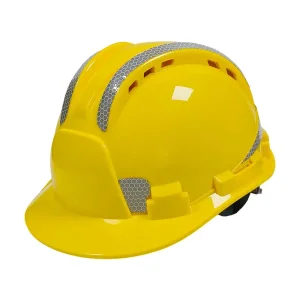
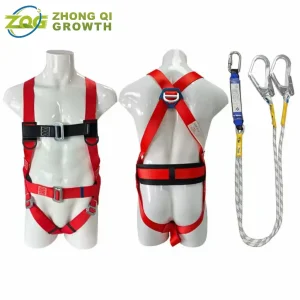
Navigating strict Arbetsmiljöverket regulations, sub-zero climate demands, and carbon-neutral manufacturing benchmarks.
Sweden enforces some of Europe's most stringent occupational health standards. Industrial work gloves must strictly conform to EU Regulation 2016/425, certified under EN 388:2016+A1:2018 for abrasion, blade cut, tear, and puncture resistance. In automotive factories around Gothenburg and mining hubs in Kiruna, PPE non-compliance carries prohibitive liabilities.
Swedish winters demand specialized polymer coatings. Traditional nitrile stiffens and loses elasticity below -5°C. Modern non-slip gloves engineered for Swedish logistics and timber production utilize micro-porous foam coatings that remain flexible down to -20°C, dispersing surface moisture, snow melt, and oily films through capillary surface texturing.
Swedish industrial buyers prioritize suppliers offering OEKO-TEX® Standard 100 certification and REACH SVHC compliance. The shift toward solvent-free waterborne PU, recycled rPET knitted yarns, and low-VOC dip processing is no longer optional—it is a core gating criterion for Nordic tenders across heavy infrastructure and clean-tech manufacturing.
Scientific matching of polymer technology to operational conditions across key Nordic sectors.
| Swedish Target Sector | Primary Hazard Profile | Optimal Liner & Coating Tech | EN 388 Rating Standard | Operational Lifespan |
|---|---|---|---|---|
| Automotive & EV (Trollhättan / Gothenburg) | Stamping burrs, synthetic lubricants, fine assembly fatigue | 18-Gauge Seamless Nylon/Spandex + Sandy Micro-Nitrile | 4 1 3 1 A | 3 to 4 Weeks (Continuous) |
| Forestry & Paper Pulp (Sundsvall / Gävle) | Rough timber abrasion, wet sap moisture, splintering | 10-Gauge Poly-Cotton Shell + Crinkle Finish Natural Latex | 3 2 4 2 B | 2 to 3 Weeks (Heavy Friction) |
| Mining & Extraction (Kiruna / Gällivare) | Rock impact, crushed aggregate, freezing slurries | 13-Gauge HPPE + Sandy Nitrile + Molded TPR Impact Spines | 4 X 4 3 D P | 5 to 7 Weeks (Extreme Stress) |
| Cold Storage & Port Logistics (Helsingborg / Malmö) | Cardboard edge abrasion, freeze burns, handling slips | 7-Gauge Acrylic Thermal Loop + Foam PVC/Latex Palm Dipped | 2 2 3 1 X | 4 to 6 Weeks (Chilled Flow) |
Eliminate distributor markups, achieve tight batch-to-batch repeatability, and accelerate customized tooling.
Operating our spinning, knitting, and automated dipping facilities directly gives us direct control over yarn purity. From virgin 210D AA-grade high-tenacity yarns to medical-grade pure nitrile emulsions, our materials maintain strict chemical cleanliness, guaranteeing no harmful phthalates or toxic vulcanization residues reach European shores.
Equipped with computerized high-gauge knitting machines (13G, 15G, 18G) and multi-stage robotic dipping lines, our factory achieves continuous micron-level coating uniformity. This eliminates uneven palm thicknesses, weak micro-punctures, and defective seams that often plague decentralized trading-company intermediaries.
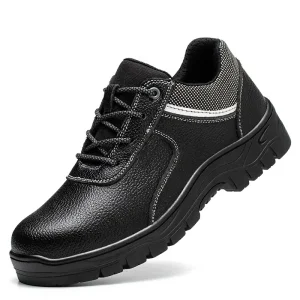
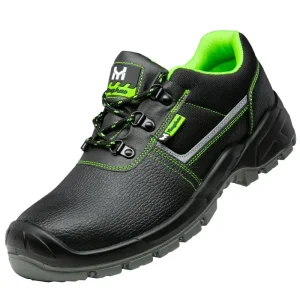
Strategically situated near Tianjin Port, we streamline complex mixed-container orders. Swedish importers can combine high-performance wear-resistant gloves with safety footwear, certified helmets, and fall protection harnesses inside a single container, lowering individual unit freight tariffs and simplifying port customs clearance at Gothenburg or Stockholm.
Direct factory pricing, customized sample validation packs, and test documentation within 24 hours.
Fully compliant with CE, EN ISO, and WSTDA standards for cross-industry reliability.
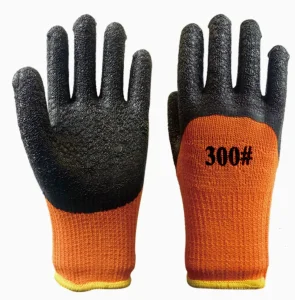
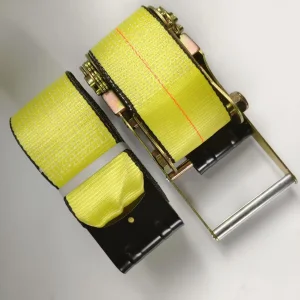
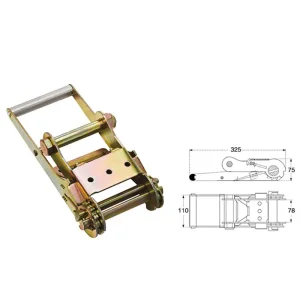
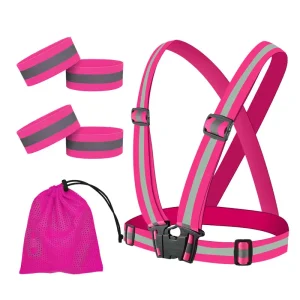
Where advanced polymer science meets ergonomic automation across high-precision global supply chains.
Heavy, stiff work gloves are obsolete in modernized assembly lines. Global manufacturers are transitioning rapidly to ultra-fine 18-gauge knitting using high-tenacity modified polyester and UHMWPE fibers. This provides second-skin tactile sensitivity for operators handling precision components in Swedish telecom, electronics, and aerospace manufacturing.
By 2027, top European distributors project over 40% of standard procurement tenders will mandate verifiable circular content. Our manufacturing plants are actively integrating recycled polyethylene terephthalate (rPET) derived from post-consumer plastics, drastically reducing the net lifecycle carbon footprint per pair without sacrificing tensile integrity.
Industrial applications increasingly demand hybrid protection: a liquid-impermeable base layer preventing caustic fluid breakthrough, combined with an open-cell porous exterior that acts like microscopic suction cups on wet, oily steel surfaces. Our dual-dipped nitrile and water-based polyurethane models lead this technological convergence.
Essential technical, regulatory, and logistics answers for enterprise procurement managers.
All safety gloves intended for European and Swedish distribution are tested via notified third-party test laboratories (such as CTC, SATRA, or TÜV). Each batch includes test certificates detailing Martindale abrasion cycle endurance, Coup/TDM cut scores, tear force, and ball puncture performance, alongside our internal factory batch quality documentation.
For custom printed heat-transfer branding, sewn silicone labels, and market-tailored packaging for Sweden, our standard MOQ is generally 6,000 to 12,000 pairs depending on the coating complexity. Neutral stock models with standard factory packaging can be supplied with lower threshold test volumes.
For harsh sub-zero conditions, we recommend our specialized thermal acrylic loop brushed liners coated with cryogenic-stable latex or micro-porous foam PVC. These coatings prevent the cold-embrittlement phenomenon common in generic rubber, maintaining ductile grip down to -25°C.
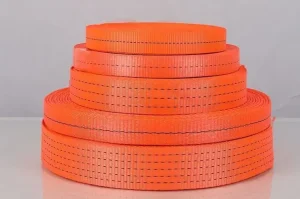
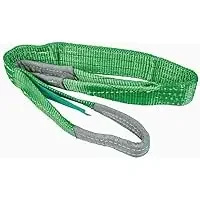
Yes. That is one of our primary competitive advantages. Because we manufacture polyester webbing, fall arrest harnesses, safety helmets, protective boots, and gloves under one unified export operation in Tianjin, you can optimize full container load (FCL) volume across multiple product categories to minimize landing overheads.
Standard OEM manufacturing cycles range from 25 to 35 days post-deposit and sample sign-off. Direct sea freight from Tianjin Port to Sweden (Gothenburg or Helsingborg) averages 32 to 40 days, allowing predictable inventory forecasting for seasonal requirements.
Strictly yes. We utilize water-purified polyurethane and vulcanization accelerants that maintain Dimethylformamide (DMFa) levels significantly below the stringent EU threshold limit of 5 ppm, fully compliant with REACH annex XVII regulations to protect sensitive skin and prevent occupational dermatitis.
Connect directly with our engineering team for customized technical data sheets, sample evaluation kits, and transparent volume quotations.
Send Inquiry Now