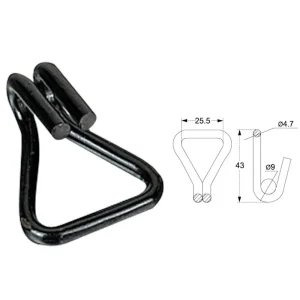
Engineered to withstand coastal humidity, rigorous shipbuilding cycles, and automated logistics handling across Incheon, Busan, and Ulsan.
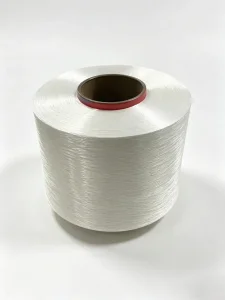
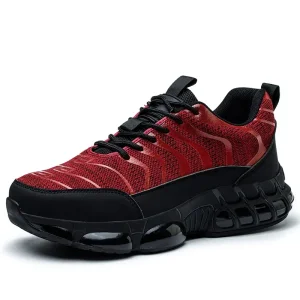
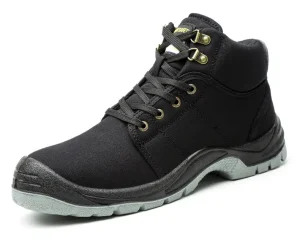
A rigorous examination of South Korea's tightening occupational safety legislations, maritime logistics shifts, and procurement strategies for tier-1 enterprises.
The industrial ecosystem in South Korea is undergoing a seismic paradigm shift. With the full enforcement and expansion of the Serious Accidents Punishment Act (SAPA, 중대재해처벌법), South Korean corporate leadership, safety directors, and general contractors are legally accountable for worksite casualties. Consequently, industrial consumables—ranging from polyester lifting slings, ratchet tie-down lashings, to specialized PPE footwear and fall protection harnesses—are no longer treated as commoditized expendables. They have transitioned into mission-critical risk mitigation assets.
South Korea stands as a global titan in heavy shipbuilding (centered around Geoje, Ulsan, and Mokpo), automotive manufacturing (Hyundai/Kia clusters across Ulsan and Asan), and high-tech semiconductor fabs (Pyeongtaek and Yongin megaclusters). In parallel, the nation's logistics networks, driven by maritime corridors via Busan Port and Incheon New Port, demand relentless cargo control integrity. Under extreme marine salinity, vibrating intermodal chassis systems, and high-frequency containerized shipping, cargo control hardware failure incurs catastrophic downtime and heavy regulatory fines.
Under South Korea's severe workplace penalties, procurement teams cannot risk untested batch variances. Factory documentation must provide micro-level traceable proof of break testing and mechanical tenacity.
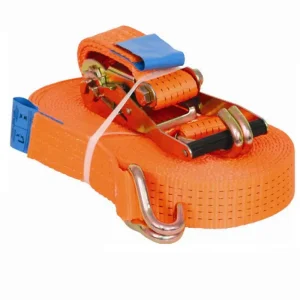
Korea handles massive TEU throughput. Heavy sea transit requires SS304/SS316 hardware hooks, high-tenacity 210D AA-grade webbing, and anti-abrasion woven sleeves to eliminate transit damage.
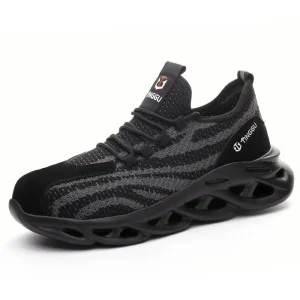
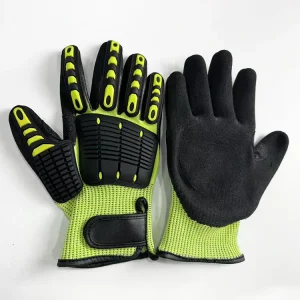
Korean workers in semiconductor cleanrooms and advanced modular construction require Kevlar-reinforced, flyknit-ventilated footwear and anti-slip TPR gloves combining agile ergonomics with puncture defense.
Leveraging coastal proximity from Tianjin Port to Incheon/Busan with vertically integrated textile spinning, precision forging, and ISO/CE accredited testing.
Ensuring cross-border shipments strictly fulfill both International ISO/EN guidelines and Korean Occupational Safety and Health Agency (KOSHA) mandates.
| Equipment Category | Applicable Korean Regulation / Body | International Standard (EN/ISO) | Critical Factory Engineering Benchmark | Direct Korean Industry Use Case |
|---|---|---|---|---|
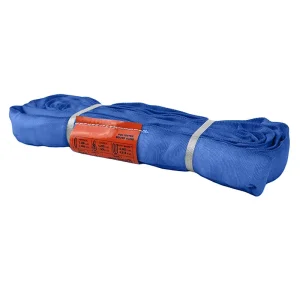
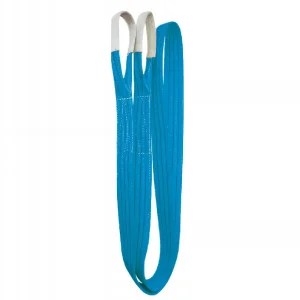
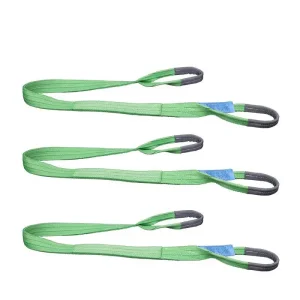
| Polyester Lifting Slings | KOSHA Guide M-85-2015 | EN 1492-1 / EN 1492-2 (7:1 WLL) | 100% High-tenacity yarn (≥7.5 cN/dtex), heat-set stretching | Geoje Shipyard block erection, turbine module crane rigging |
| Cargo Ratchet Tie-Downs | Ministry of Land, Infrastructure & Transport | EN 12195-2 / WSTDA T-1 | Laser-calibrated ratchet gear, SS304/SS316 anti-corrosion plating | Container transport along Gyeongbu Expressway, Incheon ferry lashing |
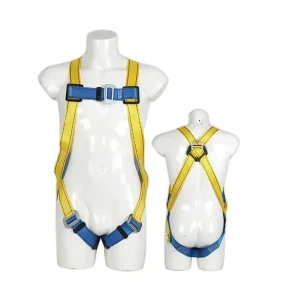
| Fall Arrest Harnesses | KOSHA Certification (안전인증) | EN 361:2002, CE Certified | Dorsal D-ring dynamic drop test proof (>15kN static tensile strength) | Pyeongtaek high-tech cleanroom steel erection, wind tower maintenance |
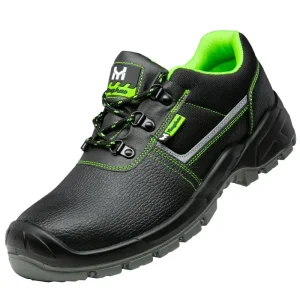
| Heavy-Duty Safety Shoes | KOSHA Standard for Protective Footwear | EN ISO 20345:2022 (S1P / S3) | 200J steel/composite toe impact resistance, puncture-proof Kevlar insole | Foundry stamping workshops, chemical tank terminal operations |
Industrial demand across South Korea diverges significantly depending on geographical focus areas. Our direct-from-factory production lines cater specifically to these distinct operational realities:
Mega-block assembly demands multi-leg webbing slings and round slings with extreme wear resistance and UV stabilization. Chemical-treated polyester prevents yarn rot in marine conditions while protecting coated hull plates.
Cleanroom tooling and high-precision automation installation require non-marking, anti-static safety footwear and soft polyester lifting belts that prevent particle shedding and avoid marring expensive quartz or silicon wafer handling tools.
Heavy die changes and high-tonnage coil uncoiling utilize continuous heavy web lashings, cut-resistant TPR safety gloves, and anti-smash steel toe footwear to guard against metal shear lacerations and drop impacts.
Get custom tensile test reports, batch-specific CE/KOSHA compliance certificates, and fast sea-freight consolidation from our Tianjin port facilities within 24 hours.
Addressing the critical intersection of green material circularity, tariff optimization, and multi-tier supply chain resiliency.
Procurement directors sourcing for large multinational projects in East Asia face three primary vectors of friction: cost escalation driven by intermediaries, failure of private-label customization during rapid turnaround tenders, and shifting environmental compliance. As ESG reporting becomes standardized among Korean chaebols (Samsung, LG, SK, POSCO), traditional virgin polymer webbing is being scrutinized for lifecycle footprints and microplastic degradation.
1. The Transition to Bio-Based and High-Recycled PES Webbing: Next-generation lifting systems are adopting certified recycled polyester (rPET) derived from post-consumer yarn that maintains comparable tenacity curves (≥7.0 cN/dtex). China's industrial yarn spinning infrastructure leads globally in rPET refinement, allowing Korean industrial importers to satisfy strict Scope 3 decarbonization quotas without sacrificing break strength.
2. Smart PPE and Traceability Chips (RFID/NFC Integration): In accordance with Korean smart-site regulations, major construction firms (such as Hyundai E&C and GS E&C) are deploying IoT-tracked gear. Safety harnesses and heavy lifting slings are increasingly specified with embedded NFC silicon tags, enabling site safety managers to scan gear with smartphones to verify inspection lifespans and retirement schedules immediately.
3. De-risking via Proximity-Cluster Supply Chains: By procuring from Northern China's industrial manufacturing core adjacent to Bohai Bay ports (Tianjin), Korean businesses eliminate the 30-to-45-day transit bottlenecks associated with South Asian or European suppliers. Orders reach Pyongtaek, Incheon, or Busan in 2 to 3 days, reducing emergency warehousing overhead while maintaining factory-direct pricing margins.
Concrete engineering and regulatory guidance regarding custom manufacturing, sample validation, and regional shipping.
Our production facilities operate strictly under ISO 9001 quality systems. Webbing slings and ratchet lashing belts are engineered to exceed European EN 1492-1 (7:1 WLL safety factor) and EN 12195-2 benchmarks, which satisfy and frequently surpass KOSHA structural and tensile breaking thresholds. Official destructive test batch reports are furnished with each shipment.
Yes. We routinely print and stitch custom Korean-language warning labels, WLL tags, traceability barcodes, and private-label brand logos. All sewn-in labels can include explicit Hangul instructions, serial numbers, manufacture dates, and standard compliance markings tailored for immediate Korean domestic commercialization.
Standard OEM batch production requires between 15 to 25 working days depending on hardware complexity. Because our facilities are positioned near Tianjin Port, direct vessel sailing times to Incheon are just 48 hours, and 72 hours to Busan, enabling rapid turnaround for recurring supply contracts.
Yes. One of our core competitive advantages is multi-category factory consolidation. You can mix polyester slings, stainless steel ratchet hooks, safety harnesses, and anti-puncture shoes in a single 20GP or 40HQ container, substantially decreasing landed shipping costs and domestic inventory overhead.
Comprehensive manufacturing lineup tested for heavy engineering, logistic fleets, and extreme height work across Korea.