Monsoon & Highway Safety
Immediate-export equipment manufactured under strict ISO quality audits, fully engineered to withstand South Asian climate extremes, heavy port handling, and rapid CPEC infrastructure development.
Pakistan's industrial manufacturing and infrastructure landscape is experiencing a paradigm shift. Historically driven by domestic apparel, textile spinning in Faisalabad, and agricultural processing, the modern Pakistani economy is rapidly industrializing under the auspices of the China-Pakistan Economic Corridor (CPEC) Phase II, expanded port activities at Gwadar and Port Qasim, and surging investments in heavy energy, petrochemicals, and civil engineering.
This rapid capital expansion has exposed critical workplace vulnerabilities. Previously, personal protective equipment (PPE) and protective safety clothing were treated as minor line items, frequently procured through informal secondary markets with minimal certification traceability. Today, regulatory enforcement is tightening decisively across all four provinces. The Sindh Occupational Safety and Health Act of 2017, alongside the Punjab Occupational Safety and Health Act of 2019, has institutionalized stringent compliance penalties for plant managers failing to equip personnel with verified, hazard-specific safety clothing.
Simultaneously, multinational enterprises operating within Pakistan's Special Economic Zones (SEZs)—including Rashakai, Dhabeji, and Allama Iqbal Industrial City—enforce global risk mitigation frameworks including OSHA 1910 standards, ISO 45001 management systems, and CE EN norms. Compliance is no longer discretionary; it is a prerequisite for tender qualification and contractual viability.
The operational environment in Pakistan presents some of the world's most severe climatic and operational stressors for technical protective apparel. Ambient summer temperatures regularly exceed 48°C (118°F) in regions like Jacobabad, Sibi, and Multan, introducing extreme heat exhaustion hazards. Traditional thick, non-breathable safety overalls inevitably lead to operator non-compliance as workers discard heavy protective gear during peak shifts.
Consequently, forward-looking procurement managers and industrial health officers demand dual-engineered safety apparel: certified protective capability combined with advanced thermo-regulation. Moisture-wicking base layers, breathable high-visibility poly-cotton ripstop blends, antimicrobial treatments, and retroreflective strips that survive repetitive industrial laundry cycles without delamination have become fundamental engineering requisites.
As direct factory manufacturers, Tianjin ZhongQi Growth Technology delivers direct supply chain integration, bypassing multi-tiered local distribution markups and guaranteeing verifiable batch-level certification dossiers directly to Pakistani industrial procurement desks.
Evaluating international protective benchmarks required by international EPC joint-ventures, Pakistani state infrastructure authorities (NHA, WAPDA), and global oil & gas consortia.
Specifies high-visibility clothing capable of visually signaling the user's presence. Class 1, 2, and 3 garments engineered with fluorescent background materials (fluorescent yellow, orange-red) and micro-prismatic retroreflective tapes ensuring 360-degree visibility under low-light highway logistics and night railway construction.
Thermal hazard protection against industrial flash fires and molten metal splashes common in Karachi steel rolling plants and Sui gas compression fields. Fabric construction utilizes inherent aramid fibers or durable flame-retardant treated cotton (Proban/Pyrovatex) with zero char break and self-extinguishing parameters.
Mandatory for engineers and maintenance crews working across high-voltage substations, K-Electric distribution lines, and national NTDC grids. Fabric systems provide calculated ATPV (Arc Thermal Performance Value) ratings from 8 cal/cm² (Hazard Risk Category 2) to 40+ cal/cm² (Category 4 suites).
| Hazard Category | Applicable Standards | Key Performance Metrics | Material Engineering | Pakistan Industry Applications |
|---|---|---|---|---|
| High-Traffic Collision | EN ISO 20471, ANSI/ISEA 107 | Retroreflection > 400 cd/(lx·m²), Chromaticity coordinates | 120-160 GSM breathable knitted PES with Glass Bead Tape | M-5 Motorway, Gwadar Port terminal logistics, NHA tolling |
| Petrochemical Flash Fire | NFPA 2112, ISO 11612:2015 | Char length < 100mm, Afterflame < 2s, Heat transfer index | 99% Cotton + 1% Anti-static fiber, 240-350 GSM Twill | PARCO Refineries, Engro Elengy LNG terminal, OGDCL fields |
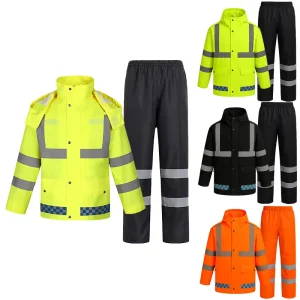
| Monsoon Flooding & Acids | EN 343:2019, EN 13034 (Type 6) | Hydrostatic head > 10,000mm H2O, Repellency > 95% | PVC/Polyester/PVC laminate, ultrasonically welded seams | Sindh/Punjab municipal emergency response, chemical plants |
| High-Voltage Arc Blast | IEC 61482-1-1, NFPA 70E | ATPV ≥ 8.0 cal/cm² to 40 cal/cm², no melt/drip | Modacrylic / Cotton / Para-Aramid engineered blend | WAPDA hydroelectric dams, Tarbela 4th Extension, NTDC grids |
In global industrial procurement, purchasing through intermediary trading houses, brokers, or local stockists introduces severe risks: compounding markups, inconsistent fabric batches, untraceable test certificates, and unpredictable lead times. Tianjin ZhongQi Growth Technology Co., Ltd. eliminates these frictions through end-to-end industrial manufacturing based in North China's premier industrial corridor.
Our production facilities are situated in the Shuangjie Trusted Industrial Park, Beichen District, Tianjin. This location positions our manufacturing cells inside China's most dense cluster for synthetic fiber spinning, high-tensile polyester webbing weaving, chemical dyeing, and precision PPE assembly. By sourcing grade-AA industrial polyester yarn, heavy hardware, and technical reflective films directly within a 30-kilometer radius, we maintain full chain-of-custody control from raw polymers to packaged export cartons.
Furthermore, our geographic adjacency to Tianjin Port—one of the world's largest deep-water container gateways—provides Pakistani buyers with unparalleled sea-freight advantages. Direct feeder vessels and major liner services connect Tianjin Port to Karachi Port (KICT/PICT) and Port Muhammad Bin Qasim with routine transit times of 18 to 22 days, slashing inventory carrying costs and buffer stock requirements for contractors operating on aggressive CPEC project deadlines.
Our factory operates automated computerized laser fabric cutters, multi-head programmable pattern stitching machines, and ultrasonic hot-air seam sealing lines. This automation ensures that every seam on a high-visibility raincoat or industrial safety overall achieves identical tensile burst strength and hydrostatic barrier performance.
For custom OEM/ODM orders serving Pakistani public institutions, private corporations, and multinational joint ventures, our in-house engineering team provides complete customization:
We welcome third-party pre-shipment inspections (SGS, BV, TÜV, Intertek) directly on our factory floor prior to container sealing, giving Pakistani procurement executives 100% risk mitigation.
Proven technical performance across primary sectors operating under South Asia's most severe operational stresses.
Deployment: M-5 Motorway (Multan-Sukkur), KKH Phase II (Havelian-Thakot), ML-1 railway expansion.
Apparel Engineering: EN ISO 20471 Class 3 high-visibility suits featuring moisture-wicking fluorescent mesh back-panels to survive desert sun exposure while safeguarding road maintenance crews against high-velocity traffic.
Deployment: Karachi Port Trust, Port Qasim Authority, Gwadar Deep Sea Port terminal handling.
Apparel Engineering: Heavy-duty tear-resistant ripstop coveralls treated with fluorocarbon anti-oil coatings, integrated marine fall-arrest harness pass-through slots, and anti-static ESD grounding threads preventing maritime fuel vapor ignition.
Deployment: Thar Block II Open-Pit Coal Mine, Hub Power Station, Neelum-Jhelum Hydroelectric.
Apparel Engineering: Anti-smash and anti-puncture head-to-toe protection. Flame-resistant 300 GSM cotton-rich overalls combined with impact-absorbing ABS hard hats and steel-midsole puncture-proof work boots resisting sharp geological strata.
International procurement teams operating across developing markets must navigate severe quality disparities. When procuring protective clothing, low purchase prices often mask catastrophic shortcomings: substandard dye crocking, micro-cracking reflective bands, toxic formaldehyde resin finishes, and fraudulent CE mark labeling without underlying Notified Body test reports.
To eliminate these liabilities, professional procurement directors follow a systematic five-tier audit rubric when vetting industrial safety manufacturers:
1. Raw Fiber & Yarn Grade Integrity: Ensuring polyester filament conforms strictly to 210D AA-grade high-tenacity yarn parameters, avoiding recycled low-denier polymer fillers that degrade rapidly under intense ultraviolet (UV) solar radiation.
2. Seam Shear & Hydrostatic Testing: Demanding batch-wise test data confirming hydrostatic resistance exceeds 10,000mm H2O for waterproof rainwear, alongside triple-stitched flat-felled seam tensile strengths exceeding 450 Newtons.
3. Washing Durability & Colorfastness: Verifying that retroreflective tapes and background fluorescent materials retain standard luminescence after at least 25 to 50 domestic wash cycles at 60°C (ISO 6330).
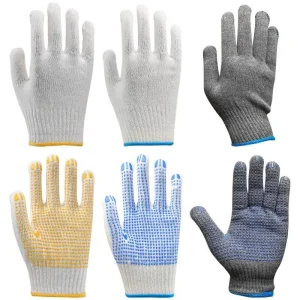
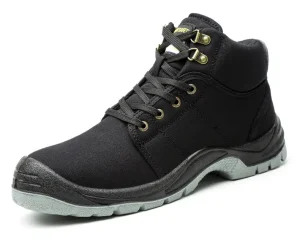
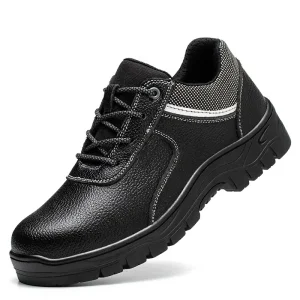
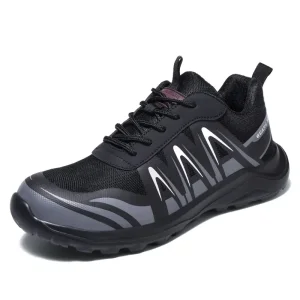
4. Consolidative Factory Capacity: Selecting a manufacturing partner capable of consolidating diverse safety lines—safety clothing, safety helmets, fall-arrest harnesses, and protective footwear—into unified 20GP or 40HQ container shipments, significantly minimizing customs clearance tariffs and container demurrage costs at Karachi port terminals.
5. Regulatory Traceability: Insisting on permanent sewn-in care and standard compliance labels featuring explicit batch numbers, model references, notified body numbers, and unambiguous pictorial warning icons.
Factory-direct bulk supply for contractors, wholesale importers, and safety supply houses serving industrial hubs across Karachi, Lahore, Rawalpindi, and Peshawar.
Clear, authoritative technical answers regarding import compliance, customs clearing, climate adaptations, and OEM minimum order quantities.
Yes. Our factory provides full private-label OEM manufacturing. We routinely produce sewn-in wash-care and compliance labels featuring bilingual English and Urdu text, project reference codes, and company logos. All warning pictograms follow ISO 7010 universal visual standards to guarantee clear hazard comprehension for multi-lingual site personnel across Pakistan.
Shipments depart directly from Tianjin Port (Xingang) to Karachi Port (KICT/SAPT) or Port Qasim (QICT). Typical ocean transit spans 18 to 24 days depending on vessel rotation and direct transshipment calls. We provide comprehensive export documentation—including Bill of Lading, Commercial Invoice, Packing List, and China-Pakistan FTA (CPFTA) Certificate of Origin Form-P to ensure reduced customs duties.
We engineer specialized summer-weight technical fabrics ranging from 150 to 190 GSM that combine high-tenacity polyester warp with combed cotton weft. By incorporating micro-ventilation eyelets under armpits, open mesh back capes, and moisture-transporting wicking treatments, our garments dramatically reduce core body heat accumulation while maintaining full mechanical abrasion resistance.
Our standard production MOQ for custom-colored and private-branded industrial workwear coveralls is 500 sets. For standard catalog high-visibility vests or stocked raincoat configurations, we accommodate flexible trial orders starting at 200 units, enabling EPC contractors to verify size distributions and ergonomic comfort prior to issuing blanket annual purchase orders.
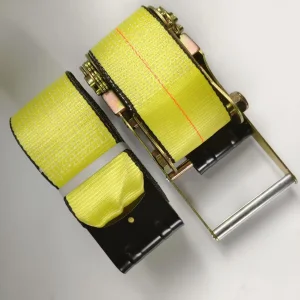
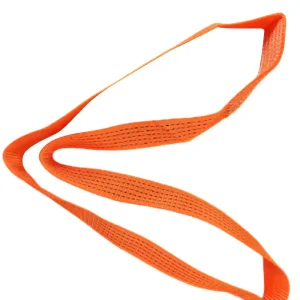
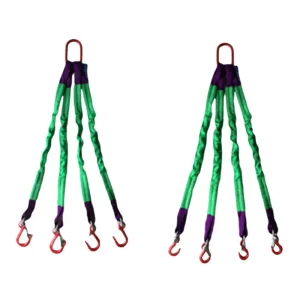
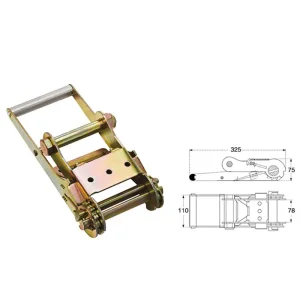
Absolutely. One of ZhongQi's greatest competitive edges is one-stop container consolidation. Because we manufacture polyester lifting slings, ratchet lashing straps, fall-protection harnesses, safety helmets, shoes, and safety garments under unified factory management, Pakistani buyers can mix multiple SKU lines inside a single 20ft or 40ft container without paying multiple forwarding fees.
We subject all treated FR fabrics to standardized thermal resistance and flame wash durability testing in accordance with ISO 15025 and ASTM F1930. Our chemically bonded cotton fabrics (Pyrovatex/Proban standards) are guaranteed to maintain self-extinguishing flame resistance properties up to 50 commercial launderings, accompanied by comprehensive third-party lab documentation.
Connect with Tianjin ZhongQi's technical engineering team today. We provide immediate cost quotations, material sample swatches, CE compliance documentation, and consolidated container shipment schedules for your industrial operations.