Direct production solutions manufactured to withstand extreme equatorial UV radiation, dynamic impacts, and harsh mining quarry environments.
Kenya is experiencing a generational transformation driven by Kenya Vision 2030 and significant capital investments under the African Continental Free Trade Area (AfCFTA). Megaprojects including the LAPSSET Railway and Pipeline Corridors, geothermal exploration in the Great Rift Valley (Olkaria), port berth modernizations in Mombasa, and major civil high-rises throughout Nairobi County have drastically reshaped workplace hazard matrices.
Under the Kenyan Occupational Safety and Health Act, 2007 (OSHA 2007) administered by the Directorate of Occupational Safety and Health Services (DOSHS), rigorous regulatory crackdowns are penalizing non-certified safety gear. In conjunction with KEBS (Kenya Bureau of Standards) enforcing KS 06-258 specifications, procurement directors can no longer depend on generic non-tested hard hats prone to UV brittleness and structural deformation under the East African sun.
Standard recycled PE helmets chalk, crack, and fail drop-ball tests within 90 days of sun exposure in northern mining and geothermal tracts.
Unventilated helmets trap thermal radiation up to 48°C inside the shell, causing workers to discard helmets illegally on site.
Importers face demurrage penalties at the Port of Mombasa when manufacturers fail to supply accredited Pre-Export Verification of Conformity (CoC).
ZhongQi Solution: Pre-stabilized polymer compound + CoC certification dossier handled before vessel departure from Tianjin to Mombasa Port.
A breakdown of the engineering metrics that prevent intracranial shock, blunt-force trauma, and lateral crushing on high-risk job sites.
Molded with aerodynamic crown ridges designed to deflect falling objects and disperse impact kinetic energy sideways rather than transferring perpendicular shock directly into cervical vertebrae.
Features ultra-dense polyester straps maintaining a strict 25mm to 50mm clearance gap between skull and shell, dampening dynamic impact deceleration down to less than 5.0kN peak force.
Micro-adjusting ergonomic dial system (53cm - 64cm head circumferences) ensuring firm stability during wind shear, high-angle climbing, and erratic machinery vibrations without pressure points.
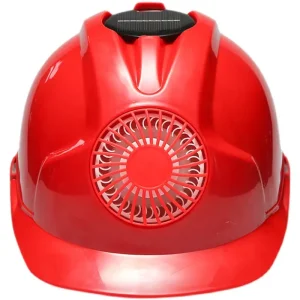
Calculated aerodynamic airflow channels with optional integrated solar-powered cooling micro-fans for high-heat environments like Turkana, Magadi soda works, and Kilifi coastal quarry operations.
Pure metal-free construction passing 440V electrical insulation (EN 397 optional clause) and high-voltage resistance to protect linemen working along regional sub-stations and solar farms.
Universal 30mm side mounting slots seamlessly accommodate face shields, welding hoods, cap lamps, and SNR 32dB earmuffs without drilling or degrading original structural safety ratings.
Cross-functional PPE designed to solve real-world workplace risks in construction, mining, agriculture, energy, and logistics.
Heavy-duty ABS models featuring 4-point elasticized or webbed chin-straps that withstand sudden vertical drops from scaffolding while protecting against falling rubble, rebar, and tie wire hazards.
High-density models rated for lateral deformation (LD) and extreme hot-surface contact. Compatible with chemical visors and intrinsically safe cap lamp mounts for underground and rig-floor operations.
Lightweight ventilated helmets engineered for tea estates in Kericho, horticultural greenhouses in Naivasha, and sugarcane milling plants in Western Kenya. Moisture-wicking sweatbands reduce heat exhaustion.
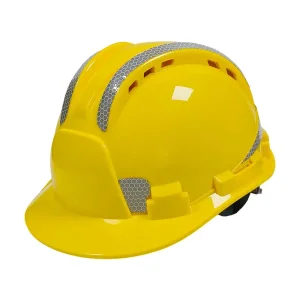
Fluorescent high-visibility shells with 360-degree micro-prismatic reflective strips providing 24/7 visibility to gantry crane operators and heavy prime movers handling maritime containers.
Specialized mountaineering-style hard hats without front peaks for unhindered upward field of view. Essential for wind turbine nacelle technicians at Lake Turkana Wind Power and rooftop solar installers.
Thickened impact shells paired with dust-sealed mesh vents to repel fine silica particles in Athi River limestone quarries and Bamburi processing kilns while ensuring steady passive cooling.
Every export consignment destined for Kilindini Harbour (Mombasa) or the Inland Container Depot Nairobi (ICDN) is backed by full laboratory batch test reports. We coordinate directly with authorized inspection agencies (SGS, Bureau Veritas, Intertek, CCIC) to issue:
Procuring directly from our Tianjin manufacturing facility removes multiple tiers of middleman margins in regional hubs like Dubai or Mumbai. We empower Kenyan PPE suppliers, hardware chains, and major engineering contractors to establish their own private-label safety brands with low minimum order quantities (MOQs).
Our facility sits less than 40km from Tianjin Port—one of the largest international maritime gateways in North China. This location ensures low domestic haulage costs and frequent liner schedules directly to Mombasa, reducing lead times to just 18 to 22 ocean days.
Investing in next-generation materials, sensor integration, and eco-sustainable head protection systems for industrial megaprojects.
Introduction of post-consumer recyclable plastics and bio-circular polyamides that cut carbon footprint by 40% while preserving high-impact flexural modulus.
Incorporating ultra-lightweight thermal and humidity sensors inside the suspension harness to alert remote safety officers of impending heat stroke in arid zones.
Integrating low-friction slip liners within industrial hard hats to absorb rotational brain acceleration from angled oblique impacts during falls.
Mounting active RFID chips and HUD optical mounts that interface with digital construction twins, warning workers who enter hazardous heavy-equipment turning radiuses.
Expert answers addressing compliance, material chemistry, logistics, and bulk private-label options.
HDPE (High-Density Polyethylene) offers reliable, economical everyday impact resistance. However, Virgin ABS (Acrylonitrile Butadiene Styrene) provides superior lateral rigidity, higher scratch resistance, and enhanced thermal stability under equatorial solar radiation, preventing softening and UV micro-fissures over long-term field use.
Yes. Our industrial safety helmets are engineered to satisfy both EN 397:2012+A1:2012 and ANSI/ISEA Z89.1 Type I Class E standards, which harmonize directly with Kenya Standard KS 06-258. We provide accredited lab test certificates to guarantee seamless PVoC clearance.
Absolutely. We provide high-precision pad printing on the front, sides, and rear of the helmet shell with high UV-cure inks that resist peeling and solvent contact. Shell colors can be matched to precise RAL or Pantone codes for organizational job site hierarchies.
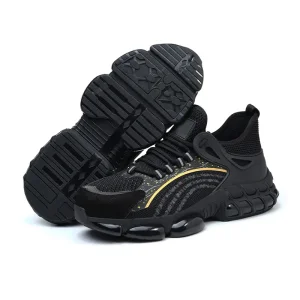
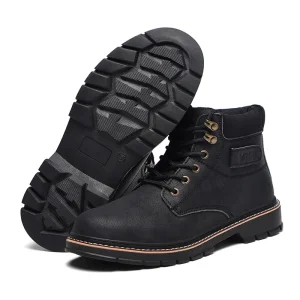
Yes. That is a core competitive advantage of our factory. As an integrated safety equipment manufacturer, we allow Kenyan buyers to mix safety helmets, safety footwear, fall arrest harnesses, and cargo lashing webbing into a single consolidated 20GP or 40HQ container, lowering shipping freight costs dramatically.
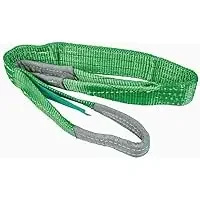
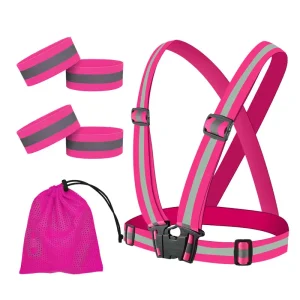
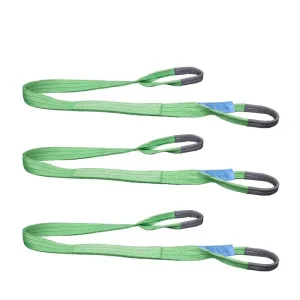
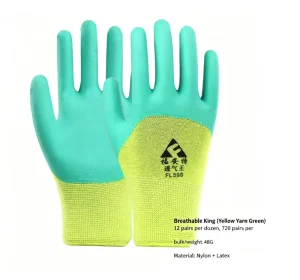
Full-spectrum personal protective equipment and load securing equipment engineered for challenging field operations.
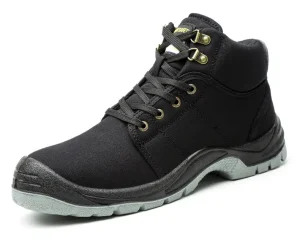
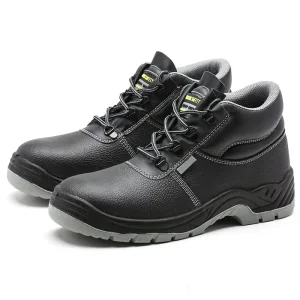
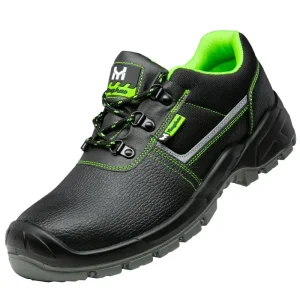
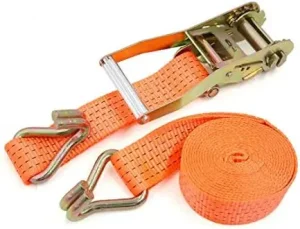
Get direct factory wholesale pricing, fast turnaround technical drawings, test reports, and tailored freight options to Mombasa.