Precision-engineered high-visibility apparel, flame-retardant PPE, and CE-certified protective solutions designed for Algeria's rigorous construction, petroleum, and transshipment infrastructure.
Factory-direct PPE compliant with EN ISO 20471 Class 2/3 and Algerian workplace safety directives, engineered to withstand extreme ambient temperatures, dust storms, and heavy port handling.
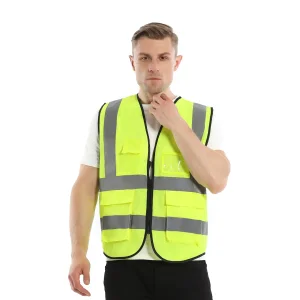
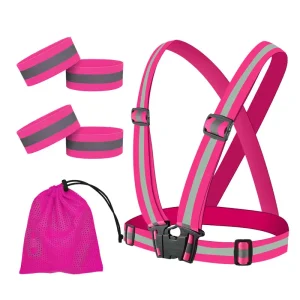
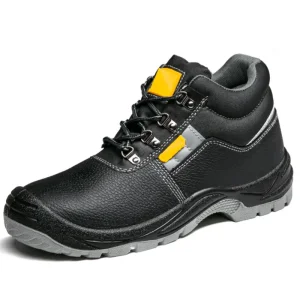
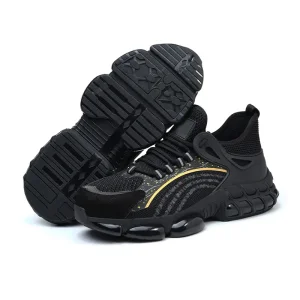
An in-depth evaluation of occupational safety regulations, urban development corridors, and the surging industrial requirements driving high-visibility gear across Northern Algeria.
The modernization of the Port of Algiers, combined with deepwater expansion initiatives at El Hamdania, has escalated requirements for high-visibility apparel. Stevedores, heavy crane operators, and logistics freight handlers operate round the clock in maritime corridors where visibility is critical to preventing crush injuries and vehicular collisions.
Our safety vests incorporate Class 2 micro-prismatic and glass-bead retroreflective tapes that maintain optimal photopic luminance even in coastal marine fog and saline operational air.
While centralized extraction occurs in regions like Hassi Messaoud, Algiers hosts downstream refineries, corporate hubs, and distribution corridors. Procurement protocols across Sonatrach facilities and allied EPC contractors demand specialized safety vests that unite high visibility with anti-static (EN 1149) and flame-retardant (EN ISO 14116) finishes.
Standard synthetic vests represent an unacceptable electrostatic discharge (ESD) risk in gas zones. We produce treated modacrylic and aramid blends tailored to petrochemical containment protocols.
Compliance in Algeria centers on Law No. 88-07 regarding occupational health, safety, and medicine. Labor inspectorates increasingly inspect public works, civil engineering (BTPH), and manufacturing plants to enforce personal protective equipment compliance.
Sourcing directly from an established factory guarantees that safety vests provide documented retroreflection (exceeding 400 cd/lx/m²) and withstand repeated industrial laundry cycles without delamination or optical degradation.
A technical breakdown of yarn densities, fluorescent chromaticity coordinates, and thermal regulation mechanisms optimized for North African microclimates.
| Evaluation Parameter | Standard Low-Cost Vest | ZhongQi High-Performance Industrial Vest | Operational Advantage in Algiers |
|---|---|---|---|
| Base Fabric Composition | 60–80 gsm recycled single-knit polyester | 120–160 gsm warp-knitted tricot or breathable bird's-eye mesh | Resists mechanical snagging on rebar, scaffolding, and container latches. |
| Chromaticity & Luminance | Uncertified dye; fades rapidly under UV index > 8 | Fluorescent yellow/orange certified to EN ISO 20471 UV thresholds | Maintains visibility under harsh Mediterranean and Saharan solar exposure. |
| Retroreflective Tape | Low-grade glass bead glued tape (<150 cd/lx) | Heat-sealed or twin-stitched Micro-prismatic / Certified TC backing (>400 cd/lx) | Retains retroreflection during nighttime transport and rain conditions. |
| Thermal Comfort & Airflow | Non-breathable solid film trap; causes heat exhaustion | Zoned ventilation mesh panels with moisture-wicking capillary finish | Reduces core worker temperature during Algiers summer work shifts (38°C+). |
| Fastener Integrity | Fraying narrow hook-and-loop closure | Reinforced resin zippers or heavy-duty 5cm nylon hook-and-loop fasteners | Prevents accidental opening under wind gusting along coastal highways and ports. |
Algiers experiences severe summer UV indices reaching 10+. Standard fluorescent fabrics lose their luminous factor (Y) rapidly when exposed to prolonged sunlight, falling out of regulatory compliance within weeks. ZhongQi uses dope-dyed virgin polyester stabilized with UV absorbers (hindered amine light stabilizers), maintaining chromaticity boundaries across hundreds of shifts.
Modern job sites require site supervisors and logistics controllers to carry walkie-talkies, gas detectors, smartphones, and inspection documents. Our Algiers-specific utility vests feature reinforced mic tabs, transparent badge holders for biometric site-access cards, dual bellow pockets with reinforced D-rings, and heavy-duty load distribution webbing.
Industrial grime, hydraulic oils, and cement dust require periodic laundering. Inferior reflective materials peel and crack after 5 home washes. ZhongQi's proprietary thermal transfer reflective media withstands 50 industrial wash cycles at 60°C without losing over 20% of its initial reflective coefficient, significantly reducing lifecycle procurement costs.
Field-tailored configurations designed for distinct operational conditions across the Wilaya of Algiers and connected national economic corridors.
Algiers serves as the principal terminus for the Autoroute Est-Ouest, carrying tens of thousands of freight carriers daily. Roadside maintenance crews, emergency recovery teams, and weigh-station inspectors face significant high-speed vehicle hazards. We supply Class 3 high-visibility safety garments featuring full 360-degree body encirclement with retroreflective cross-striping across shoulders and torso.
As the epicenter of light manufacturing, automotive assembly, and pharmaceutical packaging, the industrial zones of Rouiba and Oued Smar operate high-density warehousing and forklift logistics. Our tear-away 5-point safety vests prevent entanglement in conveyor belts and automated palletizing equipment by breaking away safely under tensile overload.
Subterranean expansion projects for the Entreprise Métro d'Alger (EMA) and SNTF railway upgrades involve enclosed, low-light environments with high dust concentrations. Our dual-tone safety vests combine ultra-bright fluorescent lime with contrasting high-chroma orange borders to maximize contrast against subterranean rock faces and tunnel concrete.
Streamlined logistics frameworks, documentation verification, and foreign trade compliance ensuring smooth customs processing at Algiers and Oran ports.
Navigating import regulations in Algeria requires strict documentation adherence under Bank of Algeria circulars, including Certificate of Free Marketing in Country of Origin, detailed Conformity Certificates (Certificat de Conformité), and verifiable packing lists. ZhongQi's export documentation desk handles L/C compliance seamlessly, minimizing dwell time and demurrage costs at port terminals.
Shipping directly from our manufacturing base adjacent to Tianjin Port provides frequent maritime routes to Algiers Port. We offer combined container loads merging safety vests with safety shoes, fall arrest harnesses, and lifting slings, enabling Algerian safety supply distributors to lower landed unit shipping costs and balance stock across categories.
We provide full customization for domestic Algerian safety brands, EPC consortia, and institutional buyers. From French/Arabic bilingual interior care labels and screen-printed or embroidered corporate insignia to customized barcode packaging, our OEM team executes exact corporate specifications while preserving required retroreflective surface areas.
Connect with our technical export engineers to request sample swatches, CE conformity certificates, and volume-tiered container pricing tailored to your procurement schedule.
Send Inquiry NowPioneering advancements in smart connected workwear, active illumination systems, and sustainable circular polymers designed for evolving occupational demands.
Traditional retroreflective glass beads require an external incoming light source (headlights) to reflect. In deep underground mines, unlit transshipment yards, or thick desert sandstorms (sirocco), active visibility is essential. We are piloting flexible, ultra-light electroluminescent and washable LED strips embedded in vest borders, visible at distances over 800 meters in zero-ambient-light conditions.
Aligning with international ESG mandates and multinational sustainability targets in Algeria, ZhongQi is transitioning product lines toward 100% GRS-certified (Global Recycled Standard) recycled polyethylene terephthalate. Using fiber derived from post-industrial bottles, these vests deliver the exact tensile strength, colorfastness, and luminance of virgin polyester while decreasing carbon footprint by 45%.
For high-risk sites including port container terminals and heavy rail marshaling yards, smart vests feature integrated UHF passive RFID tags and heat-stress biosensor pockets. This technology enables automated personnel muster roll-calls during site evacuations, prevents accidental worker presence in restricted crane-swing zones, and monitors thermal strain in real time.
Direct answers from our senior compliance and engineering team regarding standards, minimum order quantities, import procedures, and technical specifications.
Workplace gear must adhere to the provisions of Law 88-07 and executive decrees on personal protective equipment. The accepted baseline standard across civil works (BTPH), maritime ports, and petrochemical sites is EN ISO 20471 (the international equivalent of ISO 20471). High-risk roadside or runway personnel require Class 2 or Class 3 vests depending on road speed limits and site exposure.
Saline air and coastal humidity cause micro-corrosion and delamination in poor-grade metallic glass-bead tapes. We utilize encapsulated micro-prismatic PVC/TPU tape or high-grade glass-bead tapes bonded with industrial cross-linked polymers that resist salt spray degradation, keeping retroreflection intact throughout extensive port deployments.
Yes. For petrochemical facilities, refineries, and hazardous handling zones, standard polyester vests pose burn hazards. We supply specialized safety vests fabricated from inherently flame-resistant modacrylic-cotton or treated aramid blends compliant with EN ISO 14116 Index 1 or Index 3, alongside anti-static wire grid weaves certified to EN 1149-5.
Production typically requires 20 to 30 days depending on OEM customization (such as printed logos, custom packaging, and specialty pockets). Transit time from our port gateway in Tianjin to the Port of Algiers averages 28 to 35 days via major maritime freight carriers, with comprehensive documentation pre-cleared for smooth customs release.
Combine high-visibility safety vests with our broader industrial manufacturing line for complete multi-category procurement and optimized container shipping efficiency.
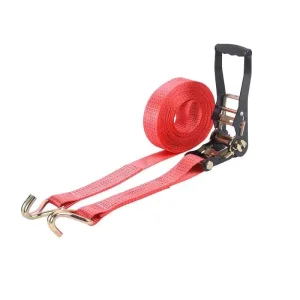
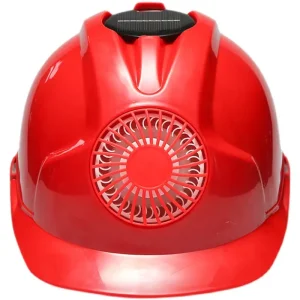
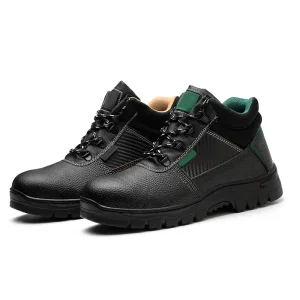
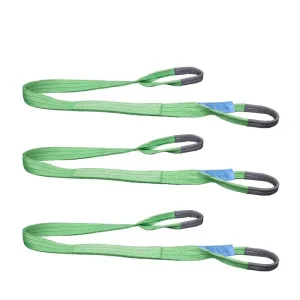
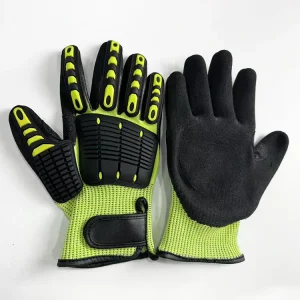
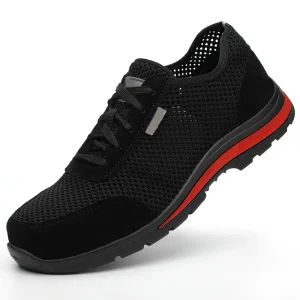
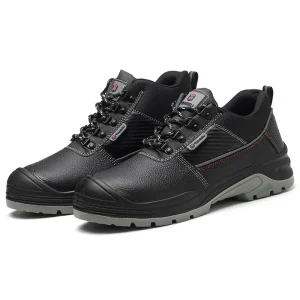
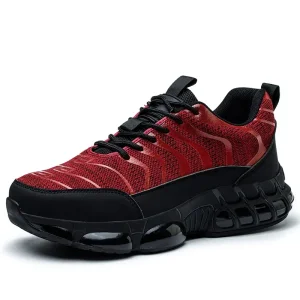
Our safety gear adheres to EN ISO 20471, ANSI/ISEA 107, and CE EN 361 benchmarks. Every production batch undergoes stringent photometer inspection, tensile tear-testing, and stitch integrity analysis before leaving the factory.
By producing our own polyester webbing, knitting our fabrics, and operating integrated automated cutting and stitching lines, we eliminate intermediary trading margins, delivering direct pricing advantages for Algerian contractors.
Our bilingual sales engineering team provides technical consultations, custom mockups, and compliance documentation within 24 hours, ensuring your procurement tender meets all local and international safety parameters.
