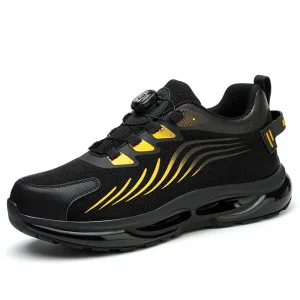
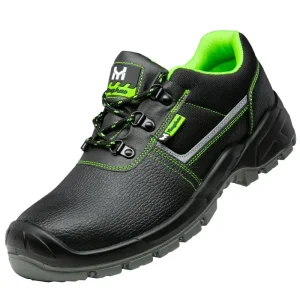
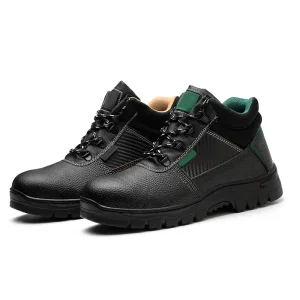
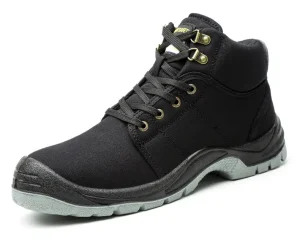
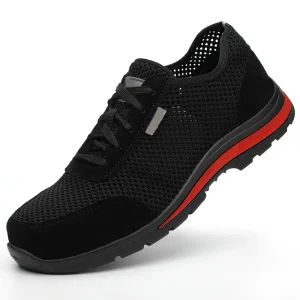
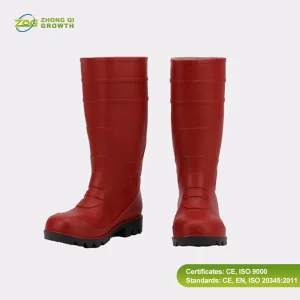
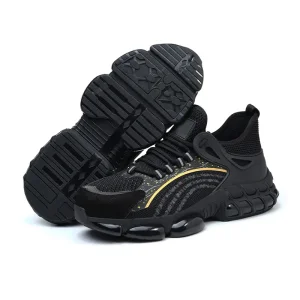
Direct-from-factory protective footwear engineered with Kevlar anti-puncture midsoles and high-tensile safety webbing integrations, built for harsh metro construction and Berlin logistics hubs.
A comprehensive technical analysis of heavy-duty narrow woven fabrics, synthetic slings, and fall-arrest strapping architectures across Berlin-Brandenburg’s logistics networks, clean-tech manufacturing, and civil engineering infrastructure.
Berlin serves as the nerve center for Central and Eastern European supply lanes through mega Freight Villages such as GVZ Berlin Süd (Großbeeren), GVZ Berlin West (Wustermark), and GVZ Berlin Ost (Freienbrink). Over 45 million metric tons of intermodal freight traverse these nodes annually.
The acceleration of electric vehicle gigafactories, battery pack synthesis, and grid storage facilities across Brandenburg and Adlershof Science City requires mission-critical cleanroom handling and battery hoisting slings.
Large-scale civil infrastructure redevelopment, including the historic Siemensstadt 2.0 modernization, high-speed rail lines for Deutsche Bahn, and urban wind and solar retrofits, demands high-performance personal protective systems.
Not all webbing is created equal. Selecting the proper polymer chain chemistry is critical for ensuring occupational safety, minimizing elongation drift, and optimizing structural longevity in harsh industrial environments.
| Webbing Polymer Type | Tensile Tenacity (cN/dtex) | Working Elongation (%) | Chemical & UV Resistance | Melting / Decomp. Temp | Primary Industrial Applications in Germany |
|---|---|---|---|---|---|
| High-Tenacity Polyester (PES) | 7.5 – 8.5 cN/dtex | < 4.0% at Working Load Limit | Superior acid resistance, high UV durability | 255°C – 260°C | DIN EN 1492-1 Flat Slings, DIN EN 12195-2 Cargo Lashing, Automotive Securing |
| Polyamide (Nylon PA 6.6) | 8.0 – 9.2 cN/dtex | 12% – 18% (Energy Absorbent) | Excellent alkali resistance, moderate UV resistance | 215°C – 250°C | Dynamic Fall Arrest Lanyards, Kinetic Vehicle Recovery Straps, Military Webbing |
| Polypropylene (PP Multidisperse) | 5.0 – 6.5 cN/dtex | 8% – 12% | Inert to acids and alkalies, zero water absorption | 160°C – 165°C | Chemical immersion slings, marine flotation webbings, lightweight industrial bag straps |
| UHMWPE (Dyneema® Equivalent) | 32.0 – 38.0 cN/dtex | < 1.8% at Rated Load | Impervious to nearly all chemicals, hydrophobic | 145°C – 150°C | Heavy-lift crane slings (50t - 500t), wind turbine blade hoisting, cut-resistant edge sleeves |
| Para-Aramid (Kevlar® / Nomex®) | 22.0 – 26.0 cN/dtex | < 2.5% Non-yielding | Carbonizes above 450°C, zero melt, flame retardant | Decomposes > 480°C | Foundry hoisting, hot-work welding safety harnesses, fire-fighting rescue belts |
Freshly woven raw webbings suffer from uneven yarn tension and molecular fiber instability. Our facility deploys continuous high-pressure thermo-fixation tunnels running up to 210°C, locking molecular orientation, shrinking void volume, and guaranteeing that ratchet straps and lifting slings experience near-zero post-tension elongation.
This process reduces strap slipping inside mechanical ratchet reels and ensures strict compliance with the Standard Tension Force (STF) metrics demanded by European transportation audits (VDI 2700).
For operations exposed to abrasive concrete dust, slag, quartz sand, and chemical drizzle across Berlin rail and civil engineering sites, bare synthetic yarns can degrade rapidly. We apply aqueous polyurethane micro-coatings that saturate the internal yarn bundles.
This increases surface abrasion resistance by up to 300%, repels moisture, prevents ice crystallization within the internal fiber weave during winter freezes, and seals yarns against UV light degradation.
Eliminate distributor markup, bypass broker friction, and secure direct-to-mill industrial pricing with full regulatory transparency, rapid batch customizability, and consolidated container shipping straight to Berlin and Brandenburg distribution centers.
By interfacing directly with our spinning, twisting, weaving, and assembly workshops, European buyers eliminate tier-2 trading middlemen. Our adjacent positioning to international deep-water terminals ensures minimal inland freight and rock-bottom baseline pricing on bulk container contracts.
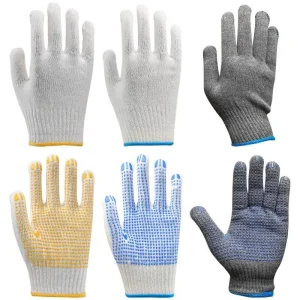
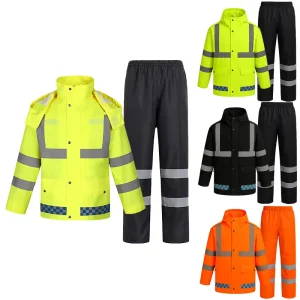
Combine high-volume ratchet lashing straps, polyester round slings, and fall-arrest harnesses together with auxiliary industrial PPE—including safety shoes, nitrile-dipped gloves, and high-visibility workwear—into a single 40ft High Cube container, reducing port handling duties and customs brokerage fees.
We provide full white-label manufacturing services for European industrial hardware distributors. This includes jacquard brand weaving, laser-etched ratchet handles, German/English dual-language serialized compliance labels, barcode tracing, and custom retail packaging ready for store shelves.
In an era of volatile freight rates and geopolitical realignments, our factory operates dynamic yarn inventory reserves exceeding 2,500 metric tons of AA-grade virgin industrial polyester and polyamide filament. This guarantees price stability across 12-month supply agreements and protects our German procurement partners from fluctuating raw material spot markets.
Leading the green industrial transition with closed-loop recycled polymers, intelligent embedded load telemetry, and cryogenic performance treatments for the future of construction and logistics.
Aligned with the European Union's Circular Economy Action Plan and Germany's ESG procurement mandates, we have perfected the extrusion and weaving of 100% post-consumer recycled rPET industrial yarn.
Our rPET webbings deliver identical mechanical tenacity, UV resistance, and elongation curves to virgin polymers, while cutting carbon footprints by over 45% per metric ton produced.
Eliminate error-prone manual paper inspections on German construction sites. Our specialized narrow fabrics incorporate woven-in, vulcanized passive RFID and NFC microchips tested to survive 100-bar high-pressure steam cleaning and extreme mechanical impact.
Site safety managers can scan lifting slings with a handheld smartphone, instantly retrieving DGUV test certifications, past maintenance logs, and retirement schedules.
For high-risk critical lifts in power plants and aerospace hangars, our advanced R&D division is developing smart webbings embedded with calibrated micro-optical continuous threads.
If a sling experiences an unrecorded dynamic shock load exceeding its safe working capacity, optical fibers attenuate light transmission, visually signaling to site engineers that the webbing has internally failed and must be decommissioned.
German occupational health authorities and statutory insurers mandate absolute structural reliability. Every meter of narrow fabric leaving our production line is fully mapped and tested against European safety criteria.
Under German road traffic licensing regulations (StVZO § 22), cargo must be secured against dynamic centrifugal forces during heavy braking and evasive maneuvers. Our ratchet systems meet every standard criteria:
Flat woven webbing slings and endless round slings utilized on Berlin construction projects must obey the standard 7:1 safety factor (Minimum Breaking Strength = 7x Working Load Limit):
Work at height on Berlin's transmission towers, facade restoration scaffolds, and cranes is regulated by DGUV Regel 112-198. Our harness webbing provides verified life safety:
Environmental health is strictly monitored under European chemical regulations. Our fabrics are thoroughly tested and guaranteed free from banned chemicals:
From initial computerized breaking force tests to smooth multimodal customs clearance at Hamburg and Bremerhaven, we maintain rigorous quality oversight every step of the journey.
Our in-house metrology center features a 500 kN hydraulic breaking bench. Real-time stress-strain curves evaluate ultimate tensile strength, yield points, elongation under load, and cycle fatigue, ensuring that no batch with structural imperfections enters overseas shipping containers.
Direct weekly vessel departures from our nearby deep-water port to Hamburg and Bremerhaven, followed by bonded rail shuttle directly to GVZ Großbeeren or Wustermark. Typical maritime transit averages 26–32 days, with full customs clearance and DDP/FOB documentation included.
Manual hot-knife cutting can result in rough, unraveling edges. Our production line deploys multi-head automated ultrasonic cutting stations that weld fraying edges instantly, paired with computerized programmable pattern sewing machines for flawless load box-X stitches.
Clear, direct answers regarding custom technical specifications, minimum orders, test reports, and German import compliance.
Custom OEM orders (custom Pantone shades, jacquard logo weaves, specific widths from 25mm to 300mm) typically require 15 to 20 days for factory manufacturing. Shipping via ocean freight to Hamburg or Bremerhaven takes approximately 28 to 32 days, followed by 48 hours for rail transfer to Berlin. For urgent maintenance or prototyping demands, air courier shipments arrive in Berlin within 5 to 7 business days.
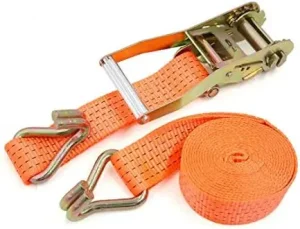
Yes. Our heavy-duty ratchet straps feature genuine Standard Tension Force ratings (STF 350 daN to 500 daN) verified through mechanical strain sensors. Straps are equipped with high-density blue European specification labels containing both English and German compliance markings, manufacturer identification, individual serial tracking numbers, and elongation metrics under 4%.
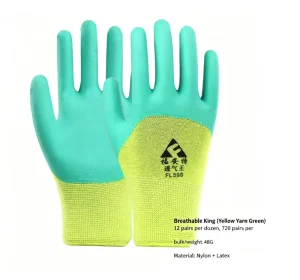
Yes, this is one of our primary logistical advantages. European procurement teams can consolidate raw industrial webbing spools, finished ratchet tie-downs, round lifting slings, safety footwear, coated work gloves, and fall-arrest harnesses inside a single container manifest. This eliminates multiple customs clearance charges and optimizes container volumetric utility.
Every commercial dispatch is accompanied by an itemized Packing List, Commercial Invoice, Certificate of Origin, EC Declaration of Conformity (Machinery Directive 2006/42/EC and PPE Regulation 2016/425), and Mill Test Certificates detailing break force, elongation, and raw material chemical composition.
We utilize computerized spectral spectrophotometers with a Delta-E tolerance under 0.8. Raw high-tenacity polyester and polyamide yarns are treated with advanced hindered amine light stabilizers (HALS) during polymer melting and aqueous dyeing, ensuring our webbings retain over 80% of their baseline tensile strength after 1,000 hours of accelerated xenon arc UV weathering.
For standard webbing lines with customized branding labels or thermal transfer markings, our baseline MOQ starts at just 1,000 meters. For custom-dyed pantone yarns or bespoke Jacquard weave webbing widths, the MOQ is generally 3,000 to 5,000 meters, allowing emerging distributors to launch their own private-label brands with manageable capital outlays.
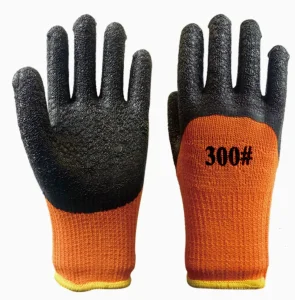
Explore our complete factory-direct collection of heavy-duty cargo securing belts, safety boots, high-visibility wet-weather gear, and certified industrial work gloves engineered for German job sites.
Direct manufacturing capacity, dedicated English/German engineering support, and guaranteed batch quality. Contact our technical team today for sample dispatches, mill test certificates, and volume container pricing.
